









HCPCS code E0181: Powered pressure reducing mattress overlay billing guide
HCPCS code E0181 covers a powered alternating-pressure mattress overlay with pum...

July 8, 2026


CCSD Code 0001B is a diagnostic test code within the CCSD Diagnostic Tests Schedule, used by UK private healthcare providers to bill for a specific test as defined in the schedule.
Codes 0001B, 0001C, and 0001F share the same 0001 stem but cover distinct tests on distinct specimens and cannot be used interchangeably.
Claim denials for 0001B most often result from wrong-stem coding, missing clinical justification, or submitting without a valid consultant referral authorisation number.
Pabau’s claims management software lets UK private clinics attach CCSD codes to invoices, track claims by PMI, and flag documentation gaps before electronic submission.
Wrong-stem coding is one of the most common sources of rejected diagnostic test claims in UK private healthcare. When a clinician selects 0001C or 0001F where 0001B applies, or vice versa, the claim reaches the insurer with the wrong code attached and gets returned before any clinical review takes place. The lost time chasing rejections is rarely recovered. This guide covers what CCSD Code 0001B represents within the CCSD Diagnostic Tests Schedule, how to distinguish it from sibling codes, what documentation major private medical insurers (PMIs) require, and how to submit claims correctly via Healthcode and insurer portals.
CCSD Code 0001B is a diagnostic service charge code listed within the CCSD Diagnostic Tests Schedule. The schedule is maintained by the Clinical Coding and Schedule Development (CCSD) Group, the independent body that sets the standard codes for the UK independent healthcare sector, and is administered by Grant Thornton UK LLP.
A critical distinction: diagnostic service charge codes like 0001B are not procedure codes. The CCSD FAQs explicitly state that these codes are separate from the CCSD Schedule of Procedures and should not be loaded into procedure code tables. They exist solely to bill for specific diagnostic tests ordered within a private healthcare episode.
Because the CCSD schedule requires authenticated login to view full code descriptions, the exact clinical description of 0001B is not publicly available. Providers who need to confirm the precise scope of this code should register at ccsd.org.uk and consult the current schedule directly. The CCSD Technical Guide (October 2025) also sets out the business rules and coding conventions that govern how diagnostic codes are assigned and billed.
The 0001 series contains several distinct codes, including 0001B, 0001C, and 0001F. Each suffix designates a specific test on a specific specimen type. Despite sharing the same numeric stem, these codes are not interchangeable. Billing 0001C when the correct code is 0001B, or grouping them together on one invoice, constitutes a coding error that PMIs will reject on review.
The CCSD Technical Guide provides the governing logic: each code in a stem family is assigned based on what was actually tested and on which specimen. Providers billing for GP clinic software for private providers or specialist diagnostics should map each test individually to its correct code before submission.
| Code | Schedule | Interchangeable with 0001B? | Notes |
|---|---|---|---|
| 0001B | CCSD Diagnostic Tests Schedule | No | Specific test/specimen as defined in schedule |
| 0001C | CCSD Diagnostic Tests Schedule | No | Distinct test/specimen from 0001B |
| 0001F | CCSD Diagnostic Tests Schedule | No | Distinct test/specimen from 0001B and 0001C |
A clean claim for any CCSD diagnostic code starts with complete documentation before the invoice is raised. PMIs audit claims retrospectively, and missing records are the fastest route to a chargeback or denial. For CCSD Code 0001B, the documentation standard across major insurers follows a consistent pattern.
Good digital clinical forms that capture structured test requests at the point of care make this process significantly easier. When documentation is tied directly to the appointment record, the billing team can verify completeness before the claim is submitted rather than after a denial arrives.
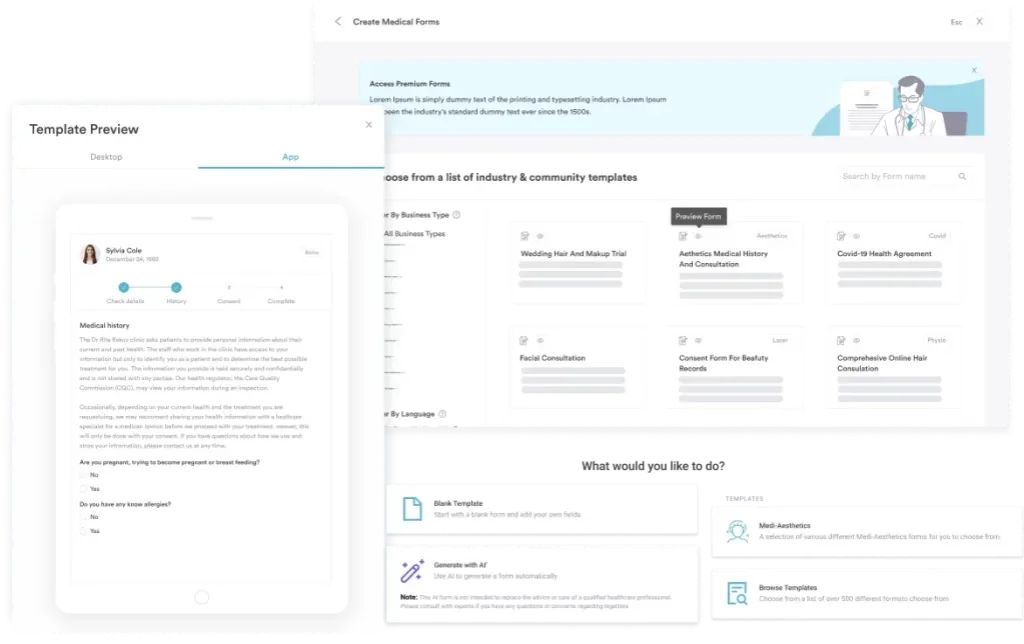
Practices focused on GDPR compliance for patient records should also note that diagnostic test records carry specific retention obligations under UK data protection law. Maintaining them in a structured digital system reduces both compliance risk and billing audit exposure.
For clinics running a sustainable private practice, building a documentation checklist into the pre-billing workflow catches gaps before they become denials.
Denial patterns for CCSD Code 0001B claims are predictable. Most rejections fall into four categories, and understanding them in advance reduces rework substantially.
Selecting 0001C or 0001F when 0001B applies is the most frequent coding error in the 0001 series. PMIs do not simply redirect to the correct code; the claim is returned for resubmission. Each test in the 0001 family must be mapped individually to its correct suffix before invoicing. Batch-coding multiple tests under a single stem code is not accepted.
Bupa, AXA Health, and most other PMIs require pre-authorisation for diagnostic tests. Submitting a claim for CCSD Code 0001B without a valid authorisation number, or with an authorisation number that has expired or does not specifically cover this code, results in automatic rejection. Authorisation numbers are code-specific, not episode-specific, at many insurers.
Submitting 0001B more than once for the same test on the same date triggers a duplicate flag. This sometimes happens when a claim is resubmitted after a delay without first checking whether the original submission was received. PMI portals and Healthcode both provide submission status tracking to prevent this.
Some PMIs have unbundling or bundling rules that affect how diagnostic test codes can be combined on a single invoice. If 0001B is billed alongside a related procedure code, the insurer may apply a bundling edit that reduces or denies the diagnostic charge. Reviewing the relevant insurer’s fee schedule and coding guidelines before submission is the only reliable way to identify these rules in advance. The Allianz Care UK fee schedule and Aviva fee schedule both publish their CCSD-based rules and are worth reviewing for any codes in the 0001 family.
Before submitting any 0001-series claim, cross-reference the test performed against the CCSD schedule to confirm which suffix applies. Building this as a mandatory step in your pre-billing checklist prevents the most common source of 0001B rejections.
All major UK private medical insurers accept CCSD codes as the billing standard for diagnostic tests. The electronic submission process varies slightly by insurer, but the structure is consistent. Practices billing for private GP referrals and NHS pathways will typically encounter these PMIs across their patient base.
Bupa uses its own code search portal at codes.bupa.co.uk to verify CCSD codes before submission. Claims are submitted electronically through Healthcode or Bupa’s provider portal. Pre-authorisation is required for most diagnostic tests. The Pabau Bupa CCSD billing guide covers the full Bupa submission workflow for private healthcare providers.
AXA Health publishes procedure codes and fee chapters through its specialist forms portal. Diagnostic test claims for CCSD Code 0001B require a valid authorisation reference. AXA Health processes electronic claims via Healthcode. Providers should verify AXA-specific bundling rules for the 0001 series before invoicing.
Aviva’s fee schedule details CCSD-coded procedure and diagnostic fees, with specific invoicing guidance for providers. Allianz Care operates a published fee schedule based on CCSD codes effective from December 2024. Both insurers require authorisation for diagnostic tests and process claims through Healthcode or their respective provider portals.

Pabau lets UK private healthcare clinics attach CCSD codes to invoices, track claims by insurer, and flag documentation gaps before submission. See how it works for diagnostic billing.

Understanding which codes sit near CCSD Code 0001B in the Diagnostic Tests Schedule helps providers select the right code and anticipate how PMIs will review claims that include multiple diagnostic test charges.
These are the two closest sibling codes. All three share the 0001 stem, but each covers a distinct test on a distinct specimen type. The CCSD Technical Guide specifies that codes sharing a stem cannot be used interchangeably. When a clinical episode involves more than one test from the 0001 family, each test must be invoiced on its own line with its correct suffix code.
CCSD Code 0002B is a separate diagnostic code outside the 0001 stem family. It covers a different category of test as defined in the Diagnostic Tests Schedule. Providers ordering multiple diagnostic tests in a single episode should confirm whether 0002B applies independently or whether the tests in question are governed by bundling rules at their relevant PMI.
CCSD Code 0010B is a procedural code within the CCSD Schedule of Procedures, not the Diagnostic Tests Schedule. It is included here because providers sometimes confuse diagnostic and procedural codes when building invoice templates. The two schedules are maintained separately and the codes are not interchangeable across schedules.
Practices seeking skin clinic software with integrated billing support will find that diagnostic and procedural codes are commonly used together in dermatology and aesthetic private practice, making correct schedule identification essential.
If you are unsure whether a code belongs to the Diagnostic Tests Schedule or the Procedures Schedule, check the CCSD schedule directly at ccsd.org.uk. The two schedules are listed separately and the code type is displayed against each entry. Mixing codes across schedules is a common source of claim rejection that is entirely preventable.
Pabau is an all-in-one clinic management platform built for UK private healthcare providers, including practices billing CCSD diagnostic test codes to PMIs such as Bupa, AXA Health, Aviva, and Allianz Care.
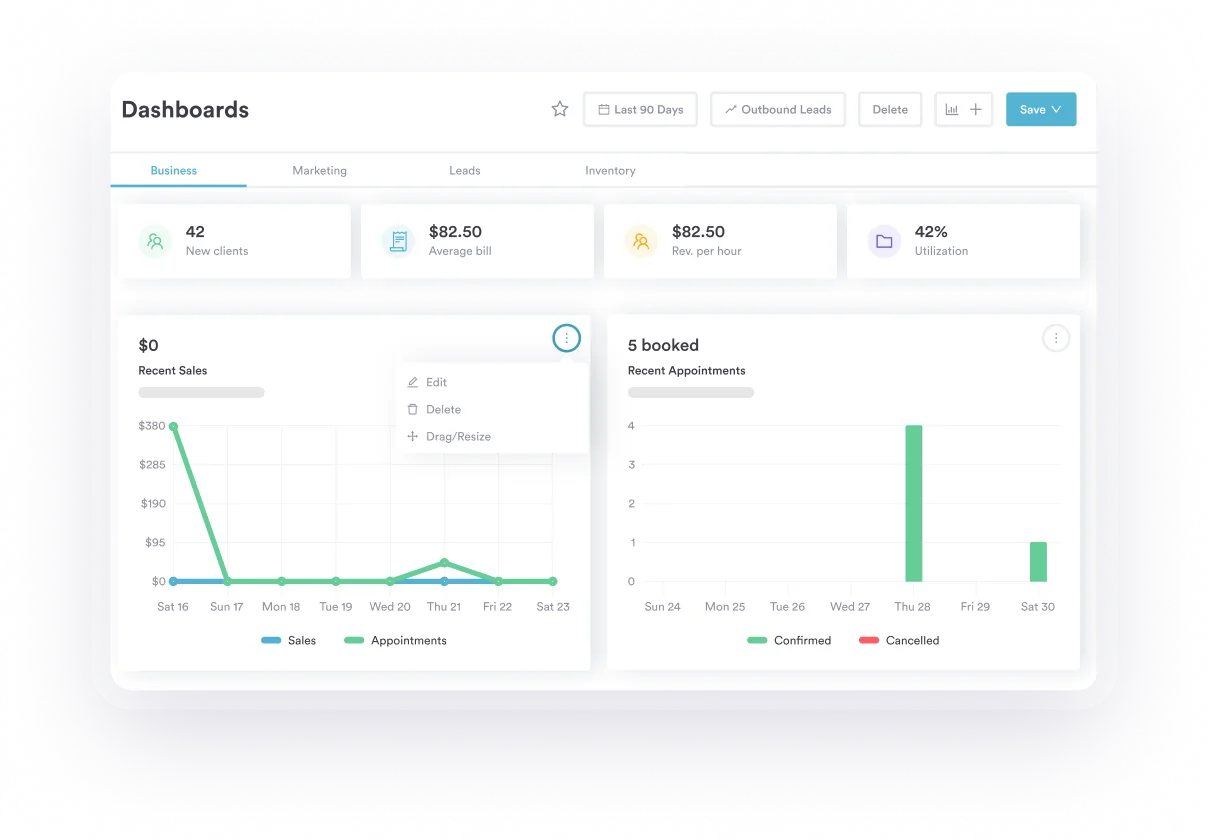
The platform’s claims management software lets billing teams attach CCSD codes directly to patient invoices, assign claims to specific insurers, and track submission status across the practice. Documentation gaps can be flagged before a claim is submitted, reducing the rate of first-pass rejections for codes like CCSD Code 0001B. For practices focused on time-saving features for private practices, having billing and clinical documentation in one system removes the manual reconciliation step between the consultation record and the invoice.
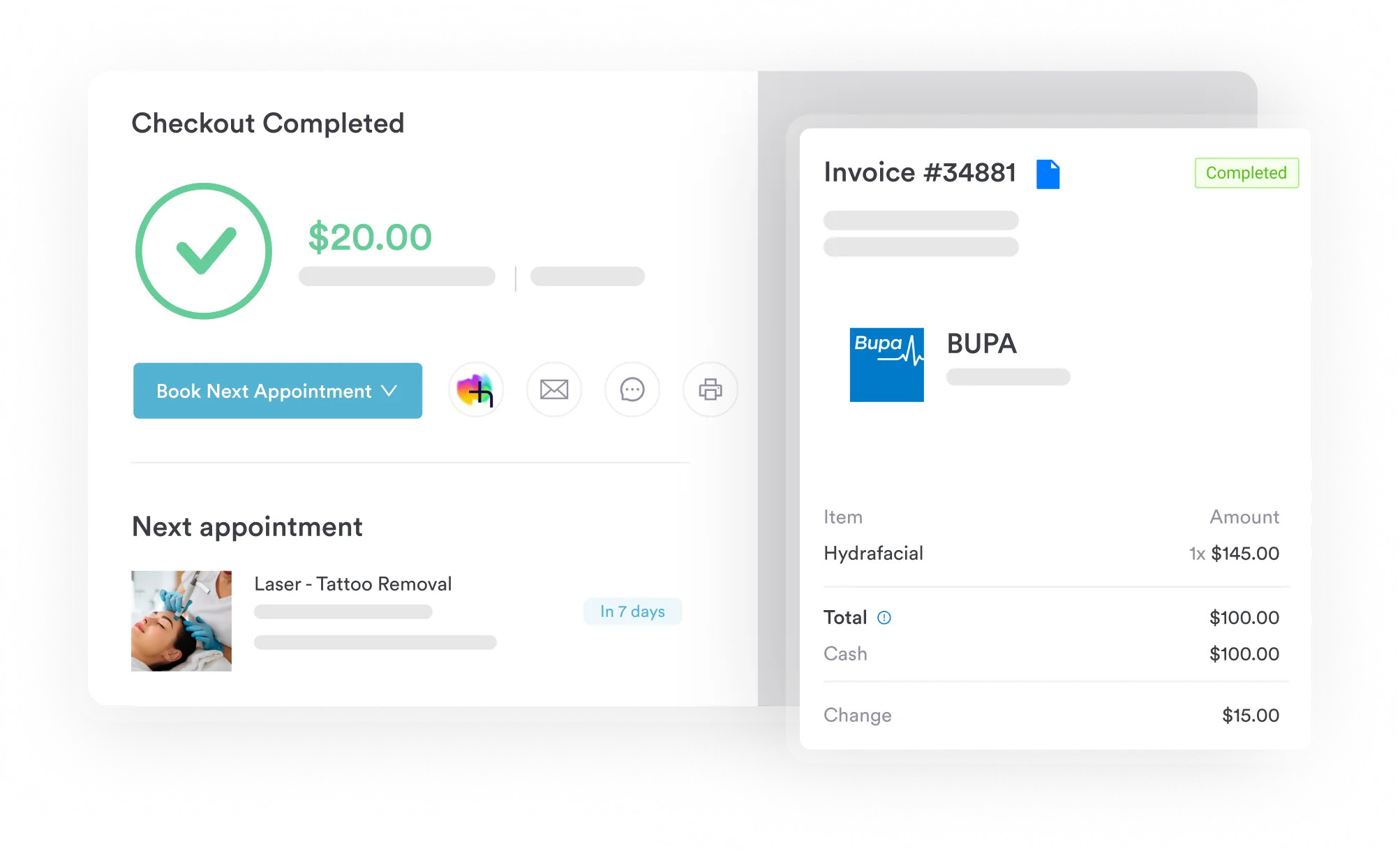
Pabau also supports electronic submission workflows compatible with Healthcode, the clearinghouse used by most UK PMIs for claims processing. Authorisation numbers can be stored against individual appointments, and the invoice can be built from the clinical record rather than re-entered manually.
CCSD Code 0001B claims fail most often for reasons that are preventable: wrong-stem code selection, missing authorisation, and incomplete documentation. Getting these right requires a pre-billing process that ties the clinical record to the invoice before submission, not after a denial has arrived.
Pabau’s integrated billing and private practice management tools give UK clinics the structure to manage CCSD diagnostic claims accurately, from code selection through to electronic submission. To see how it works for your practice, book a demo.

Need the full Bupa CCSD billing picture? Bupa CCSD codes: complete guide for UK clinics covers every aspect of submitting CCSD claims to Bupa, including code lookup, denial avoidance, and electronic submission.
Billing for UK diagnostic and procedural codes in one system? Claims management software details how Pabau handles insurer-specific billing workflows for private healthcare providers.
Managing compliance obligations alongside billing? GDPR compliance checklist for UK clinics covers the data protection requirements that apply to diagnostic test records in private practice.
A CCSD code is a standardised billing code used by UK private healthcare providers to invoice procedures and diagnostic tests to private medical insurers (PMIs). The Clinical Coding and Schedule Development (CCSD) Group maintains two separate schedules: the Schedule of Procedures and the Diagnostic Tests Schedule. Every invoice submitted to Bupa, AXA Health, Aviva, or any other major PMI must carry the correct CCSD code for the service provided.
CCSD Code 0001B is a diagnostic service charge code listed in the CCSD Diagnostic Tests Schedule, covering a specific test as defined in the authenticated schedule. It is distinct from sibling codes 0001C and 0001F, which cover different tests on different specimen types. Providers must confirm the full code description by registering at ccsd.org.uk, as the schedule requires login access.
All three codes share the 0001 stem but each designates a distinct test on a distinct specimen type. They cannot be used interchangeably. The CCSD Technical Guide specifies that providers must select the correct suffix code based on what was actually tested and on which specimen. Billing the wrong suffix results in claim rejection.
The most common denial reasons are: using a wrong-stem code (0001C or 0001F instead of 0001B), submitting without a valid PMI authorisation number, incomplete clinical documentation, duplicate submission, or violation of insurer-specific bundling rules. Checking the relevant insurer’s fee schedule before submission and building a documentation checklist into the pre-billing workflow addresses most of these issues.
Both Bupa and AXA Health accept electronic submissions via Healthcode. For Bupa, verify the code at codes.bupa.co.uk before submitting and ensure you have a valid pre-authorisation reference. For AXA Health, use the specialist forms portal to confirm the code is covered under the patient’s policy. Both insurers require the authorisation number, date of service, and correct CCSD code to appear on the invoice.