ICD-10 Code V28.01XD: E-bike driver noncollision accident, nontraffic, subsequent encounter
ICD-10 Code V28.01XD: Definition and billable status ICD-10 Code V28.01XD is the...

Last Updated: Oct 20, 2026
Billable Code Specific Code
S32.9XXB is the billable ICD-10-CM code for fracture of unspecified parts of lumbosacral spine and pelvis, initial encounter for open fracture.
Understanding when S32.9XXB applies, and when a more specific code is required, determines whether a claim gets paid the first time it is submitted.
Let Pabau's smart automation suggest the right codes, reduce claim denials, and keep your practice compliant—effortlessly.
Automate repetitive tasks and focus on what matters most—your patients.
Reduce coding errors and ensure compliance with the latest regulations.
Clean claims, fewer denials, and faster reimbursements.
Powerful insights and reporting to help your practice thrive.
HIPAA compliant SOC 2 certified GDPR-compliant Trusted by 4,000+ clinics worldwide

ICD-10 Code S32.9XXB describes a fracture of unspecified parts of the lumbosacral spine and pelvis coded as an initial encounter for an open fracture.
The 7th character B specifically designates an open fracture at initial encounter; use A for closed initial encounters and D for subsequent encounters.
S32.9XXB is only appropriate when clinical documentation cannot support a more specific S32 code; always query the provider before defaulting to unspecified.
Pabau’s claims management software helps orthopedic and trauma teams attach accurate ICD-10 codes like S32.9XXB at the point of documentation to reduce denials.
The lumbosacral spine and pelvis form a structural unit connecting the axial skeleton to the lower extremities. Fractures in this region typically result from high-energy trauma: motor vehicle collisions, falls from height, or crush injuries.
S32.9XXB encodes a fracture in this anatomical zone where the clinical documentation specifies an open fracture at initial encounter. It does not identify the precise bone or sub-region involved.
The word “unspecified” is the critical qualifier. Per ICD-10-CM official guidelines, unspecified codes should only be used when more precise documentation is genuinely unavailable.
For a lumbosacral or pelvic fracture, that means the record lacks the specificity to code to a named bone (e.g., sacrum, ilium, acetabulum, pubis). If imaging or operative notes identify the structure, a more specific code within the S32 category is required.
For clinical teams working with physical therapy EMR or trauma documentation workflows, structured intake and assessment forms help capture anatomical detail. This detail prevents defaulting to an unspecified code. Billing teams coding fracture claims across trauma specialties.
S32.9XXB is appropriate only when all three conditions below are met. It is not a default code for any lumbosacral injury.
If the chart notes reference the sacrum, ilium, acetabulum, or a specific lumbar vertebra, query the provider and code to the identified structure instead.
Before submitting a claim with S32.9XXB, review the radiology report and operative notes. If imaging identifies a specific pelvic bone or lumbar segment, escalate to the appropriate S32 sub-code. Payers increasingly audit high-volume unspecified fracture codes – specificity reduces denial risk.
The 7th character is not administrative detail. It changes the clinical and financial meaning of the code entirely. For fracture codes in the S00-T88 injury chapter, the 7th character encodes two pieces of information at once.
It shows whether the fracture is open or closed, and which phase of treatment the encounter represents. Per CMS ICD-10-CM coding guidelines, the 7th character must match the documented encounter type precisely.
The most common error is using 7th character A (closed) when documentation describes a wound, skin breach, or bone protrusion. Open fractures require B on the initial encounter. Once the patient transitions to follow-up care, the encounter type shifts to D (routine) or G (delayed healing). This holds regardless of whether the fracture was originally open or closed.
S32.9XXB sits within a structured hierarchy. Understanding the parent code and its siblings helps coders navigate to the correct level of specificity. Coders managing multi-specialty trauma billing can apply the same hierarchy navigation principles used for other injury codes in the S00-T88 chapter.
When documentation supports specificity, coders should move up the hierarchy to named sub-codes: S32.0xx (lumbar vertebra), S32.1xx (sacrum), S32.3xx (ilium), S32.4xx (acetabulum), or S32.5xx (pubis). S32.9XXB is the coding destination only when specificity is genuinely absent from the record.
Several Jane App competitors handle S-code documentation and progress notes without extra admin for your front desk.
Excludes notes define the boundaries of a code’s appropriate use. Getting them wrong on a claim results in denials or compliance exposure. Per the AAPC ICD-10-CM code reference, the S32 category carries both Excludes1 and Excludes2 notations that apply to S32.9XXB.
Accurate excludes note application protects against upcoding and under-coding. Teams managing HIPAA compliance for medical offices should review excludes notes as part of coding quality audits. This matters most for high-acuity trauma cases where multiple injury codes may apply.
The medical record must support every element encoded in S32.9XXB. Missing or ambiguous documentation is the primary trigger for post-payment audits and medical necessity denials. The record should clearly establish all four of the following before the code is submitted.
That mechanism code shifts when the injury came from a force of nature instead of a vehicle crash or a fall. A lumbosacral fracture caused by flooding is reported alongside ICD-10 code X38.XXXA.
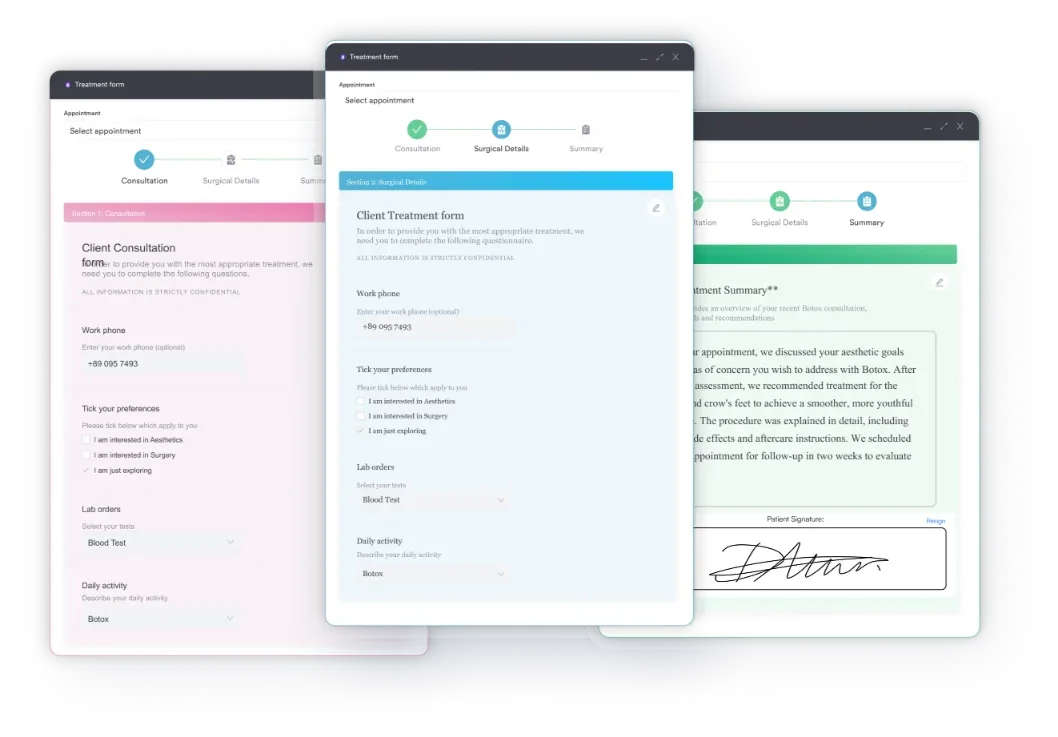
Practices handling orthopedic and trauma documentation can benefit from structured templates and digital intake forms. These prompt clinicians for the specific data points ICD-10 coding requires.
S32.9XXB is a valid, billable ICD-10-CM code for HIPAA-covered transactions. Claim submission is supported under the 2026 ICD-10-CM edition (effective October 1, 2025). Several billing considerations apply to avoid denials. Revenue cycle management reporting separates claims that were denied from claims nobody submitted.
Coders and clinicians often search by clinical description rather than code number. These terms all map to S32.9XXB in the ICD-10-CM alphabetic index and can be used to locate the code through standard coding lookup tools.
The WHO ICD-10 browser allows term-based searches that can surface S32.9XXB from any of the synonym phrases listed above. Accurate synonym awareness also helps when reviewing physician documentation that describes the condition in clinical language rather than code terminology.
Accurate coding like ICD-10 Code S32.9XXB starts with accurate documentation, and accurate documentation starts with the systems clinicians use to record it. Trauma and orthopedic practices that still rely on paper-based intake or manual chart review lose detail in translation. What a clinician documents does not always match what a coder later submits.
Pabau’s claims management software gives orthopedic and trauma billing teams a direct line from clinical documentation to claim submission. This reduces the translation errors that generate unspecified code submissions. Structured digital intake captures injury mechanism, anatomical location, and open/closed fracture status at the point of care, not retrospectively during coding.
Teams working in sports medicine software environments, where acute trauma presentations are common, benefit from intake workflows designed around the specificity ICD-10 fracture coding demands.
Broader efficiency gains in documentation and billing workflows reduce the administrative burden that pushes coders toward unspecified codes under time pressure. The same specificity principle applies across other orthopedic diagnoses.
Review your claims data quarterly for S32.9XXB submission volume. If it represents more than 15-20% of your lumbosacral/pelvic fracture claims, your documentation process likely has a specificity problem. A targeted documentation improvement initiative, paired with structured intake forms, typically shifts most of those claims to more specific S32 codes within one billing cycle.

Pabau’s claims management tools help orthopedic and trauma teams document ICD-10 codes accurately at the point of care. The right codes follow the right encounters from day one.

Default to S32.9XXB only after confirming the record truly lacks a named bone or sub-region. Do not use it as a shortcut when a documentation review takes too long. Query the provider whenever imaging or an operative note hints at a specific structure. Treat repeated use of this code as an audit signal rather than routine coding.
Practices that build that query step into intake, rather than catching it during claims review, cut denials before a claim ever leaves the building. Book a demo to see how Pabau supports accurate clinical documentation and cleaner claim submission.

Coding a burn injury in the same S00-T88 chapter? ICD-10 Code T31.42 covers documentation requirements for burns involving 40-49% of body surface area.
Need a code for a bone density finding instead of a fracture? ICD-10 Code M85.9 covers unspecified disorders of bone density and structure.
Billing durable medical equipment for a fracture patient? HCPCS Code E0117 explains billing for spring-assisted crutches.
ICD-10 Code S32.9XXB is a billable ICD-10-CM diagnosis code. It describes a fracture of unspecified parts of the lumbosacral spine and pelvis at an initial encounter for an open fracture. It is part of the S32 category (fractures of the lumbar spine and pelvis) within the S00-T88 injury chapter, effective for fiscal year 2026.
Yes. S32.9XXB is a billable, specific ICD-10-CM code valid for HIPAA-covered claim submission. It became effective October 1, 2025 as part of the 2026 ICD-10-CM edition. Always verify against the current annual edition before submitting, as ICD-10-CM is updated every October 1.
S32.9XXA codes an initial encounter for a closed fracture of unspecified lumbosacral spine and pelvis; S32.9XXB codes an initial encounter for an open fracture. The only difference is the 7th character: A for closed, B for open. The open fracture designation requires documented evidence of a skin breach or wound at the fracture site.
S32.9XXB is used at the initial encounter for active fracture treatment; S32.9XXD is used at subsequent encounters during routine healing. Once the patient transitions from initial management to follow-up care, the 7th character switches from B to D for the encounter. This holds regardless of the fracture’s open or closed status at the time of injury.
Use S32.9XXB only when clinical documentation does not identify the specific bone or sub-region involved. If imaging or operative notes name the sacrum, ilium, acetabulum, pubis, or a specific lumbar vertebra, a more precise S32 sub-code is required. Query the provider before defaulting to an unspecified code.
CPT codes paired with S32.9XXB vary by treatment type. Common pairings include CPT 27216 (percutaneous skeletal fixation of posterior pelvic ring fracture) and CPT 27218 (open treatment of posterior pelvic ring fracture). Emergency evaluation codes (99281-99285) may also apply for the initial ER presentation. Always match the CPT procedure code to the specific intervention documented, and verify medical necessity with the treating provider.