









Pabau alternatives UK: 8 options for aesthetic clinics compared
The best Pabau alternatives UK clinics can choose are Calyx, Consentz and MERIDI...

Last Updated: September 2, 2026


Yes, registered nurses can do Botox in most states, but they inject under a physician’s order and supervision rather than on their own authority.
Nurse practitioners can often assess, prescribe, and inject independently in the roughly 30 states (plus Washington DC) that grant full practice authority.
Licensed practical nurses (LPNs and LVNs) are barred from injecting Botox in most states, and permitted only under strict supervision in a few.
Every nurse type needs hands-on Botox certification and a valid order from a prescriber before injecting.
The rules change by state, so the state-by-state table below is the quickest way to check where your license lets you inject.
Botox is one of the most in-demand cosmetic treatments in the country, and that demand has created a steady need for qualified injectors. If you’re a nurse weighing a move into aesthetics, the first question is a practical one. Neurotoxin injections top the most common cosmetic procedures at nearly 9.9 million a year, which keeps trained injectors busy.
Can registered nurses do Botox? In most states, yes — an RN can inject Botox once they’ve completed proper training and are working under a physician’s order. The catch is that “can nurses do Botox” has a different answer depending on the license you hold and the state you practice in.
This guide breaks down the rules for RNs, nurse practitioners, and LPNs, the training and certifications you need, supervision requirements, and a state-by-state comparison so you can see exactly where your license lets you inject.
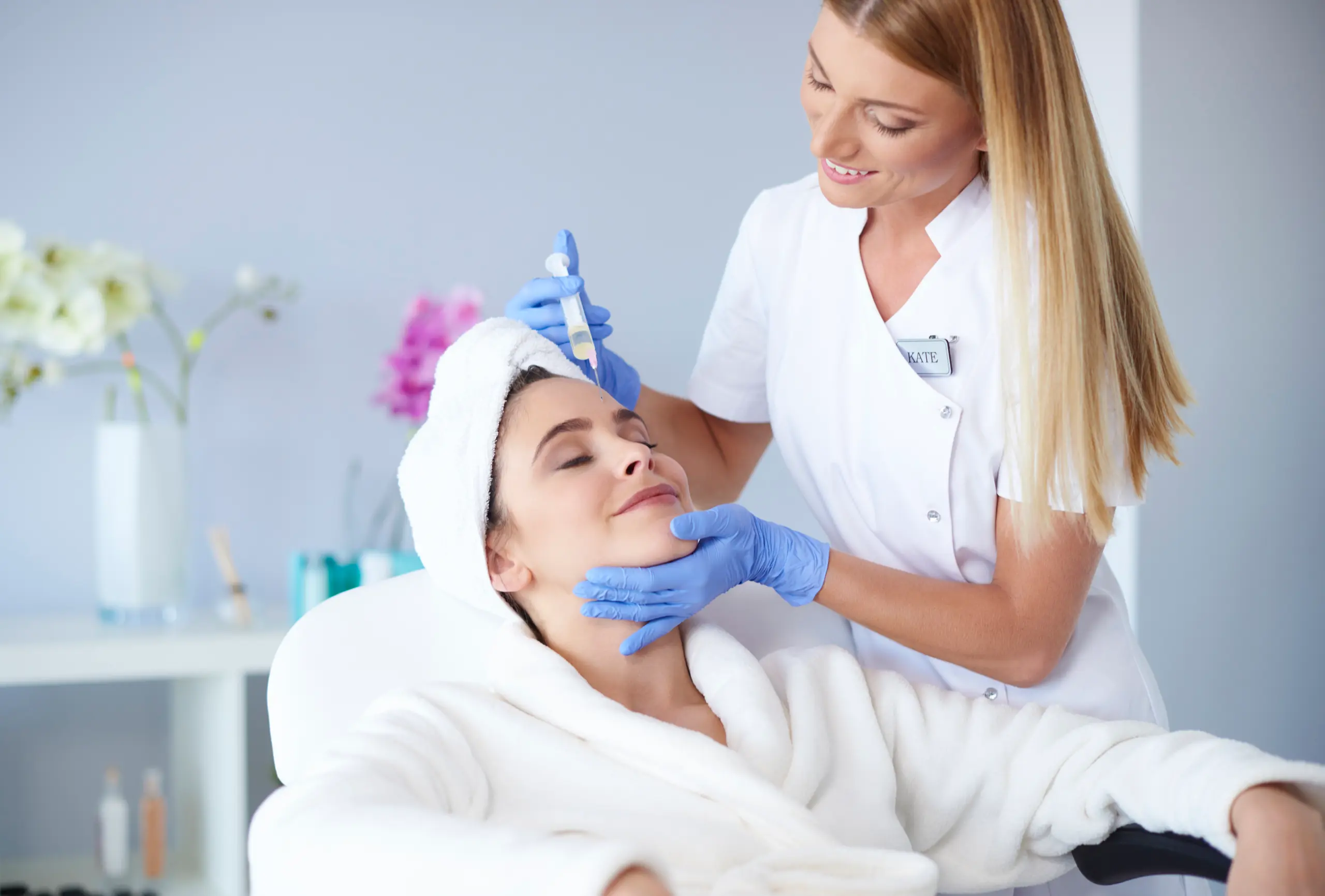
Yes. In most states, registered nurses can administer Botox, provided they’ve trained for it and work under a supervising physician or medical director. Whether nurses can give Botox at all comes down to three things: the type of nurse, their Botox training, and the state laws where they practice.
Nurse practitioners have the widest scope, while registered nurses and LPNs face more limits. Here’s how it breaks down by license type.
A registered nurse can do Botox in most states, but a few conditions apply.
In many states, an RN gives Botox under the supervision of a licensed physician or medical director. The physician usually doesn’t need to be in the room, but they must be reachable by phone and able to get to the practice within about 30 minutes if a complication comes up.
The patient also has to be examined and the treatment ordered by a prescriber before an RN can inject. On top of that, RNs must complete specialized training in Botox and other injectables. Without that certification, a registered nurse can’t legally inject Botox.
Nurse practitioners have the most autonomy of any nurse when it comes to Botox.
Thanks to their advanced aesthetic qualifications and prescribing authority, NPs can assess patients, order Botox, and inject it without direct supervision in many states. In states with full practice authority, a nurse practitioner can open their own practice independently.
Even so, every NP still needs Botox-specific training, and in some states they must maintain a collaborative agreement with a physician.
It depends on the license. Registered nurses can’t inject independently — they always need a prescriber’s order and, in most states, physician supervision.
Nurse practitioners are the exception. In the roughly 30 states plus Washington DC that grant full practice authority, an NP can evaluate the patient, prescribe the Botox, and inject it without a supervising physician. In the remaining states, even NPs work under a collaborative or supervisory agreement.
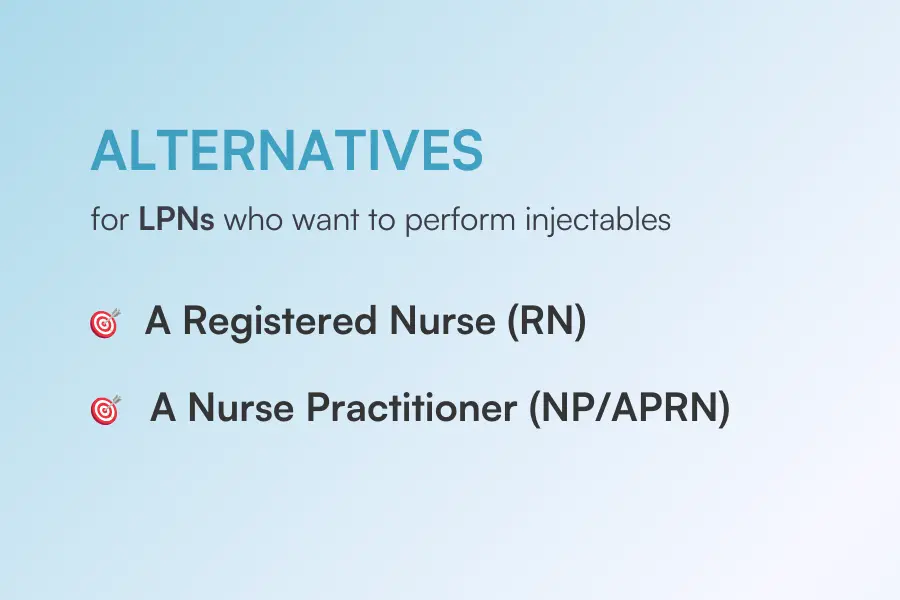
Licensed practical nurses (and licensed vocational nurses, or LVNs) face the tightest restrictions. In most states, injecting Botox falls outside the LPN scope of practice.
Where an LPN is allowed to inject, they typically need direct supervision from a physician or an RN and must complete the same injectables training. Whether an LPN can do Botox and fillers at all varies widely by state, so it’s worth confirming with your board before you invest in a course.
The American Med Spa Association notes that because injecting is usually outside the LPN scope, one path is for a physician to formally document an LPN’s competency, after which some medical boards may permit it.
Nurses aren’t the only ones who can inject. Knowing who can give Botox injections helps clarify where nurses fit in the wider picture.
One note for UK readers: dental nurses generally can’t do Botox without a separate prescribing or injectables qualification, since it sits outside their standard scope; most take the aesthetic practitioner route instead.
Before you pay for any Botox course, confirm your exact scope with your State Board of Nursing in writing. Boards issue declaratory statements and advisory opinions that can differ from what a training provider’s marketing implies — and it’s the board’s position, not the course, that decides whether you can legally inject.
To inject Botox, nurses need two things: the right license and Botox-specific training. Botox licensing isn’t a single national credential — it’s a combination of your nursing license and a certification course that proves you can inject safely.
First, a nurse needs an active, valid nursing license, which means completing an accredited nursing program and passing the NCLEX. That license is the foundation for everything that follows.
Second, the nurse has to be practicing within their state’s scope for injectables, and — for RNs and LPNs — working under a prescriber’s order.
Beyond the nursing license, nurses take a dedicated Botox certification course. These programs combine classroom learning with hands-on injecting practice so nurses master technique, dosing, and safety before treating patients.
Wondering how to become certified in Botox, or what certification you need to do Botox? Look for an accredited, hands-on course that covers facial anatomy, indications and contraindications, complication management, and injection technique. A weekend intensive is common for already-licensed nurses.
You don’t need a special “Botox degree.” What degree you need to give Botox injections comes down to a qualifying medical or nursing credential plus a license.
For nurses, that’s an Associate Degree in Nursing (ADN) or a Bachelor of Science in Nursing (BSN), followed by the NCLEX-RN to become licensed. Nurse practitioners add a master’s degree and prescribing authority on top.
During training, nurses learn the common cosmetic treatment areas and the anatomy behind each one. Knowing where to inject Botox safely is a core part of certification.
The most common areas are the glabellar lines (the “11s” between the brows), horizontal forehead lines, and crow’s feet around the eyes. Training also covers areas to avoid, since precise placement is what separates a safe result from a complication. Many practices pair Botox with filler face mapping to plan both treatments on the same visit.
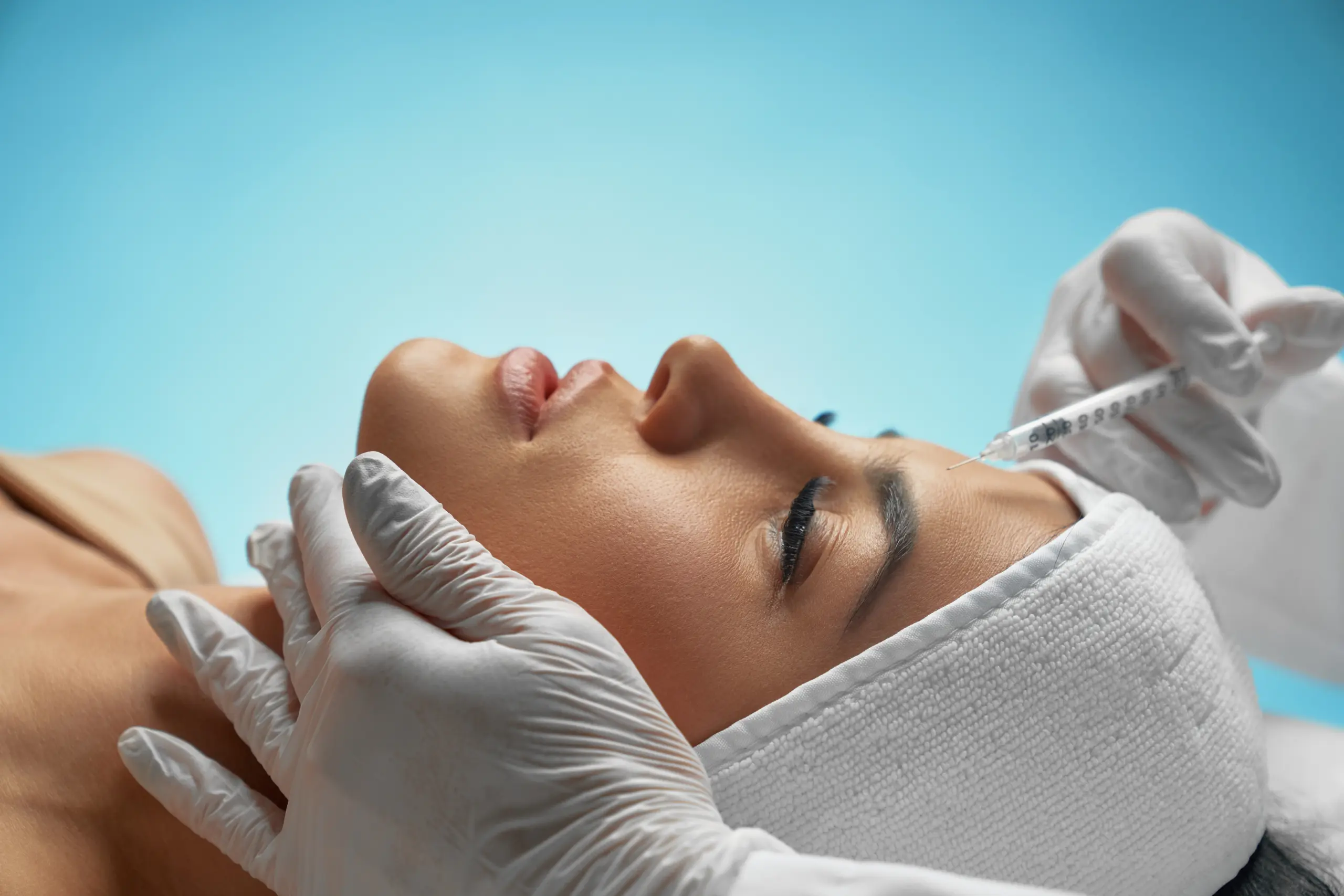
Botox injection laws differ from state to state, and the differences matter — the same license can allow independent injecting in one state and require close supervision in another.
Use the table below as a quick reference, then read the spotlights for the states nurses ask about most. Always confirm the current rules with your State Board of Nursing before you inject, since boards update their positions.
Two bodies set the boundaries: the State Board of Nursing and, in many states, the State Board of Medicine. Together they define each license’s scope of practice, supervision requirements, and delegation rules under the state’s Nurse Practice Act.
Botox itself is an FDA-regulated prescription medication, which is why a prescriber has to be involved at some stage in every state.
| State | RN can inject? | NP independent? | LPN/LVN can inject? | Supervision notes |
|---|---|---|---|---|
| California | Yes, supervised | Partial (103/104 NP pathway) | No (LVN, cosmetic) | Physician supervision for RNs; LVNs barred from cosmetic injections; NPs can reach independence via the 103/104 pathway |
| Florida | Yes, with order | No for aesthetics (collaborative protocol) | Generally no | Physician must exam, order, delegate, and be physically present to observe the injection |
| Texas | Yes, delegated | Under protocol | Generally no | Physician delegation and written protocol (TMB rules); LVN scope excludes cosmetic injecting |
| New York | Yes, supervised | Collaborative (some) | Generally no | Physician supervision and a valid order |
| Georgia | Yes, supervised | Under protocol | Generally no | Physician order and supervision required |
| Ohio | Yes, with order | Standard care arrangement | Generally no | Valid order plus documented competency |
| Washington | Yes, delegated | Yes (full authority) | Generally no | Prescriber order; physician reachable within 30 minutes |
| Tennessee | Yes, supervised | Collaborative | Restricted | Physician supervision; LPN scope limited |
| Virginia | Yes, supervised | Collaborative (transitioning) | Restricted | Physician order and supervision |
| New Jersey | Yes, supervised | Collaborative | Generally no | Physician supervision required |
| Colorado | Yes, supervised | Yes (full authority) | Generally no | Physician order; NP full practice authority |
| Illinois | Yes, supervised | Collaborative | Generally no | Physician supervision and delegation |
Rules change frequently and can turn on the specific facts of a case. Treat this as a starting point and verify the current position with your State Board of Nursing.
Keep the prescriber’s patient exam and treatment order on file for every injectable visit. If your state audits the practice, a documented order tied to that specific patient is what proves the delegation was valid — reconstructing it after the fact is where practices get caught out.
Yes, under physician supervision. California treats cosmetic injecting as a supervised medical task, and LVNs cannot give cosmetic injections at all. California NPs have a path to more independence, too: under AB 890, an NP with enough supervised hours can become a 103 or 104 NP and treat patients without standardized procedures.
Yes, but under a stricter standard than most states. A 2024 Board of Nursing declaratory statement confirms an RN can inject once a physician has examined the patient and ordered the treatment. But the physician must be physically present and directly observe the injection, not just reachable by phone.
Texas allows RNs to inject under physician delegation and a written protocol, but LVNs generally cannot. Texas Board of Nursing guidance treats cosmetic injecting as requiring independent clinical judgment that falls outside the LVN scope of practice. Most cosmetic injecting in Texas is done by RNs, NPs, and PAs.
In New York, RNs can inject under physician supervision and a valid order, but LPNs generally cannot — injectables sit outside the standard LPN scope of practice.
Georgia works much the same way: RNs can inject under supervision, while LPNs generally cannot. Who can administer Botox in Georgia mirrors most states — physicians, NPs, PAs, and supervised RNs.
This is the hardest question to answer cleanly, because most states simply don’t allow it. In the majority of states, injecting Botox is outside the LPN or LVN scope of practice.
A small number of states permit it under strict, direct supervision and documented competency, and even then the rules are narrow. If you’re an LPN set on injecting, the more reliable route is often to advance to an RN license first, which opens far more states to you.
If you want to know how to become a Botox injector, the path for a nurse is fairly clear. Becoming an aesthetic nurse injector builds on the license you already have.
This is also the route into aesthetics nursing more broadly, where injectables sit alongside skin treatments and consultations as part of the aesthetic nurse role.
RNs are central to medical aesthetics. They work in med spas, dermatology practices, and plastic surgery practices, where they handle patient consultations, injectables, skin treatments, and pre- and aftercare.
Because they combine clinical training with hands-on patient care, aesthetic nurses often become the face of a practice — the person patients see for repeat treatments and trust with their results.
Earnings are a big part of why nurses move into aesthetics. Aesthetic nurse salary figures run higher than many general nursing roles, especially for experienced injectors.
Commonly reported ranges put aesthetic nurses in the region of $90,000 to $120,000 a year in the US, with cosmetic nurse salary per hour often falling around $40 to $60 depending on location and experience. Nurses who build a loyal client base or earn commission on treatments can push well above those figures.
Nurse practitioners who own or run their own practice have the highest earning ceiling, since a smart med spa pricing strategy lets them capture more of the treatment revenue directly.
Supervision rules depend on the nurse’s license and the state. For RNs and LPNs, Botox is almost always a delegated task: a prescriber examines the patient, orders the treatment, and delegates the injection to the nurse.
That delegation usually rests on a valid order and, in many states, a written protocol or standing order that spells out what the nurse can do. The supervising physician often doesn’t need to be on-site, but must be reachable to manage any complications. Documenting each visit on a Botox treatment form keeps the order, dosage, and consent traceable.
Nurse practitioners in full practice authority states skip the supervision requirement entirely, since they hold their own prescriptive authority and can even take on the medical director role themselves.
Once you’re cleared to inject, the day-to-day challenge shifts to running the practice safely: proving who treated whom, keeping consent on file, and tracing the products you use. Practice management software like Pabau pulls those pieces into one place.

Pabau helps med spas and aesthetic practices manage patient records securely, control who can inject by role, and tie consent and treatment notes to every client — so you can prove the right provider treated the right patient under a valid order.

So, can nurses do Botox? For registered nurses the answer is usually yes — with training, a prescriber’s order, and physician supervision. Nurse practitioners can often go further and inject independently in full practice authority states, while LPNs and LVNs stay restricted in most of the country.
Whatever your license, two things stay constant: you need hands-on injectables certification, and you have to work within your state’s current scope of practice. Confirm the rules with your State Board of Nursing before you enroll in a course or take a job, since board positions can shift from year to year.

Adding injectables to your services? Med spa compliance breaks down the records, consent, and supervision rules that keep a practice audit-ready.
Sending a patient home after cryotherapy? Cryotherapy aftercare template covers wound care, healing stages, activity restrictions, and infection warning signs after treatment.
No — you don’t have to be a nurse specifically, but you do need to be a qualified medical professional. Physicians, nurse practitioners, physician assistants, registered nurses, and dentists can all inject Botox in most states, provided they’ve trained for it. Non-medical roles like estheticians cannot.
Yes. Registered nurses can give Botox in most states once they’ve completed injectables training and are working under a prescriber’s order, usually with physician supervision. Nurse practitioners can often inject independently, while LPNs are restricted in most states.
You need an active nursing (or medical) license plus a hands-on Botox and injectables certification course. The course should cover facial anatomy, dosing, injection technique, and complication management, and include supervised practice on real patients.
Yes, if you hold another qualifying medical license. Physicians, physician assistants, and in many states dentists can inject Botox without being nurses. What you can’t do is inject as a non-medical professional — an esthetician or beauty therapist can’t legally administer Botox.