Pabau offers the most comprehensive EMR and billing integration for weight loss clinics
SimplePractice excels for therapy-focused weight management programs
Zenoti provides premium spa-style workflows with add-on ePrescribe
PatientNow specializes in visual progress tracking for aesthetic weight loss
Pricing ranges from $29/month (Carepatron) to $400+/month per location (Zenoti)
Introduction: Weight Loss Clinic Software
Weight loss clinics face a unique operational challenge: they need the clinical documentation rigor of a medical practice, the visual progress tracking of an aesthetic clinic, and the engagement tools of a wellness centre. A 2025 survey of 1,200 medical weight loss practices found that 68% were using software originally designed for general practice or spa management, neither of which adequately supported GLP-1 prescription workflows, body composition tracking, or nutrition plan integration.
The right weight loss clinic software must handle ePrescribing for medications like semaglutide and tirzepatide, automate patient journey workflows across multi-month programs, and provide telehealth capabilities for remote consultations. This guide evaluates seven platforms specifically for their suitability in medical weight loss settings, comparing clinical features, pricing structures, and operational workflows to help you identify the best fit for your practice size and treatment model.
If you are still in the early stages of development, you can also learn more about starting a weight loss clinic in our comprehensive industry guide.
Compare Weight Loss Clinic Software at a Glance
Before diving into detailed comparisons, here’s how the seven platforms stack up across key decision criteria for weight loss clinics.
Name
Best For
Standout Feature
Starting Price
Rating
Pabau
Multi-specialty clinics offering weight loss alongside aesthetics and wellness
Body composition tracking with before/after photo galleries and injection plotting
$62 / £49 per user/month
N/A
Carepatron
Solo practitioners and small wellness clinics focused on holistic weight management
Free plan with telehealth and automated billing
Free / $29 per user/month
4.9/5 (522+)
PatientNow
Aesthetic-focused weight loss clinics emphasizing visual transformation tracking
Automated patient journey tools with visual documentation
Therapy-focused clinical tools with unified telehealth and billing
$49 / £39 per month
N/A
Zenoti
High-volume medical spas with retail integration and membership models
Retail-heavy spa workflows with loyalty and package management
Contact for pricing (estimated $400+ / £320+ per location)
N/A
ClinicMinds
Clinics requiring integrated prescription and treatment plan management
All-in-one EMR with prescription workflows
Contact for pricing
N/A
DocVilla
Practices needing medical billing and telemedicine in one system
All-in-one EHR/EMR with telemedicine and medical billing
Contact for pricing
N/A
Pabau: Best Multi-Industry Weight Loss Clinic Software
Pabau positions itself as a flexible practice management platform serving weight loss clinics, medical aesthetics practices, wellness centres, and multi-specialty operations under one system. Unlike competitors that specialise in either therapy workflows or spa retail, Pabau bridges clinical documentation, visual progress tracking, and operational automation. It supports clinics running GLP-1 programs, body composition analysis, IV therapy, and aesthetic treatments from the same patient record.
The platform is particularly strong for practices that blend weight loss services with other healthcare offerings. A clinic offering semaglutide consultations, body contouring, and nutrition coaching can manage all three service lines within Pabau’s unified client record, avoiding the workflow fragmentation that occurs when using separate systems for medical and aesthetic services. Weight loss clinic software features include body composition tracking, before/after photo management, and automated recall workflows for multi-month treatment programs.
Key Features
Body composition tracking: Log weight, body fat percentage, BMI, and measurements with trend visualisation across multi-month programs
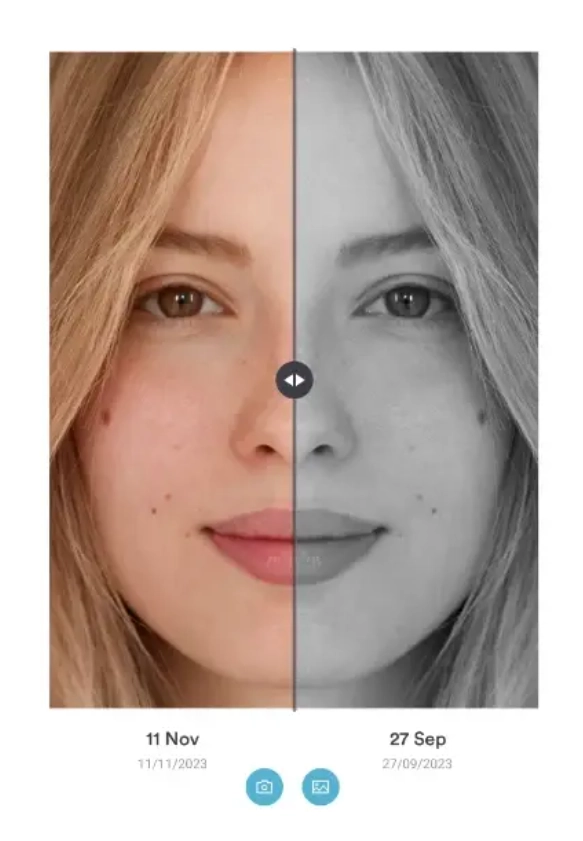
Before/after photo galleries: Timestamped progress photos with side-by-side comparison tools and patient portal access
Prescription management: Centralised prescription hub with drug interaction checks, contraindication alerts, and direct email delivery to patients
Telehealth with unified billing: HIPAA-compliant video consultations with automatic session documentation and insurance billing synchronisation
Automated patient journey workflows: Pre-set communication sequences for recall, aftercare, and win-back campaigns tailored to weight loss program timelines
Multi-location management: Unified reporting and client records across multiple clinic locations with location-specific scheduling and inventory
Package and membership sales: Sell multi-session weight loss programs with automatic session tracking and expiry management
Clinical form builder: Create custom intake forms, consent documents, and screening questionnaires with conditional logic and e-signature capture
Pricing
Plan
Price
Who It’s For
Key Features
Essential
$62 / £49 per user/month
Solo practitioners and small clinics
Full platform access, online booking, EMR, telehealth, basic reporting
Connect
$97 / £77 per user/month
Growing practices needing marketing automation
Email/SMS campaigns, automated workflows, loyalty programs, gift vouchers
Plus
$135 / £107 per user/month
Multi-location clinics and franchises
Advanced reporting, multi-location dashboards, custom permissions, priority support
No feature gating across plans. All tiers include prescription management, before/after photos, and telehealth. Add-ons: Pabau Scribe scribe ($19/month per user), Pabau Pay integrated payments (2.6% + 10¢ per transaction).
Where Pabau Shines
Cross-industry flexibility: Supports weight loss, aesthetics, wellness, and medical services under one platform without workflow compromises. A clinic can offer GLP-1 consultations, body contouring, and IV therapy from the same patient record.
Visual progress documentation: Native before/after photo management with timestamped galleries, side-by-side comparisons, and automatic patient portal sharing. Clinics report this feature alone drives patient compliance and word-of-mouth referrals.
Prescription workflow depth: Centralised prescription hub with drug interaction checks, contraindication alerts, and BNF integration for UK practices. Supports both ePrescribe add-ons and manual prescription workflows.
Multi-month program automation: Pre-built communication sequences for weight loss programs (e.g. 12-week semaglutide protocols) with automatic recall, progress check-ins, and win-back campaigns at program completion.
No feature gating: Full platform access at the entry tier ($62/month) avoids the frustration of discovering critical features (like telehealth or forms) are locked behind higher-priced plans.
Where Pabau Falls Short
Insurance billing complexity: Not optimised for insurance-heavy practices. While Pabau supports claims processing, clinics report the workflow is less intuitive than SimplePractice for therapy billing or AdvancedMD for medical billing.
Onboarding learning curve: The platform’s flexibility comes with initial complexity. Clinics with staff unfamiliar with healthcare software report 2-4 weeks to full competency, compared to 1-2 weeks for simpler systems like Carepatron.
Smaller integration ecosystem: Compared to Zenoti’s extensive retail/spa integrations, Pabau’s third-party app marketplace is narrower. Clinics needing niche integrations (e.g. body composition analysers beyond InBody) may require custom development.
Customer Reviews
Pabau does not have public review profiles on G2, Capterra, or Trustpilot. User feedback from industry forums highlights the platform’s visual documentation tools and prescription workflows as key differentiators, while noting the initial setup time investment.
Who Pabau Is Best For
Multi-specialty clinics offering weight loss alongside aesthetics, IV therapy, or wellness services
Medical spas expanding into GLP-1 programs and body composition tracking
Multi-location practices needing unified reporting and centralised client records
Clinics prioritising visual progress tracking and before/after photo management
Carepatron: Best Free Weight Loss Clinic Software
Carepatron offers a genuinely free plan with no patient limits, making it the lowest-barrier entry point for solo practitioners and small wellness clinics. Unlike “freemium” models that lock telehealth or billing behind paid tiers, Carepatron includes video consultations, automated invoicing, and digital forms in the free version. According to G2 reviewers, the platform is particularly strong for clinics prioritising ease of use over feature depth, with an interface designed for non-technical users.
The free plan supports unlimited clients and appointments, which is uncommon in the practice management space. Solo practitioners running holistic weight loss programs-combining nutrition counselling, lifestyle coaching, and light medical oversight-can operate entirely on the free tier. Paid upgrades add team collaboration tools, advanced reporting, and branded patient portals, but the core clinical and billing functionality remains accessible without cost.
Key Features
Free telehealth: HIPAA-compliant video consultations with no session limits or time restrictions
Automated billing and invoicing: Payment collection, invoice generation, and basic claims processing included in free tier
Digital intake forms: Customisable forms with e-signature capture and automatic filing to patient records
Appointment scheduling: Online booking portal with automated reminders via email and SMS
Pricing
Plan
Price
Who It’s For
Key Features
Free
$0
Solo practitioners and startups
Unlimited clients, telehealth, forms, basic billing, 1 user
Standard
$29 per user/month
Small teams needing collaboration
Team inbox, advanced reporting, branded portal, priority support
Where Carepatron Shines
Zero-cost entry: The only platform in this comparison offering full clinical and billing functionality at no charge, with no patient volume restrictions.
Non-technical user interface: According to G2 reviewers, Carepatron’s interface is cleaner and less cluttered than competitors, with a 4.9/5 rating from over 522 verified reviews.
Where Carepatron Falls Short
Limited weight-loss-specific tools: No native body composition tracking, before/after photo galleries, or GLP-1 prescription workflows. Best suited for counselling-based weight loss rather than medical programs.
Basic reporting: Advanced analytics and custom reporting require paid tiers. Free plan includes appointment summaries and basic revenue tracking only.
Customer Reviews
Carepatron holds a 4.9 out of 5 rating on G2 based on over 522 verified reviews. Users highlight the platform’s intuitive design and comprehensive free tier as primary strengths.
Who Carepatron Is Best For
Solo wellness practitioners offering nutrition coaching and lifestyle counselling
Startups testing weight loss service viability before committing to paid software
Clinics prioritising telehealth and automated billing over advanced clinical features
See How Pabau Supports Weight Loss Clinics
Manage GLP-1 prescriptions, body composition tracking, and multi-month patient programs from one platform. Book a demo to see Pabau's weight loss workflows in action.
PatientNow: Best for Aesthetic Weight Loss Clinics
PatientNow specialises in visual documentation and automated patient journey workflows specifically for weight loss and medical aesthetic practices. Unlike general-purpose EMRs, the platform emphasises before/after photography, progress tracking visualisations, and automated touchpoints designed for multi-month transformation programs. Clinics report that PatientNow’s visual tools help patients stay engaged with longer treatment protocols, reducing drop-off rates in GLP-1 and body contouring programs.
The software integrates visual progress tracking directly into patient communications. Automated emails at 4-week intervals can include side-by-side comparison photos, weight loss trends, and upcoming appointment reminders. This level of automation is particularly valuable for clinics running standardised weight loss protocols (e.g. 12-week semaglutide programs) where consistent patient engagement correlates with better outcomes.
Key Features
Automated patient journey tools: Pre-set communication sequences triggered by appointment type, treatment milestone, or time elapsed since last visit
Visual documentation emphasis: Timestamped before/after photo galleries with side-by-side comparison tools and patient portal access
Progress tracking visualisations: Weight, body composition, and measurement trends displayed as interactive charts within patient records
Marketing automation: Automated recall campaigns for patients approaching program completion or showing engagement drop-off
Pricing
Plan
Price
Who It’s For
Key Features
Custom Pricing
Contact for rates
All practice sizes
Pricing varies by practice size, user count, and feature selection
PatientNow does not publish pricing publicly. Industry estimates suggest per-user costs comparable to mid-tier Pabau or SimplePractice plans.
Where PatientNow Shines
Aesthetic-medical workflow optimisation: The platform balances clinical documentation requirements with aesthetic practice workflows, avoiding the feature bloat of general medical EMRs.
Visual engagement tools: Automated progress photo sharing and comparison tools drive patient compliance in longer programs.
Where PatientNow Falls Short
Limited therapy/counselling tools: Not designed for behavioral health integration. Clinics combining weight loss with mental health counselling should consider SimplePractice.
Opaque pricing: Custom pricing models make budget planning difficult for startups and small practices.
Customer Reviews
PatientNow does not have public review profiles available on G2, Capterra, or Trustpilot at the time of writing.
Who PatientNow Is Best For
Aesthetic-focused weight loss clinics emphasising visual transformation tracking
Practices running standardised multi-month weight loss protocols
Clinics needing automated patient journey workflows to maintain engagement
SimplePractice: Best for Therapy-Focused Weight Management
SimplePractice dominates the therapy and mental health software market, serving over 200,000 practitioners. For weight loss clinics integrating behavioral health support-whether through staff therapists, eating disorder specialists, or lifestyle counselling-SimplePractice offers the strongest therapy-specific tools in this comparison. Its strength lies in insurance billing automation for therapy sessions, unified telehealth with mental health documentation, and HIPAA-compliant secure messaging between patients and providers.
The platform handles the insurance complexity that many therapy-integrated weight loss programs face. Automated claim submission, ERA processing, and denial management are built for practices billing both medical and therapy CPT codes. A clinic offering weekly semaglutide injections alongside cognitive behavioral therapy for emotional eating can manage both billing streams from one system, avoiding the workflow fragmentation of using separate software for medical and therapy services.
Key Features
Therapy-optimised clinical tools: Progress notes, treatment plans, and session documentation designed specifically for mental health workflows
Insurance billing automation: Automated claim submission with ERA processing and denial tracking for therapy and medical CPT codes
Unified telehealth and billing: HIPAA-compliant video sessions with automatic session documentation and insurance synchronisation
Secure client messaging: HIPAA-compliant messaging portal for between-session support and check-ins
Advanced reporting, automated reminders, group sessions
SimplePractice locks telehealth behind the $79/month Essential tier, which may frustrate practitioners expecting it at the entry level.
Where SimplePractice Shines
Therapy billing depth: Best-in-class insurance billing automation for therapy CPT codes, with ERA processing and denial management.
Behavioral health integration: Designed for practices where mental health support is central to the weight management program.
Where SimplePractice Falls Short
Limited visual tracking tools: No native before/after photo management or body composition tracking. Best for counselling-focused weight loss, not aesthetic programs.
Feature gating: Telehealth and client portal locked behind mid-tier pricing ($79/month), increasing total cost of ownership compared to Pabau’s no-gating model.
Customer Reviews
SimplePractice does not have public review data available on G2, Capterra, or Trustpilot at the time of writing.
Practices billing insurance for both medical and therapy sessions
Clinics where mental health counselling is a core component of weight loss treatment
Pro Tip
When evaluating weight loss clinic software, test the prescription workflow with your actual medication list. Platforms that support GLP-1 prescribing should include drug interaction checks, contraindication alerts, and dosing calculators specific to semaglutide and tirzepatide. Generic prescription modules may lack the clinical decision support critical for safe weight loss medication management.
Zenoti: Best for High-Volume Medical Spas
Zenoti serves over 12,000 locations globally, positioning itself as the enterprise-grade solution for high-volume medical spas and multi-location wellness chains. The platform excels in retail integration, membership management, and appointment volume handling-making it a strong fit for medical spas offering weight loss services alongside aesthetics, wellness treatments, and retail product sales. Zenoti’s architecture is designed for businesses processing thousands of appointments monthly across multiple service lines.
For weight loss programs, Zenoti supports package sales, membership tiers, and loyalty programs that encourage long-term patient retention. A medical spa can sell a 6-month weight loss package combining weekly injections, monthly body composition scans, and quarterly nutrition consultations-all managed within Zenoti’s package tracking system. The platform automatically logs session usage, sends renewal reminders, and flags expiring packages.
ePrescribe functionality is available as a US-only add-on at $189 per month per location. According to Zenoti’s help documentation, the feature supports controlled substance prescribing and integrates with the DEA’s electronic prescription routing system. This makes Zenoti viable for clinics prescribing GLP-1 medications, though the add-on cost increases total platform expense.
Key Features
Retail-heavy spa workflows: Product inventory management, retail POS integration, and commission tracking for product sales
Membership and package management: Tiered membership structures with automatic billing, usage tracking, and renewal automation
Loyalty programs: Points-based rewards systems with automatic accrual and redemption tracking
ePrescribe add-on: US-only controlled substance prescribing with DEA integration ($189/month per location)
Virtual appointments: Telehealth functionality specifically configured for weight loss consultations per Zenoti documentation
Multi-location management: Unified reporting, centralised client records, and location-specific inventory across franchise operations
Pricing
Plan
Price
Who It’s For
Key Features
Custom Pricing
Contact for rates (estimated $400+ / £320+ per location)
All practice sizes
Pricing varies by location count, user volume, and feature modules
Zenoti does not publish pricing publicly. Third-party review sites estimate starting costs at $400+ per location per month. ePrescribe adds $189/month per location.
Where Zenoti Shines
Retail and membership depth: Strongest retail POS integration and membership management in this comparison. Medical spas with significant product sales and tiered membership models benefit from Zenoti’s sophisticated retail workflows.
Enterprise scalability: Designed for high-volume, multi-location operations. Clinics processing 500+ appointments per week across multiple locations report Zenoti handles volume without performance degradation.
24/7 global support: Dedicated Customer Success Managers for Complete plan customers, with 24/7 support across time zones.
Where Zenoti Falls Short
High cost barrier: Estimated starting price of $400+ per location per month makes Zenoti the most expensive option in this comparison. Solo practitioners and startups may find the pricing prohibitive.
ePrescribe add-on cost: At $189/month per location, the ePrescribe module significantly increases total platform cost for weight loss clinics requiring prescription workflows.
Spa-centric design assumptions: The platform prioritises spa and salon workflows. Clinics focused purely on medical weight loss (without retail or spa services) may find the interface cluttered with irrelevant features.
Customer Reviews
Zenoti does not have public review data available on G2, Capterra, or Trustpilot at the time of writing.
Who Zenoti Is Best For
High-volume medical spas with significant retail product sales
Practices where membership and package sales drive revenue
ClinicMinds: Best for Integrated Prescription Management
ClinicMinds positions itself as an all-in-one EMR specifically designed for weight loss and aesthetic clinics. The platform emphasises integrated prescription workflows, allowing clinics to manage GLP-1 medications, treatment plans, consultations, and billing from a single patient record. Unlike general-purpose EMRs that treat prescriptions as an add-on module, ClinicMinds builds prescription management into the core clinical workflow.
For weight loss clinics, this means medication orders, dosing schedules, and refill reminders are automatically linked to patient treatment plans. A clinic prescribing semaglutide can set up automated refill alerts at 4-week intervals, trigger dosage adjustment consultations at 8 weeks, and send educational materials about medication side effects at program start. This level of prescription-centric automation reduces administrative overhead in clinics managing large GLP-1 patient volumes.
Key Features
Integrated prescription workflows: Medication orders linked to treatment plans with automated refill reminders and dosing schedules
Treatment plan management: Structured protocols for multi-month weight loss programs with milestone tracking
Consultation scheduling: Appointment booking with service-specific forms and documentation templates
Payment processing: Built-in billing and payment collection
Pricing
Plan
Price
Who It’s For
Key Features
Custom Pricing
Contact for rates
All practice sizes
Pricing varies by feature selection and practice size
ClinicMinds does not publish pricing publicly. Contact their sales team for custom quotes.
Where ClinicMinds Shines
Prescription-centric design: Medication workflows are integrated into the core platform rather than bolted on as an afterthought.
Weight-loss-specific positioning: Marketing materials and demo content specifically address weight loss clinic workflows.
Where ClinicMinds Falls Short
Limited public information: Minimal user reviews, pricing transparency, or detailed feature documentation available online.
Smaller user base: Fewer case studies and user testimonials compared to established platforms like SimplePractice or Zenoti.
Customer Reviews
ClinicMinds does not have public review profiles available on G2, Capterra, or Trustpilot at the time of writing.
Who ClinicMinds Is Best For
Clinics prioritising integrated prescription and treatment plan management
Practices managing large GLP-1 patient volumes with complex medication protocols
Weight loss clinics seeking purpose-built software rather than adapted general EMRs
DocVilla: Best for Telemedicine and Medical Billing
DocVilla positions itself as an all-in-one EHR/EMR with integrated telemedicine and medical billing, designed for weight loss, bariatric, and IV therapy clinics. The platform’s key differentiator is its unified approach: telemedicine, practice management, and revenue cycle management operate from a single database, avoiding the workflow fragmentation that occurs when using separate telehealth and billing systems.
For weight loss clinics expanding into telehealth, DocVilla’s architecture means virtual consultations automatically generate session notes, trigger billing codes, and update patient treatment plans without manual data entry. A clinic offering monthly telehealth check-ins for GLP-1 patients can conduct the video visit, document the session, and submit the insurance claim from one interface.
Key Features
Integrated telemedicine: HIPAA-compliant video consultations with automatic session documentation and billing integration
Medical billing workflows: Claims processing, ERA handling, and denial management for medical CPT codes
EHR/EMR core: Clinical documentation, treatment plans, and patient records
Practice management: Scheduling, patient communications, and basic reporting
Pricing
Plan
Price
Who It’s For
Key Features
Custom Pricing
Contact for rates
All practice sizes
Pricing varies by user count and feature modules
DocVilla does not publish pricing publicly. Marketing materials describe the platform as “all-in-one EHR/EMR, practice management, telemedicine and medical billing” but provide no pricing transparency.
Where DocVilla Shines
Telemedicine integration depth: Video consultations automatically populate session notes and trigger billing workflows without manual data entry.
All-in-one architecture: EHR, telemedicine, and billing operate from a single database, reducing workflow fragmentation.
Where DocVilla Falls Short
Limited visual tracking tools: No native before/after photo management or body composition tracking comparable to Pabau or PatientNow.
Pricing opacity: Lack of published pricing makes budget planning difficult for startups and small practices.
Customer Reviews
DocVilla does not have public review profiles available on G2, Capterra, or Trustpilot at the time of writing.
Who DocVilla Is Best For
Practices needing telemedicine and medical billing in one system
Weight loss clinics expanding into remote consultations
Bariatric and IV therapy clinics seeking unified EHR/telemedicine/billing platforms
How to Choose the Right Weight Loss Clinic Software
Selecting weight loss clinic software requires balancing clinical depth, operational workflows, and budget constraints. Here are the five most critical decision criteria based on how weight loss practices actually operate.
Clinical feature alignment: Match the platform’s clinical tools to your treatment model. If you prescribe GLP-1 medications, verify ePrescribe capabilities (native vs add-on, controlled substance support, drug interaction checks). If you emphasise visual transformation, prioritise platforms with native before/after photo management and body composition tracking. Therapy-integrated programs need mental health documentation tools. A platform strong in one clinical area may lack depth in another.
Pricing model transparency: Calculate total cost of ownership, not just base subscription. Add-on costs for ePrescribe (Zenoti: $189/month), feature gating (SimplePractice locks telehealth at $79/month), and payment processing fees (typically 2.6-3% per transaction) can double your actual monthly spend. Platforms with transparent published pricing (Pabau, SimplePractice, Carepatron) allow accurate budget planning. Opaque custom pricing (Zenoti, PatientNow, ClinicMinds, DocVilla) introduces negotiation uncertainty.
Multi-specialty flexibility: Consider whether you might expand service offerings beyond weight loss. Pabau and Zenoti support aesthetics, wellness, and medical services from one patient record. SimplePractice is locked into therapy workflows. If you plan to add body contouring, IV therapy, or hormone replacement alongside weight loss, choose a platform designed for multi-specialty practices rather than single-focus software.
Telehealth and billing integration: For clinics offering remote consultations, verify that telehealth sessions automatically generate session notes, trigger billing codes, and update treatment plans. DocVilla, SimplePractice, and Carepatron offer tight telehealth-billing integration. Platforms treating telehealth as a bolt-on feature (rather than core workflow) create manual documentation gaps.
Visual tracking depth: If before/after photos and body composition trends drive patient engagement in your programs, this becomes a non-negotiable feature. Pabau and PatientNow build visual tracking into core workflows. Zenoti, SimplePractice, and Carepatron lack native visual documentation depth. You cannot retrofit sophisticated photo management onto platforms not designed for it.
The right platform depends on your clinic’s treatment model, revenue structure, and growth trajectory. Solo practitioners offering counselling-based weight loss will prioritise differently than multi-location medical spas combining GLP-1 programs with aesthetic services. Pabau offers the broadest flexibility across clinical workflows, pricing transparency, and multi-specialty scalability without feature gating.
Continue your research
Need marketing automation for patient retention?Email and SMS Campaigns walks through automated recall workflows, win-back sequences, and pre/post-care communications for weight loss programs.
Struggling with no-shows in multi-month programs?How to Improve Patient No-Show Rate provides data-driven strategies to reduce appointment abandonment in long-term treatment protocols.
Evaluating telehealth capabilities?Telehealth Software explains HIPAA-compliant video consultation workflows, session documentation automation, and billing integration for remote weight management consultations.
Conclusion: Weight Loss Clinic Software Comparison
No single platform dominates every use case, but clear patterns emerge. Pabau delivers the strongest combination of clinical depth, pricing transparency, and multi-specialty flexibility for weight loss clinics that may expand into aesthetics or wellness. Carepatron offers the most accessible entry point for solo practitioners, with a genuinely functional free tier. SimplePractice remains unmatched for therapy-integrated weight management, while Zenoti serves high-volume medical spas willing to invest in enterprise-grade retail and membership management.
The decision ultimately hinges on your treatment model and growth trajectory. Clinics prescribing GLP-1 medications need verified ePrescribe capabilities-either native (Pabau, ClinicMinds) or via add-on (Zenoti). Practices emphasising visual transformation require native before/after photo management (Pabau, PatientNow). Therapy-focused programs benefit from SimplePractice’s insurance billing automation. Budget-conscious startups should prioritise Carepatron’s free tier or Pabau’s transparent pricing over platforms requiring custom quotes.
Most weight loss clinics operate within a broader healthcare context-combining medical consultations, lifestyle counselling, and sometimes aesthetic services. Platforms designed for this multi-specialty reality (Pabau, Zenoti) offer long-term flexibility as your practice evolves. Single-focus software may serve immediate needs but creates migration challenges as service offerings expand.
Frequently Asked Questions
What is the best weight loss program?
The most effective weight loss programs combine medical oversight, behavioral support, and structured accountability. Research consistently shows that physician-supervised programs incorporating GLP-1 medications (semaglutide, tirzepatide), nutrition counselling, and regular progress monitoring achieve superior outcomes compared to diet-only approaches. The Centers for Medicare & Medicaid Services now covers intensive behavioral therapy for obesity when delivered by qualified healthcare providers, reflecting evidence-based consensus on multi-component treatment models.
Does Medicare cover weight loss programs?
Medicare Part B covers intensive behavioral therapy for obesity when delivered by qualified primary care providers in primary care settings. The benefit includes up to 22 face-to-face visits over 12 months for beneficiaries with BMI ≥30. Coverage extends to individual or group sessions focused on dietary change and physical activity. Medicare does not typically cover commercial weight loss programs, meal replacements, or weight loss medications under standard Part B, though some Medicare Advantage plans may offer additional benefits.
How does EMR software streamline aesthetic clinic operations?
EMR software reduces administrative overhead by automating clinical documentation, appointment scheduling, and billing workflows from a unified patient record. For aesthetic clinics, this means before/after photos, consent forms, treatment notes, and payment processing occur within one system rather than across multiple disconnected tools. Automated recall systems trigger follow-up appointment reminders based on treatment protocols (e.g. 12-week Botox cycles), reducing manual tracking. Integration between clinical records and billing eliminates duplicate data entry when submitting insurance claims or processing payments.
Can weight loss clinic software integrate with pharmacy systems?
Integration capabilities vary significantly by platform. Pabau, Zenoti (via ePrescribe add-on), and ClinicMinds support electronic prescription routing to pharmacies, though implementation details differ. Platforms offering ePrescribe functionality typically connect to the DEA’s controlled substance monitoring systems and allow direct prescription transmission to patient-selected pharmacies. Clinics should verify during demos whether the platform supports their specific ePrescribe requirements, particularly for GLP-1 medications requiring controlled substance protocols in certain jurisdictions.
What features should weight loss clinics prioritise when choosing software?
Prioritise features that match your clinical model: prescription management (native ePrescribe or integration capability) for GLP-1 programs, before/after photo galleries and body composition tracking for visual transformation protocols, therapy documentation tools for behavioral health integration, telehealth with unified billing for remote consultations, and automated patient journey workflows for multi-month program engagement. Secondary considerations include multi-location support, package sales management, and retail POS integration if your practice combines weight loss with product sales or spa services.
How much does weight loss clinic software typically cost?
Pricing ranges from free (Carepatron basic tier) to $400+ per location monthly (Zenoti). Mid-range platforms charge $49-$135 per user monthly depending on feature tier. Calculate total cost including add-ons: ePrescribe modules ($189/month for Zenoti), payment processing fees (typically 2.6-3% per transaction), and feature unlocks (SimplePractice charges $79/month for telehealth access). Platforms with custom pricing (PatientNow, ClinicMinds, DocVilla) require direct negotiation. For budget planning, assume $75-$150 per provider monthly as a realistic working range for full-featured access.