CCSD Code H5230: Haemorrhoid sclerosing injection
CCSD Code H5230: definition and clinical scope CCSD Code H5230 is the Clinical C...

Last Updated: Oct 21, 2026
97153 is the CPT code for adaptive behavior treatment by protocol, administered by a technician face-to-face with one patient, each 15 minutes. The technician, usually a Registered Behavior Technician (RBT), works under the direction of a physician or other qualified health care professional, typically a BCBA. It is the core treatment code of applied behavior analysis (ABA) therapy, most often billed for patients with autism spectrum disorder.
97153 sits in the 97151-97158 adaptive behavior services family, a Category I range that replaced temporary Category III codes in 2019. Most payers require prior authorization and a completed behavior identification assessment (97151) before the first unit is billed.
Let Pabau's smart automation suggest the right codes, reduce claim denials, and keep your practice compliant—effortlessly.
Automate repetitive tasks and focus on what matters most—your patients.
Reduce coding errors and ensure compliance with the latest regulations.
Clean claims, fewer denials, and faster reimbursements.
Powerful insights and reporting to help your practice thrive.
HIPAA compliant SOC 2 certified GDPR-compliant Trusted by 4,000+ clinics worldwide

CPT code 97153 covers adaptive behavior treatment by protocol, delivered by a technician in 15-minute units under BCBA or BCaBA supervision.
Most payers require a completed behavior identification assessment (CPT 97151) before any 97153 units can be billed.
The most common denial reasons are missing prior authorization, absent supervision documentation, and units over the daily limit.
Practice management software like Pabau links session documentation to claim submission, cutting manual errors on time-based ABA codes like 97153.
CPT code 97153 is the code for technician-delivered applied behavior analysis (ABA) treatment, billed per 15 minutes.
The American Medical Association (AMA) descriptor has four parts, quoted verbatim below:
Each unit equals 15 minutes of direct, face-to-face service time with the patient.
The code applies primarily to patients with autism spectrum disorder, reported with ICD-10-CM F84.0 and related codes. Some payers extend coverage to other developmental or intellectual disability diagnoses. The AMA maintains the full CPT descriptor and publishes annual updates through the AMA CPT code set overview.
CPT code 97153 is billed for services delivered by a technician, not a credentialed behavior analyst. The supervising BCBA or BCaBA bills separately and cannot be the same individual delivering the 97153 session.
Credential requirements vary by state and payer. RBT qualification standards are set by the Behavior Analyst Certification Board (BACB), but individual Medicaid programs and commercial insurers may impose additional requirements. Always verify the supervising analyst’s enrollment status with the payer before submitting claims.
CPT code 97153 is billed in 15-minute units. Rounding and daily maximums are the two areas where coders most frequently make errors that trigger audits or denials.
Most payers apply the CPT midpoint rule for time-based codes, often called the 8-minute rule. A unit may be billed once at least 8 minutes of service time have passed within that 15-minute increment. Document exact start and end times in the session note.
Daily unit caps vary by payer, but a common limit is 8 units (2 hours) per day on Medicaid managed care plans. Some commercial insurers authorize a fixed weekly or monthly unit total instead of a daily cap.
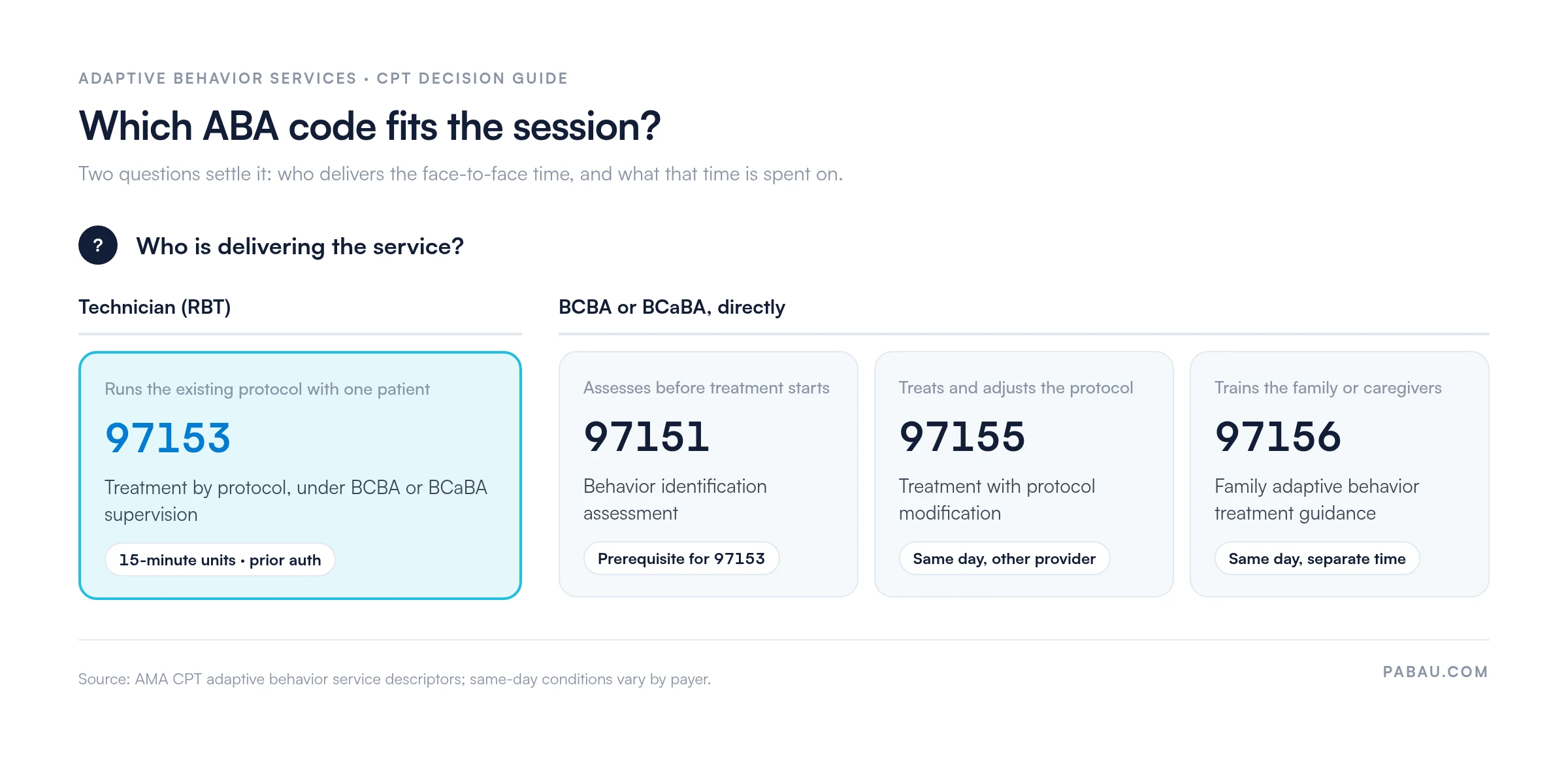
CPT 97153 covers technician-delivered treatment that follows an existing protocol. CPT 97155 covers adaptive behavior treatment delivered directly by the supervising analyst, including protocol modification. Billing one in place of the other is a frequent ABA claim error.
Both codes can appear on the same claim when the RBT delivers direct treatment (97153) and the BCBA bills separate time as 97155. That time may be spent with a different patient or in a supervision session. They cannot be billed by the same provider for the same patient at the same time.
CPT code 97153 sits within the 97151-97158 ABA code family introduced in 2019. Understanding how the codes relate prevents upcoding errors and missed billing opportunities.
Picking the right code in this family turns on two questions: who delivers the face-to-face time, and what that time is spent on. The guide below routes a session to its code.
Some ABA patients also have ADHD or another co-occurring behavioral condition. The diagnosis on each 97153 claim still has to meet the payer’s medical necessity criteria. Accurate ICD-10-CM coding keeps the claim aligned with the authorization on file. For more on how CPT codes are structured across behavioral health, see the AAPC’s CPT code reference tool.
Prior authorization is required for CPT code 97153 by virtually every payer type. Billing without an active authorization is one of the most common reasons ABA claims are denied.
Confirming insurance eligibility before each authorization period prevents billing for services the payer will not cover retroactively. Authorization requests should include:
A compliant CPT code 97153 session note must contain nine core elements. Omitting any one of them gives payers grounds for denial during a records request or post-payment audit.
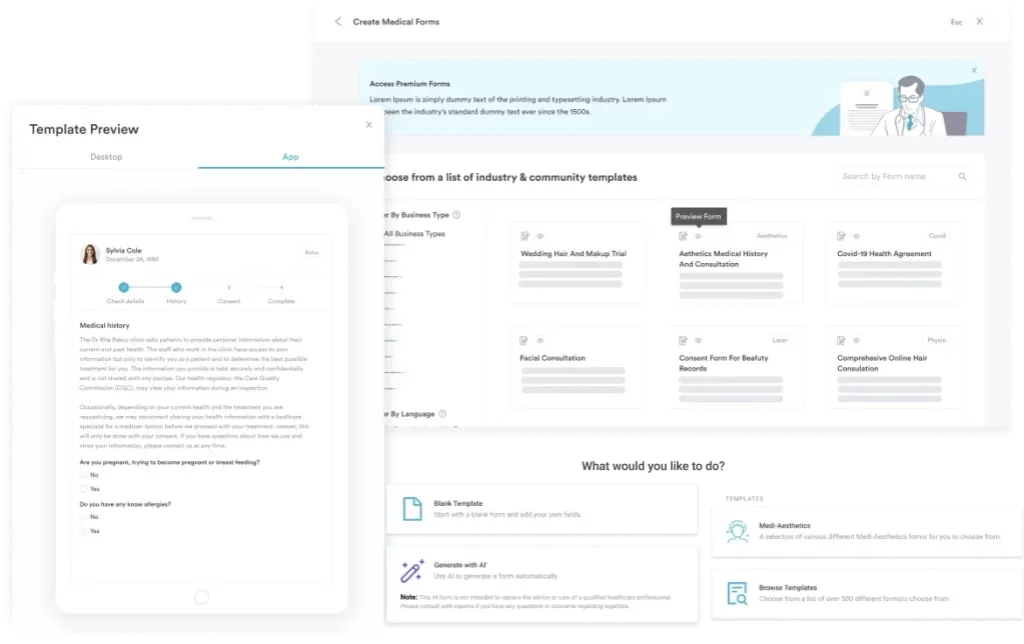
Digital session note forms that enforce required fields at the point of care keep incomplete documentation out of the billing queue. A superbill generated from the session record should carry all nine elements before the claim is submitted. Practices using integrated billing tools can route session data straight to claims, where clean-claim checks run before submission.
Run a weekly audit of your 97153 session notes before claim submission. Filter for any note missing a supervising BCBA name or patient response data. Payer audits flag these two elements most often. A fix before submission takes minutes, while a fix after a denial costs time, rebilling fees, and sometimes the payment itself.
CPT code 97153 reimbursement rates vary by payer, geographic location, and contract terms. The CMS Medicare Physician Fee Schedule (MPFS) sets the national benchmark rate, with geographic adjusters applied by locality. The CMS Physician Fee Schedule lookup tool returns the current national and locality-specific rate for 97153. Enter the code and your MAC jurisdiction to pull it.
State Medicaid rates for 97153 vary widely. California, New York, and Massachusetts tend to reimburse at higher rates than rural states. For current RVU values, FastRVU’s 2026 RVU lookup tool estimates the Medicare rate from 97153 and your MAC locality. Multiply that rate by expected weekly units to set realistic revenue expectations per patient.
CPT code 97153 claims are denied often because each one depends on layered documentation: an authorization, a supervision record, and a session note. Most denials fall into five categories, each with a specific resolution path.
Systematic denial management workflows catch these patterns before they become revenue leakage. A clearinghouse that validates CPT-ICD-10 pairing and payer-specific edits before transmission stops many of these errors at submission. That beats finding them on a remittance weeks later.
Yes, CPT code 97153 can be billed on the same date of service as several other ABA codes, but specific conditions govern each combination.
Bundling edits are payer-specific and updated periodically. Always verify same-day combinations against the payer’s current medical policy before building session schedules that rely on concurrent billing.
CPT code 97153 coverage rules differ meaningfully across payer categories. A policy detail that applies to one Medicaid managed care organization may not apply to the plan covering the patient in the next room.
Some payers cover telehealth delivery of CPT code 97153 for certain session types, but coverage is far from universal. Since the public health emergency ended, telehealth eligibility for ABA services varies significantly by state and plan. Verify telehealth coverage at the prior authorization stage instead of assuming it carries over.
Practices billing several payer types should keep a payer-specific policy log and update it at each renewal cycle. A changed unit cap or telehealth rule then surfaces before the next claim goes out.
Every 97153 claim ties back to a time-stamped, data-rich session record. That record has to match the authorization, the treatment plan, and the payer’s unit cap at the same time. When those sit in three separate systems, staff reconcile them by hand, and that is where denials tend to start.
Practice management software built for behavioral health workflows reduces that exposure by connecting session documentation to claim generation automatically. Key capabilities for 97153 billing include:
Pabau’s error-checking claims management software integrates with the Claim.MD clearinghouse. It supports electronic 837P claim submission and ERA reconciliation across 4,000+ US payers. Built-in CPT and ICD-10 catalogues flag errors before claims leave the practice.
Many ABA practices also run other mental health service lines. Keeping scheduling, notes, and billing on one platform prevents the documentation silos that drive denials on time-based codes.
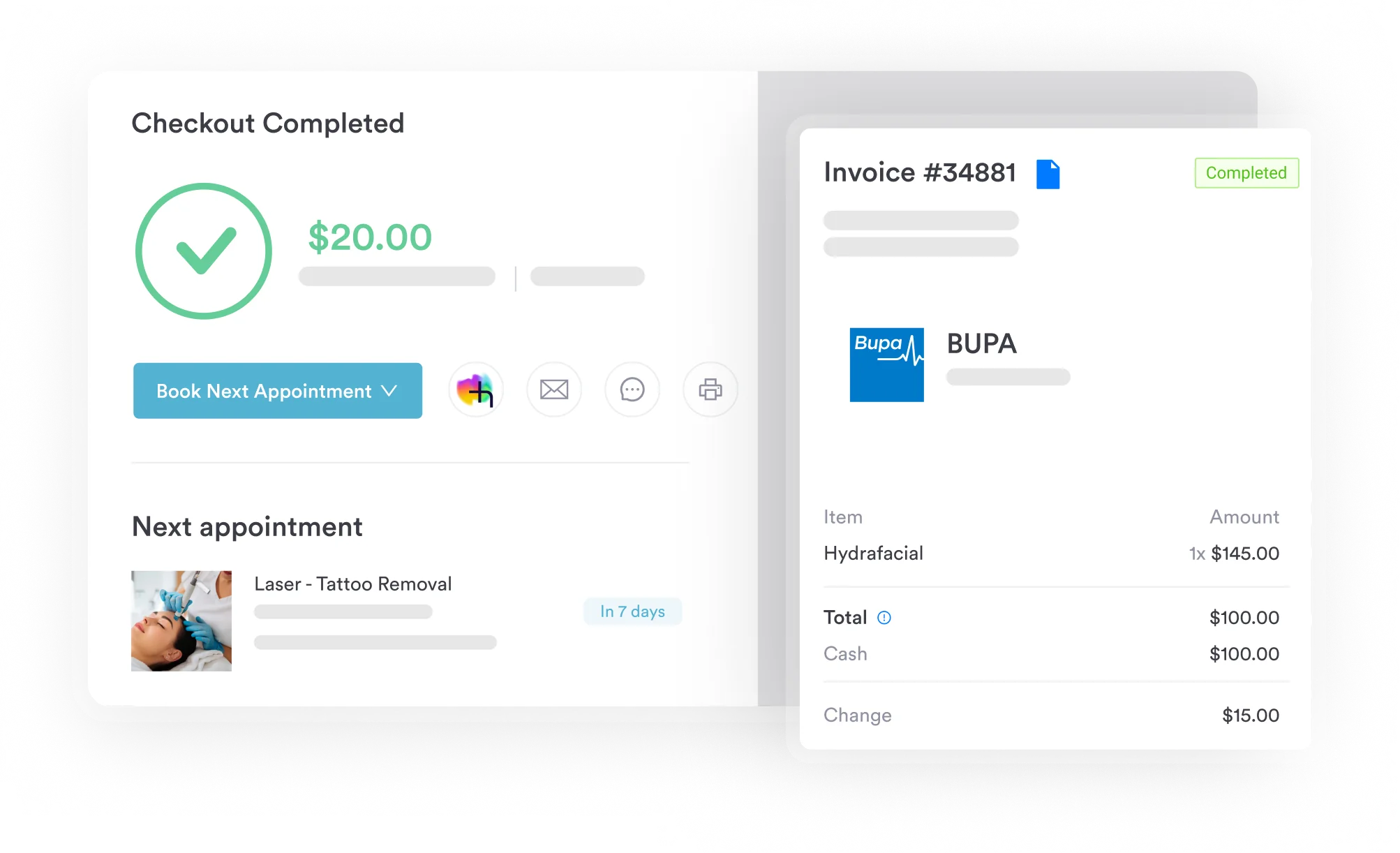
The outcome is fewer rejected 97153 claims, faster payment on authorized units, and a supervision record that stands up to a payer audit.

Pabau connects session documentation directly to claim submission, with built-in CPT code validation and denial tracking. Your ABA practice catches errors before they reach the payer.

Most CPT code 97153 denials trace back to the paperwork around the session. The usual culprits are an expired authorization, a note without the supervising BCBA, or a unit count that doesn’t match the clock.
Check those three points before each claim goes out. A weekly note audit and an authorization tracker take far less staff time than appealing denied units months later.
The trade-off is setup time, because session templates and payer unit rules have to be configured once. Book a demo to see how Pabau ties ABA session notes to clean, payable 97153 claims.

Need a framework for cleaner ABA claims? Claim.MD clearinghouse overview explains how electronic claim validation reduces ABA billing denials at the point of submission.
Working across multiple payers and diagnosis types? Denial codes in medical billing covers CARC and RARC code interpretation for faster denial resolution.
Credentialing your RBTs and BCBAs with insurers? How to get credentialed with insurance companies walks through the enrollment process for behavioral health providers.
Billing the assessment that comes first? CPT code 97151 explains the behavior identification assessment most payers require before 97153 treatment.
Running group ABA sessions? CPT code 97158 covers the group adaptive behavior treatment code and its unit limits.
CPT code 97153 covers adaptive behavior treatment by protocol, delivered face-to-face by a technician such as an RBT. The technician works under the direction of a BCBA or BCaBA, and time is billed in 15-minute units. It applies primarily to patients with autism spectrum disorder receiving ABA therapy.
The billing practice submits the 97153 claim, not the individual technician. The services are delivered by a Registered Behavior Technician or paraprofessional under a BCBA or BCaBA’s supervision. The supervising analyst must be enrolled with the payer and named in the session record.
Daily unit limits vary by payer. Most Medicaid managed care plans cap 97153 at 8 units (2 hours) per day. Some commercial insurers apply a weekly or monthly authorization cap instead. Always check the authorization letter for the controlling limit rather than applying a generic default.
CPT 97153 is for technician-delivered treatment following an existing protocol. CPT 97155 is for treatment delivered directly by a BCBA or BCaBA that includes protocol modification. The two codes can be billed on the same day when delivered by different providers in non-overlapping time periods.
Medicare rates for 97153 are set by the annual CMS Physician Fee Schedule and vary by geographic locality. Medicaid rates typically range from $8 to $15 per unit depending on the state, and commercial insurer rates are contract-specific. Use the CMS MPFS lookup tool to find the current rate for your MAC jurisdiction.
Coverage depends on the plan type. Medicare Advantage plans widely cover ABA services including 97153, but coverage under traditional Medicare fee-for-service is subject to evolving CMS guidance and may differ. Verify current coverage status with the patient’s specific plan before billing.
Five reasons account for most 97153 denials. They are no prior authorization on file (CO-15), missing BCBA supervision documentation (CO-4), and units over the authorized daily limit (CO-119). The other two are a diagnosis that doesn’t match the authorization (CO-11) and an incorrect place of service code (CO-5). Each has a specific corrective action and appeal path.