CPT Code 69610: Tympanic membrane patch repair (myringoplasty)
CPT code 69610: official descriptor and procedure overview CPT code 69610 descri...

Last Updated: Oct 19, 2026
A6400 is the CCSD code for repair of peripheral nerve. It covers neurorrhaphy, where a surgeon sutures the ends of a severed or disrupted nerve back together so axons can regrow across the repair. Epineural and fascicular repair both fall under it.
The code sits in Chapter 3 of the CCSD schedule, under peripheral nerves. Nerve grafting, neurolysis and intraoperative nerve monitoring are coded separately, so the operative note has to show a direct suture repair for A6400 to hold.
Let Pabau's smart automation suggest the right codes, reduce claim denials, and keep your practice compliant—effortlessly.
Automate repetitive tasks and focus on what matters most—your patients.
Reduce coding errors and ensure compliance with the latest regulations.
Clean claims, fewer denials, and faster reimbursements.
Powerful insights and reporting to help your practice thrive.
HIPAA compliant SOC 2 certified GDPR-compliant Trusted by 4,000+ clinics worldwide

CCSD Code A6400 covers direct suture repair of a severed or disrupted peripheral nerve, by epineural or fascicular neurorrhaphy.
Nerve grafting and neurolysis fall outside A6400 and carry their own codes. Mixing up A6400 and A6810 is the most common coding error here.
Most UK private insurers expect pre-authorization before elective nerve repair, and a missing authorization reference is a leading cause of denial.
The operative note must name the nerve, the repair technique and the intraoperative findings to meet insurer documentation requirements.
CCSD Code A6400 covers the surgical repair of a peripheral nerve. It restores continuity to a nerve trunk that has been severed, lacerated or otherwise disrupted. The procedure is neurorrhaphy, in which the surgeon brings the nerve ends together and sutures them so axons can regenerate across the repair site.
A6400 applies across a wide range of peripheral nerves. The nerves most often repaired under it are the digital nerves of the hand and the ulnar, median and radial nerves. The common peroneal nerve in the leg is another. The code isn’t tied to one anatomical site. It applies wherever a named peripheral nerve needs direct surgical repair.
Two primary repair techniques fall within the scope of A6400.
Both techniques are performed under loupe magnification or an operating microscope. The use of microsurgical instruments, nerve clamps, or fibrin glue as an adjunct to suture does not change the code. A6400 covers the repair itself, including wound preparation, nerve-end trimming to healthy fascicles, and closure of the surgical access incision.
Three procedure categories are explicitly outside the scope of A6400 and must be coded separately when they are performed.
When a surgeon performs both repair and neurolysis in one operative episode, check the current insurer schedule. It says whether both codes may be submitted or one subsumes the other. Policies vary between insurers and are updated periodically.
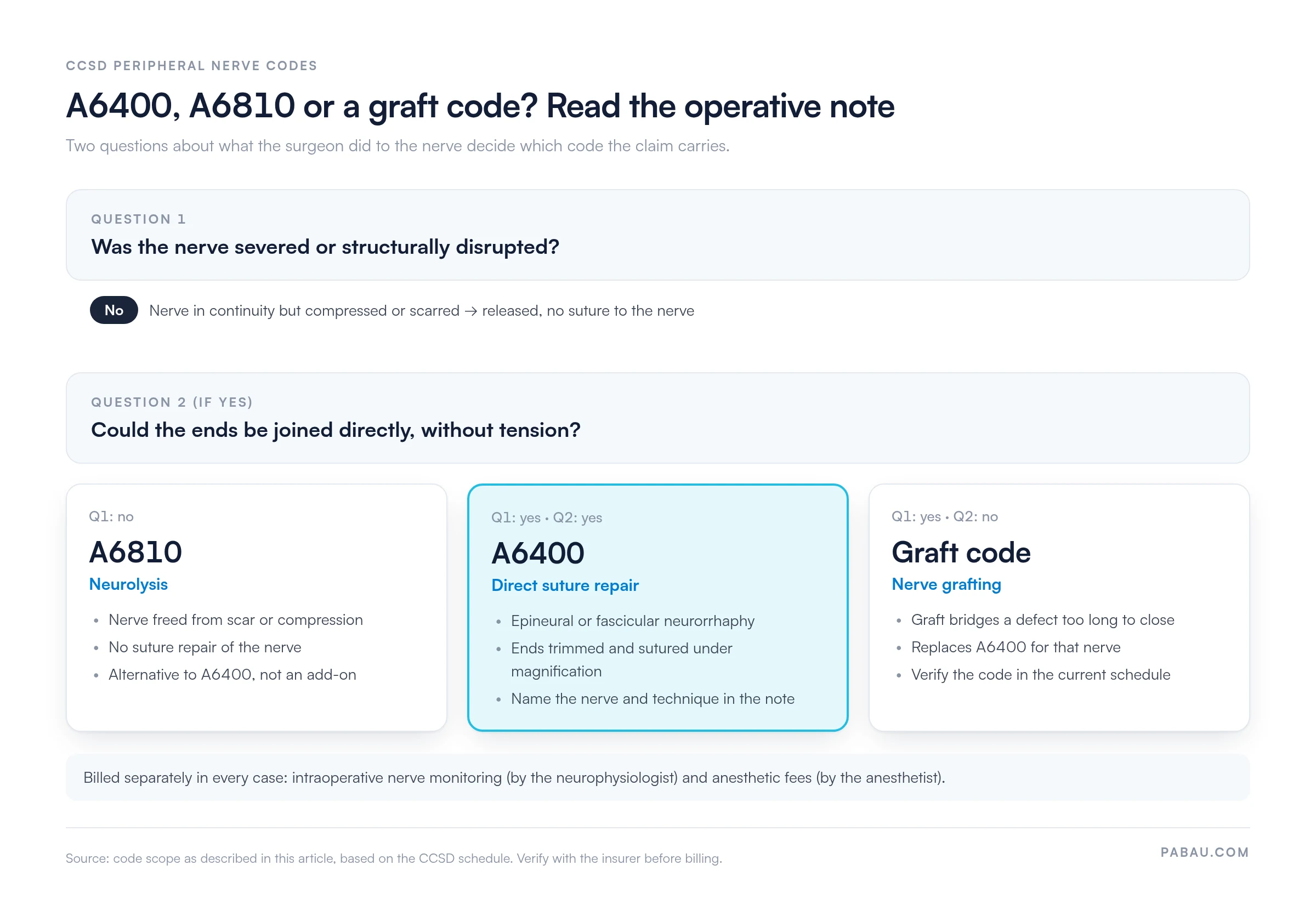
A6400 and A6810 are the two most frequently confused codes in the CCSD peripheral nerve section. The clinical distinction is clear. A6400 requires a structural repair of the nerve by suture. A6810 applies when the nerve is released from compression or internal scarring without suture repair.
The operative report is the deciding document. If the note describes lysis of adhesions around the ulnar nerve but no suture repair, A6810 is correct. If it describes transection of the nerve and end-to-end suture, A6400 is correct.
When both are performed on different nerves, check insurer rules on same-session dual coding. The diagram below maps each finding in the note to its code.
Several codes commonly appear in the same operative episode or patient pathway as A6400. Knowing when each is appropriate prevents both under-coding and unbundling errors. A benign nerve sheath tumor removed with the nerve left intact is billed under CCSD code A6110, not A6400.
When A6400 goes in alongside anesthetic or monitoring codes, each practitioner files their own claim. Bundling separate practitioners’ fees into one submission is a common administrative error that triggers insurer queries. The neighboring peripheral nerve codes, including the entrapment releases, are listed in our CCSD code library.
Site and surgical history separate the release codes from each other. A nerve freed at a superficial tunnel, rather than from scar, is coded A6700. When a nerve released once before becomes compressed again, the revision code A6900 applies.
Intent separates the diagnostic codes from the treatment codes. Where a nerve segment goes to histopathology and no repair is attempted, the claim is A7310.
A complete operative note is the single most important document for an A6400 claim. Insufficient documentation is consistently cited by UK private insurers as a leading reason for peripheral nerve repair claim rejection.
Thorough documentation across every surgical episode protects against retrospective audit as well as prospective denial. To support an A6400 submission, the operative note should contain each of the following elements.
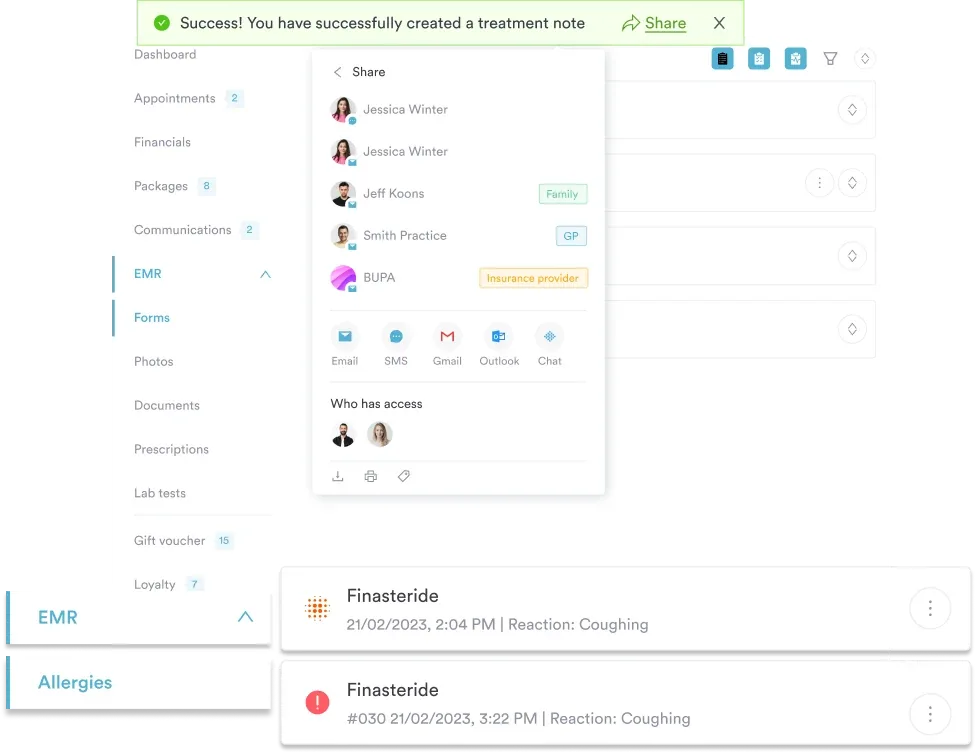
Clinical record software that timestamps operative entries and flags missing fields before a claim is generated helps here. Billing staff catch an unnamed nerve or a missing suture gauge at the point of care, not after submission.
Peripheral nerve repair is typically classed as elective or semi-elective surgery. Most major UK private medical insurers require pre-authorization before the procedure. Proceeding without it doesn’t necessarily void the claim, but it significantly raises the chance of delay, reduction or denial.
Requirements differ between insurers. Checking the Bupa procedure fee schedule and the equivalent schedules for other insurers before booking surgery tells admin staff whether authorization is mandatory. It also shows which clinical information the insurer needs to process the request.
Emergency peripheral nerve repairs, such as those required immediately following traumatic laceration, may be exempt from pre-authorization requirements. Confirm the emergency exemption terms with the specific insurer and document the clinical urgency in the notes to support retrospective approval. Always verify current insurer schedules, as pre-authorization policies are subject to change.
Understanding the pattern of A6400 denials helps billing staff address the most likely failure points before submission rather than in an appeal. Most denials for peripheral nerve repair fall into five categories.
When a claim is denied, request the specific denial reason in writing. Most UK insurers provide a reason code with the rejection notice. Match the reason code to the operative note, correct the specific deficiency, and resubmit with a covering letter addressing the denial.
A structured claim submission process for CCSD A6400 reduces the chance of avoidable denial. The steps below reflect best practice for nerve repair coding in UK private practice.
Set a 14-day internal deadline for completing operative notes after any A6400 procedure. Notes dictated weeks later tend to lose the details insurers query, such as gap length and suture gauge. Contemporaneous notes are also more likely to satisfy insurer documentation requests without supplementary letters.
Consultant surgeons billing A6400 in independent private practice face a set of administrative challenges distinct from NHS coding. Fee schedules, recognition requirements, and claim processes vary between the four major insurers and several smaller providers. A few practical habits reduce friction.
Maintain a procedure-specific coding reference. Keep a summary card or digital reference for the nerve repair code family: A6400 (direct repair), A6810 (neurolysis), and the current CCSD nerve graft code. Admin staff who check it before finalizing a claim are less likely to submit A6810 when A6400 is appropriate.
Coordinate anesthetic billing separately. The consultant surgeon and the anesthetist each submit their own claim. Including an anesthetic component in the A6400 submission leads to rejection or overpayment queries. Confirm with the anesthetist before submission that their billing is handled independently.
Understand insurer fee schedules for complex or outlier repairs. Some insurers allow enhanced fee submissions for unusually complex repairs, backed by clinical justification. Examples include multiple nerve repairs, prolonged operative time, or a secondary repair after a failed primary repair.
Consult the relevant insurer schedule, and send an outlier justification letter with the claim when the complexity is exceptional. The CCSD technical guide explains how complexity affects fee calculation.
Track your own coding patterns. A practice that reviews its A6400 acceptance and denial rates quarterly can spot systemic documentation or coding errors before they pile up. Automated workflows that trigger a documentation check before claim submission reduce preventable denials.
In many surgical practices, the operative note is dictated days later, the code is picked from memory and claims are chased from a spreadsheet. Each hand-off is another chance for an A6400 claim to come back with a query.
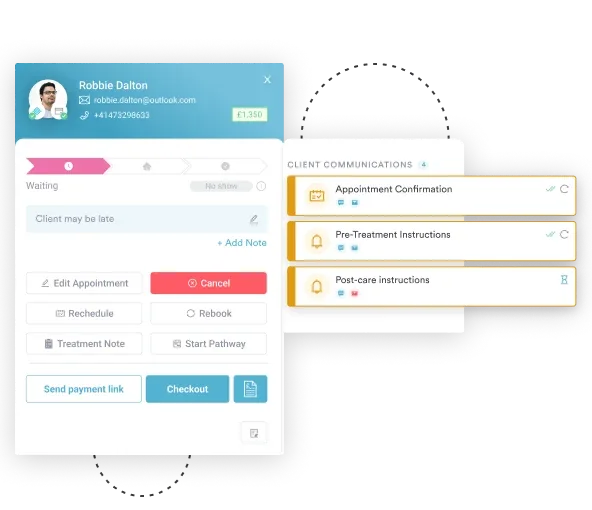
Pabau keeps those steps in one patient record. Digital operative forms with mandatory fields prompt the surgeon to record the nerve, the technique and the suture gauge before the note is saved. The pre-authorization reference sits in the same file, and the claim is tracked until the insurer pays.
The result is fewer insurer queries and faster payment for peripheral nerve repair cases. Your billing team spends its week on new claims rather than appeals.

Pabau keeps CCSD coding, operative notes and insurer claims in one place for consultant surgeons and their admin teams. Fewer claims come back with queries.

The operative note decides every A6400 claim. Read it before choosing between A6400, A6810 and a graft code. If it doesn’t name the nerve and the technique, send it back to the surgeon.
Pre-authorization is the other check worth making before the list is booked. Both checks cost a few minutes per case, while a denied claim can cost weeks of appeals.
Pabau’s claims management tools keep the note, the authorization and the claim in one record. Book a demo to see how that keeps peripheral nerve repair claims moving for your practice.

Coding a deeper entrapment release? CCSD code A6600 explains when release of a deeply placed peripheral nerve applies.
Submitting to Bupa? Bupa CCSD codes walks through how Bupa structures its schedule and submissions.
Checking what a procedure pays? Bupa procedure codes and fee schedule lists Bupa’s codes alongside their fee guidance.
CCSD Code A6400 covers surgical repair of a severed or significantly disrupted peripheral nerve by neurorrhaphy. Both epineural and fascicular suture techniques fall under it. It applies to the digital, ulnar, median, radial and common peroneal nerves, among others. Nerve grafting, neurolysis and intraoperative monitoring are excluded and coded separately.
A6400 applies when the surgeon sutures a severed or disrupted nerve to restore continuity. A6810 (neurolysis and transposition) applies when the nerve is intact but compressed or scarred, and surgery releases it without suturing the nerve itself. Check the operative note to confirm which procedure was performed before choosing between them.
Bupa, AXA Health, Aviva and Vitality Health all use the CCSD schedule for private surgical claims, including A6400. WPA, Healix, Allianz Care and Cigna UK also recognize CCSD codes. Acceptance of any code depends on the consultant’s recognition status and current schedule terms. Always verify with the individual insurer before treating.
You need a complete operative note. It should name the specific nerve repaired, the repair technique (epineural or fascicular) and the suture material. The claim also needs the ICD-10 diagnosis code, the pre-authorization reference and the consultant’s insurer recognition number. The diagnosis must describe a structural nerve injury, not a compressive or degenerative condition.
No. Nerve grafting replaces direct repair when the gap between nerve ends is too large for tension-free suture. For a single nerve, either A6400 or the applicable nerve graft code applies, not both. If direct repair and grafting are performed on different nerves in the same procedure, check the current CCSD schedule and the insurer’s unbundling rules.
The most common reasons are missing pre-authorization, A6810 submitted in place of A6400 (or the reverse), and thin operative notes. Diagnosis-procedure mismatches and incorrect unbundling of nerve graft codes are the other two. Checking the operative note against a documentation checklist before submission heads off most of these.