CPT Code 69610: Tympanic membrane patch repair (myringoplasty)
CPT code 69610: official descriptor and procedure overview CPT code 69610 descri...

Last Updated: Oct 19, 2026
A6900 is the CCSD code for revision of release of peripheral nerve. It covers a repeat operation on a nerve that was released before but has become compressed again. Scar tissue or an incomplete first release is the usual cause.
The code sits in Chapter 3 of the CCSD Schedule, under peripheral nerves, and insurer fee schedules grade it as a major procedure. Revision carpal tunnel and cubital tunnel releases are the operations most often billed under it. A first-time release takes a different code.
Let Pabau's smart automation suggest the right codes, reduce claim denials, and keep your practice compliant—effortlessly.
Automate repetitive tasks and focus on what matters most—your patients.
Reduce coding errors and ensure compliance with the latest regulations.
Clean claims, fewer denials, and faster reimbursements.
Powerful insights and reporting to help your practice thrive.
HIPAA compliant SOC 2 certified GDPR-compliant Trusted by 4,000+ clinics worldwide

CCSD Code A6900 covers revision of release of peripheral nerve. It’s the repeat operation used when an earlier nerve release has failed through scar tissue, fibrosis or incomplete decompression.
A6900 sits in Chapter 3 (spine, spinal cord and peripheral nerves) of the CCSD Schedule. Don’t confuse it with primary release or decompression-only codes.
Bupa, AXA Health and Vitality typically require pre-authorization for A6900. Expect to send the primary operative report, nerve conduction studies and a consultant referral.
Practice management software like Pabau keeps the authorization code, insurer details and claim status together, so an A6900 claim goes out complete.
CCSD Code A6900 is defined as revision of release of peripheral nerve. That’s the official descriptor used across UK private insurer fee schedules that adopt the CCSD Schedule. It covers a repeat operation on a nerve that was released before but has become compressed again.
The code sits in Chapter 3 of the CCSD Schedule, which covers the spine, spinal cord and peripheral nerves. Insurer fee schedules place it in the major complexity band. Chapter 3 groups codes by anatomical system rather than surgical approach. So A6900 applies whichever peripheral nerve is being revised, in either limb.
There’s no separate A6900 variant for upper-limb and lower-limb nerves. The same code covers a revision carpal tunnel release at the wrist and a revision cubital tunnel decompression at the elbow.
The A-prefix signals a surgical procedure within the CCSD structure. According to the CCSD Technical Guide (October 2025), the schedule organizes codes by anatomical chapter and uses alpha-prefixes to denote the clinical domain.
Surgical billing teams in plastic surgery and neurosurgery will find A6900 next to primary release, decompression-only and neurolysis codes. Each serves a different clinical purpose and carries a different fee. Our CCSD guides for surgeons cover many of those neighboring codes one at a time.
A revision of release of peripheral nerve is a second or later operation on a nerve that was decompressed before but didn’t give lasting relief. The most common cause is perineural fibrosis. Scar tissue forms around the nerve after the first release, compressing it again and bringing the original symptoms back.
Other indications include:
The nerves most often revised in UK private practice are the median nerve at the wrist and the ulnar nerve at the elbow. These are revision carpal tunnel and revision cubital tunnel releases.
Both share the defining feature of A6900. The surgeon works through previously disturbed tissue and has to find the nerve within scar. They then perform an external neurolysis, freeing the nerve from surrounding fibrosis, or an internal neurolysis, dividing scar inside the nerve sheath. Some cases add transposition of the nerve to a new position.
That complexity separates A6900 from a primary release. A primary operation approaches the nerve through undisturbed tissue. A revision works in a field where scar has erased the normal tissue planes, so the nerve faces a much higher risk of iatrogenic injury.
Insurers therefore treat the revision code as a distinct, higher-acuity procedure. It needs separate authorization and thorough documentation.
The operative note for a revision has to show how it differs from a primary release. Surgeons typically start with an incision that follows or extends the original scar. They then dissect carefully through fibrotic tissue to reach the nerve.
Intraoperative findings usually recorded include the degree and extent of perineural fibrosis and whether the nerve is adherent to nearby structures. The condition of the nerve fascicles is noted too.
The operative steps for a revision release commonly follow this sequence:
Intraoperative nerve monitoring may be used, particularly for complex or multi-level revisions, to confirm the nerve still functions after neurolysis. Record its use in the operative note. It can support the complexity claim if the insurer disputes it.
Knowing what A6900 does and doesn’t include prevents the two most common coding errors. The first is applying A6900 to a primary release, which has its own code. The second is bundling separately billable procedures into a single A6900 line.
Bupa’s CCSD code schedule and the wider Chapter 3 list contain several peripheral nerve codes that coders regularly confuse with A6900. Picking the wrong one is a leading cause of denial for revision nerve procedures. The table below maps the key adjacent codes to the clinical scenarios that decide between them.
Confirm the exact adjacent-code numbers against the current CCSD Schedule, because numbers can change in annual revisions. One neighbor worth knowing by number is A6810, neurolysis and transposition of peripheral nerve. It’s the usual code for a first anterior transposition of the ulnar nerve at the elbow. A transposition done during a revision stays under A6900.
A6400 covers a nerve that has been severed and sutured back together. Where a first release frees a nerve trapped at a superficial tunnel, A6700 is the code to submit.
The clinical scenario decides the code, not the number alone. If the patient has had no prior surgery at the nerve site, A6900 doesn’t apply. The decision path below takes the three questions in the order a coder should ask them.
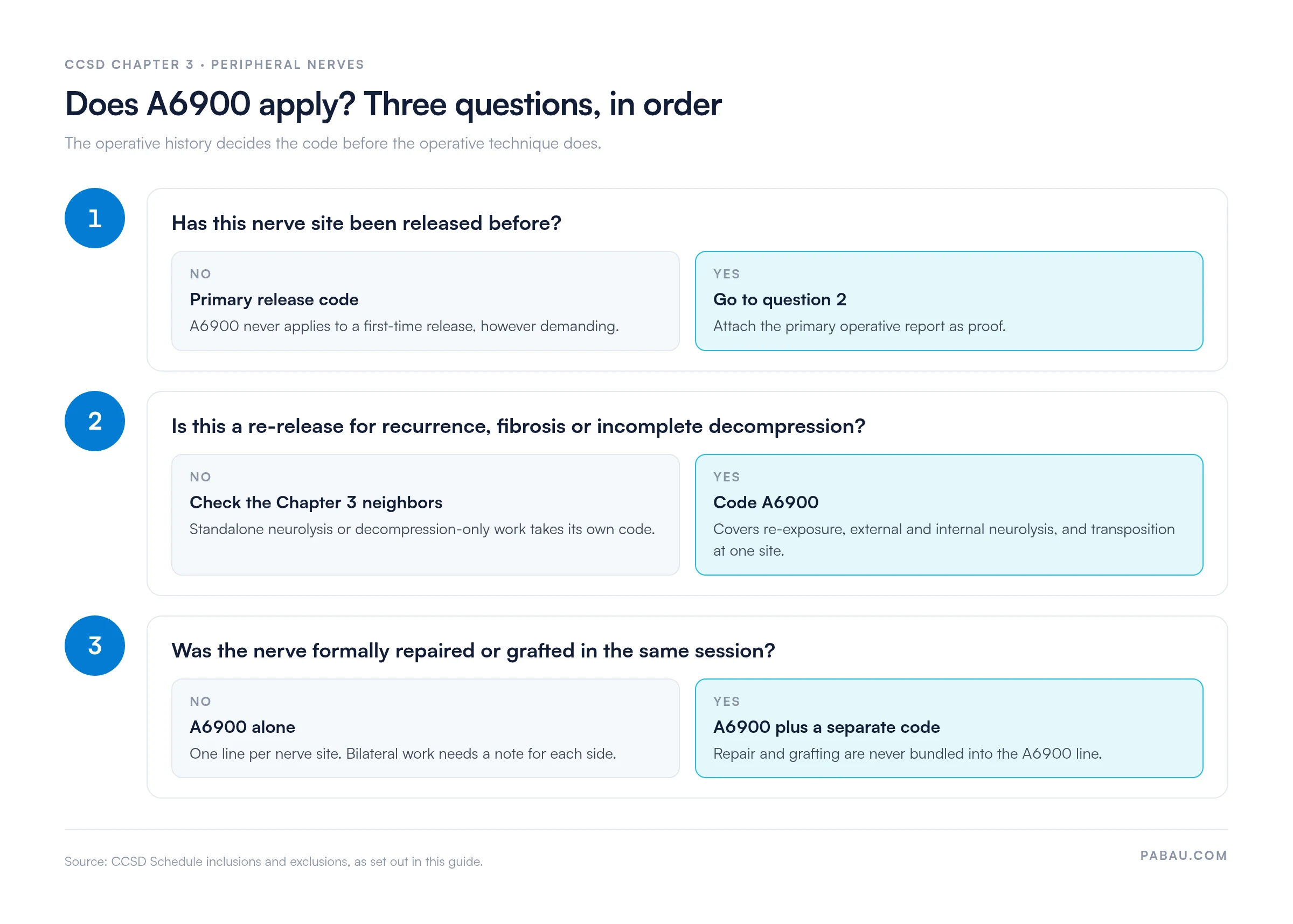
Documentation for a revision peripheral nerve claim is more demanding than for a primary release. The insurer needs to confirm the operation is a revision and not a miscoded first-time procedure. So keep the operative records from both the primary and the revision procedure.
The operative note for an A6900 claim needs all six elements below to pass first-line review at major UK private insurers.
An operative note template that includes these six elements reduces the risk of a missing field. Before submitting an A6900 claim, the billing team should confirm all six are present in the attached documentation.
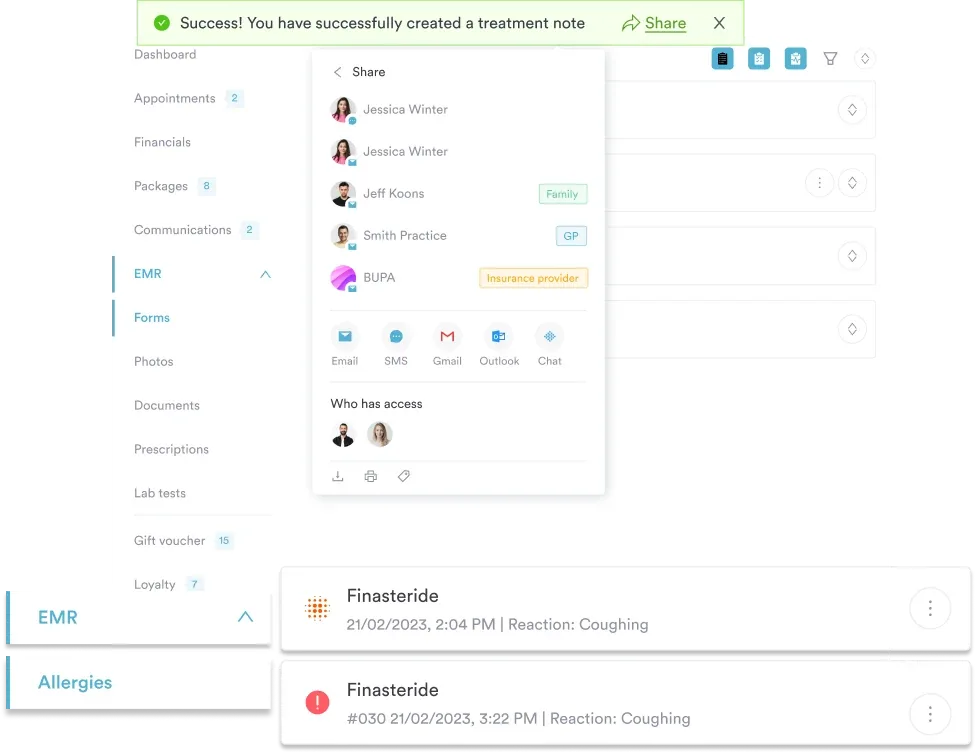
Before submitting an A6900 claim, run a documentation checklist: confirmed prior procedure date, named nerve, fibrosis findings, technique used, and nerve condition at closure. Claims missing any of these routinely attract additional information requests from Bupa, AXA Health, and Vitality reviewers, adding weeks to the payment cycle.
UK private insurers uniformly require pre-authorization for A6900 before the procedure takes place. Practices billing for neurosurgical consultants should build that step into scheduling for every revision nerve release booking.
A claim without pre-authorization is one of the simplest denials and one of the hardest to recover. Most insurers decline retrospective authorization requests for surgical procedures.
The clinical evidence package that major insurers typically expect before authorizing A6900 includes the following:
Individual insurer requirements vary. Bupa’s procedure code portal and AXA Health’s specialist procedure codes platform both let practices check current pre-authorization thresholds for specific CCSD codes.
Requirements can change between policy years, so verify the current position with each insurer rather than relying on last year’s guidance. Record the date you last checked alongside each pre-auth request, so an outdated checklist is easy to spot.
Track each A6900 pre-authorization request by logging the insurer, the authorization reference number and the expiry date. Most UK private insurers authorize surgical procedures for a fixed period, typically three to six months. Operating outside that window and then submitting a claim is a straightforward denial that practice software can prevent.
Claim denials for A6900 in UK private practice follow predictable patterns. Knowing the specific triggers lets billing teams fix them before submission rather than after rejection. Keeping the claim documentation in one place is what separates a clean first submission from a long appeals process.
Bilateral revision nerve release is clinically uncommon but does happen. That’s A6900 on the same named nerve on both sides in one session, such as a bilateral revision carpal tunnel release. When it does, follow each insurer’s bilateral billing rules rather than assuming one approach applies everywhere.
Most UK private insurers reduce the second-side fee when the same surgical code is submitted bilaterally on the same date. The most common approach is a 50% reduction on the lower-value procedure. Percentages vary by insurer, so confirm them against each payer’s current fee schedule.
The Vitality Health fee finder lets practices check applicable bilateral rules for CCSD codes by plan type.
For multiple procedure billing, these principles generally apply to A6900. Verify each one with the insurer before submission:
Billing an A6900 claim means keeping three things lined up: the pre-authorization code, the operative evidence and the claim’s progress with the insurer. When those live in email threads, insurer portals and a spreadsheet, a claim can go out incomplete or sit unpaid unnoticed.
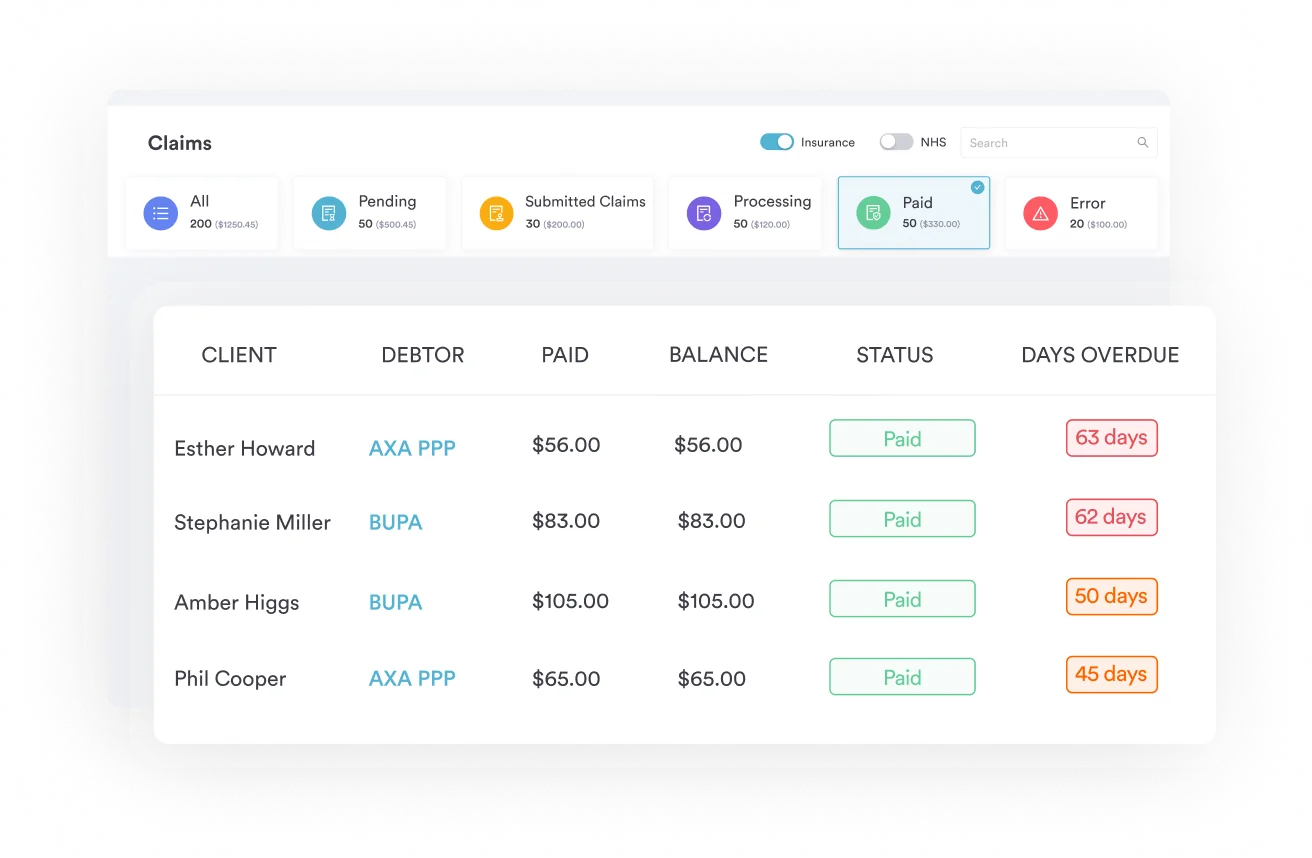
Practice management software like Pabau brings those pieces into one place. Pabau’s claims management software pulls patient, insurer, policy and membership details into each claim, along with the authorization code. Validation checks confirm the membership number and authorization code are in place before the claim is sent.
UK practices can submit claims directly through the Healthcode integration, or by email from the platform. Insurer-specific price lists hold each payer’s A6900 fee, so the invoice matches the schedule the claim is paid against.
Evidence from the patient helps too. Pabau’s digital forms let the practice build its own pre-appointment questionnaire from a blank template. It can ask when and where the primary release took place, and the completed form lands in the patient record.
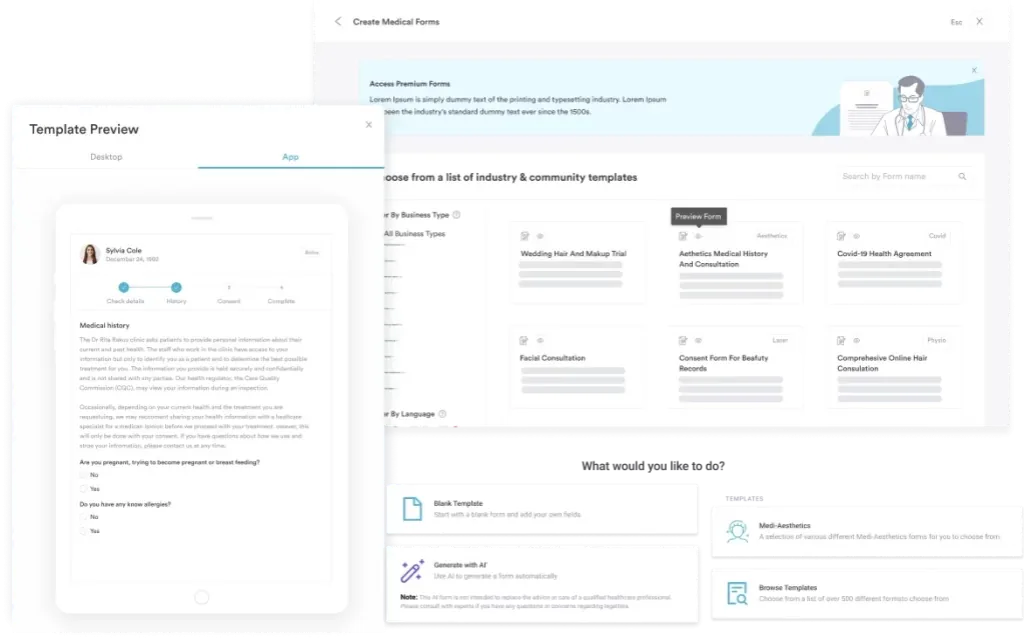

Pabau keeps authorization codes, insurer details and claim status together, so A6900 claims go out complete and nobody chases them by spreadsheet.

A6900 claims are mostly won or lost before the operation. Confirm the prior release, secure pre-authorization and plan the six operative-note elements before the patient is booked. Do that, and the claim rarely needs a second look.
The trade-off is time up front. Chasing a primary operative report from another hospital can hold up the booking by weeks. That delay still costs less than a denied revision claim that most insurers won’t authorize retrospectively.
Book a demo to see how Pabau keeps authorization codes, insurer details and claim status together for every CCSD claim your practice submits.

Need a complete reference for Bupa CCSD code submissions? Bupa CCSD codes covers Bupa’s procedure code structure, submission requirements and fee schedule rules.
Billing another Chapter 3 nerve procedure? CCSD Code A3300 explains the billing rules for implanting a neurostimulator to a cranial nerve.
Working through a rejected claim? Denial codes in medical billing breaks down common denial codes and the fix for each.
CCSD Code A6900 is the billing code for revision of release of peripheral nerve. It covers a repeat operation on a nerve that was decompressed before but has recurrent or persistent symptoms. Common causes are scar tissue, fibrosis or an incomplete first decompression. It applies to any named peripheral nerve and doesn’t vary by anatomical site.
A primary nerve release is a first-time decompression performed in undisturbed tissue. A revision of release (A6900) is a second or later operation at the same nerve site. It works through scarred tissue to treat recurrent compression, perineural fibrosis or an inadequate first decompression. The revision is technically more demanding and carries a higher risk of iatrogenic nerve injury.
Yes, A6900 requires pre-authorization from all major UK private insurers, including Bupa, AXA Health and Vitality, before the procedure. The package typically includes the primary operative report, nerve conduction studies and consultant referral documentation. Some insurers also want evidence of failed conservative management.
The most common denial reasons for A6900 are missing pre-authorization and no documentary evidence of the prior nerve release. Incomplete operative notes lacking fibrosis findings or technique also trigger denials. So does bilateral coding without site-specific documentation for each side, or bundling nerve repair or grafting into the A6900 line.
Yes, A6900 can be billed alongside other CCSD codes where distinct procedures are performed at separate anatomical sites in the same session. Each additional procedure needs its own operative documentation and typically attracts a secondary procedure reduction. Nerve repair or grafting at the same site must be coded separately, not bundled into A6900.
A6900 describes a revision, meaning the patient has had a prior nerve release at that site. A peripheral nerve decompression code covers the first-time procedure in undisturbed tissue. Applying A6900 to a first-time decompression is a miscoding error. It will typically lead to claim denial or post-payment audit recovery.