CPT Code 69610: Tympanic membrane patch repair (myringoplasty)
CPT code 69610: official descriptor and procedure overview CPT code 69610 descri...

Last Updated: Oct 19, 2026
A6710 is the CCSD code for cubital tunnel release (open) (without transposition). It covers decompression of the ulnar nerve at the elbow through an open incision, with the nerve left in its groove behind the medial epicondyle.
The code applies only when both qualifiers hold. An endoscopic release is A6740, and a release that moves the nerve anteriorly is A6810. A6710 sits in chapter 3 of the CCSD schedule, under peripheral nerves, at intermediate complexity.
Let Pabau's smart automation suggest the right codes, reduce claim denials, and keep your practice compliant—effortlessly.
Automate repetitive tasks and focus on what matters most—your patients.
Reduce coding errors and ensure compliance with the latest regulations.
Clean claims, fewer denials, and faster reimbursements.
Powerful insights and reporting to help your practice thrive.
HIPAA compliant SOC 2 certified GDPR-compliant Trusted by 4,000+ clinics worldwide

CCSD code A6710 covers open cubital tunnel release only when the ulnar nerve is not transposed. Endoscopic release is A6740, and transposition is A6810.
The operative note must state that the approach was open and that transposition was not carried out. A missing statement gives the payer grounds to deny.
Bupa, AXA Health, Aviva and other UK private insurers expect pre-authorization before elective nerve surgery. A missing pre-auth reference is the most common reason for non-payment.
Pair A6710 with a laterality-specific ICD-10 code, G56.21 or G56.22, so the diagnosis confirms which elbow was operated on.
CCSD code A6710 covers open cubital tunnel release performed without ulnar nerve transposition. It sits in chapter 3 of the CCSD schedule, under peripheral nerves, at intermediate complexity.
The CCSD schedule is the coding framework UK private medical insurance (PMI) payers use to classify and reimburse surgical procedures. Bupa, AXA Health, Aviva and Freedom Health Insurance all work from it.
Three conditions must all be true for A6710 to apply:
If any one of them fails, a different code applies. A release at a different superficial tunnel, such as the tarsal tunnel, is coded A6700 instead.
The cubital tunnel is the fibro-osseous channel the ulnar nerve passes through, behind the medial epicondyle of the humerus. Compression here causes cubital tunnel syndrome. Patients report tingling and numbness in the ring and little fingers, hand weakness and, in advanced cases, permanent nerve damage.
Open release divides the Osborne band and any constricting fascia over the nerve. That lowers the pressure inside the canal without relocating the nerve.
Open cubital tunnel release is usually performed under general or regional anesthesia as a same-day procedure. The operative sequence matters for billing, because the documentation of each step is what separates a paid A6710 claim from a rejected one.
The phrase “without transposition” is part of the A6710 descriptor, so it defines the code. It separates A6710 from transposition procedures and from A6740, the endoscopic release. Surgeons should record the transposition decision at the time of dictation, not afterwards.
A6710 is appropriate once conservative management has failed and the surgeon judges an open release without transposition to be the right technique. UK private insurers generally want documented evidence of that failure before they approve elective nerve surgery. Surgeons used to the NHS pathway often find this step less familiar.
The clinical criteria that typically support an A6710 indication are:
Each insurer sets its own medical necessity criteria and updates them periodically. Confirm the current criteria with the patient’s insurer before you submit.
The most consequential code choice in cubital tunnel billing is A6710 or A6740. A6740 is the CCSD code for endoscopic cubital tunnel release. Submitting one when the operation used the other approach is miscoding. Payers check the approach in the clinical record against the submitted code and deny the claim when they conflict.
The decision comes down to the operative note. A standard longitudinal incision, direct-vision decompression and no nerve mobilization beyond the groove all point to A6710. The guide to Bupa CCSD codes shows how one major insurer maps peripheral nerve codes to its schedule.
A6710 sits in a family of cubital tunnel and peripheral nerve decompression codes. Payers routinely catch a wrong sibling code during clinical record review, so work through the three questions below before you pick one.
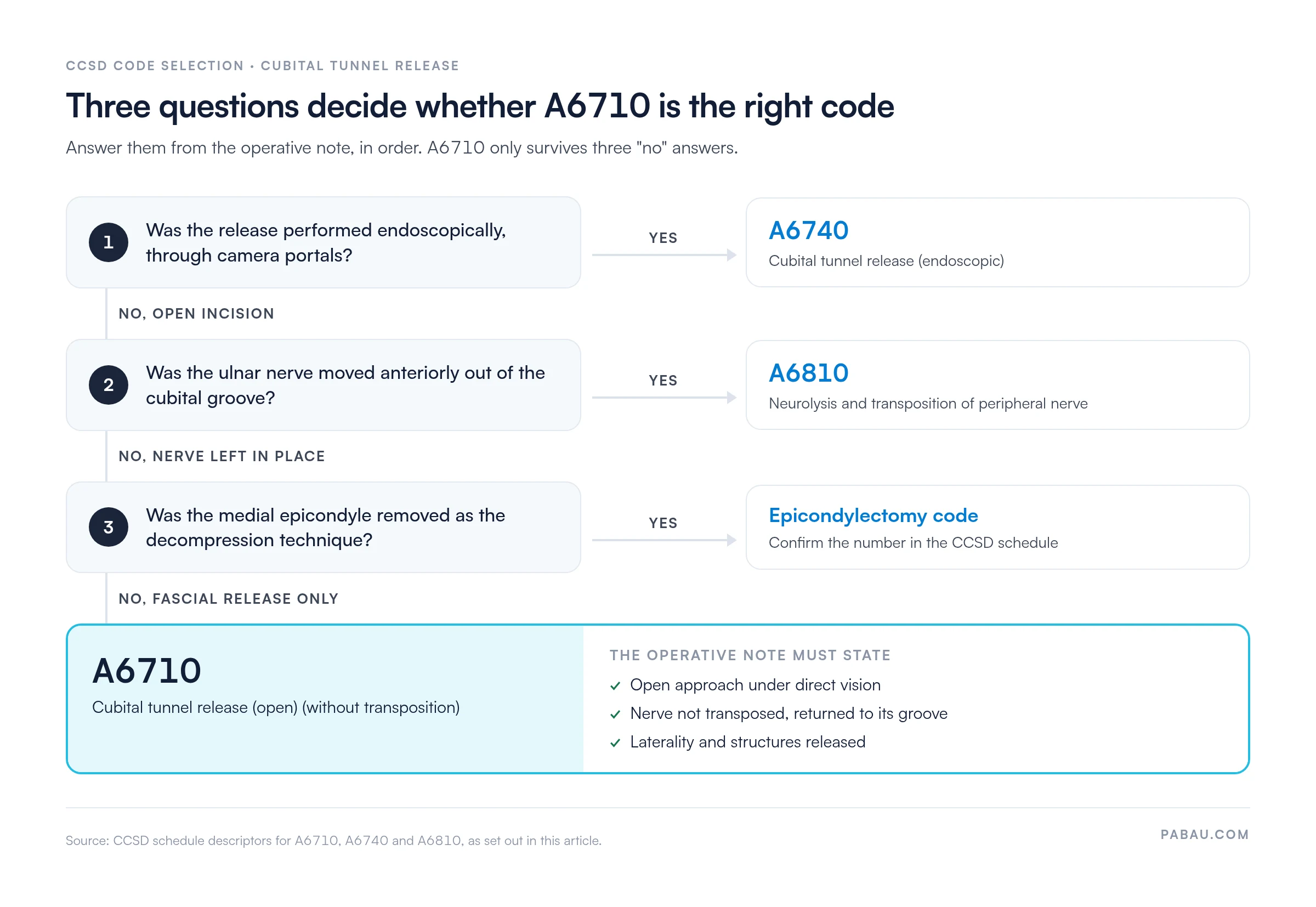
Check the epicondylectomy code number against the current CCSD schedule, because its chapters are updated periodically. Our CCSD code library covers the other peripheral nerve codes in chapter 3.
A6710 and the related codes above describe a nerve freed from compression but not divided. If the operative note records a peripheral nerve divided to treat a neuroma, the code is A6030.
A6710 is defined by what the surgeon did not do. There was no endoscope and no transposition.
Major UK PMI payers treat cubital tunnel release as elective surgery that needs pre-authorization before it goes ahead. A claim without a valid pre-authorization (pre-auth) reference from the insurer is the most common reason these claims go unpaid. That holds even when the procedure is straightforward and the coding is correct.
Insurers typically ask for the documents below with a pre-auth request. Requirements vary and change, so confirm them with Bupa’s code portal, AXA Health’s specialist procedure portal or the relevant payer before you submit.
Aviva publishes its fee schedule for surgical procedures, and Freedom Health Insurance sets its own pre-auth requirements. Confirm the current pre-auth pathway for peripheral nerve procedures with each insurer before booking surgery.
Every A6710 claim needs an ICD-10 diagnostic code that reflects the confirmed clinical diagnosis. UK private insurers use it to verify medical necessity, so the diagnosis must logically call for the billed procedure. A mismatch between the ICD-10 code and the CCSD code is a routine denial trigger.
Payers generally prefer laterality-specific codes, G56.21 or G56.22, over unspecified variants because they confirm which limb was operated on. The ICD-10 code must match the documented diagnosis, not the procedure performed. The NHS Digital clinical coding guidance covers ICD-10 code selection in a UK context.
The operative note is the primary audit document for any A6710 claim, and payers reviewing a queried claim ask for it first. A correctly performed A6710 procedure is still denied if the note fails to confirm that the approach was open and the nerve was not transposed.
The checklist below sets out what the operative record has to contain for a clean A6710 claim in UK private surgical practice.
Structured digital forms make it easier to capture these elements the same way every time. That matters most for the approach and transposition statements, which dictated notes leave out more often than any other element.
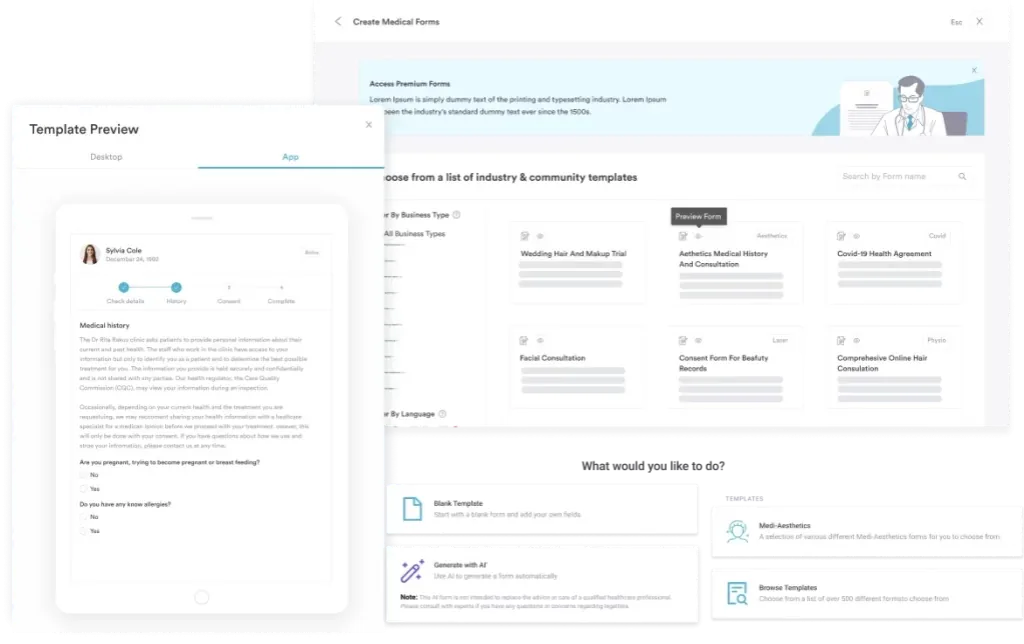
Build a structured A6710 operative note template with mandatory fields for approach type, transposition status, laterality and structures released. A free-text dictated note that omits any one of them lets the payer request more information, delaying payment by weeks.
A6710 denials fall into six predictable categories. Billing teams using claims software for surgeons can audit each submission against them before it goes out.
Two questions come up often when billing open cubital tunnel release. Can the anesthetist’s fee be claimed separately, and does an assistant surgeon attract an extra fee? Both answers depend on CCSD conventions and each payer’s rules.
The anesthetist submits their own CCSD-coded claim directly to the insurer, using the anesthesia code for the procedure’s duration and complexity. The two claims go in independently, and the surgeon never claims the anesthetic fee under A6710.
Most UK PMI payers pay an assistant surgeon a percentage of the main procedure fee, typically 20 to 33%. That depends on the payer’s schedule and usually requires the operative note to name the assistant and confirm their role.
An assistant fee isn’t automatic. Some payers want notice in advance that an assistant will be present, and others only allow it for defined procedure categories. Confirm the rules with each insurer before the operating date.
Most UK private surgical claims are submitted electronically through Healthcode, the clearing platform most PMI payers use. Following the same six steps for every CCSD peripheral nerve claim keeps submissions consistent.
Most A6710 denials start with paperwork kept in different places. The pre-auth reference sits in an email, the operative note in a dictation file, and the claim in a separate billing tool.
Practice management software like Pabau keeps those pieces on one patient record. You record the insurer’s pre-auth number against the booking and build the operative note from a template with required fields. The insurer invoice is then raised from the same file.
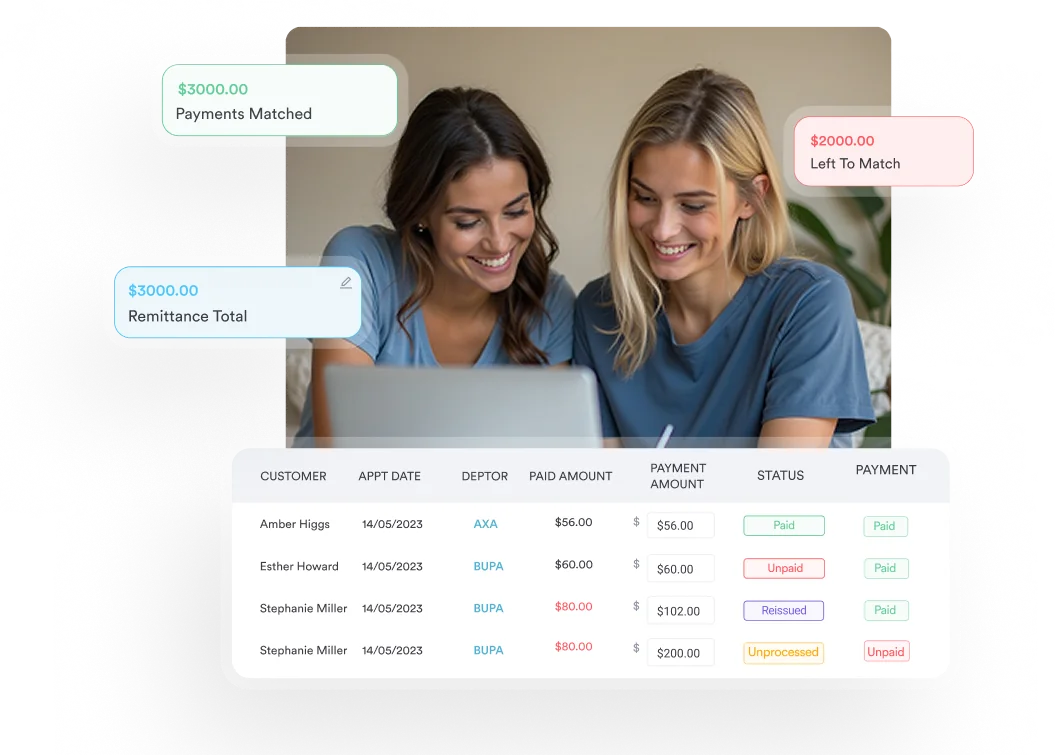
When remittances come back, Pabau matches each payment to its invoice. Your billing team can see which A6710 claims are paid, unpaid or reissued without chasing insurers one by one.

Pabau helps UK private practices track insurer pre-authorization references, structure operative notes and submit CCSD-coded claims with less admin.

Code A6710 only after the operative note rules out an endoscope, a transposition and an epicondylectomy. If the note is silent on any of the three, fix the note before the claim leaves the practice.
The trade-off is a few extra lines of dictation per case against weeks of queried payments. A structured template makes those lines automatic, and a pre-auth check before booking removes the most common reason for non-payment.
Book a demo to see how Pabau keeps pre-auth references, operative notes and CCSD claims on one patient record for your surgical practice.

Coding the endoscopic version instead? CCSD code A6740 covers endoscopic cubital tunnel release and how it differs from the open approach.
Did the surgeon transpose the nerve? CCSD code A6810 explains the neurolysis and transposition code and what the note must record.
Need Bupa’s fee for a procedure code? Bupa fee schedule lists Bupa’s procedure codes alongside the fees it pays for each one.
CCSD code A6710 covers open cubital tunnel release without ulnar nerve transposition. The surgeon decompresses the ulnar nerve at the elbow through an open incision under direct vision. The constricting fascia is released, and the nerve goes back into the cubital groove without being moved anteriorly.
A6710 covers open cubital tunnel release, and A6740 covers the endoscopic equivalent. Submit A6710 only when the operative note confirms a longitudinal open incision with direct-vision decompression. Submit A6740 only when it confirms an endoscopic approach through portals. Billing the wrong code for the documented technique is miscoding and will be denied on audit.
No. “Without transposition” is part of the A6710 descriptor, so transposition is excluded by definition. If the ulnar nerve was moved anteriorly, the procedure is coded as A6810 and A6710 cannot be submitted.
Yes. Most major UK PMI payers, including Bupa and AXA Health, require pre-authorization before open cubital tunnel release. The request typically needs a consultant assessment report, nerve conduction results, evidence of failed conservative management and the proposed procedure code. Claims without a valid pre-auth reference are routinely not paid.
The best fit is G56.21 (lesion of ulnar nerve, right upper limb) or G56.22 (lesion of ulnar nerve, left upper limb). Pick the one for the operated arm. G56.20 is acceptable when laterality can’t be confirmed, but payers prefer laterality-specific codes. The diagnosis code must match the documented diagnosis, not the procedure.
The note must state that the approach was open, not endoscopic, and that the ulnar nerve was not transposed. It should also record the structures released, laterality, anesthetic type and post-operative plan. If either key statement is missing, the payer can request more information or deny the claim pending review.