CPT Code 72193: CT Pelvis With Contrast Billing Guide
CPT code 72193: Official descriptor and procedure overview CPT code 72193 descri...

Last Updated: Nov 13, 2026

CCSD Code 0007G is a procedure code within the Clinical Coding and Schedule Development (CCSD) Schedule used for private healthcare billing in the UK
Each CCSD code carries an official description and unit value; insurers including Bupa, AXA Health, and Vitality reference these codes when processing claims
Submitting a claim with the wrong code description or missing supporting documentation is the most common reason private healthcare claims are rejected or queried
Pabau’s claims management software helps private clinics track CCSD-coded invoices, reducing manual cross-referencing against insurer fee schedules
Private healthcare billing in the UK runs on a single shared language: the CCSD Schedule.
Without the right code on an invoice, insurers cannot process it, consultants do not get paid, and patients face unexpected billing delays. CCSD Code 0007G is one of the procedure codes that private practitioners, billing staff, and clinic managers need to understand before submitting claims to major UK insurers.
This reference guide covers the official description, unit value, insurer acceptance, and billing workflow for CCSD Code 0007G. It also flags the most common billing errors that lead to claim rejections, based on how the CCSD Schedule is structured and how major insurers apply its rules.
CCSD Code 0007G sits within the Clinical Coding and Schedule Development (CCSD) Schedule, the standardised procedure code framework used across UK private healthcare. CCSD stands for Clinical Coding and Schedule Development, a group that maintains the schedule in collaboration with medical insurers, hospital groups, and clinical associations.
Every code in the CCSD Schedule carries three core data fields: a unique code identifier, an official clinical description, and a unit value. The unit value is a numeric figure that insurers use to calculate the applicable fee according to their own fee schedules. Because each insurer sets its own conversion rate, the unit value does not translate directly to a pound amount. It functions as a reference point, not a fixed price.
CCSD Code 0007G is categorised in the early numeric section of the schedule, which covers general assessment and consultation procedures. The specific clinical description and current unit value for 0007G are maintained on the official CCSD schedule. Practitioners should verify the current description and unit value directly from the schedule before submitting claims, as the CCSD group periodically updates codes to reflect advances in clinical practice.
Understanding what each field means helps billing staff submit accurate claims the first time. The table below outlines the standard fields associated with any CCSD procedure code.
Major UK private health insurers reference the CCSD Schedule when processing claims from recognised practitioners. CCSD Code 0007G, like all codes in the schedule, is used across the main insurer networks. However, acceptance and fee rates vary by insurer and policy year. Practitioners should always verify current fee details directly through each insurer’s portal.
The table below summarises the major UK insurers that use CCSD codes and the tools available for verifying fee details.
Insurer recognition is a prerequisite for reimbursement. A practitioner without formal recognition from the relevant insurer cannot submit CCSD-coded claims on that network, regardless of whether the code itself is valid. Clinics that handle private practice management across multiple insurers need a reliable system for tracking which practitioners hold recognition on which networks.
Before submitting a claim for CCSD Code 0007G, verify the current unit value directly on the CCSD official schedule at ccsd.org.uk. Unit values are updated periodically and insurer fee rates change annually. Submitting a claim based on an outdated fee schedule is one of the most avoidable causes of underpayment.
Billing with any CCSD code follows a defined workflow. The steps below reflect the standard process for submitting a private healthcare claim using CCSD Code 0007G. Each step is a point where errors can occur, so following the sequence reduces the risk of claim rejection or delay.
Several recurring errors lead to CCSD claim rejections and queries. Knowing them in advance is simpler than correcting them after submission. For clinics managing the transition from NHS to private practice, these mistakes are especially common in the first 12 months of billing privately.

Pabau helps private clinics manage CCSD-coded invoices, track claim statuses, and reduce manual cross-referencing against insurer fee schedules. See how it works for your practice.

Most billing errors in private healthcare happen between the clinical encounter and the submitted invoice. A clinician sees a patient, delivers the service, documents the notes, and then a billing staff member separately looks up the code, finds the unit value, checks the insurer portal, and constructs the invoice. Each handoff is a point where something can go wrong.
Pabau’s claims management software brings these steps into a single workflow. Billing codes can be linked to treatment records, invoices generated from the clinical notes, and claim statuses tracked from submission through to payment. For clinics billing across multiple insurers, this removes the reliance on spreadsheets and manual cross-referencing.
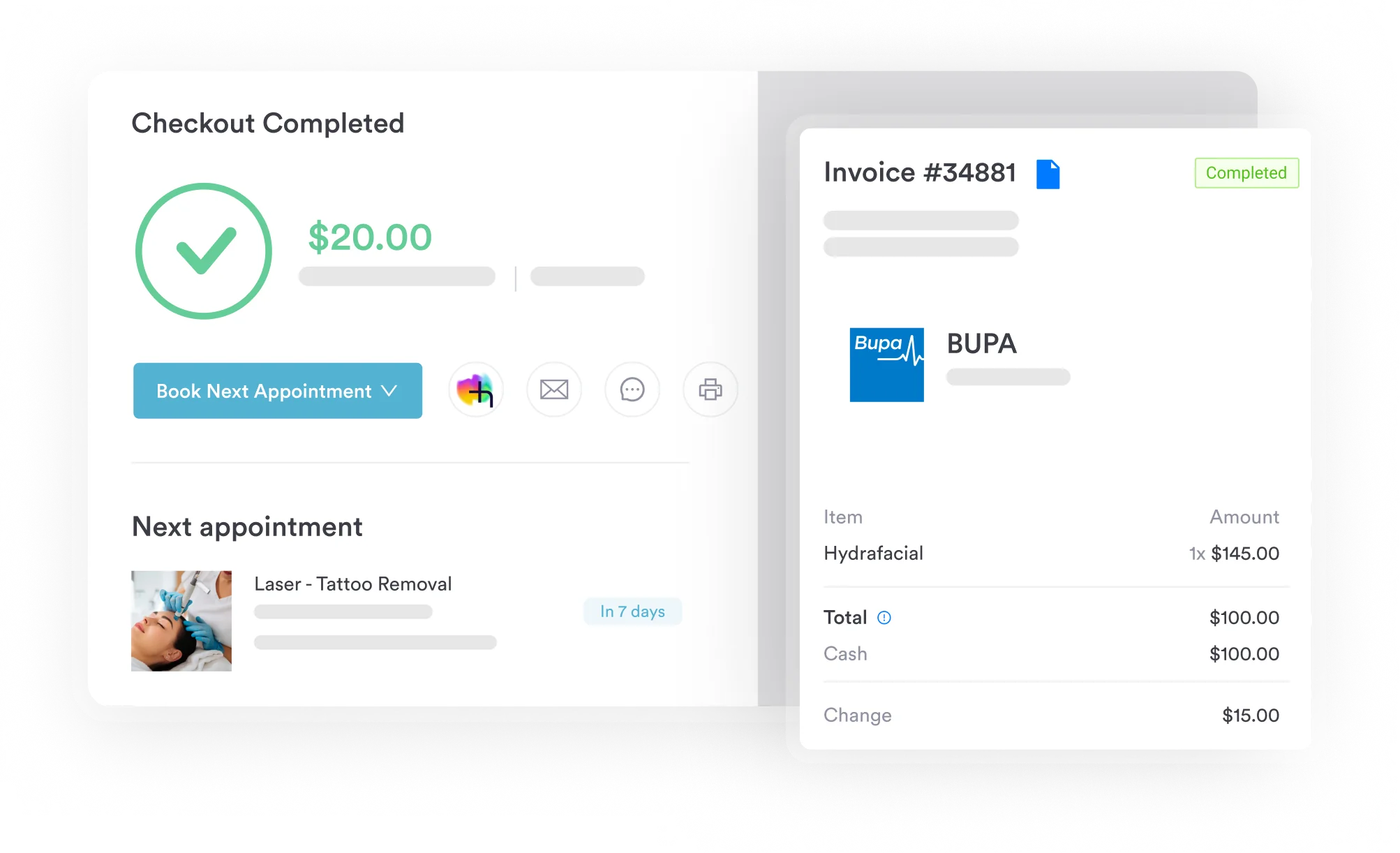
Private practice operators managing time-saving features in private practice often find that billing is the area where the most administrative time is lost. Reducing that time starts with having all the billing information in one place, connected to the patient record and the treatment delivered.
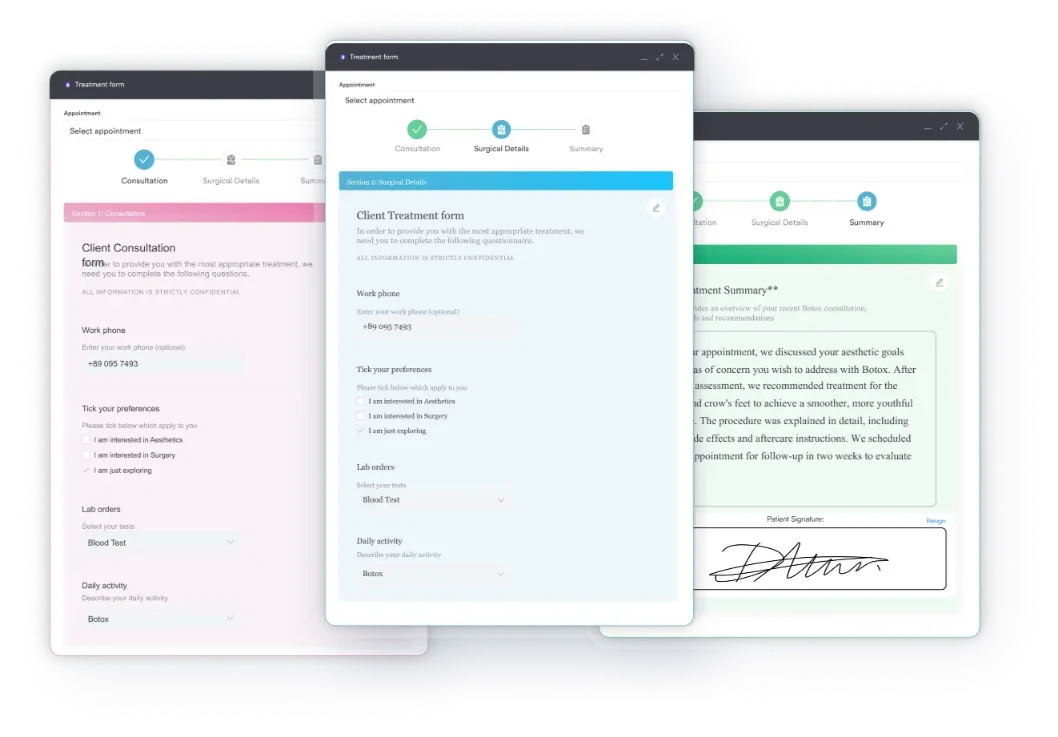
The digital forms module also supports documentation accuracy. When consent forms and clinical intake records are completed digitally before the appointment, the billing team has a clear documented basis for the code submitted, reducing the risk of a code-notes mismatch during an insurer audit.
For clinics holding CQC registration, Pabau’s compliance tools support the documentation standards expected during inspection. The Care Quality Commission expects private providers to maintain accurate clinical records, and well-documented billing records form part of that picture. Pabau also supports multi-location clinics, so practices with more than one site can manage CCSD billing across all locations from a single platform.
The CCSD technical guide sets out the business rules for how codes should be applied, including guidance on unbundling, sequencing, and co-billing procedures. Understanding these rules is as important as knowing the code itself.
The schedule is maintained by the CCSD group, a body that brings together representatives from the medical profession, hospital groups, and the private medical insurance industry. Codes are reviewed and updated periodically to reflect new clinical procedures, changes in clinical practice, and insurer requirements. New codes are added and occasionally retired codes are removed.
For UK private practitioners navigating compliance requirements across specialties, keeping the CCSD Schedule current is an ongoing operational task, not a one-time setup. Clinics that bill frequently should review their code reference materials at least annually, and ideally at the start of each insurer’s fee schedule year.
The Bupa procedure codes fee schedule is one of the most widely referenced insurer schedules in UK private practice. Understanding how Bupa applies CCSD codes, including how unit values translate to actual fees, is useful context for any practitioner billing on the Bupa network alongside other insurers.
Private clinics that are growing their insurer panel often find that the relationship between private and NHS care creates additional billing complexity. Patients may move between funded pathways, and understanding which code applies in a private-only context is essential for clean claims.
Private healthcare billing accuracy depends on getting three things right: the correct CCSD code, documentation that supports it, and submission to an insurer where the practitioner holds recognition. CCSD Code 0007G follows the same rules as every other code in the schedule.
Pabau’s claims management tools help private clinics connect clinical documentation to billing workflows, track CCSD-coded invoices, and reduce the manual effort of cross-referencing insurer fee schedules. To see how it works in practice, book a demo.

Managing Bupa claims across your clinic? Bupa CCSD codes guide covers the full list of accepted codes, recognition requirements, and how to look up current Bupa fees.
Thinking about leaving the NHS for private practice? Leaving the NHS for private practice covers the compliance, billing, and operational setup steps for making the switch.
Need to reduce time spent on admin? Features that save private practices time outlines the specific tools that help clinics reduce billing and scheduling overhead.
CCSD Code 0007G is a procedure code in the Clinical Coding and Schedule Development (CCSD) Schedule, the standardised billing framework used across UK private healthcare. Each CCSD code carries an official description and unit value that insurers use when calculating reimbursement for recognised practitioners. The specific description and current unit value for 0007G should be verified directly on the official CCSD schedule at ccsd.org.uk, as codes are updated periodically.
CCSD stands for Clinical Coding and Schedule Development. The CCSD group maintains the standardised procedure code schedule used by private health insurers, hospital groups, and consultants across the UK for billing and reimbursement purposes.
Major UK private health insurers including Bupa, AXA Health, Vitality Health, Aviva, and WPA all reference the CCSD Schedule when processing claims. Acceptance of CCSD Code 0007G depends on the practitioner holding active recognition with the relevant insurer and the patient’s policy covering the procedure. Verify current fee details through each insurer’s provider portal before submitting.
To bill using CCSD Code 0007G, confirm practitioner recognition with the patient’s insurer, check whether pre-authorisation is required, document the clinical encounter fully, prepare an invoice with the exact code and description, and submit through the insurer’s preferred claims channel. Track the claim status and respond promptly to any queries to avoid payment delays.
The unit value is a numeric reference figure in the CCSD Schedule. Each insurer applies its own conversion rate to the unit value when calculating the fee payable for a procedure. This means the actual pound amount reimbursed by Bupa for CCSD Code 0007G may differ from the amount paid by AXA Health or Vitality for the same code. Always check the relevant insurer’s current fee schedule for the actual reimbursement amount.
Yes, both Bupa and AXA Health use the CCSD Schedule as the basis for their procedure code frameworks. Practitioners can verify how each insurer applies CCSD Code 0007G, including any applicable fee or authorisation requirements, through the Bupa code search portal and the AXA Health specialist forms portal.