









The anger scale questionnaire for emotional insight
Download your free anger scale questionnaire A standardized assessment tool desi...

July 1, 2026


HCPCS code J1559 describes Injection, immune globulin (Hizentra), 100 mg, a subcutaneous formulation billed per 100 mg unit.
CMS has classified J1559 as a single-dose container code, making JW and JZ wastage modifiers applicable when a vial is not fully used.
J1559 falls under HCPCS Level II, Drugs Administered Other than Oral Method, and requires ICD-10-CM diagnosis codes confirming medical necessity.
Pabau’s claims management tools help infusion and immunology practices capture J1559 charges accurately and reduce claim denials.
HCPCS code J1559 is one of the most commonly billed subcutaneous immune globulin codes in infusion therapy practices, yet claim errors around unit counting, modifier selection, and documentation continue to drive denials. Practices that administer Hizentra regularly face audits linked to incomplete modifier use and mismatched diagnosis codes. This guide covers everything billing teams and practice managers need to submit clean J1559 claims, from code description and Medicare coverage to JW/JZ modifier rules, NDC crosswalks, and related immune globulin codes.
HCPCS code J1559 has a single, precise descriptor: Injection, immune globulin (Hizentra), 100 mg. It represents one unit of Hizentra, the subcutaneous human immunoglobulin manufactured by CSL Behring. Because Hizentra is administered subcutaneously rather than intravenously, it sits in a distinct clinical and billing category from most other immune globulin products.
Hizentra is FDA-approved for primary immunodeficiency (PI) and chronic inflammatory demyelinating polyneuropathy (CIDP). Both indications require strong documentation at the claim level: the ICD-10-CM diagnosis code selected must reflect the specific condition treated and be drawn from the current-year code book. CMS Medicare Coverage Database Article A57778 confirms this requirement directly, noting that providers must select codes carried to the highest level of specificity appropriate to the year the service is rendered.
Within the HCPCS Level II classification system, J1559 belongs to the J-code series (drugs administered other than by oral method). This category covers biologics, infused drugs, and injectable therapies reimbursed under Medicare Part B through the buy-and-bill model. Practices purchase Hizentra directly, administer it, and then bill CMS or a commercial payer using J1559 at the number of units reflecting the total milligrams given.
Selecting the wrong immune globulin code is one of the fastest routes to a claim denial. The table below maps J1559 against the most frequently encountered related codes so billing teams can verify correct selection before submission.
The key distinction between J1559 and the IV formulations above is the route of administration. J1559 and J1558 are strictly subcutaneous products; billing them under a code associated with an IV formulation, or vice versa, constitutes a coding error that can trigger an audit. Always confirm the NDC on the administered vial before selecting the J-code.
Accurate unit calculation is where most J1559 billing errors originate. Each unit of J1559 equals 100 mg of Hizentra. If a patient receives 4,000 mg in a session, the claim should reflect 40 units of J1559. Billing fewer units than administered understates the claim; billing more is an overpayment. Practices using claims management software that captures dosage at the point of care reduce the risk of transcription errors between the clinical record and the superbill.
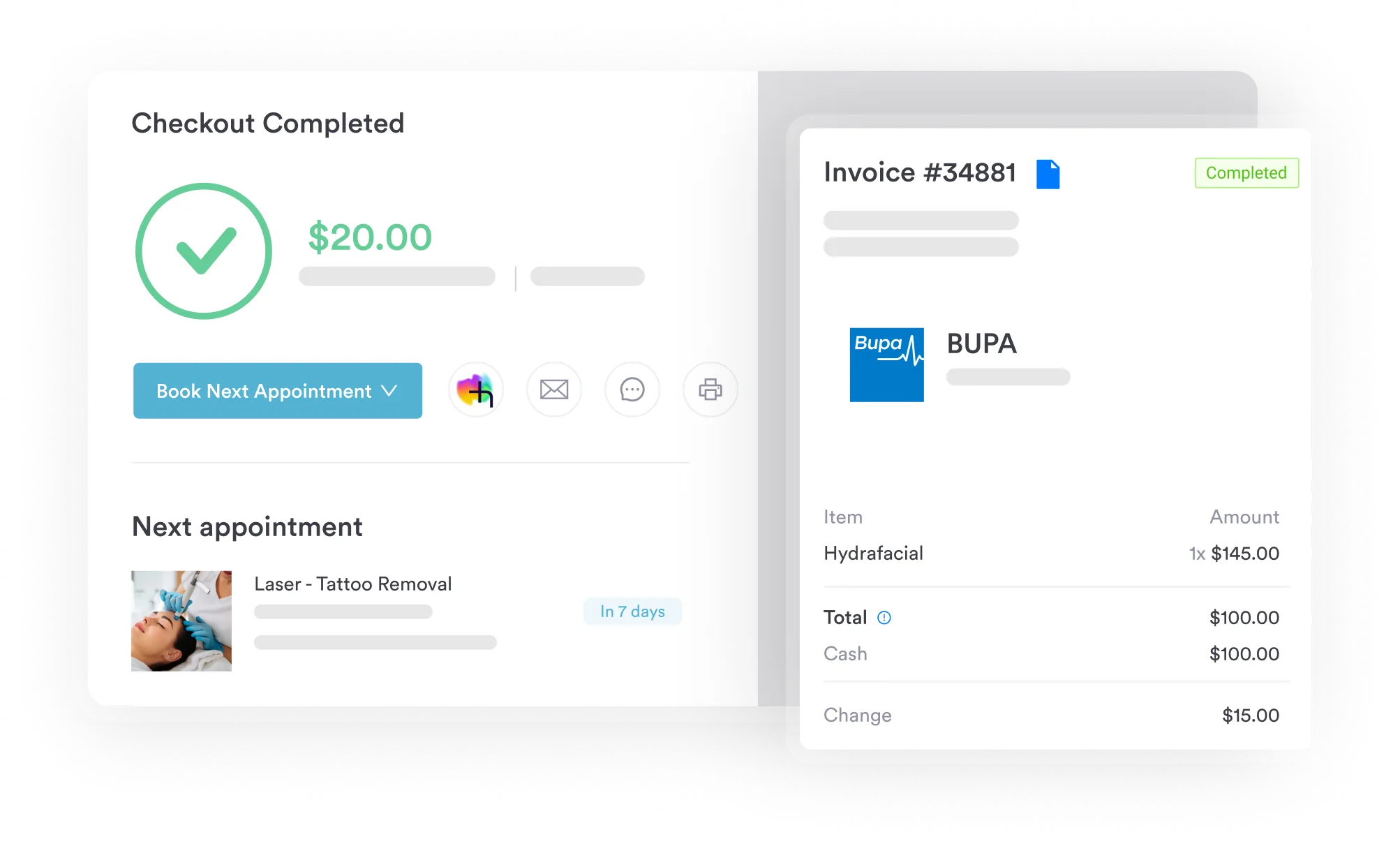
The buy-and-bill model means the practice acquires Hizentra from a specialty pharmacy or distributor and bills CMS at the applicable Medicare reimbursement rate after administration. Because Hizentra carries a significant per-unit cost, accurate charge capture is directly tied to practice revenue. Missing even a small number of units per patient encounter adds up to material revenue leakage over a quarter.
Coverage under Medicare Part B requires that the claim include a supporting ICD-10-CM diagnosis code confirming medical necessity. Common codes for Hizentra administration include D83.9 (common variable immunodeficiency, unspecified) for primary immunodeficiency patients and G61.81 (chronic inflammatory demyelinating polyneuropathy) for CIDP patients. Carriers may apply Local Coverage Determinations that list additional covered diagnoses, so reviewing the applicable MAC LCD before claim submission is essential.
CMS has classified J1559 (Hizentra) as a single-dose container code, confirmed in the CMS JW/JZ Modifier Policy HCPCS Codes document. This classification makes both the JW and JZ modifiers applicable whenever the practice administers Hizentra from a single-dose vial.
The modifiers work as follows:
Hizentra vials are available in multiple fill sizes. Because actual patient dosing is weight-based and protocol-driven, the amount of drug remaining after administration will vary by encounter. Practices that track vial opening and residual waste in the patient chart on the day of service will find it far easier to justify modifier decisions during an audit than those who reconstruct waste data retrospectively.
Novitas Solutions, one of the Medicare Administrative Contractors, maintains a documentation checklist for IVIg and subcutaneous immune globulin services. While Novitas focuses its published checklist on certain IV codes, the modifier logic and documentation expectations apply equally to subcutaneous formulations like J1559. Practices billing in Novitas jurisdictions (Medicare J-L) should review the Novitas IVIg documentation checklist to confirm their documentation templates meet MAC expectations.

Pabau helps infusion and immunology practices capture J-code charges at the point of care, apply the right modifiers, and submit clean claims the first time.

National Drug Codes (NDCs) identify the specific manufacturer, product, and packaging configuration of a drug. When billing J1559, many payers require the 11-digit NDC to appear on the claim alongside the HCPCS code. Hizentra is available in multiple vial sizes (1 g, 2 g, 4 g, 10 g, and 20 g), each carrying a distinct NDC.
NDC-to-HCPCS crosswalk resources, including NDCList.com, confirm the mapping between individual Hizentra NDC numbers and J1559. Because NDC assignments can change when a manufacturer updates packaging, practices should verify the NDC-to-J-code mapping at the time of service rather than relying on a static internal reference that may be months out of date.
On the claim itself, the NDC is typically entered in the shaded line immediately above the HCPCS code field on the CMS-1500 form, or in the appropriate EDI loop for electronic submissions. The units reported alongside the NDC must reflect the actual milligrams administered, converted to the NDC unit of measure (typically mL).
Documentation requirements for a clean J1559 claim include:
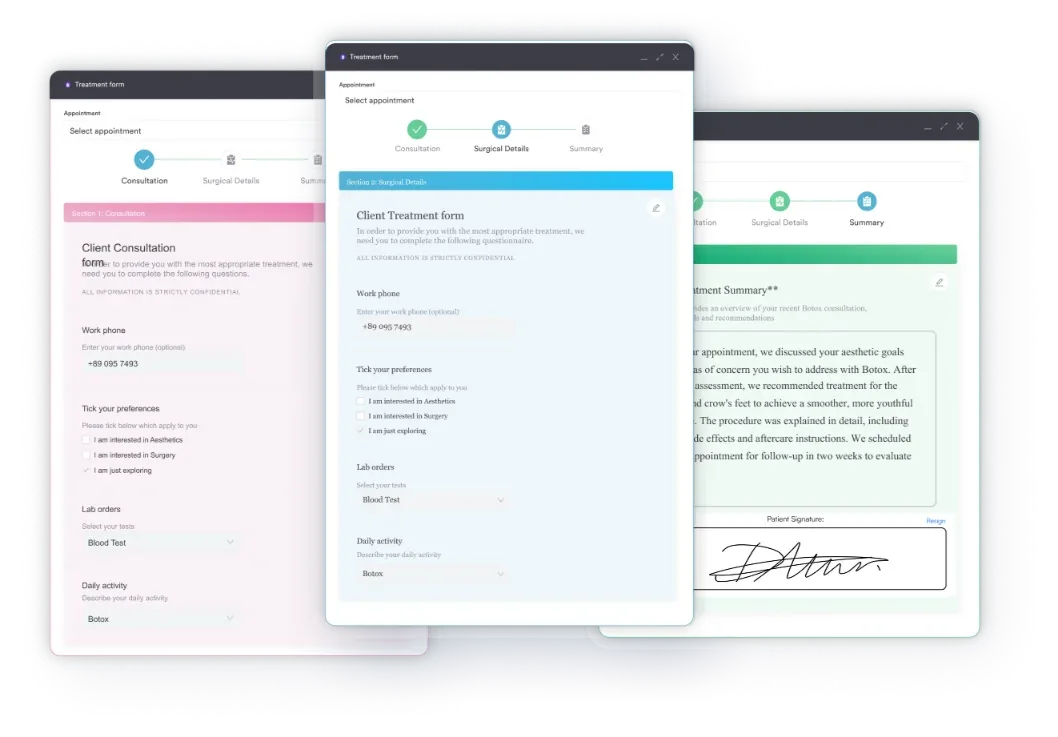
Practices that use digital intake and clinical forms within their practice management system can build these documentation fields directly into the administration encounter template, reducing the chance that a required element is omitted before the claim is generated.
Under Medicare Part B, most drug J-codes including J1559 are reimbursed at the Average Sales Price (ASP) plus a percentage add-on, typically ASP + 6% for office-based administration. CMS updates ASP-based reimbursement rates quarterly. The reimbursement rate for J1559 in any given quarter depends on the then-current ASP as reported by CSL Behring and calculated by CMS.
Because rates change quarterly, the table below reflects illustrative ranges only. Practices should always verify the current quarter’s rate through the CMS Medicare Part B Drug Average Sales Price resource or their MAC’s published fee schedule before submitting claims.
| Payer Category | Reimbursement Basis | Notes |
|---|---|---|
| Medicare Part B | ASP + 6% per 100 mg unit | Updated quarterly; verify current quarter rate with CMS ASP files |
| Medicare Advantage | Varies by plan; often mirrors Medicare Part B | Confirm with specific plan; may require separate PA process |
| Medicaid | State-specific fee schedule | Rates and covered diagnoses vary by state; review state MAC or MCO policy |
| Commercial / Private | Contracted rate or billed charges | Prior authorization frequently required; contract terms govern reimbursement |
For CIDP patients, Medicare coverage of J1559 may require periodic re-authorization because CIDP is a chronic condition requiring ongoing treatment. Practices that treat CIDP patients should maintain a prior authorization calendar to avoid gaps in coverage and resulting claim denials for dates of service where authorization has lapsed.
Prior authorization requirements for J1559 vary significantly by payer. Medicare fee-for-service does not require prior authorization for most J-code drugs, but commercial insurers and Medicare Advantage plans frequently do. Practices that fail to obtain authorization before the first Hizentra infusion risk full claim denial with no path to recovery.
A prior authorization request for J1559 typically requires clinical documentation of the diagnosis (PI or CIDP), results of relevant immunological testing, the prescribing physician’s treatment plan, and documentation that alternative therapies have been considered or trialed where applicable. Some payers require a specialist letter, particularly for CIDP given the specialist-driven nature of the diagnosis.
Practices managing multiple immunology or infusion patients benefit from tracking PA status, expiry dates, and renewal timelines in their practice management workflow rather than manually in a spreadsheet. The IV therapy EMR tools Pabau provides are designed to support these recurring infusion workflows, linking patient records to authorisation tracking and encounter documentation in one place.
Track JW modifier waste documentation at the point of care, not retrospectively. Create an administration note template that includes fields for vial size opened, milligrams administered, and milligrams discarded. This contemporaneous record is your strongest defence in a post-payment audit.
Billing HCPCS J-codes like J1559 accurately is not just a coding exercise. It requires the right clinical documentation at the point of care, a workflow that captures vial usage and waste before the encounter is closed, and a claims process that applies the correct modifier combination before submission.
Pabau supports infusion and immunology practices through integrated charge capture and clinical documentation. When a practitioner closes an encounter in Pabau, the system prompts completion of the required clinical fields before the record is finalised, reducing the likelihood that a diagnosis code or administration note is missing when billing prepares the claim. For practices running on IV therapy EMR software, this kind of encounter-level completeness check is the difference between a clean claim and a rework queue.
Pabau’s multi-location support means practices running infusion services across more than one site can standardise J-code documentation templates, ensuring that a Hizentra encounter at one location produces the same billing-ready record as one at another site. That consistency matters when a MAC selects a practice for a targeted probe audit.
HCPCS code J1559 is a high-value J-code that demands precise unit counting, correct JW/JZ modifier application, and contemporaneous waste documentation. Getting any one of those three elements wrong invites a denial or an audit finding. The compliance framework around J1559 is well-documented: CMS Article A57778, the JW/JZ Modifier Policy, and MAC LCDs together provide a clear roadmap for clean claim submission.
Practices that embed J1559 billing requirements into their clinical documentation workflow, rather than treating coding as a post-encounter task, consistently achieve cleaner first-pass claim rates. Pabau’s claims management tools support that workflow integration, helping infusion practices capture every billable unit and submit with the right modifier the first time. Book a demo to see how Pabau handles J-code billing from encounter documentation through to claim submission.

Running an IV therapy or infusion practice? IV therapy EMR software from Pabau is built for the recurring workflows of infusion clinics, from patient scheduling to charge capture.
Looking for best practices in infusion clinic operations? IV therapy clinic best practices covers the operational and compliance standards infusion clinics should follow.
Want to open an IV drip clinic? Opening an IV drip clinic walks through everything from licensing requirements to software setup for a new infusion service.
HCPCS code J1559 is used to bill for Injection, immune globulin (Hizentra), 100 mg, a subcutaneous human immunoglobulin approved by the FDA for primary immunodeficiency (PI) and chronic inflammatory demyelinating polyneuropathy (CIDP). Each unit billed equals 100 mg of Hizentra administered.
J1559 covers Hizentra, manufactured by CSL Behring. Hizentra is a 20% human immunoglobulin solution administered subcutaneously, distinct from the intravenous formulations billed under J1561, J1568, and J1569.
CMS has classified J1559 as a single-dose container code, so both modifiers apply. Append modifier JW to a separate billing line for any drug discarded from the vial after administration. Append modifier JZ to the administered-drug line when the entire vial is used with zero waste. Omitting the applicable modifier is a compliance risk.
Both J1559 and J1558 are subcutaneous immune globulin codes billed per 100 mg. J1559 is specific to Hizentra (CSL Behring), while J1558 covers Xembify (Grifols). The two drugs are not interchangeable on a claim: the HCPCS code must match the NDC of the product actually administered.
Traditional Medicare fee-for-service generally does not require prior authorization for J1559, but Medicare Advantage plans and commercial insurers frequently do. Practices should verify authorization requirements with each individual payer before administering Hizentra to a new patient.
Multiple NDC codes correspond to J1559, reflecting the different vial sizes in which Hizentra is packaged (1 g, 2 g, 4 g, 10 g, and 20 g). Because NDC assignments can change with packaging updates, practices should verify the current NDC-to-HCPCS crosswalk at the time of service using a verified source such as NDCList.com or their MAC’s crosswalk tool.