







How to write a skin clinic business plan in Australia
A skin clinic business plan turns a treatment menu into a funded business. In Au...

Last Updated: Sep 14, 2026


A filler aftercare form with signature is a document clients sign to confirm they have received and understood their post-treatment instructions.
UK aesthetic practices need signed aftercare forms to meet CQC documentation standards and demonstrate informed consent.
The form must include warning signs (vascular occlusion, excessive swelling), specific activity restrictions, and emergency contact details.
Practice management software like Pabau can send signed aftercare forms automatically after treatment, so you cut paper and keep compliance tracking in one place.
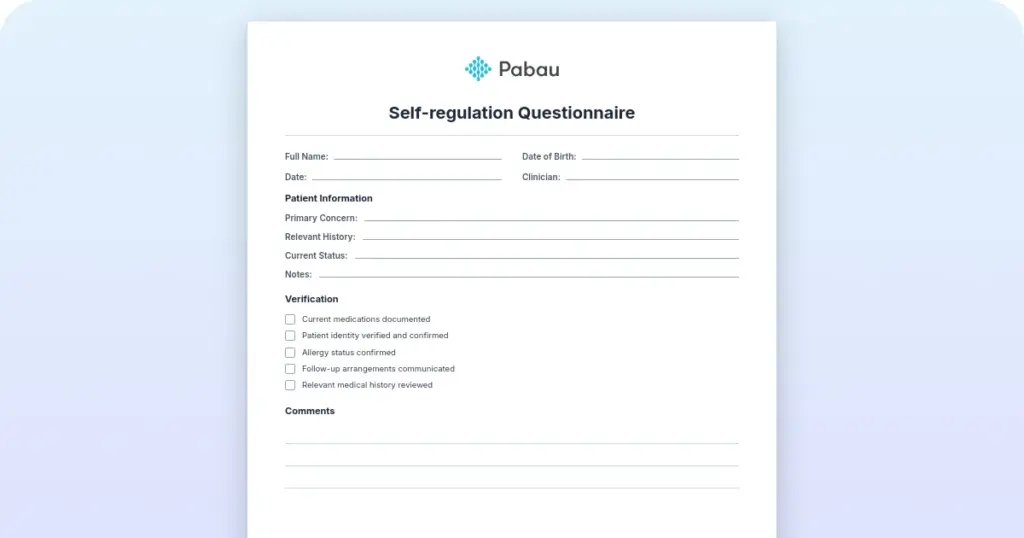
A ready-to-use form covering post-treatment care instructions, warning signs (bruising, swelling, vascular occlusion), activity restrictions, emergency contact procedures, and client signature confirmation.
Download templateMost dermal filler aftercare templates you can download are blank shells. A printed pack from Amazon or a generic form builder hands you the layout and leaves you to supply the clinical detail. This one is different. It spells out the specific post-treatment instructions clients actually need, pairs them with a signature that holds up as medico-legal evidence, and drops into a digital record you can produce in a CQC audit. Below is what goes in the form, how to use it at the point of care, and how to keep it compliant.
An aftercare filler form with signature is a clinical document that sets out post-treatment care instructions after dermal filler procedures and includes a client signature field confirming they have received and understood the guidance. The form works as both a care instruction tool and a medico-legal record.
A standalone consent form covers the risks a client accepts before treatment. A filler aftercare form focuses on what clients do afterward: managing swelling, avoiding certain activities, recognizing warning signs, and knowing when to contact you. The signature proves the client acknowledged this information, which is what makes the document worth keeping on file.
In UK aesthetic practices. A signed aftercare form satisfies this requirement and demonstrates clinical governance to regulators and insurers alike.
Three things separate a signed aftercare form from verbal instructions alone:
Practices without signed aftercare records face regulatory findings, denied insurance claims, and patient complaints they cannot defend. A filler aftercare form with signature closes that exposure.
Structure your dermal filler aftercare form the way clinicians actually deliver instructions: start with general care, escalate to warning signs, then finish with emergency contact information. The sections below reflect the dermal filler aftercare advice used on real clinic forms, so you are not starting from a blank page.
For medical forms, use clear non-technical language and limit each instruction to one action. Compound sentences packed with three or four instructions are the ones clients skim past.
A skin clinic platform stores completed forms alongside consents and before-and-after photos.
Five steps turn the aftercare form into both a care guide and a documented record:
Practices using Pabau Scribe, our AI scribe, can auto-populate procedure details such as filler type, volume, and injection sites into the form, so you reduce manual data entry and the transcription errors that come with it.
Paper aftercare forms are familiar but create compliance and storage headaches. Digital alternatives add transparency, automation, and data protection.
UK aesthetic practices increasingly prefer digital aftercare forms because they satisfy CQC documentation requirements, remove paper filing, and let clients open their forms anytime through a client portal.
UK aesthetic practitioners work in a landscape where written aftercare guidance is expected, not optional.
Three scenarios expose a practice to regulatory or insurance risk when aftercare documentation is incomplete:
Practices that centralize aftercare documentation in their practice management system can audit compliance instantly and show regulators a consistent, standard procedure.
The free filler aftercare form above is a starting point. Customize it to reflect your practice’s procedures and protocols.
If several clients ask “Can I sleep on my side?”, add that instruction so the next client never has to.
Any practice administering dermal fillers needs a signed aftercare form. That covers aesthetic practices, med spas, dermatology practices, private cosmetic surgery practices, and independent aesthetic practitioners.
The form applies equally to HA fillers, Radiesse, and hybrid products. A practitioner searching for a lip filler aftercare form can use the same core guidance for chin, tear trough, hand, or temple filler, with minor adjustments for the anatomy involved.
Med spas running high volumes of filler procedures benefit most from automating delivery. Printing forms by hand for 20 or more clients a day is slow and easy to get wrong.
Consistent documentation. A structured form means every client gets the same core instructions, which reduces variation and forgotten details from one appointment to the next.
Fewer complications. Clients who read and sign aftercare instructions follow them more reliably. Better compliance means fewer unexpected swelling episodes, bruising complaints, and follow-up calls.
Audit readiness. CQC and JCCP audits examine aftercare documentation. Signed forms prove you delivered education to standard, and practices without them fail that check.
Insurance claim protection. Aesthetic insurers reject claims without signed aftercare forms. Signed documentation strengthens your defense against disputes and allegations of negligence.

Automate signed aftercare form delivery, track patient compliance, and store all documentation securely in one integrated system.

A filler aftercare form with signature is the single most important document you issue after treatment. It protects your practice, informs your client, and demonstrates professional governance to regulators. The free template above covers every essential section. Customize it to your procedures, then use Pabau’s digital forms to automate capture and storage so compliance holds up as you scale. Book a demo to see how integrated form management streamlines your documentation workflow.

Need to combine aftercare with consent? Dermal filler consent form template provides the companion document covering risks and benefits alongside aftercare guidance.
Also offering collagen stimulating injections? Collagen stimulating injections consent form covers treatment explanation, risk disclosures, benefits, and aftercare instructions with signature blocks.
Need an aftercare template for another treatment? Cryotherapy aftercare template covers wound care, healing stages, activity restrictions, and infection warning signs after treatment.
An aftercare filler form with signature is a post-treatment document that sets out care instructions for clients after dermal filler procedures and includes a signature field confirming the client received and understood the guidance. It works as both a care instruction and a medico-legal record.
Yes. A signed form proves the client was informed of aftercare advice and accepted responsibility for following it. Unsigned forms offer no legal protection if a client later disputes the guidance or claims they were not informed.
Yes. Some practices use a single document covering pre-treatment consent (risks and benefits) and post-treatment aftercare (care instructions and restrictions). Separate forms, however, keep a clearer distinction between what happens before and after treatment.
Critical warning signs include vascular occlusion (blanching or discoloration of the skin), excessive swelling beyond the normal 24 to 48 hours, asymmetry suggesting misdirection, signs of an allergic reaction (hives, difficulty breathing), fever, and persistent pain. Always pair these warnings with emergency contact details.
UK GDPR guidance points to retaining aftercare forms for six years (standard medico-legal retention), then securely deleting them. Document your retention policy and schedule periodic deletion to show GDPR compliance to auditors.
Yes. Digital forms with e-signature are increasingly preferred because they attach to client records, store securely on their own, and remove paper handling. Many UK aesthetic practices now deliver signed aftercare forms by email or client portal immediately after treatment.