HCPCS code E0198: Water pressure pad billing guide
HCPCS code E0198 is a water pad for a standard mattress HCPCS code E0198 is the ...

Last Updated: Oct 13, 2026

CPT Code 71250 describes computed tomography of the thorax performed without intravenous contrast material, used for diagnostic chest imaging.
71250 is strictly diagnostic: use CPT 71271 or HCPCS G0297 for low-dose CT lung cancer screening, not 71250, to avoid claim denial.
Modifier 26 (professional component) and TC (technical component) apply when the interpreting physician and imaging facility bill separately.
Pabau’s claims management software helps radiology billing teams track modifiers, attach supporting ICD-10 codes, and reduce 71250 claim denials.
CPT code 71250 describes computed tomography (CT) of the thorax performed without intravenous contrast material — cross-sectional imaging of the lungs, mediastinum, heart, great vessels, and chest wall. It is strictly diagnostic: the most common denial cause is selecting 71250 when contrast was actually administered, or using it for lung cancer screening.
Maintained by the American Medical Association (AMA), CPT Code 71250 falls under the Diagnostic Radiology (Diagnostic Imaging) Procedures of the Chest section. It covers cross-sectional imaging of the lungs, mediastinum, heart, great vessels, and chest wall when no IV contrast is administered. This guide covers medical necessity criteria, the contrast-code comparison, modifiers, Medicare reimbursement, documentation requirements, and common claim errors. Practices billing in Australia check the current MBS descriptor before submitting, because descriptors are revised on a schedule. Where a code carries an evaluation and management component, documented complexity sets the level billed.
CPT 71250 is the appropriate code when the ordering clinician’s documentation supports diagnostic chest CT and contrast is contraindicated or clinically unnecessary. Common clinical scenarios include:
The ordering physician’s documentation must clearly state the clinical indication and explicitly note that contrast was not used. Coders should not assign 71250 based on imaging report language alone; the ordering documentation and the radiology report must align.
The four thorax CT codes are defined strictly by contrast administration. Selecting the wrong one produces a mismatch between the claim and the imaging report, which payers flag for prepayment review. Coders working with procedure-specific CPT codes across specialties know that contrast differentiation is one of the most common sources of radiology claim errors.
This is the most consequential coding choice in thorax CT billing. CPT 71250 is a diagnostic code. HCPCS G0297 is the Medicare low-dose CT (LDCT) screening code for high-risk patients aged 50-77 with a 20 pack-year smoking history. Billing 71250 for a screening scan denies Medicare coverage because the service was not ordered under the diagnostic benefit; billing G0297 for a diagnostic scan is a compliance violation.
The American Lung Association’s lung cancer screening billing guidance states that 71271 (the CPT equivalent of G0297) applies to once-yearly LDCT screening, while 71250 applies to diagnostic scans needed more frequently or outside the screening indication. Verify the ordering documentation and benefit category before assigning either code.
Medicare establishes limited coverage for CPT codes 71250, 71260, and 71270 under CMS billing and coding article A56580. Coverage requires that the scan be medically necessary based on the patient’s clinical presentation and that the ordering provider document specific diagnostic intent. Local Coverage Determinations (LCDs) may add additional requirements by Medicare Administrative Contractor (MAC) jurisdiction.
Proper HIPAA-compliant documentation practices require that the medical record establish why CT was ordered, what clinical question it is intended to answer, and why contrast was not used. For oncologic indications, Blue Cross Blue Shield of Florida’s MCG document 04-70450-21 (reviewed June 2025) limits CT thorax imaging under codes 71250-71270 to no more than four scans per coverage period. Verify current policy with each payer before submitting.
Prior authorization requirements vary significantly by payer, plan type, and state. Many commercial payers route CT authorizations through Radiology Benefit Managers (RBMs). Key points for billing teams:
Because payer rules change annually, billing teams should maintain a payer-specific matrix updated each contract year rather than relying on prior-year policy memory.
Before submitting any chest CT claim, cross-reference the ordering documentation against your payer’s current LCD or coverage article. For Medicare, use the CMS Medicare Coverage Database and search article A56580. For commercial plans, check the RBM portal. Mismatched indications are the leading cause of 71250 denials that cannot be overturned on appeal.
Clinics coordinating imaging and diagnostics use medical lab software to keep orders and incoming reports connected.
Radiology claims fail documentation audits more often than they fail coding audits. The scan itself may be performed perfectly, but if the supporting record does not contain specific elements, the payer can recoup the payment on post-payment review. Consistent ICD-10 code documentation discipline across your practice is a foundational billing control.
Required elements for a defensible 71250 claim:
Facilities billing the technical component under modifier TC must also retain the radiology technologist’s protocol sheet documenting equipment, dose, and technique. Practices managing related ICD-10 diagnostic coding across multiple imaging types benefit from structured documentation templates that capture these elements consistently.
Modifier selection for CPT Code 71250 depends on the billing entity and the care setting. Using the wrong modifier produces a claim error; omitting a required modifier produces an underpayment or denial.
The TC/26 split is the most operationally significant modifier pair for 71250. Hospital outpatient departments (HOPDs) typically bill 71250 TC on a UB-04 claim form. The interpreting radiologist, whether employed by the hospital or an independent radiology group, bills 71250-26 on a CMS-1500. Both claims must reference the same date of service and the same patient. A mismatch triggers duplicate-claim edits.

Pabau’s claims management tools help billing teams attach the right modifiers, track ICD-10 pairings, and flag documentation gaps before claims go out the door.

Medicare reimbursement for CPT 71250 is calculated using the CMS Physician Fee Schedule (MPFS), which assigns Relative Value Units (RVUs) to each code. The total payment equals the sum of work RVUs, practice expense RVUs, and malpractice RVUs, each multiplied by the Geographic Practice Cost Index (GPCI) for the service location, then multiplied by the annual conversion factor.
Because Medicare reimbursement rates change each calendar year and vary by locality, billing teams should look up current RVU values using the FastRVU 2026 RVU lookup tool or pull directly from the CMS MPFS final rule data file. Avoid citing a specific dollar amount without anchoring it to the current fee schedule year; rates published in prior years may no longer reflect actual payment.
Medicare pays different rates depending on where the service is rendered. In a non-facility setting (freestanding imaging center or physician office), the practice expense RVU is higher because the billing entity bears the overhead cost.
In a facility setting (hospital outpatient or ASC), the practice expense RVU is lower for the professional-component claim because the facility separately receives facility payment through the Outpatient Prospective Payment System (OPPS).
Use the Medicare.gov Procedure Price Lookup tool to compare national average costs for CPT 71250 across ambulatory surgical centers and hospital outpatient departments. That comparison gives billing teams a benchmark for contract rate negotiation with commercial payers.
Radiology billing teams that treat CPT Code 71250 as a simple charge-entry task tend to see higher denial rates than those that build a structured pre-submission workflow.
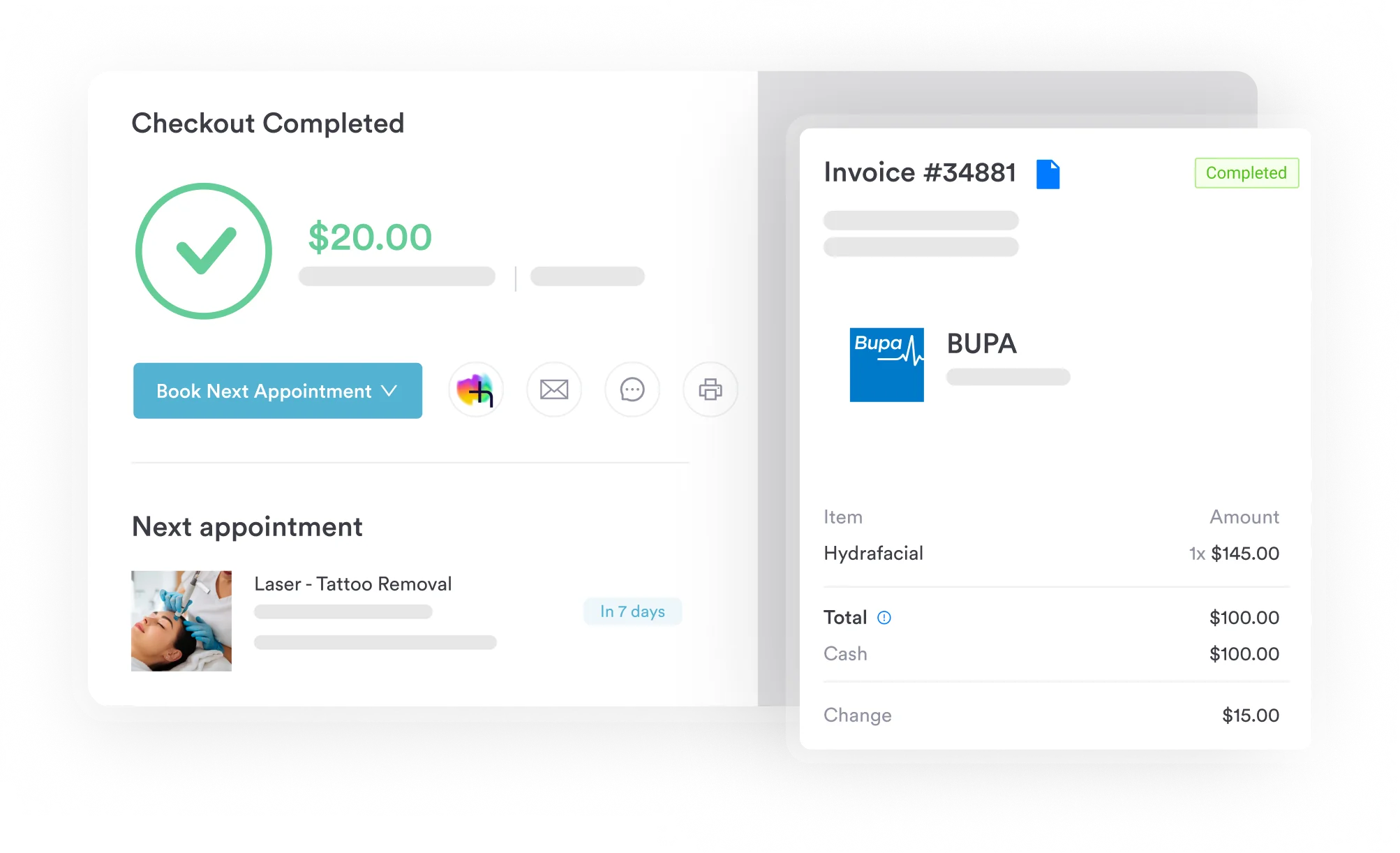
Practices running automated billing workflows can build pre-submission edits that check for missing modifiers and unsupported diagnosis codes before the claim reaches the clearinghouse. This catches the most common 71250 errors at zero cost compared to denial management after the fact.
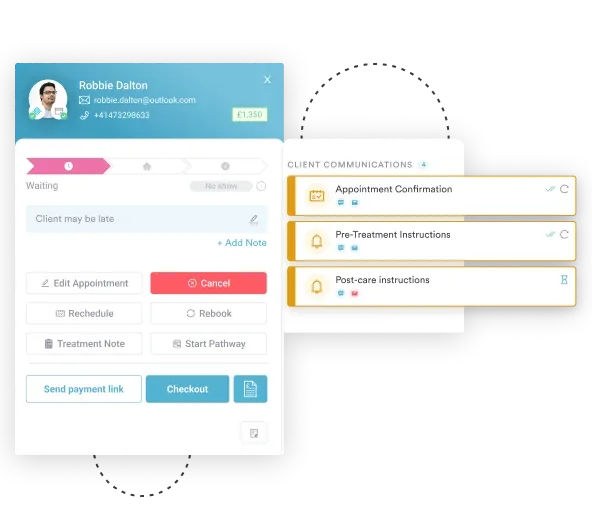
Radiology billing teams scaling across multiple locations also benefit from standardized preventive screening CPT codes workflows applied consistently across sites, reducing the variance in denial rates between locations. For practices managing diverse CPT code sets.
Run a 90-day denial analysis specific to CPT 71250. Sort denials by reason code. Reason code CO-4 (modifier issue) and CO-11 (diagnosis inconsistent with procedure) account for the majority of radiology CT denials. Each points to a different fix: CO-4 means your modifier logic is wrong; CO-11 means your ICD-10 pairings are not passing payer edits. Address these two categories first before tackling lower-volume denial reasons.
Five errors account for the majority of avoidable 71250 claim problems. Practices that audit for these specifically cut their radiology CT denial rate faster than those running general billing reviews.
Practices with strong radiology billing workflows systematically monitor denial trend data by CPT code, which surfaces these error patterns before they compound across hundreds of claims. Structured denial management is more efficient than case-by-case appeal handling.
CPT Code 71250 is straightforward in concept but produces significant claim errors when coding teams treat contrast selection, modifier assignment, and ICD-10 pairing as afterthoughts. The diagnostic vs. screening distinction alone accounts for a disproportionate share of denials that cannot be overturned on appeal because the wrong benefit category was billed from the start.
Pabau’s claims management software gives radiology and multi-specialty billing teams a structured environment to enforce modifier rules, attach supporting diagnosis codes, and flag documentation gaps before claims leave the practice. To see how Pabau handles radiology billing workflows end to end, book a demo.

Billing soft tissue localization for multiple lesions? Soft tissue localization add-on billing guide covers the add-on code for additional lesions localized in the same session, including pairing and documentation rules.
Billing acne surgery procedures? Acne surgery billing guide covers the code for extracting or removing milia, comedones, cysts, or pustules, and how to avoid a cosmetic denial.
CPT Code 71250 is used to bill for a diagnostic computed tomography (CT) scan of the thorax performed without intravenous contrast material. It covers cross-sectional imaging of the lungs, mediastinum, heart, great vessels, and chest wall when the ordering clinician determines contrast is unnecessary or contraindicated. Common indications include lung nodule surveillance, interstitial lung disease evaluation, and pleural disease assessment.
CPT 71250 is a diagnostic code used when a physician orders a chest CT for a specific clinical indication. HCPCS G0297 is the Medicare code for low-dose CT (LDCT) lung cancer screening in high-risk patients aged 50-77 with a 20 pack-year smoking history. Billing 71250 for a screening scan results in denial because Medicare covers screening under a different benefit category; billing G0297 for a diagnostic scan is a compliance violation.
The most common modifiers are TC (technical component, billed by the facility) and 26 (professional component, billed by the interpreting radiologist) when the scan occurs in a hospital outpatient department or other split-billing setting. Modifier 59 applies when 71250 is billed on the same claim as another imaging code and NCCI edits would otherwise bundle the services. No modifier is appended when a freestanding imaging center bills both components globally.
Medicare fee-for-service generally does not require prior authorization for CPT 71250, but Medicare Advantage plans and most commercial insurers route chest CT authorizations through Radiology Benefit Managers (RBMs). Authorization requirements vary by payer, plan, and state. Always verify with the specific payer before the study is performed; a retroactive authorization after the scan is typically not available if the payer required pre-service approval.
Common ICD-10-CM codes paired with CPT 71250 include R91.8 (other nonspecific abnormal finding of lung field), J84.10 (pulmonary fibrosis, unspecified), C34.90 (malignant neoplasm of bronchus and lung, unspecified), R04.2 (hemoptysis), J18.9 (pneumonia, unspecified), and J70.2 (acute pulmonary manifestations due to radiation). The diagnosis code must pass the payer’s medical necessity crosswalk; verify against the applicable LCD or coverage article before submission.