Patient Retention in Physical Therapy: Strategies That Work
Fewer than one in four physical therapy patients completes their prescribed plan...

May 4, 2026


Buy now, pay later is now available in Pabau

Cash-based physical therapy means patients pay directly for sessions without insurance involvement, giving PTs full control over scheduling, session length, and pricing.
Physical therapists cannot legally opt out of Medicare: any Medicare-covered service must still be billed through Medicare, regardless of patient preference.
Most cash-based PT practices charge $100-$250 per session; they can issue superbills so patients self-submit out-of-network claims to their insurer.
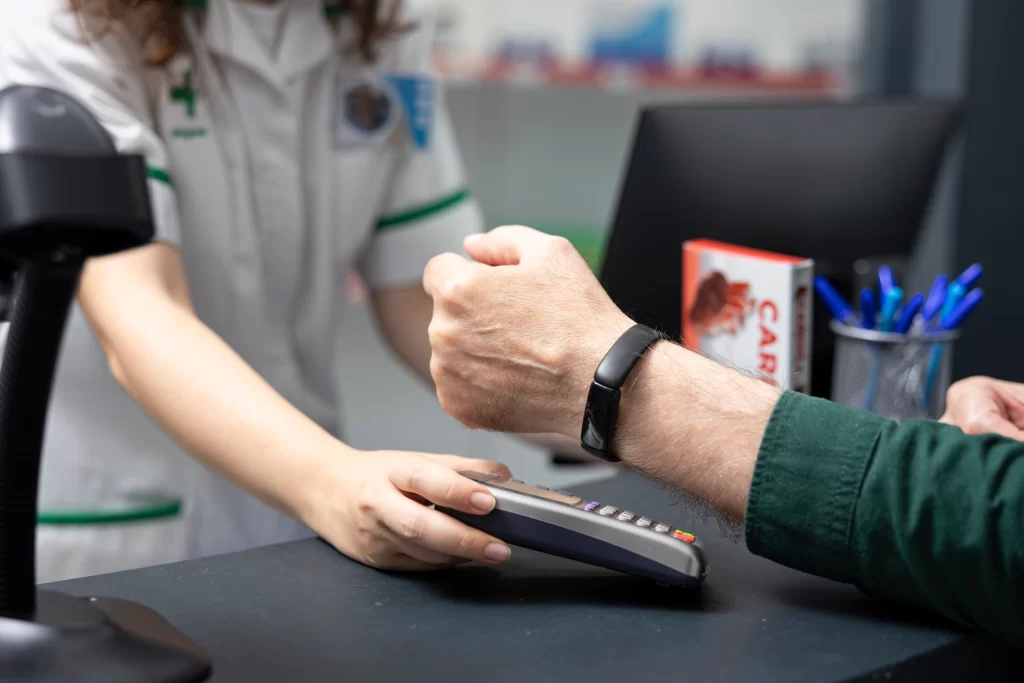
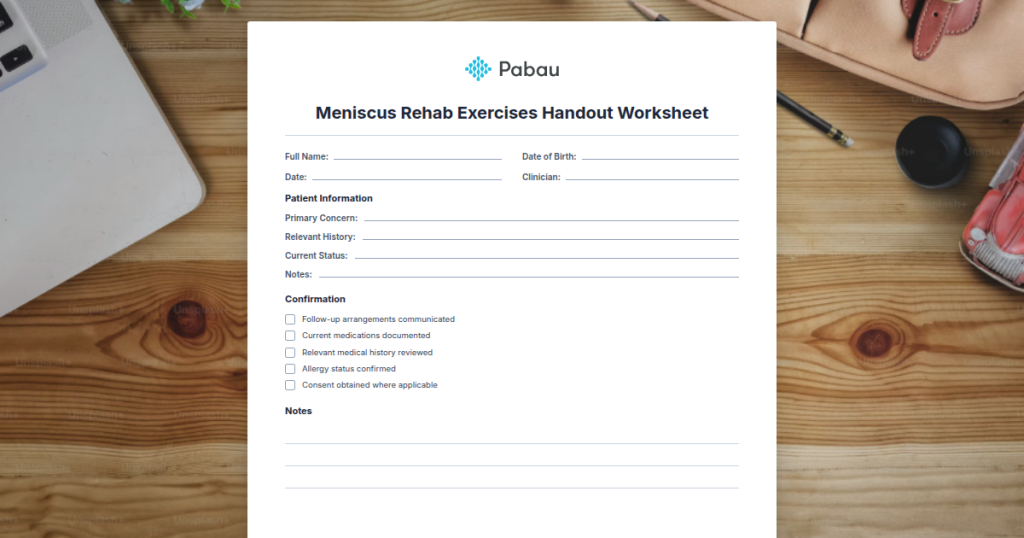
Pabau’s digital intake forms, payment processing, and client records help cash-based PT clinics eliminate insurance admin and collect payment at the time of service.
Most physical therapists spend more time fighting insurance companies than treating patients. Prior authorizations, claim denials, and 30-to-90-day reimbursement delays consume administrative hours that were never in the job description. Cash-based physical therapy offers a different operating model: patients pay directly, sessions run longer, and the PT decides what care is clinically appropriate rather than what the insurer will cover.
This guide is written for physical therapists and clinic owners evaluating whether a cash-based or private-pay model fits their practice goals. It covers how the model works operationally, the compliance rules you cannot ignore (especially around Medicare), how to set session rates, and what documentation and practice management workflows look like when you remove the insurer from the equation. If you are opening a physiotherapy clinic or considering transitioning an existing practice, the sections below give you the operational framework to make that decision clearly.
In a cash-based physical therapy practice, the financial relationship runs directly between the therapist and the patient. No insurance company sits between them, no fee schedule dictates the visit rate, and no claim needs to be filed before the practice sees revenue. Payment is collected at the time of service, typically by card, HSA, or FSA.
The American Physical Therapy Association (APTA) recognises several cash-based and hybrid practice models, from solo mobile therapists to multi-clinician outpatient clinics operating entirely outside the insurance network. What they share is that patient payment is direct and immediate rather than delayed and adjudicated.
This creates a different patient experience. Sessions typically run 45 to 60 minutes of one-on-one time, compared to the 20-to-30-minute insurance-billed visits common in high-volume practices. Because the PT is not constrained by what a payer will authorise, they can use the clinical approach they believe is most effective rather than the one that codes correctly.
Each model suits a different patient population and geographic market. A cash-only practice in a high-income urban area may fill quickly on word-of-mouth alone. The same model in a rural market with lower median incomes may struggle to reach sustainable patient volume. Understanding your local payer mix is part of the business case evaluation before you commit.
For a broader look at how physical therapy practice management tools support different billing models, including cash-pay and hybrid arrangements, the industry-specific feature set matters as much as the clinical model you choose.
The single most common legal misunderstanding among PTs considering a cash-based model is the belief that they can opt out of Medicare. They cannot. Unlike physicians, who may opt out of Medicare under certain conditions, physical therapists are prohibited from opting out. If a PT provides a Medicare-covered service to a Medicare beneficiary, that service must be billed to Medicare regardless of whether the patient prefers to pay cash.
This does not make a cash-based model impossible for practices that treat Medicare patients. It means those services must be handled correctly. There are two compliant pathways:
HIPAA obligations do not change when a practice exits the insurance network. Cash-based PT clinics are still covered entities subject to the full Privacy and Security Rules. Patient records, payment data, and communication must be handled with the same level of protection as any insurance-based practice. The No Surprises Act, administered by CMS, also requires that practices serving uninsured or self-pay patients provide a good faith estimate of expected costs before the first appointment.
State-specific direct access laws add another compliance layer. All 50 states have some form of direct access to physical therapy without a physician referral, according to the APTA, but the scope varies. Some states limit how many visits a PT can provide without a referral, or restrict the conditions treatable without physician involvement. Checking your state licensure board’s current statute before marketing “no referral needed” is essential.
Staying on top of these requirements is one of the reasons mandatory compliance for physiotherapy clinics is worth reviewing systematically, not just at setup but on an ongoing basis as regulations evolve.

Pabau handles digital intake forms, at-the-door payment collection, and complete client records in one system built for clinics that operate outside the insurance billing cycle.

Cash-based PT session rates typically range from $100 to $250 per visit, with significant variation by geography, specialty, and session length. Sports performance and post-surgical rehab commands higher rates in most markets. Telehealth and mobile PT sessions may be priced differently depending on overhead costs and local demand.
The comparison with insurance-based care is more nuanced than it first appears. Some estimates suggest a typical insurance-based course of physical therapy can cost a patient $7,000 or more when co-pays, deductibles, and the extended number of visits often required under insurance protocols are totalled. Cash-based practices frequently achieve the same clinical outcome in fewer visits because session time is used for hands-on treatment rather than billing documentation.
HSA and FSA funds are generally eligible for physical therapy expenses, which expands the pool of patients who can afford cash-based rates without cash-flow strain. Patients should verify their specific plan’s eligibility rules, but the broad answer is yes for most plans.
For practices managing cash flow across multiple service types or considering a hybrid model, physiotherapy clinic management software that tracks revenue by service line makes it much easier to see which session formats are actually profitable rather than relying on intuition.
Audit your local market before setting rates. Search for cash-based and OON PT practices within a 10-mile radius, note their session pricing and session length, and position yourself based on your specialty and the patient segment you are targeting. Review and adjust rates annually as your reputation and demand grow.
The operational simplicity of a cash-based model is one of its genuine advantages. Without insurance authorisations, claim submissions, or denial management, a solo PT can run a full patient schedule with minimal administrative support. But simplicity does not mean no documentation. It means the documentation serves clinical quality and legal protection rather than payer rules.
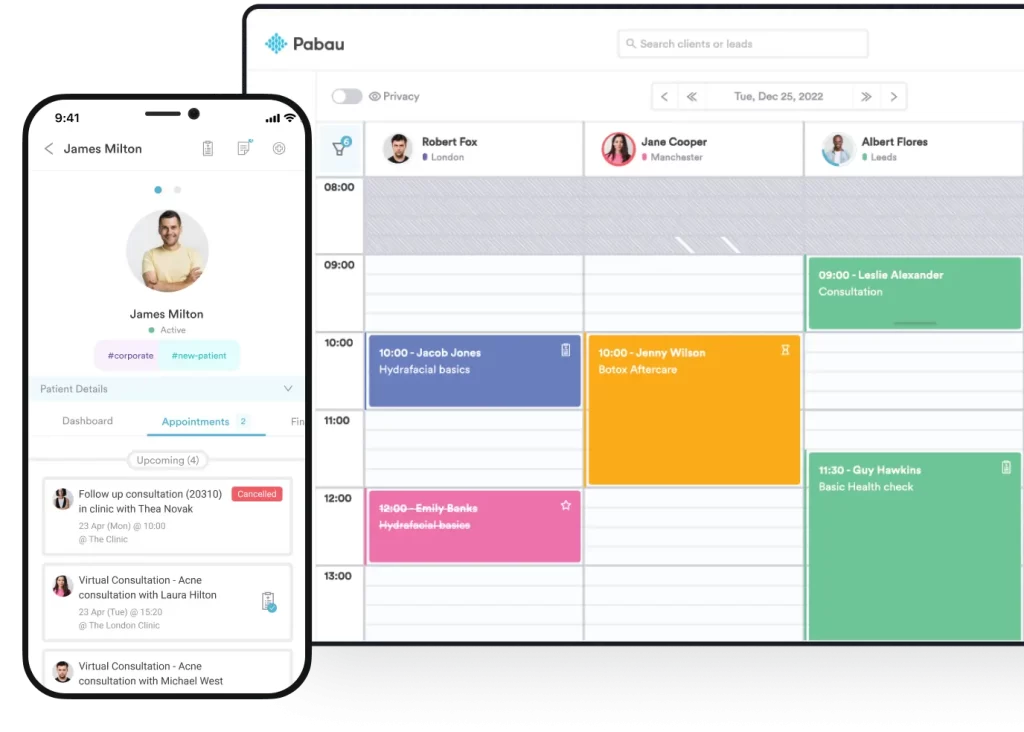
Patient communication and scheduling are also leaner in a cash-based model. Without referral management or prior authorisation coordination, appointment scheduling becomes a direct conversation between the PT and the patient. Automated reminders, follow-up messages, and recall sequences for patients who haven’t returned for maintenance sessions can all be handled within a clinic management platform that covers the full patient lifecycle.
For PTs transitioning from an insurance-based environment, the shift in revenue rhythm is worth planning carefully. Insurance-based practices bill on a 30-to-90-day cycle. Cash-based practices receive payment daily. This changes cash flow projections significantly and typically makes the practice financially more stable once patient volume reaches a sustainable level. Reviewing a medical practice business plan framework before launch helps you model the break-even point and ramp-up timeline accurately.
Growth in a cash-based PT practice is driven by outcomes and reputation. Because the patient is paying directly, they are highly motivated to see results and to refer others when they do. Many successful cash-based PTs report that word-of-mouth referrals from satisfied patients account for the majority of new patient volume within the first two years. The benefits of operating a private practice extend beyond revenue per visit to include the autonomy to build the clinical reputation that drives this referral engine.

Opening a physical therapy clinic from scratch? Opening a Physical Therapy Clinic covers the operational and licensing requirements for launching a PT practice in the US.
Need to understand physiotherapy compliance requirements? Mandatory Compliance for Physiotherapy Clinics walks through the regulatory obligations that apply regardless of your billing model.
Looking for the right practice management platform? Physical Therapy EMR Software shows how Pabau’s tools support documentation, scheduling, and payment collection for PT clinics.
Cash-based physical therapy solves a real operational problem: the administrative cost of insurance participation often exceeds the benefit, and it forces clinical decisions that serve the payer rather than the patient. The model trades volume for margin, reduces administrative overhead dramatically, and restores the PT’s authority over the episode of care.
For clinics ready to make that shift, Pabau’s digital forms, integrated payment processing, and complete client record system remove the friction from running a cash-based practice. You collect payment at the door, document the visit, and issue a superbill in the same workflow. To see how Pabau handles this end to end, book a demo and walk through the platform with the physical therapy team.
Cash-based physical therapy is a model where patients pay directly for PT services at the time of each visit, without billing a health insurer. The practice sets its own fee schedule and session format, and payment is collected upfront. Patients may receive a superbill to self-submit to their insurer for potential out-of-network reimbursement.
Physical therapists cannot opt out of Medicare. If a PT provides a Medicare-covered service to a Medicare beneficiary, it must be billed to Medicare. A PT may charge cash for services that are not covered by Medicare, but must provide an Advance Beneficiary Notice (ABN) to the patient before delivering those services.
Cash-based PT session rates generally range from $100 to $250 per visit, depending on geography, session length, and the PT’s specialty. Evaluation sessions typically cost more than follow-up visits. HSA and FSA funds are generally eligible for physical therapy expenses, which many patients use to manage the out-of-pocket cost.
All 50 US states have some form of direct access to physical therapy, meaning patients can see a PT without a physician referral. However, the scope of direct access varies by state; some states limit the number of visits or conditions treatable without a referral. Check your state’s physical therapy licensing board for the current direct access rules.
In a pure cash-based practice, no insurance interaction occurs at all. In an out-of-network (OON) practice, the clinic still does not contract with insurers but provides patients with a superbill so they can self-submit to their plan for reimbursement. Both models collect payment directly from the patient at the time of service; the OON model simply gives patients a route to recover some costs from their insurer afterward.