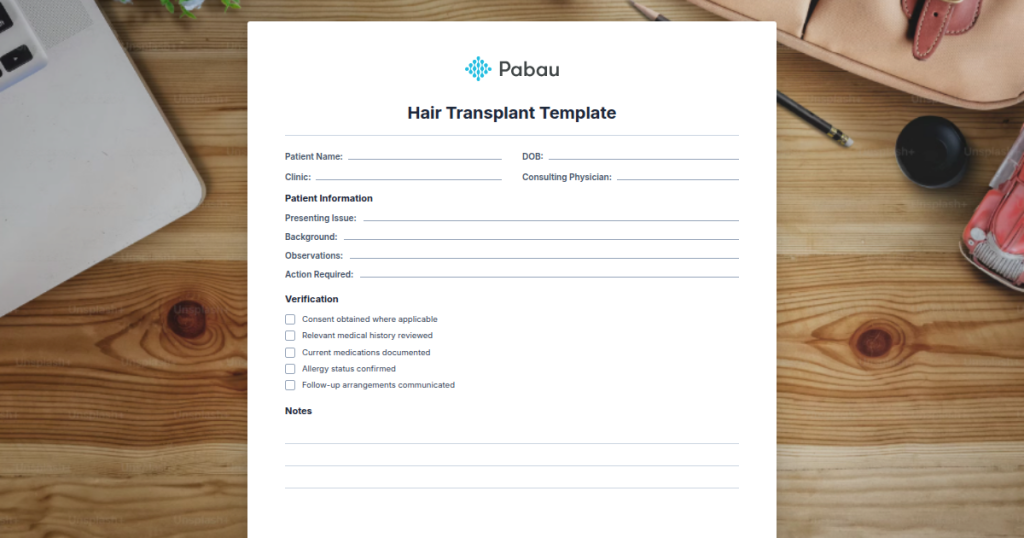
Hair Transplant Template
Download Your Free Hair Transplant Intake Template Hair Transplant Intake Form A...

April 22, 2026


Buy now, pay later is now available in Pabau

Service add-ons increase revenue without changing operational workflows
Strategic bundling drives higher per-client spending across treatment categories
Point-of-sale prompts convert 18-24% more transactions when timed correctly
Staff performance tracking reveals which upsell techniques convert best
Membership programs stabilize revenue while increasing lifetime client value
The average transaction value per spa visit determines profitability more directly than visit frequency. A 12% increase in ticket size delivers the same revenue impact as adding three new clients per week. Yet most spa operators focus exclusively on client acquisition while leaving 30-40% of potential per-visit revenue on the table.
Strategic ticket size growth doesn’t require premium pricing or aggressive sales tactics. It stems from aligning service menus with client needs, training teams to recognize upsell opportunities, and automating prompts at decision points. Data from practice management systems shows spas using structured add-on frameworks grow average transactions 15-23% within six months without changing their core service offerings.
Average ticket size measures total revenue divided by transaction count over a defined period. A spa processing 400 transactions monthly at £42,000 revenue operates at a £105 average ticket. This metric isolates per-visit value from volume fluctuations, revealing whether clients purchase single services or multiple treatments.
Three operational levers drive this number: service pricing structure, add-on attachment rates, and retail product sales per visit. Most underperforming spas show strong service pricing but attachment rates below 15%. High-performing operations convert 35-50% of service clients to add-ons and generate 18-22% of visit revenue from retail.
Point-of-sale systems track these ratios in real time. Integrated payment processing links treatment types to product purchases, showing which services drive retail conversion. When a spa identifies that 60% of facial clients purchase skincare but only 8% of massage clients buy oils, operational decisions sharpen. Staff focus retail recommendations where conversion already exists rather than pushing products across all service lines.
Seasonal variation complicates measurement. December bookings skew 20-30% higher due to gift purchases and holiday treatments. Tracking monthly averages against rolling 12-month baselines isolates genuine growth from calendar effects. A spa showing 8% year-over-year growth in June demonstrates structural improvement, not seasonal lift.
Service add-ons attach supplementary treatments to existing bookings without requiring separate appointment slots. A 60-minute massage becomes a 75-minute session with hot stone therapy. A standard facial upgrades with LED light therapy or enzyme peels. These enhancements increase ticket value by 20-40% while consuming minimal additional inventory or staff time.
The timing of the offer determines conversion. Presenting add-ons at checkout yields 6-9% attachment. Offering them during online booking captures 15-18%. The highest conversion-22-26%-occurs when therapists suggest enhancements during the first five minutes of treatment after assessing client needs. A therapist noting muscle tension can recommend extended pressure work. One observing skin sensitivity can suggest a calming mask upgrade.
Structured pricing prevents awkward negotiations. Spas using fixed enhancement menus (£15 for aromatherapy, £25 for hot stones, £35 for scalp massage) convert 3x more add-ons than those leaving pricing to staff discretion. Clients prefer transparent options over verbal suggestions that feel like upselling pressure.
Online booking systems automate this process. When a client selects a base service, the platform displays compatible add-ons with one-click selection. Digital menus remove the social friction of in-person recommendations. A client who might decline a verbal suggestion from reception will click “Add £20 paraffin hand treatment” during self-service booking.
Package structures drive higher commitment. Instead of offering five individual 60-minute massages at £70 each, a spa bundles them at £320 with one complimentary aromatherapy upgrade. The client perceives £30 savings plus a £20 enhancement, totaling £50 value. The spa captures £320 upfront versus collecting £350 over five visits with 15% no-show risk.

See how automated add-on prompts and integrated retail tracking help spa teams increase ticket size without script-based selling.

Cross-selling connects clients with products they already use during treatments. A client receiving a hydrating facial learns which serum the therapist applied. One enjoying a deep tissue massage discovers the oil blend used. This removes guesswork. The client knows the product works because they just experienced it.
Checkout represents the highest-converting moment for retail. After a relaxing treatment, clients are receptive and primed. A therapist noting “the rose hip oil I used today is available at reception if you’d like to continue the results at home” plants the seed. Reception staff then display the product during payment processing. This two-touch approach converts 24-32% versus single-point recommendations at 11-14%.
Product placement matters. Reception counters displaying 8-12 SKUs in treatment-aligned groupings (facial serums near skincare services, massage oils near bodywork) outperform wall-mounted retail sections. Clients pick up products while waiting, read labels, and ask questions. This self-directed engagement converts better than staff-initiated pitches.
Inventory tracking links products to services. A spa selling 40 units monthly of a specific moisturizer can analyze which treatments drive those sales. If 70% of purchasers received hydrating facials, that product becomes a core inventory item. The remaining 30% buying after other services represent lower-priority stock. Inventory management systems automate this analysis, flagging high-converting products and identifying slow movers.
Staff receive clearer guidance when data shows conversion patterns. Rather than recommending “skincare products” generically, reception staff know to mention the hydrating serum to facial clients and the arnica gel to sports massage clients. This targeted approach feels consultative rather than transactional.
Track product attachment by therapist, not just by service type. If one team member consistently converts 40% of facial clients to retail while others average 12%, observe their recommendation timing and language. Replicate their approach across the team through role-play during monthly training sessions.
Most spa staff resist upselling because they lack confidence in the value exchange. A therapist who views add-on suggestions as “pushing sales” will deliver tentative recommendations that clients decline. One who frames enhancements as treatment optimization will present options naturally. The difference is not skill-it’s belief.
Effective training starts with outcome framing. Instead of teaching staff to say “would you like to add hot stones for £25”, train them to ask “your shoulders are quite tense-extended heat therapy could help release that. I can add 15 minutes of hot stone work if that interests you.” The first phrasing is transactional. The second is clinical and client-focused.
Role-play sessions identify hesitation points. When staff practice recommendations in front of peers, their discomfort surfaces. Some avoid eye contact. Others rush through options. Managers can then address the underlying anxiety-fear of seeming pushy, uncertainty about pricing, or lack of product knowledge. Targeted coaching resolves these blocks faster than generic sales training.
Performance data makes training concrete. Practice management dashboards track individual conversion rates for add-ons, retail, and packages. A therapist converting 8% of clients sees their peer at 35% and asks what’s different. This peer-to-peer learning scales better than top-down mandates.
Incentive structures must align with client experience. Commission-only models create aggressive selling. Fixed bonuses for hitting team targets encourage collaboration. A spa paying £200 monthly bonuses when the team reaches 30% retail attachment rewards collective improvement without pressuring individual clients. Staff support each other’s goals rather than competing for sales.
Ongoing reinforcement prevents skill decay. Monthly 15-minute refreshers on new products, seasonal promotions, or updated service packages keep recommendations current. Staff who understand why the spa now offers CBD massage oil can explain its benefits confidently. Those left uninformed default to familiar options, limiting menu variety.

Need structured pricing for treatment packages? Increase Aesthetics Client Spend With Packages and Bundles explains how to price multi-service offerings that clients perceive as value-driven rather than discount-focused.
Want to reduce no-shows that impact revenue? How to Improve Patient No-Show Rate covers automated reminder systems and deposit policies that protect ticket size by ensuring booked clients actually arrive.
Looking to optimize your spa’s service descriptions? How to Write Great Service Descriptions for Your Clinic shows how clear, benefit-focused language increases conversion at the booking stage.
Increasing average ticket size in spa operations requires systems, not scripts. Structured add-on menus, timed product recommendations, and data-informed staff training convert more visits into higher-value transactions. The spas achieving 15-23% ticket growth don’t rely on aggressive selling-they automate prompts at decision points, track what converts, and train teams to recognize client needs during treatments.
Operational clarity drives results. When point-of-sale systems link treatments to retail purchases, when staff see their conversion rates compared to peers, when online booking presents add-ons at selection, ticket size grows predictably. The infrastructure supporting these behaviors matters more than individual sales talent. A spa with clear pricing, automated prompts, and performance visibility will outperform one relying on charismatic staff alone.
Frame enhancements as treatment optimization rather than sales. Train staff to assess client needs during the first five minutes of service and suggest relevant add-ons based on observed tension, skin condition, or stated concerns. Use outcome-focused language like “extended heat therapy could help release that shoulder tension” rather than transactional phrasing like “would you like to add hot stones for £25.” Role-play sessions help staff practice natural delivery until recommendations feel consultative.
Service add-ons that extend treatment time by 10-15 minutes convert best because they feel like value rather than upsells. Hot stone therapy, aromatherapy enhancements, scalp massage extensions, and LED light therapy attach to 22-26% of base services when offered during treatment. These require minimal additional inventory and fit naturally into existing appointment structures without lengthening total service time significantly.
The highest conversion occurs during the first five minutes of treatment when therapists can assess client needs and suggest relevant enhancements. Online booking captures 15-18% attachment when add-ons display during service selection. Checkout recommendations yield the lowest conversion at 6-9% because clients have already mentally closed the transaction. Present options early when clients are receptive and decision-ready.
Membership programs stabilize baseline revenue through recurring payments but can either increase or decrease average ticket depending on structure. Tiered memberships with service credits encourage clients to book premium treatments, increasing ticket size. Unlimited-use memberships at fixed prices reduce per-visit transaction value but increase visit frequency. Track revenue per member per month rather than per transaction to assess true impact.
High-performing spas generate 18-22% of total revenue from retail product sales. This ratio indicates staff successfully connect treatments to home-care products without over-relying on retail to compensate for underpriced services. Spas below 10% retail revenue leave significant per-visit value uncaptured. Those above 30% may be under-pricing services relative to market rates.
Integrated point-of-sale systems prompt staff with add-on suggestions based on the service being checked out, display product recommendations linked to treatments, and track which staff members convert retail most effectively. Automated prompts remove the burden of remembering upsell opportunities during busy periods. Data tracking shows which treatments drive retail sales, allowing spas to focus inventory and training on high-converting combinations.