Mental Health & Therapy Speech Therapy
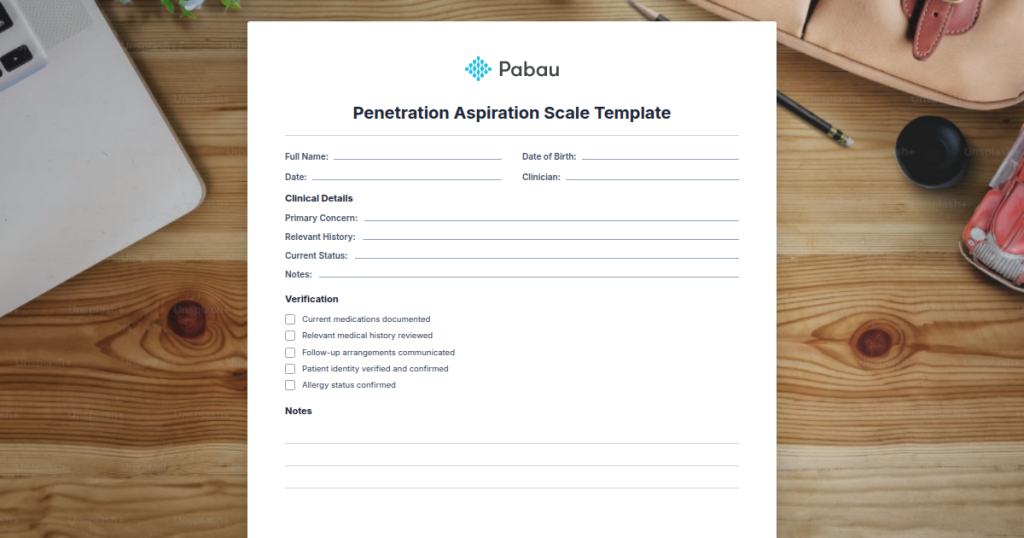
Penetration Aspiration Scale Template
Penetration Aspiration Scale Template Overview The Penetration Aspiration Scale ...

March 17, 2026


Buy now, pay later is now available in Pabau
Therapist burnout is a growing concern across the mental health profession.
Long hours, emotional exposure, and the administrative weight of documentation can quietly drain even the most resilient clinician.
Understanding how burnout develops—and what steps prevent it—is essential for maintaining both professional effectiveness and personal wellbeing.
This guide explores key signs, causes, and prevention strategies that actually work in real-world therapy practice.
Therapist burnout is a chronic state of emotional, mental, and physical exhaustion that results from prolonged exposure to work-related stress.
The World Health Organization classifies burnout as an occupational phenomenon, not a medical condition, but its impact on performance and well-being is profound.

It typically unfolds when workload demands exceed a therapist’s emotional and organizational resources, leaving little time for recovery.
Researchers often define burnout using three dimensions:
While every clinician’s experience is unique, certain behavioral and emotional signs appear consistently across studies:
Recognizing these signs early helps clinicians take corrective action before burnout leads to compassion fatigue or clinical errors.
Multiple overlapping pressures contribute to burnout among therapists.
Let’s explore some of the key factors in more depth:

Heavy caseloads, tight scheduling, and excessive documentation are leading causes. Many therapists spend as much time on administrative work as they do on direct client care.
According to the American Psychological Association, about 45 % of U.S. psychologists reported feeling burned out in 2022. And, one of the contributing factors is paperwork requirements.
In this case, a practice management software can be a major help.
For instance, Pabau, an all-in-one platform, can automate routine administrative tasks such as sending appointment reminders, managing billing and invoicing, handling marketing campaigns, and streamlining patient communications.
Additionally, Pabau’s AI Scribe tool takes note-taking off the clinician’s plate by recording real-time patient sessions and generating accurate session notes automatically, freeing up time to focus on care rather than paperwork.
In community or multidisciplinary settings, unclear expectations and conflicting roles can lead to stress.
Therapists may be asked to act as clinicians, case managers, and administrators simultaneously—often with minimal supervision.
Autonomy is critical for emotional resilience. When therapists feel they have little control over their schedules, caseload types, or therapeutic approaches, motivation suffers.
Isolation—especially in private practice—can also amplify stress, as there are fewer opportunities for peer debriefing or support.
High trauma exposure, crisis management, and emotionally intense caseloads demand constant emotional regulation.
Without adequate recovery, vicarious trauma and compassion fatigue can emerge, further deepening burnout.
The American Counseling Association distinguishes between burnout—stemming from chronic workplace stress—and compassion fatigue, which arises from secondary trauma through empathic engagement with clients’ pain.
While they overlap, compassion fatigue tends to appear suddenly after exposure to client trauma, whereas burnout builds gradually through cumulative strain.
Understanding this distinction helps therapists choose interventions: compassion fatigue often requires trauma processing and supervision, while burnout calls for workload restructuring and systemic changes.
Yes. Burnout affects not only therapists’ well-being but also client outcomes.
Clients may perceive subtle detachment or impatience, undermining trust and therapeutic alliance—both of which are critical for effective outcomes.
Clinics that prioritize clinician wellbeing—through balanced scheduling, debrief opportunities, and digital automation—tend to report higher client satisfaction and better retention rates.
Here are some effective ways on how to prevent burnout in therapists and mental health professionals:

Establishing firm limits on working hours, session volume, and client types protects energy and prevents resentment. This includes limiting after-hours communication and ensuring digital boundaries between client portals and personal email.
Foundational habits like adequate sleep, nutrition, exercise, and time outdoors provide physiological resilience. Short breaks between sessions—5-10 minutes—help reset cognitive load and emotional regulation.
Regular supervision and consultation groups provide emotional ventilation, ethical clarity, and professional validation. Shared experiences help normalize stress and prevent isolation.
Communicating expectations with team leads or colleagues reduces confusion and improves control.
Clear delegation of tasks—supported by digital staff management systems like Pabau—helps define responsibilities, track tasks, and ensure everyone knows their roles, reducing overlap and misunderstandings.
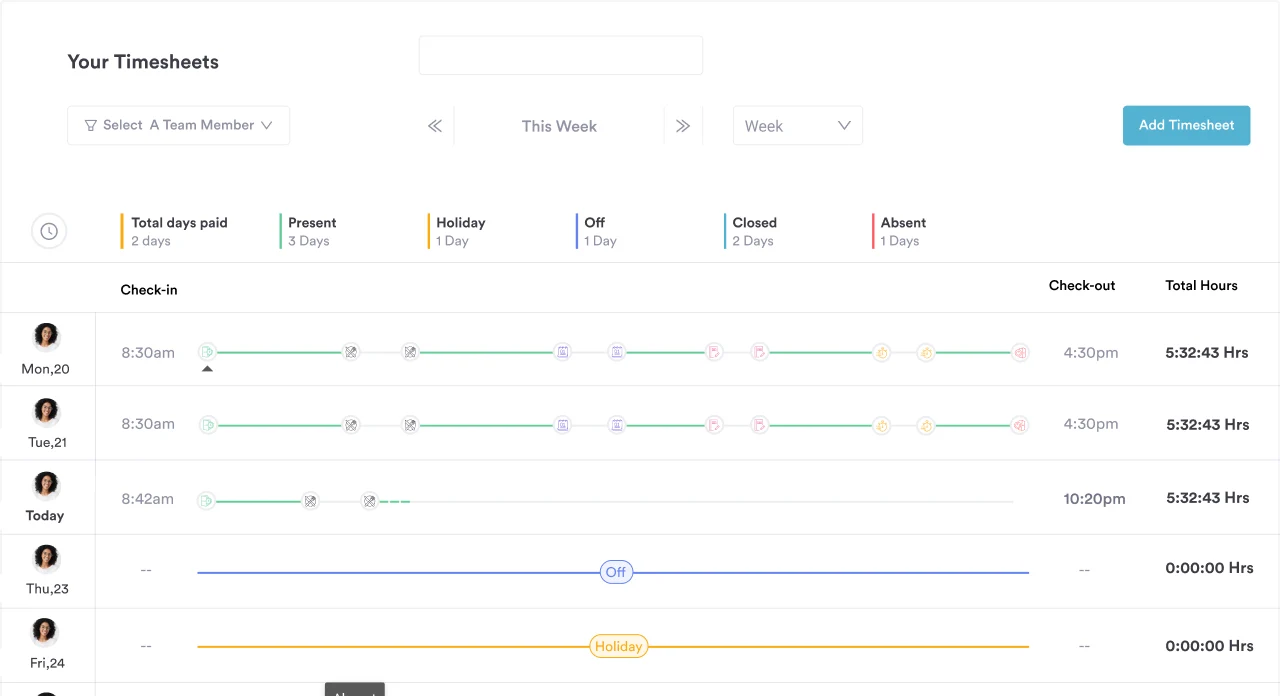
Administrative overload is a leading cause of burnout. Software that automates reminders, forms, and reports significantly lightens the load.
Pabau’s client portal and Echo AI support faster note-taking, automated follow-ups, and compliant digital recordkeeping, helping clinicians focus on patient care rather than paperwork.
Pro tip: Research shows that physician burnout remains widespread—about 45 % of U.S. doctors reported experiencing at least one symptom of burnout in 2023.
Burnout is not a personal failure—it’s an occupational signal that systemic change is needed.
By recognizing early symptoms, establishing clear boundaries, and leveraging supportive technology like Pabau, therapists can preserve their empathy, energy, and excellence in care. The healthiest clinicians are those who treat themselves with the same compassion they offer to their clients.