Aesthetic Clinic Aesthetics & Beauty
Best Practice Management Software for Aesthetic Clinics 2026
Most aesthetic clinics start with a booking tool and realise too late that it wa...

March 16, 2026


Buy now, pay later is now available in Pabau
A Botox consultation is a critical first step in any cosmetic injectable treatment, serving as the foundation for safe, effective results and patient satisfaction. Whether you’re a practitioner establishing your consultation protocol or a patient preparing for your first visit, understanding how to do a Botox consultation properly ensures both parties are aligned on expectations, safety requirements, and treatment goals. This comprehensive guide walks through every aspect of the consultation process, from initial patient assessment to final documentation, helping practitioners deliver professional consultations while educating patients on what to expect.

A proper Botox consultation includes medical history assessment, facial analysis, treatment planning, and informed consent documentation
Consultations should screen for contraindications, allergies, medications, and lifestyle factors that could affect treatment safety
Digital forms and practice management software streamline consultation workflows while ensuring compliance and thoroughness
Effective consultations balance realistic expectation-setting with personalized treatment recommendations tailored to individual aesthetic goals
Documentation tools like face mapping, before photos, and digital consent forms protect both practitioner and patient
Learning how to do a Botox consultation effectively starts with understanding that this appointment is distinct from the treatment itself. The consultation serves multiple purposes: assessing patient suitability, establishing trust, educating about the procedure, planning treatment specifics, and documenting informed consent.
The average Botox consultation takes 30 to 45 minutes, though first-time patients may require longer appointments. Some practices offer same-day treatment following the consultation, while others schedule these as separate visits. The approach you choose depends on your practice workflow, patient complexity, and regulatory requirements in your jurisdiction.
A comprehensive consultation workflow protects both practitioner and patient by ensuring no critical steps are missed. Modern medical spa software automates much of this process, sending digital forms before the appointment and creating structured pathways that guide practitioners through each required element.
Preparation significantly impacts consultation efficiency and quality. When patients book their appointment, they should receive automated pre-consultation materials that help them prepare and reduce administrative time during the visit.
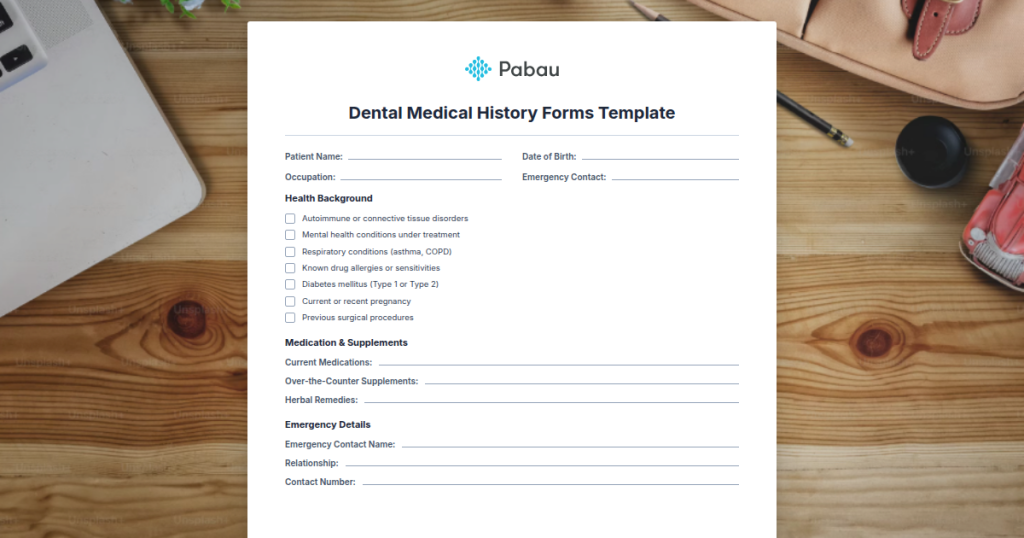
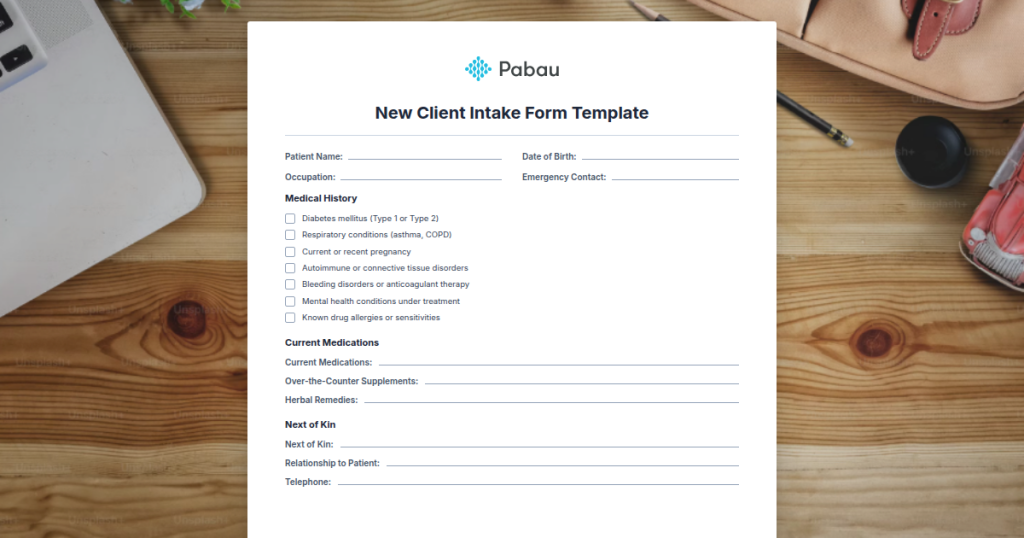
Patients should arrive with a clear list of their aesthetic concerns and goals, photos of desired results if applicable, and a complete list of current medications and supplements. Many practices now send med spa consultation form templates digitally before the appointment, allowing patients to complete medical history questionnaires in advance.
For practitioners, preparation means having standardized consultation protocols, updated consent forms, treatment pricing information, and scheduling systems ready. Digital systems that automatically trigger consultation form delivery when appointments are booked eliminate manual follow-up and ensure patients arrive prepared.
The consultation begins with a professional greeting and establishing rapport. This initial interaction sets the tone for the entire patient relationship. Practitioners should introduce themselves, verify credentials if requested, and create a comfortable, judgment-free environment where patients feel safe discussing their concerns.
Begin by reviewing the patient’s intake forms together, clarifying any incomplete or unclear responses. This review serves as a natural conversation starter and allows practitioners to assess the patient’s communication style, expectations, and emotional readiness for treatment.
Understanding how to do a Botox consultation includes reading non-verbal cues. Patients who seem anxious may need more education and reassurance, while those with unrealistic expectations require tactful expectation management before proceeding.
The medical history portion is non-negotiable and must be thorough. According to the American Society of Plastic Surgeons, proper screening prevents most adverse reactions and complications.
Essential medical history questions include previous Botox or filler treatments, allergic reactions to any substances, current medications (especially blood thinners, antibiotics, and muscle relaxants), neurological conditions, pregnancy or breastfeeding status, and autoimmune disorders. Document all responses carefully in the patient record.
Understanding who can administer Botox is equally important. Verify that the practitioner conducting your consultation has appropriate training and credentials for your jurisdiction. Patients should feel comfortable asking about qualifications, training, and experience with the specific treatment being discussed.
Facial analysis is where art meets science in learning how to do a Botox consultation. This assessment evaluates muscle activity, skin quality, facial asymmetries, and how dynamic lines form with various expressions.
Ask the patient to demonstrate various facial expressions including frowning, smiling, raising eyebrows, and squinting. Observe which muscles are hyperactive and which areas show dynamic wrinkles. This functional assessment determines optimal injection sites and dosing.
Botox face mapping provides a systematic approach to documenting treatment areas and planning dosage. Digital face mapping tools allow practitioners to mark injection points, calculate units required for each area, and save this information for future reference and comparison.
During facial analysis, practitioners should also assess factors like skin thickness, bone structure, fat distribution, and existing asymmetries that may affect results or require adjusted technique. Photograph the patient from multiple angles with neutral expression and animated expressions to document baseline appearance.
Book a demo to see how Pabau’s integrated face mapping and photo documentation tools streamline your consultation workflow while ensuring comprehensive treatment planning.
Understanding patient goals is central to how to do a Botox consultation effectively. Use open-ended questions to explore what patients hope to achieve, which areas concern them most, and what results they consider successful.
Many patients bring reference photos or have specific aesthetic goals influenced by social media. While visual references are helpful, practitioners must tactfully explain individual factors that affect results, including muscle anatomy, skin condition, bone structure, and aging patterns.
Set realistic expectations by explaining typical results, timeline for onset (3 to 5 days) and peak effect (10 to 14 days), duration (3 to 4 months on average), and need for maintenance treatments. Discuss what Botox can and cannot address, steering patients toward complementary treatments when appropriate.
Red flags for unrealistic expectations include patients expecting permanent results, requesting significant facial restructuring from Botox alone, showing signs of body dysmorphia, or expressing dissatisfaction with multiple previous providers. These situations may require referral to a mental health professional before proceeding with treatment.
Thorough procedural education reduces anxiety and builds confidence. Explain how Botox works by temporarily blocking nerve signals to muscles, causing them to relax and smooth overlying wrinkles. Clarify that results are temporary and that regular maintenance treatments maintain the effect.
Walk through what happens on treatment day: the area is cleansed, small amounts of Botox are injected using a fine needle at strategic points, the procedure typically takes 10 to 15 minutes, and patients can resume most normal activities immediately afterward with a few precautions.
Address common patient questions proactively. Will it hurt? Most patients describe it as brief pinching or stinging. Will I look frozen? When performed correctly, Botox maintains natural expression while softening lines. How long until I see results? Initial effects appear within days, with full results at two weeks.
Discuss the specific Botox product being used (Botox Cosmetic, Dysport, Xeomin, or Jeuveau), explaining any differences if patients ask. Transparency about products and techniques builds trust and demonstrates expertise.
Based on the facial analysis and patient goals, provide specific treatment recommendations. Detail which areas you suggest treating, approximate units required for each area, expected results, and any alternative or complementary treatments worth considering.
Common treatment areas include forehead lines (10 to 20 units typically), frown lines between eyebrows (20 to 25 units), crow’s feet around eyes (10 to 15 units per side), and other areas like bunny lines, lip lines, or masseter muscles for jaw slimming. Dosages vary significantly based on individual muscle strength and treatment goals.
Create a customized treatment plan that prioritizes areas of greatest concern while remaining within the patient’s budget. Some practitioners offer tiered options, allowing patients to start with priority areas and add others in future sessions.
Discuss maintenance planning. Most patients need repeat treatments every three to four months initially, though some find they can extend time between treatments once desired results are established. Using appointment scheduling software with automated reminders helps patients maintain their results through timely follow-up treatments.
Informed consent requires transparent discussion of potential risks and side effects. While Botox has an excellent safety profile when administered properly, patients must understand possible adverse outcomes before proceeding.
Common side effects are typically mild and temporary: bruising at injection sites, mild swelling or redness, temporary headache, and rarely, slight drooping if Botox migrates (which resolves as the product wears off). These effects usually resolve within days to a couple of weeks.
Serious complications are rare but must be disclosed: allergic reactions, infection at injection sites, vision problems if Botox affects eye muscles, difficulty swallowing or breathing if neck muscles are affected, and spread of toxin effects beyond the injection site.
Provide clear instructions on warning signs requiring immediate medical attention: difficulty breathing or swallowing, vision changes, severe headache, widespread muscle weakness, or signs of allergic reaction. Ensure patients have emergency contact information.
Transparent pricing discussions are essential to how to do a Botox consultation professionally. Explain your pricing structure clearly, whether you charge per unit, per area, or offer package pricing.
Provide a written estimate based on the treatment plan discussed. If actual treatment costs may vary from the estimate, explain why (such as discovering additional areas during treatment or requiring more units than initially assessed).
Discuss accepted payment methods, whether you offer payment plans or financing options, and any package deals or membership programs that provide value for regular patients. Some practices integrate with financing platforms like Klarna, allowing patients to spread costs over time.
Address insurance questions promptly. Cosmetic Botox is not covered by insurance, though therapeutic uses for conditions like chronic migraines or hyperhidrosis may be covered. Help patients understand the difference and navigate claims if applicable.
Proper pre-treatment preparation reduces complications and optimizes results. Provide clear written instructions that patients can reference before their treatment appointment.
Using digital Botox treatment forms that patients can access via patient portal ensures they have instructions available when needed and can review them multiple times before treatment.
Comprehensive documentation protects both practitioner and patient while ensuring regulatory compliance. The consultation must generate records including completed medical history, consent forms, treatment plan documentation, photographs, and any correspondence.
The informed consent document should detail treatment areas, approximate units, specific product being used, expected results and timeline, potential risks and side effects, pre and post-treatment instructions, costs, and patient acknowledgment that they understand and accept these terms.
Before and after photography is essential for both patient satisfaction tracking and legal protection. Establish a standardized photo protocol with consistent lighting, angles, and expressions. Obtain separate consent for photographs, specifying whether images may be used for marketing purposes.
Modern aesthetic clinic software streamlines documentation through digital forms that sync directly to patient records, automated photo organization with date stamps and treatment correlation, and secure cloud storage that ensures compliance with privacy regulations while keeping records accessible.
Many practices offer same-day treatment following consultation, which improves patient convenience and conversion rates. However, this approach is only appropriate when patients meet specific criteria.
Same-day treatment works well for straightforward cases: established patients returning for maintenance, patients with clear treatment goals and realistic expectations, those with no concerning medical history, and those who have completed all required documentation and consent.
Schedule separate appointments when patients need time to consider the decision, have complex medical histories requiring additional review, show signs of unrealistic expectations requiring further discussion, or request multiple treatment modalities needing coordinated planning.
If offering same-day treatment, schedule appointments with adequate time (60 to 90 minutes) to complete both consultation and procedure without rushing. Rushing consultations increases errors and reduces patient satisfaction.
Knowing when not to treat is as important as knowing how to do a Botox consultation. Ethical practice means recognizing situations where treatment should be postponed or declined entirely.
Absolute contraindications requiring treatment refusal include confirmed allergy to botulinum toxin, active infection at injection sites, certain neurological conditions, and pregnancy or breastfeeding. Never proceed when absolute contraindications are present, regardless of patient insistence.
Psychological red flags warrant careful consideration: patients with body dysmorphic disorder, unrealistic expectations after thorough education, signs of coercion from others, or emotional instability. These situations may benefit from referral to appropriate mental health professionals.
Refer to specialists when treatments fall outside your scope of practice, patients have complex medical conditions requiring coordination with other providers, or patients need procedures you don’t offer. Building a referral network enhances patient care and professional reputation.
Telehealth has expanded consultation options, though virtual Botox consultations have limitations compared to in-person assessments. Virtual consultations work well for initial screening, patient education, and preliminary treatment discussions, but most jurisdictions require in-person evaluation before first treatment.
For virtual consultations, ensure secure, HIPAA-compliant video platforms, good lighting for facial assessment, clear audio for communication, and secure methods for sharing documents and obtaining consent. Telehealth software integrated with your practice management system maintains continuity of patient records across virtual and in-person visits.
Limitations of virtual consultations include inability to physically palpate tissue or assess texture, potential lighting and camera angle distortions affecting facial analysis, and technology barriers for some patients. Always require in-person follow-up before first treatment to confirm virtual assessment findings.
The consultation doesn’t end when the patient leaves. Effective follow-up converts consultations to treatments and builds long-term patient relationships.
Immediately after consultation, provide take-home materials including treatment plan summary, cost estimate, pre-treatment instructions if scheduling treatment, post-treatment care guidelines, and practice contact information. Digital delivery via patient portal or email ensures patients have information when needed.
For patients scheduling treatment, confirm appointment details and send automated reminders with pre-treatment instructions. For those who need time to decide, schedule follow-up contact in 3 to 5 days to answer additional questions and address concerns.
Automated follow-up workflows in practice management software ensure no patient falls through the cracks. Set triggers that send educational content, special offers, or gentle reminders to consultation patients who haven’t scheduled treatment.
Modern practice management software transforms consultation workflows from administrative burdens into streamlined, compliant processes that enhance patient experience while reducing practitioner workload.
Essential software features for consultation management include automated digital form delivery when appointments are booked, mobile-friendly forms patients can complete before arrival, automatic form syncing to patient records, customizable templates for different treatment types, and integration with scheduling and billing systems.
Pabau’s comprehensive platform addresses every aspect of how to do a Botox consultation efficiently. The system automatically sends digital consultation forms when patients book, uses injection plotting tools for precise face mapping and dosage planning, manages before and after photos with automatic organization, stores consent forms securely with electronic signatures, and creates prerequisite workflows ensuring consultations are completed before treatment appointments can be booked.
Integration eliminates duplicate data entry and ensures every team member accesses the same current information. When consultation notes, photos, treatment plans, and consent forms all live in one system connected to scheduling and billing, practices run more efficiently while maintaining comprehensive compliance documentation.
Understanding how to do a Botox consultation comprehensively protects patients, manages risk, and builds thriving aesthetic practices. The consultation is never just paperwork or a formality but rather the foundation of safe treatment and satisfied patients who return for ongoing care.
Successful consultations balance thoroughness with efficiency, education with sales, and standardization with personalization. They screen for safety concerns while building relationships, set realistic expectations while maintaining optimism, and document everything while remaining focused on patient care.
Technology enables practices to deliver consistently excellent consultations without sacrificing efficiency. Systems that automate administrative tasks, guide practitioners through required steps, and maintain comprehensive documentation allow more time for the human elements that truly matter: listening to patient concerns, building trust, and crafting individualized treatment plans.
Whether you’re establishing consultation protocols for a new practice or refining existing processes, investing in proper consultation procedures pays dividends in patient safety, satisfaction, and practice growth. The consultation is where aesthetic transformation begins, relationships form, and practices differentiate themselves through professionalism and care.
A comprehensive Botox consultation typically takes 30 to 45 minutes for new patients. This allows adequate time for medical history review, facial analysis, treatment planning, education about the procedure, consent documentation, and answering questions. Established patients returning for maintenance may need shorter consultations of 15 to 20 minutes since their medical history is already documented.
Bring a complete list of current medications and supplements, information about previous cosmetic treatments, details of any allergies or medical conditions, photos of desired aesthetic results if you have them, and questions you want to ask your practitioner. Arrive with a clean face without makeup if possible, as this allows better assessment of your skin and facial structure.
Many practices offer same-day treatment following consultation, particularly for straightforward cases with no contraindications. However, some patients prefer time to consider their decision, and complex cases may require additional review before proceeding. Discuss same-day treatment options when scheduling your consultation if this matters to your timeline.
Essential questions include asking about the practitioner’s qualifications and experience, which specific Botox product they use, how many units they recommend for your concerns, total treatment cost, expected results and timeline, potential risks and side effects, what happens if you’re unhappy with results, and their policy on touch-ups or corrections. Never hesitate to ask for clarification on anything you don’t understand.
Consultation policies vary by practice. Some offer complimentary consultations as a patient service, others charge a consultation fee that may be applied toward treatment if you proceed, and some practices include consultation as part of the treatment cost. Always clarify consultation fees when scheduling your appointment to avoid surprises.
Warning signs include practitioners who rush the consultation without thorough medical history, dismiss your concerns or questions, make unrealistic promises about results, pressure you to proceed immediately, lack proper credentials or refuse to discuss qualifications, don’t provide clear pricing information, or skip informed consent documentation. Trust your instincts and seek another provider if anything feels concerning.