If you’ve got around 27 tabs open trying to figure out how to start a hair transplant clinic, this one’s for you.
Launching a hair transplant clinic sounds exciting, until you realize half the advice online contradicts the other half.
And there you are, unsure where to begin. You’re not alone. Many people hit this exact wall — big idea, but no clear roadmap.
That’s exactly why we created this guide: to take all the guesswork out and walk you through the process from planning, what the essential pre-launch requirements are, to marketing and how to set up smooth operations from day one.
Let’s dive in!
Why start a hair transplant clinic?
Simply put, because it’s not just a passing trend. It’s a lucrative business with strong profit margins (15–20%). Hair transplantation is an aesthetic surgical procedure with lasting, visible results, and it also tends to be more profitable than many non-surgical aesthetic treatments.
They create a loyal client base: Hair transplant procedures aren’t a one-and-done deal and often require follow-ups and ongoing care, creating repeat profit opportunities.
Service expansion: Adding hair restoration treatments helps med spas and clinics diversify their offerings and attract a broader audience.
Growing demand and profitability: Advances in technology and social media are expanding hair restoration’s appeal beyond typical patients, opening up new markets and repeat care opportunities.
It’s the kind of service people actively search for, plus, it’s profitable and sustainable.
The growing demand for hair restoration
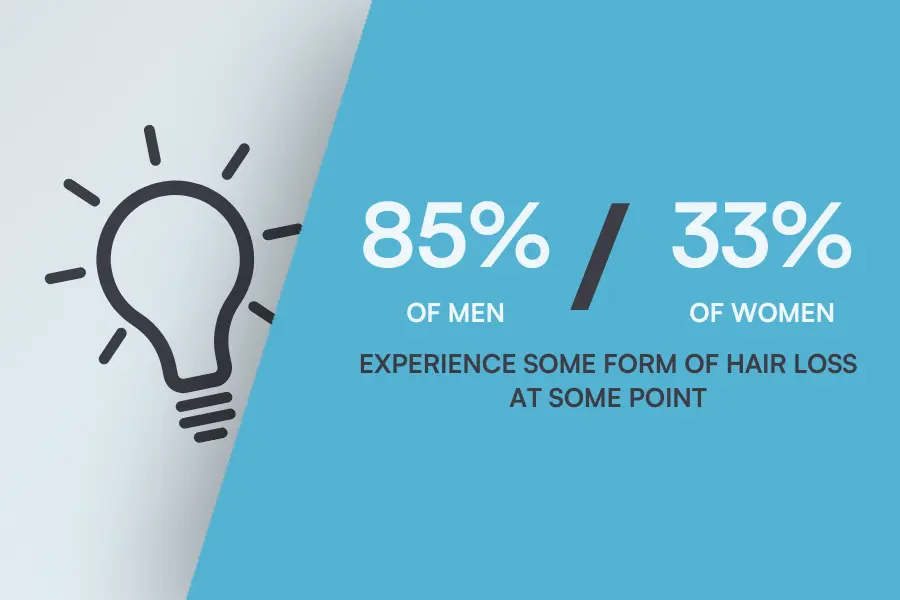
Baldness and hairline recession affect millions worldwide. According toMediHair, about 85% of men and 33% of women experience some form of hair loss at some point.
According to the ISHRS Practice Census Results, more than half of both male and female surgical patients worldwide fell between the ages of 30 to 49 years old
These numbers also tell us that the stigma around hair restoration is shrinking fast.
Who is this business ideal for
The hair transplant business isn’t just ideal for surgeons. It’s also a smart move for:
👍Med spa owners ready to tap into a high-value niche
👍Dermatologists or practitioners treating skin and scalp issues
👍Nurses or cosmetic pros seeking a clinic partner or medical director
👍Medical aesthetic entrepreneurs eyeing a growth-ready, recurring-revenue market
If you have a background in aesthetics, medical care, or beauty and wellness, you’re already halfway there.
What you need before you launch
Before you snip your first hair follicle, you need a few things in place. Here’s your pre-launch checklist to keep you on track.
A licensed physician, typically a dermatologist or surgeon, must perform or supervise the procedure: This is an MD or DO in the US and a GMC-registered physician in the UK.
In the US, doctors must have an ABHRS certification, which shows they’ve met rigorous standards of excellence and expertise in hair transplant procedures.
Training in restoration hair transplant techniques, such as Follicular Unit Extraction (FUE), Follicular Unit Transplantation (FUT), and Direct Hair Implantation (DHI), among others.
Also, in the US, an ISHRS membership can serve as a badge of honor to confirm the doctor is recognized among their peers as an expert in the field.
Clinic location and setup
You don’t need a massive space to launch a hair transplant clinic. However, it should feel professional, private, and welcoming. What you’ll essentially need for this is:
A waiting area: A reception desk, comfortable chairs, and soft lighting
Treatment rooms: 1-2 rooms (at least 100-150 sq ft) are ideal when starting, one can be used for hair transplant surgery procedures, and the second as a backup for consultations/follow-ups, with clean reclining chairs
Key equipment: Surgical/exam chair, LED lighting, graft extraction and implantation tools (motorized FUE device, implanters, forceps), magnification loupes, autoclave or sterilization units, trolley for instruments, disposable supplies (gloves, drapes, syringes), sharps container, and biohazard waste disposal
Storage space for tools, cleaning supplies, and consumables
Even if you start small, you still need a qualified team by your side. Here’s who you need at a minimum for this:
A licensed practitioner or hair transplant surgeons: Performing the hair transplant procedures
A nurse or trained technician to assist during procedures: Setting up the tools, preparing and sterilizing instruments, and assisting with graft dissection and implantation
A front desk/admin to manage bookings and greet clients: Someone familiar with medical software, basic medical terms, and strong communication skills
Optional: A social media/marketing person to help you build your brand
Lock down these key players, and your clinic will be firing on all cylinders from day one.
Building a business plan that actually works
Starting a business withouta business plan is like traveling to another country without Google Maps.
This section of your business plan should highlight who your clinic is targeting and how to reach them, plus local research on demand, pricing, and what sets you apart.
Your target audience analysis should include:
🔍 Where do they search for hair transplant clinics (online or in person)
😣 Their main pain points
💇♂️ Their hair goals and how your services help
📋 Demographics like age, gender, and income level
This insight helps you tailor your services and make smarter business decisions.
Pricing and service structure
Setting your prices and service structure isn’t one-size-fits-all. It takes a bit of art and science to balance your costs, the value you offer, and what your target clients are willing to pay.
Here are some general benchmarks to guide you:
Transparent pricing: Cater to different budgets with clear options, from basic procedures to premium bundles
Cost of hair transplant per graft: Prices vary by location, technique, and provider expertise. For e.g., FUE is known for precision and minimal scarring and typically costs $4 to $10 per graft, while FUT ranges from $2 to $5 but leaves a linear scar
Service structure: Tiered packages or bundles clarify pricing and add extra client value
When clients know exactly what they’re paying for, they’re far more likely to book.
💡In the US, total procedure costs generally average between $8,000 and $15,000.
Legal and insurance essentials
Legal and insurance may be the least interesting part of launching a clinic, but it’s also the most critical for protecting your business. Ensure you have:
Professional malpractice liability insurance: Covers you if a patient claims injury or dissatisfaction from treatment
General business insurance: Protects against incidents like slips, property damage, or advertising claims
Proper consent forms and up-to-date medical information: Required by law (GDPR in the UK and HIPAA in the US)
These documents are shields that keep your clinic safe from costly disputes and compliance headaches.
Marketing and branding your hair transplant clinic
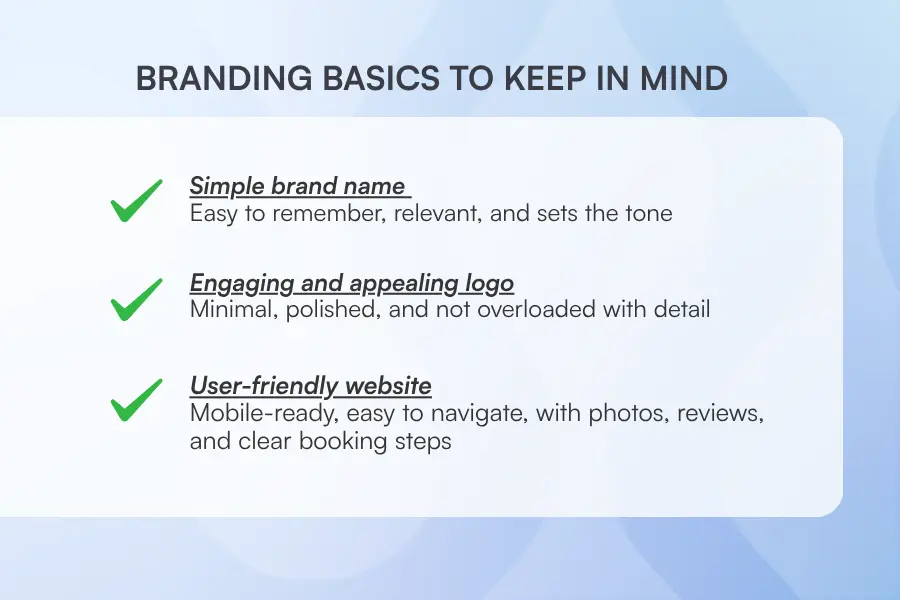
Most people don’t choose a hair transplant clinic on a whim. They do their research and compare options before committing.
These are the things that make someone stop scrolling, check your site, and actually appear.
Online marketing tips that attract clients
Digital presence is a must. It’s where potential clients decide whether to book a free consultation or keep scrolling. This means if your clinic doesn’t show up in search results, you’re basically invisible.
Here are some tips to get you noticed:
A well-optimized website and a strong search engine optimization (SEO): Your site should explain treatments clearly, show real results, feature client reviews, and make booking easy
Social media marketing: Share before/after transformations on Instagram, TikTok, or Facebook, client testimonials, or behind-the-scenes stories (with clients’ consent)
💡You can also create educational blog content to establish expertise, capture video content, customer testimonials to life and demystify the treatment, or do email marketing campaigns with personalized offers that resonate with your clients.
The power of referrals and client trust
Happy clients are paramount, and their trust is your currency.
When they leave happy, they become your best marketers, bringing in friends and family who trust their recommendations more than any ad.
You can build on this momentum with:
✔️Referral bonuses: Give discounts or perks to clients who refer your clinic
✔️Review requests: Ask for Google or Trustpilot reviews right after successful treatments
✔️Loyalty programs: Reward repeat clients with discounts or special offers on services and products
When you reward loyalty and referrals, your clinic grows itself.
Setting up smooth operations from day one
Things can get messy once clients start rolling in. But that’s a good sign. Without a solid system early on, small issues become big headaches.
Here’s how to keep operations simple and scalable.
Why software matters before your first client
You may excel at treatments and client care, but managing the chaos of admin tasks like bookings, DMs, missed appointments, and follow-ups can drain your time, especially without the right software backing you up.
A robust software matters to hair transplant clinics before clients step into your clinic’s doors. It helps you:
Manage online booking, one that syncs with your calendar
Send automated reminders via SMS and email, reducing no-shows
Safely and securely store client records in an integrated EMR system
Automatically send consent forms so clients can fill them out before they walk into the clinic
Here’s an example of how you can send automated reminders and recalls in Pabau:
As you can see on the image, for example, you can send automated recalls after a hair transplant procedure (directly impacting patient satisfaction, procedural success, and long-term clinic reputation).
Pabau has a rich pre-build template library so you can choose of of those or create one yourself and reuse it whenever you need it.
Must-have tools for new clients
Your hair restoration clinic needs tools that feel like they were made specifically for hair restoration, not a clunky, generic system.
The software you choose should come with essential features to keep your hair transplant clinic running smoothly and professionally, such as:
🗸 Online booking — Allow clients schedule appointments 24/7 🗸 Digital intake forms — Collect key details before the visit 🗸 EMRs — Store medical history and treatment notes in one place 🗸 Secure client records — Maintain complete treatment history safely
But beyond the basics, look for hair transplant clinic management software that also includes industry-specific features designed to support the surgical and aesthetic aspects of hair restoration, such as:
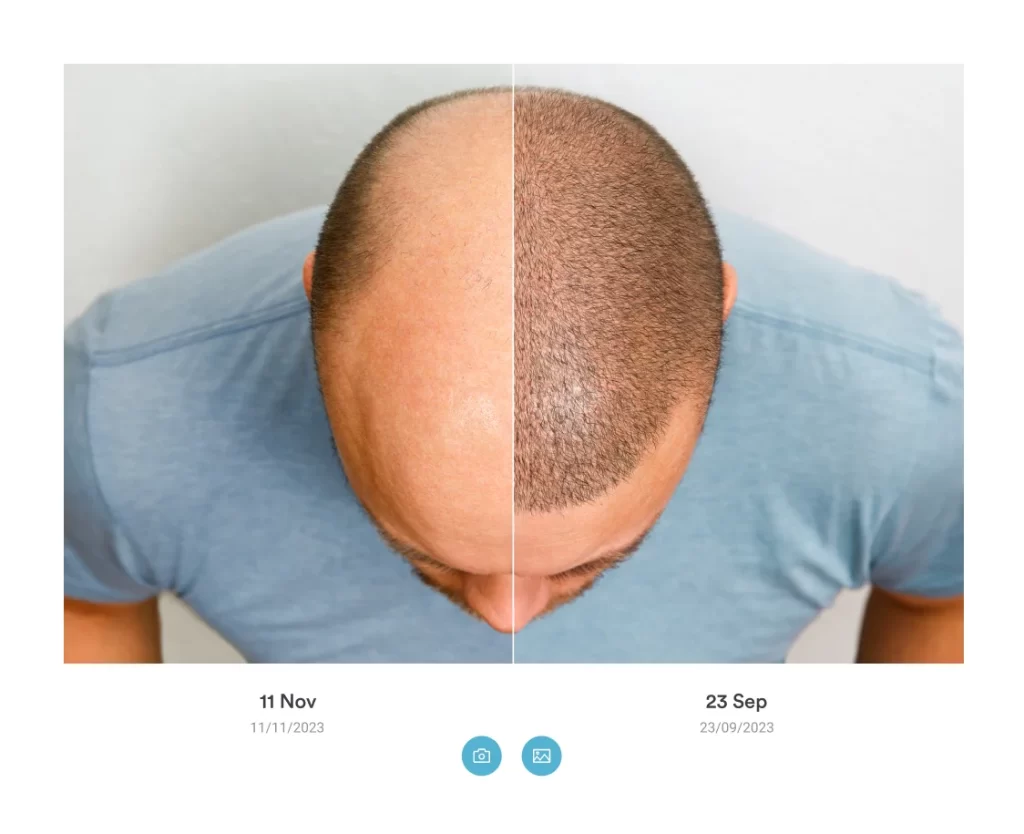
🗸 Automated pre- and post-care instructions — Keep clients on track with essential care steps for better recovery and lasting results 🗸 Before and after photo tool — Track hair progress and showcase results with side-by-side visuals 🗸 Integrated iPad photo capture — Snap and save high-quality photos straight to the client record, no app switching or uploads needed
Hair transplant results are gradual and subtle, so photo tracking is essential to showcase results, plan future treatments, and manage patient expectations throughout the journey.
Think of these must-have tools as your front desk, admin assistant, and compliance tracker, all rolled into one system
What to expect after opening day
Opening day’s done. Now the real work begins. Expect ups, downs, and lessons fast. Here’s what to track early and how to keep growing strong.
First-month goals and metrics to track
The first month after launch can feel like a whirlwind. Yes, it will be exciting, but it will also be nerve-wracking and packed with lessons.
Instead of guessing, what you should focus on in your first-month goals is:
Client retention: Did they book their follow-up?
Client satisfaction scores: What feedback are you getting from them?
Rebooking numbers: Are clients returning or referring?
Online reviews: Are you actively collecting them?
A tool like Pabau, which has excellent reporting features, gives you an entire business snapshot so you can track and celebrate wins and tweak what’s not working without second-guessing.
Here’s an image example of how that can look with Pabau:
Track how many consultations have been booked per month, how many of those have resulted in bookings, lost leads, etc
Track client retention, how many clients visited you more than once or how many are new clients
What’s the total number of online bookings per month and the revenue from those
Track client satisfaction
Knowing these details lets you spot opportunities, follow up with the right patients, and track your team’s performance.
Growing your services over time
Once your client base grows, the next step is to broaden your offerings in ways that benefit both your clients and your clinic’s brand.
Here are some service ideas that you can consider to expand over time:
✅Hair loss consultations
✅Scalp micropigmentation
✅PRP therapy
✅Hair growth products or hits for at-home care
These add-ons are smart ways to add value, from consultations to aftercare, without overwhelming your team.
How Pabau helps hair transplant clinics thrive🎯
By now, you’re probably feeling the weight of everything it takes to open a hair transplant clinic — licensing, staffing, branding, marketing… It’s a lot.
You could try juggling it all with sticky notes and spreadsheets. Or you could use Pabau.
It’s an all-in-one practice management software to help hair clinics run smoothly from the very start, taking care of the admin chaos, so you can focus on what truly matters, your clients.
You’re building something important, and Pabau can be there to make it easier for you.
Book a demo today and see how this tool can make running your hair clinic easier from day one.