Free printable botox face chart
A free printable botox face chart maps injection sites and records unit dosages ...

45
Last Updated: Sep 22, 2026

Hair transplants are medical procedures, so line up a licensed physician, board certification (ABHRS in the US), and proper hair transplant training before you open.
Keep the space lean but compliant. Treat your hair transplant machine, either a manual FUE device or a robotic system, as your biggest equipment decision.
Typical pricing: an FUE hair transplant runs about $4–$10 per graft, and a full US procedure lands near $8,000–$15,000.
Attract patients through search, before-and-after documentation, and referrals.
In month one, track retention, rebookings, and reviews, then grow later with add-ons like scalp micropigmentation or eyebrow transplants.
If you’ve been searching how to start a hair transplant clinic and now have 27 tabs open, this guide covers everything in the order you’ll actually need it, from pre-launch requirements through to your first month open.
A hair transplant is an aesthetic surgical procedure that moves a patient’s own follicles into thinning areas for lasting, visible results. As surgical treatments go, hair transplant surgery tends to carry stronger profit margins than many of the non-surgical treatments a med spa relies on.
A few reasons it’s worth the effort to start a hair transplant clinic:

According to the American Hair Loss Association, by age 50 about 85% of men will have significantly thinning hair, and women make up 40% of hair loss sufferers overall.
Here’s how big the hair loss treatment industry has become:
The hair transplant business is a smart move for:
Decide early how wide you want the doors to open. A transplant-only practice keeps things simple, but positioning as a full hair loss clinic, with a hair loss specialist on hand for non-surgical routes like PRP and medication, widens your market to the many people who aren’t surgical candidates yet.
If you are a dermatologist or physician weighing a full clinic of your own, our guide to starting a dermatology practice walks through the licensing, setup, and staffing involved.
Considering a different niche altogether? Our guide to starting a pelvic health practice covers the licensing and setup for that allied-health route.
If you have a background in medical aesthetics or clinical practice, you’re well-placed to build on it.
Because hair transplants are medical procedures, they must be performed by licensed medical professionals with the necessary qualifications and certifications. Depending on where you practice, that usually means:
Plan for two separate training tracks: one for the lead physician, one for assisting technicians. Your lead physician needs hands-on hair transplant surgery training through a recognized fellowship or an intensive live-case course before operating independently.
Your assisting technicians need their own task-specific hair transplant training in graft dissection and placement, which we cover under staffing below.
These courses are a significant investment, and most surgeons shadow experienced operators before running their own list. In the US, ISHRS membership also acts as a mark of recognition among peers in the field.
You don’t need a massive space to launch a hair transplant clinic. It needs to meet clinical inspection standards, provide patient privacy, and create a welcoming environment. Planning the space carefully also makes it easier to make your aesthetic clinic more sustainable.
Prioritize a layout that passes inspection and moves patients smoothly from consultation to procedure to recovery. Luxury finishes come second. At a minimum, plan for:
Most importantly, the rooms must meet clinical and surgical standards for cleanliness, safety, and ventilation. These are the same standards an inspector checks, so build them in from day one rather than retrofitting later.
The single biggest kit decision you’ll make is your hair transplant machine, the motorized or robotic system your team uses to harvest and place grafts. It shapes your time per case, your graft survival rates, and how much you can realistically charge.
A working setup usually includes:
The main techniques differ in method, device, and capital requirement. Whether you start with FUT, DHI implanter pens, or an ARTAS robotic system, the most advanced technology isn’t always the right first purchase.
Here’s how the options compare from an operational and financial perspective (capital outlay is scored on a $ to $$$ scale, from lowest to highest):
Most new clinics open as an FUE hair transplant clinic on a manual or motorized punch, then add an automated or robotic system once case volume justifies the capital. Buying the biggest machine before you can keep it busy is one of the most common early cash-flow mistakes.
A simple body pain chart also helps you track donor-site discomfort during the downtime window shown above.
Even if you start small, you still need a qualified team by your side. Here’s who you need at a minimum:
Graft handling directly affects follicle survival rates, the number that determines whether results meet patient expectations. Strong hair transplant specialists are hard to hire and worth paying for, so budget accordingly.
Your business plan covers market research, startup costs, pricing, and legal requirements, in that order. Here’s what your business plan template should include.
This section of your business plan should highlight who your clinic is targeting and how to reach them, plus local research on demand, pricing, and what sets you apart.
Your target audience analysis should include:
Don’t assume your market is exclusively male pattern hair loss. Female pattern hair loss is common too, and a hair transplant clinic for women is still an underserved niche in most areas, so decide early whether you’ll position for it. This insight helps you tailor your services and make smarter business decisions.
What it costs to open is the number every owner wants first. Exact figures depend on your city, your space, and your machine, but here’s where the money goes and which line items carry the most weight when you build your budget.
Few people fund a hair transplant business entirely from savings. Small business loans, equipment finance on the machine itself, and device suppliers that bundle training and support are all common routes.
Match your borrowing to realistic case volume, because a robotic system sitting idle is the quickest way to strain a new clinic’s cash flow.
Research going hair transplant rates in your area first, patients compare prices, and your pricing needs to sit credibly against local competitors.
Here are some general benchmarks to guide you:
When clients know exactly what they’re paying for, they’re far more likely to book.
In the US, total procedure costs generally average between $8,000 and $15,000.
Monitor US pricing benchmarks as you set rates. Patients increasingly compare domestic prices against clinics abroad, particularly Turkey.
The price difference between US and Turkish clinics is significant, a procedure priced at $8,000–$15,000 here can cost a fraction of that in Istanbul, flights included.
You won’t win that on price, so compete on what medical tourism can’t easily offer, namely local aftercare, in-person follow-ups, and someone accountable if a result ever needs revising.
Legal and compliance requirements are non-negotiable: here’s what to have in place.
Proper documentation is your defense in any dispute, and a requirement under HIPAA in the US and GDPR in the UK.
Hair transplant patients research extensively before committing, which makes search visibility, credible before-and-after documentation, and referrals the most valuable acquisition channels.
That’s why strong marketing strategies and branding matter, helping clinics stand out, attract more clients, and build trust. Here’s how to position your clinic for success.
Keep these branding basics and tips in mind as you build your brand:
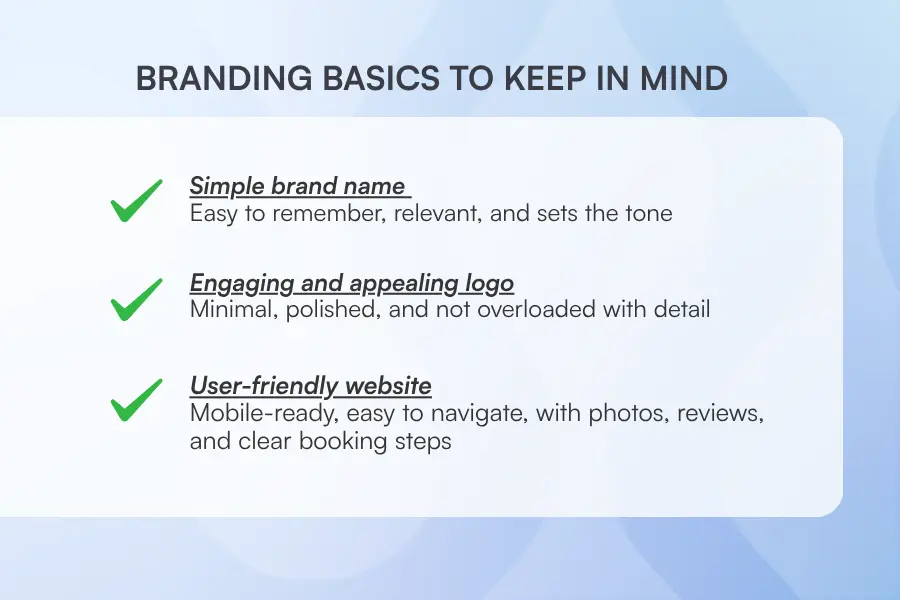
These are the things that make someone stop scrolling, click through to your site, and book.
Digital presence is a must. It’s where potential clients decide whether to book a free hair transplant consultation or keep scrolling. If your clinic doesn’t show up in search results, you’re basically invisible.
Here are some tips to get you noticed:
You can also create educational blog content to establish expertise, capture video content that brings customer testimonials to life and demystifies the treatment, or run email marketing campaigns with personalized offers that resonate with your clients.
Happy clients are paramount, and their trust is your currency.
When they leave happy, they become your best marketers, bringing in friends and family who trust their recommendations more than any ad.
You can build on this momentum with:
It’s also worth getting listed in a reputable hair transplant network or directory, and with a professional body like the ISHRS. That puts you in front of patients who are already comparing accredited clinics, and it lends credibility a brand-new name hasn’t earned yet.
When you reward loyalty and referrals, your clinic grows itself.
Once bookings start arriving, admin volume scales with them, which is why the systems need to be in place before the first client, not after.
Here’s how to keep operations simple and scalable.
Clinical skill doesn’t protect against administrative overload: bookings, DMs, missed appointments, and follow-ups pile up regardless, and that load only grows as you get busier.
This is where practice management software like Pabau earns its place before your first client even walks in. The right setup lets you:
Here’s an example of automated reminders and recalls running in Pabau:

In the example above, you can send automated recalls after a hair transplant procedure, the kind of quiet follow-up that protects patient satisfaction, results, and your practice’s reputation.
Pabau also ships with a rich library of prebuilt templates, so you can pick one or build your own and reuse it whenever you need it.
The most effective practice management systems for hair transplant clinics are built around clinical workflows, not adapted from generic booking tools. When you compare options, look past the sales demo to the features that carry a surgical, aesthetic workflow.
Start with the essentials that keep the day running:
But beyond the basics, look for hair transplant clinic management software that also includes industry-specific features designed to support the surgical and aesthetic aspects of hair restoration, such as:
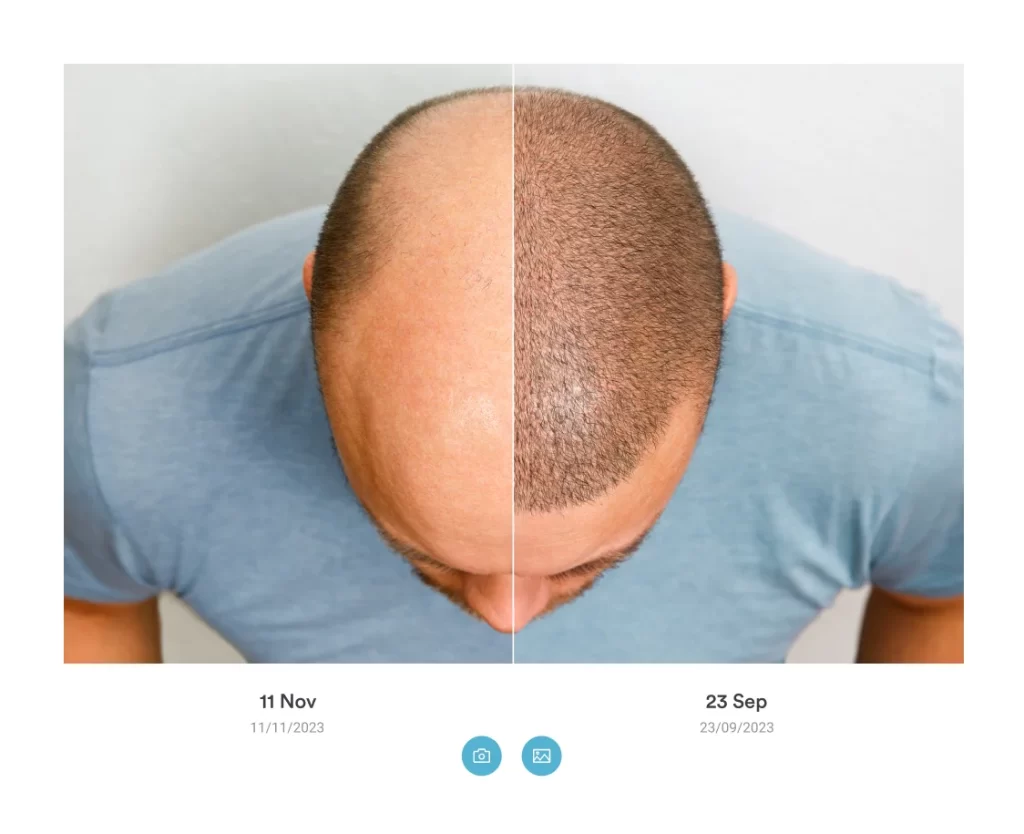
Hair transplant results are gradual and subtle, so photo tracking is essential to showcase results, plan future treatments, and manage patient expectations throughout the journey.
The real operational test starts after opening day. Here’s what to track early and how to keep growing strong.
The first month after launch can feel like a whirlwind.
Instead of guessing, what you should focus on in your first-month goals is:
A tool like Pabau, which has reporting features, gives you an entire business snapshot so you can track and celebrate wins and tweak what’s not working without second-guessing.
Here’s an image example of how that can look with Pabau:

With it, you can:
Knowing these details lets you spot opportunities, follow up with the right patients, and track your team’s performance.
Once your client base grows, the next step is to broaden your offerings in ways that benefit both your clients and your clinic’s brand.
Here are some service ideas to consider over time:
Adding a beard transplant or eyebrow transplant line, for example, lets you serve clients who aren’t candidates for a full scalp procedure but still want to spend with a provider they trust.
Treat a bigger add-on like its own venture. Even a short scalp micropigmentation clinic business plan report, covering kit, training, and pricing, keeps a new line from quietly eating into your core surgical hours.
The avoidable mistakes that damage new clinics most tend to cluster around the same areas. Watch for these:
Pabau handles booking, records, consent, reminders, and reporting for a hair transplant clinic in one place, so clinical time isn’t lost to administrative overhead. It’s the same reasoning behind Esteem Life Medical Group’s move to a fully digital, compliant record-keeping system.
Book a demo and see how Pabau makes running your hair transplant clinic easier from day one.

Want the plan on paper? Spa business plan template maps out your costs, pricing, and projections.
Not sure you qualify? Qualifications guide breaks down the licensing and certifications by region.
Comparing platforms? Software comparison breaks down the top hair transplant clinic tools.
Worried about compliance? Compliance basics keeps your records and consent audit-ready.
You qualify as a physician first, then complete hair transplant surgery training through a recognized fellowship or an intensive hands-on course, and pursue ABHRS board certification in the US. Most surgeons assist on live cases before operating solo. It’s a serious commitment, but a hair transplant surgeon salary sits among the higher earners in aesthetic medicine.
You don’t need a medical degree to work as a technician, but you do need proper hair transplant technician training in graft dissection, handling, and implantation. Most technicians learn through hands-on courses or supervised on-the-job training under an experienced surgeon before assisting on paid cases, since graft survival depends heavily on careful handling.
In the US, a full hair transplant cost usually lands between $8,000 and $15,000, depending on the number of grafts, the technique, and the surgeon’s experience. FUE typically runs $4 to $10 per graft and FUT $2 to $5. As an owner, knowing these ranges helps you price competitively without underselling your work.