A bad haircut grows out. A bad hair transplant? That’s with you for life😬
That’s why the industry has its fair share of horror stories; clinics cutting corners with unqualified staff, poor hygiene, and zero safety protocols.
Today, running a hair transplant clinic goes far beyond producing a natural-looking hairline. It requires proving you can do it safely, legally, and ethically every single time. That means
Following strict medical standards
Staying on the right side of state laws
Building airtight processes for everything from sterilization to consent forms
This guide will walk you through the key compliance areas every hair transplant clinic needs to nail, the practical steps to keep your operations inspection-ready, and the common pitfalls every clinic should avoid.
Understanding the importance of compliance in hair transplant clinics
Compliance isn’t optional when you’re in the aesthetic space, especially performing hair replacement surgical procedures. It’s the foundation of everything you do.
Hair transplants involve making incisions and implanting live tissue (hair follicles), automatically putting you in the “medical procedure” category. That means you’re subject to the same rules and oversight as other surgical services.
For hair transplant clinics, compliance means:
Keeping patients safe: Surgical procedures carry risks such as bleeding, infection, scarring, and following medical regulations ensures patient safety isn’t compromised
Shielding you from legal action: Malpractice suits can destroy a clinic’s reputation overnight, and adhering to standards minimizes liability
Building your credibility in a crowded market: Patients are savvy, and they look for clinics with transparent processes, board-certified staff, and clean safety measures, so compliance sets you apart from ‘black market’ providers
It only takes one botched surgery like this to spiral into lawsuits, bad press, and a permanent dent in your reputation.
Key legal and regulatory requirements
In the US, the legal compliance landscape begins with understanding federal, state, and sometimes local regulations, whether you’re starting a hair transplant clinic or already running one.
These regulations differ by state, but there are non-negotiables every clinic must address.
👉Tip: Before opening your clinic’s doors, check with your state medical board and consult a healthcare attorney to stay up-to-date with state regulations. The last thing you want is to invest in your clinic only to find out you’re not legally allowed to perform your core service.
Qualifications and training requirements for staff
Hair transplant procedures are not beauty treatments; they are medical procedures. That means the bar for qualifications is high, so having the right people in the right roles is also key.
The surgery itself should only be performed by:
👉A licensed physician, ideally a dermatologist or a plastic surgeon: Professionals are expected to hold full medical licensure and specialized training and hands-on experience with certification in hair restoration techniques like follicular unit extraction (FUE) and follicular unit transplantation (FUT)
👉Support staff (technicians and nurses): Must undergo formal, procedure-specific training covering graft handling, patient preparation, and post-operative care
Allowing non-medical or untrained staff to conduct such surgeries raises serious ethical concerns and compromises patient safety, clinical outcomes, and the professional integrity of the clinic.
Setting up a compliant operating environment
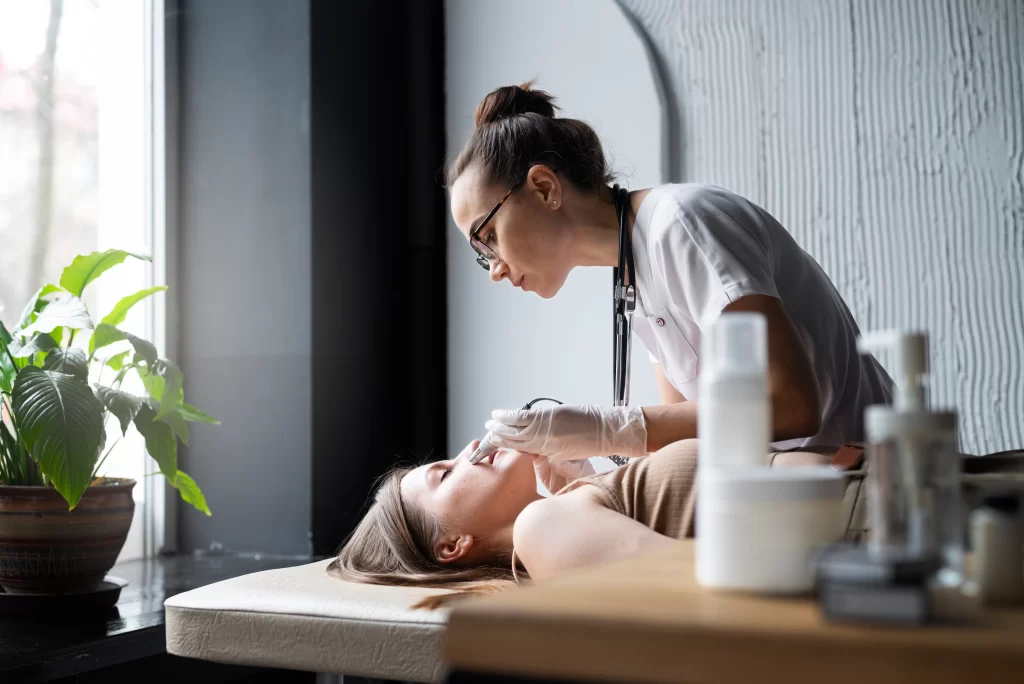
Hair transplant clinics require creating a safe, regulated environment. Here, we’re referring to your clinic’s operating room setup, which must meet medical-grade standards, not “nice salon” standards.
Here’s what regulators (and patients) expect for that:
Operating space: Adequate room for surgical staff to move freely with proper ventilation and lighting
Hygiene protocols: Aseptic techniques, sterilization of instruments, daily cleaning schedules, and strict infection-control checklists
Emergency readiness: Defibrillators, oxygen, crash carts, and trained staff to handle complications
Staff attire: Surgical scrubs, masks, gloves, and protective eyewear where necessary
Storage: Properly labeled and secure storage for medications, grafts, and equipment
A compliant setup does more than just meet regulations; it also elevates the patient experience and reassures them they’re in safe hands from the moment they step into the treatment room.
Managing consent, documentation, and transparency
Compliance extends beyond the procedure. If a patient ever claims they weren’t informed of the risks, your detailed consent form is your first line of defense, so how you document and communicate matters just as much as what happens in the operating room.
Here’s what documented compliance and communication for hair transplants should spell out:
☑️ Informed consent (must be signed): The procedure details, potential risks, bleeding, infection, scarring, recovery expectations, downtime, hair shedding and growth timelines, pricing, and possible additional expenses are considered part of full transparency, helping patients make informed choices and alternative treatment options
☑️ Comprehensive records: Document every step of the procedure; consultations, lab work, intraoperative notes, postoperative follow-ups (it protects patients and clinics legally)
☑️ Transparency: Patients should have clear access to their records and treatment plans
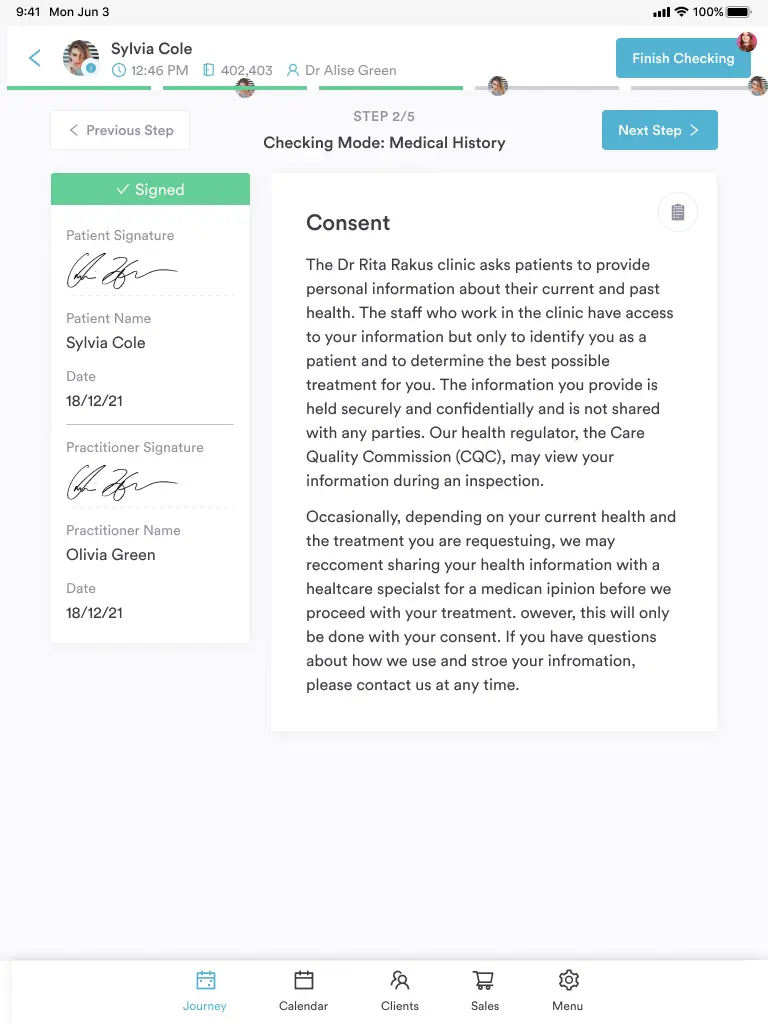
For all of the abovementioned, practice management software solutions like Pabau shine and simplify the process, helping clinics maintain thorough records before, during, and after hair transplant surgeries.
As you can see from the image, Pabau can store digital consent forms for patient’s medical history, including patient’s and practitioner’s signature, their names and the date when the form was signed. Apart from this, Pabau can also store consultation forms, medical questionnaires, and treatment notes.
You can also send these to clients in advance to complete at their convenience, so that when they arrive at your clinic, they can head straight into their appointments.
Ethical marketing and truthful advertising
Compliance also covers what you say to the public and all marketing and public communications. Misleading marketing and advertising are one of the fastest ways to land you in hot water and damage your reputation with regulators.
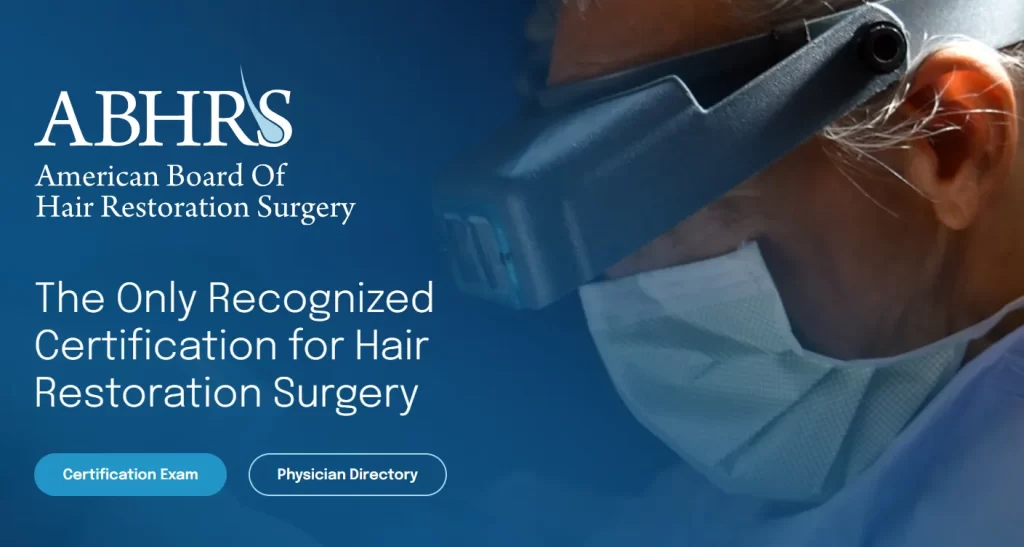
That’s why both the ISHRS and ABHRS provide key guidelines to ensure ethical marketing practices, such as:
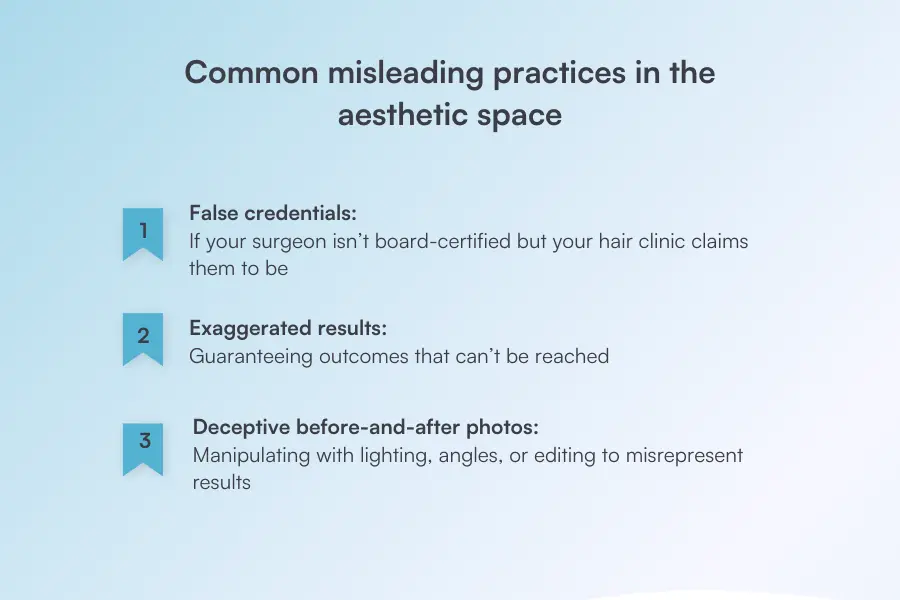
Truthful representation and avoiding terms like ‘scarless surgery.’
Qualified personnel ensure that all promotional materials clearly state that hair restoration surgeries should only be performed by licensed medical professionals.
Accurate visuals using authentic before/after photos that represent the typical results of hair transplant procedures
Failure to adhere to these guidelines can result in significant legal consequences, such as fines, license loss, civil lawsuits, and reputational damage.
Preoperative assessments and patient safety protocols
A compliant clinic doesn’t just start with surgery. It begins with thorough pre-op assessments to ensure patients are fit for surgery and protected throughout
The key steps for this include;
Medical history review: Cardiovascular conditions, bleeding disorders, or uncontrolled diabetes can pose risks
Lab work: ECGs, screenings for hepatitis or HIV, and clotting profiles
Medication checks: Patients who are on blood thinners or antihypertensives may need adjustment, and diabetic patients, too
Allergy testing, especially for local anesthetics
Like any surgical procedure, hair transplant surgeries require a thorough pre-operative assessment. Clinics must follow each step carefully and be fully prepared to handle complications or emergencies.
How Pabau helps clinics stay compliant
Some of you reading this guide might think that keeping up with this kind of compliance can feel like juggling chainsaws, especially when you do it manually. One slip and things get messy.
That’s where Pabau’s clinic management system steps in as your safety net, giving hair clinics key features to function at maximum efficiency and capacity every step of the way:
✅ Create, use, and store digital consent forms that patients can sign on any device
✅ Maintain detailed patient records and track every update with an audit trail
✅ Log equipment checks, track staff training completion, and keep everything time-stamped for proof, and you can reduce human error and stay compliant with OSHA and GDPR requirements.
In short, it helps you stay compliant without drowning in paperwork.
Make compliance a core strength
Inspectors don’t send calendar invites; they just show up. That’s why compliance shouldn’t be an afterthought. It’s not paperwork, it’s proof your clinic runs to the highest standards.
And you can achieve that by:
Building compliance into your daily routine, from regular internal audits to ongoing staff training
Keeping your protocols up-to-date
Using a robust, all-in-one practice management software, like Pabau, that supports your clinic from day one
When patients see that you’re not just talking about safety but living it, you become the clinic they trust, and trust is the ultimate growth driver.
It’s time to make compliance a core strength in your hair transplant clinic. Book a demo with Pabau today and see how it can help you run a safe, ethical, and successful clinic.