








What Does EMDR Stand For? Therapy Explained for Practitioners
What Does EMDR Stand For and How Was It Developed? EMDR stands for Eye Movement Desensitisation and Reprocessing. It is a structured psychotherapy approach used primarily to treat trauma, though its clinical applications have expanded considerably since its introduction. For mental health practitioners setting up or scaling a therapy practice, understanding what EMDR stands for […]
Internal Family Systems Model: A Clinical Guide for Therapists
What Is the Internal Family Systems Model? The internal family systems model is one of the most influential therapeutic frameworks to emerge in the last four decades. Developed by Dr Richard C. Schwartz in the 1980s, it started not as a grand theory but as a practical observation: clients in family therapy kept describing their […]
Fair Fighting Rules: A Clinical Guide for Therapists

What Are Fair Fighting Rules in Clinical Practice? Most couples who enter therapy are not fighting too much – they are fighting badly. Fair fighting rules are a structured psychoeducation framework designed to help clients replace reactive, escalatory conflict patterns with communication that is assertive, regulated, and solution-focused. For therapists working with couples, families, and […]
STOP Skill DBT: What It Means and How to Use It
STOP Skill DBT: What the Acronym Means Most people in acute emotional distress do not pause before reacting. The impulse arrives, and the behaviour follows – sometimes within seconds. The STOP skill DBT technique was designed specifically to interrupt that sequence, inserting a deliberate pause between stimulus and response. Developed as part of Marsha Linehan’s […]
DBT STOP Skill: A Clinical Guide for Therapists and Practitioners
Most emotional crises do not arrive slowly. A client receives a difficult message, a conflict escalates without warning, or an internal trigger fires before the conscious mind has time to respond. The gap between stimulus and reaction – measured in seconds – is where the DBT STOP skill is designed to operate. Developed as part […]
What Is Gestalt Therapy? Principles, Techniques & Uses

What Is Gestalt Therapy? Definition and Origins Most psychotherapy traditions ask clients to excavate the past – to find the root of today’s distress somewhere in what came before. Gestalt therapy takes a different position entirely. What is gestalt therapy, at its core? It is a humanistic and existential psychotherapy that treats present-moment awareness as […]
Wise Mind Worksheet Template
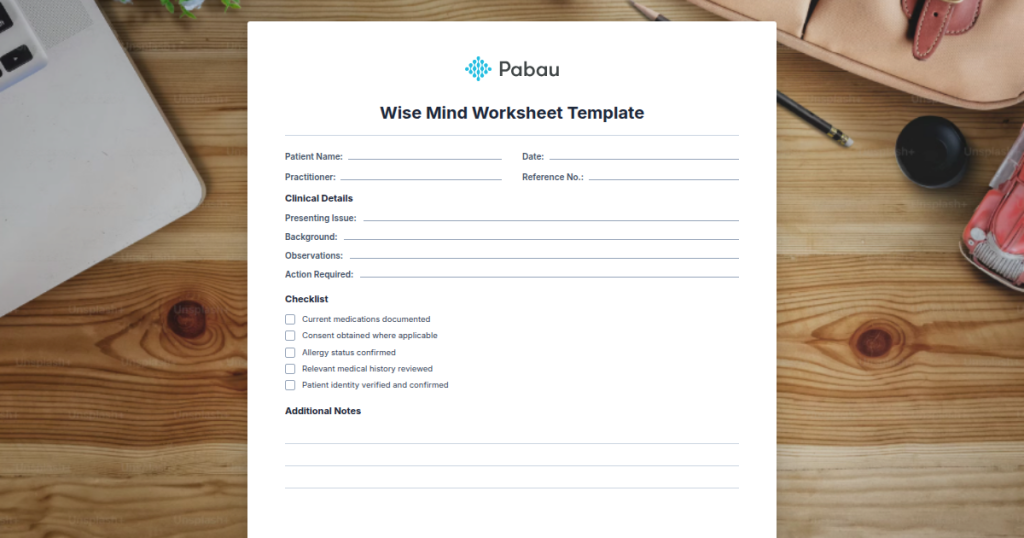
The Wise Mind Worksheet Template is a structured therapeutic tool designed for mental health professionals working with clients in dialectical behaviour therapy, mindfulness-based practice, and cognitive-behavioural frameworks. This evidence-based resource guides clients through identifying emotional responses, rational thoughts, and discovering the balanced “wise mind” perspective that synthesises both elements for clearer decision-making and improved emotional […]
Boredom in Recovery Worksheet Template
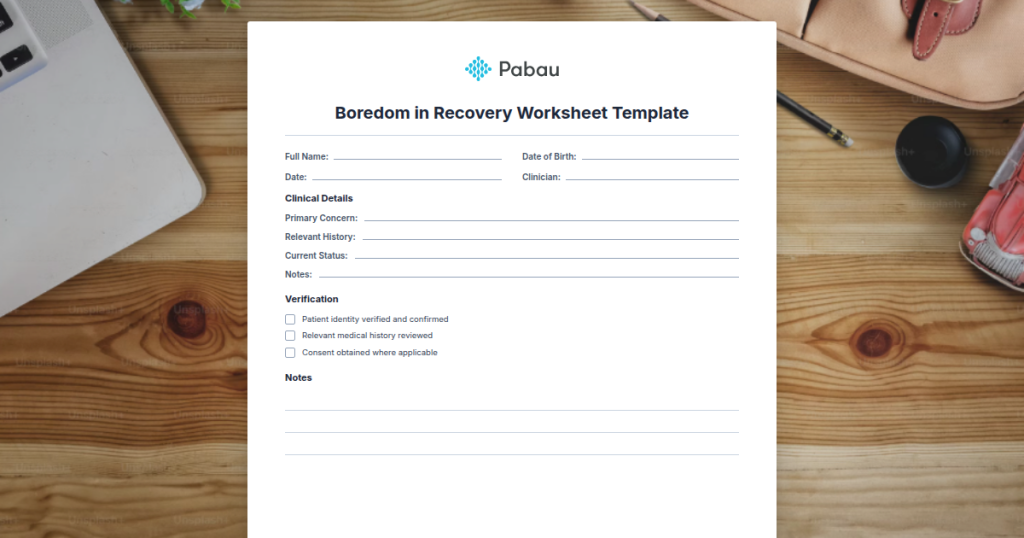
Boredom in recovery worksheets template is a critical tool for addiction counsellors and therapists helping clients navigate early recovery. When individuals enter recovery, unstructured time and lack of engagement become powerful relapse triggers. A structured boredom in recovery worksheets template provides the framework clinicians need to help clients identify their specific triggers, understand emotional patterns, […]
Emotional Support Animal Letter: What Clinicians Need to Know
What Is an Emotional Support Animal Letter? An emotional support animal letter is a formal clinical document issued by a licensed mental health professional that confirms a patient’s need for an ESA as part of their treatment plan. Unlike prescriptions, it carries legal significance – specifically under the Fair Housing Act – and must reflect […]
Ecomap Social Work Template
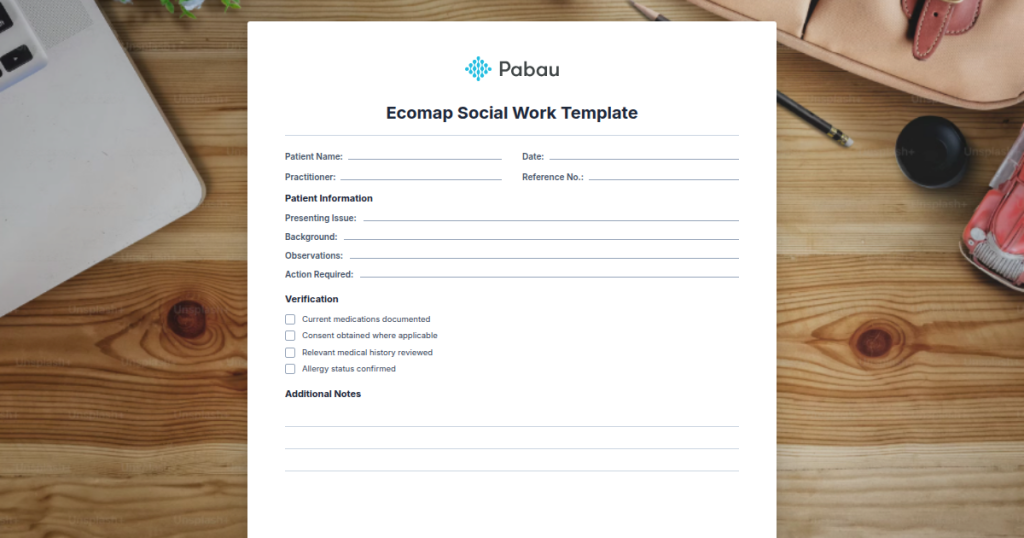
Understanding the Ecomap Social Work Template An ecomap social work template is a visual assessment tool that maps a client’s ecological systems-family, community resources, support networks, and environmental stressors. Social workers use ecomaps to understand how external systems affect client wellbeing and identify intervention points. The template provides a structured format for documenting these connections, […]