Best Practice Management Software in Canada (2026 Guide)
Disclosure: Pabau is our product. We have included it alongside other platforms ...

March 16, 2026


Buy now, pay later is now available in Pabau

Read case studies from our satisfied clients

Compare Pabau with alternative systems
 Integrations
 Measure Pabau savings
  Our security commitment
  About us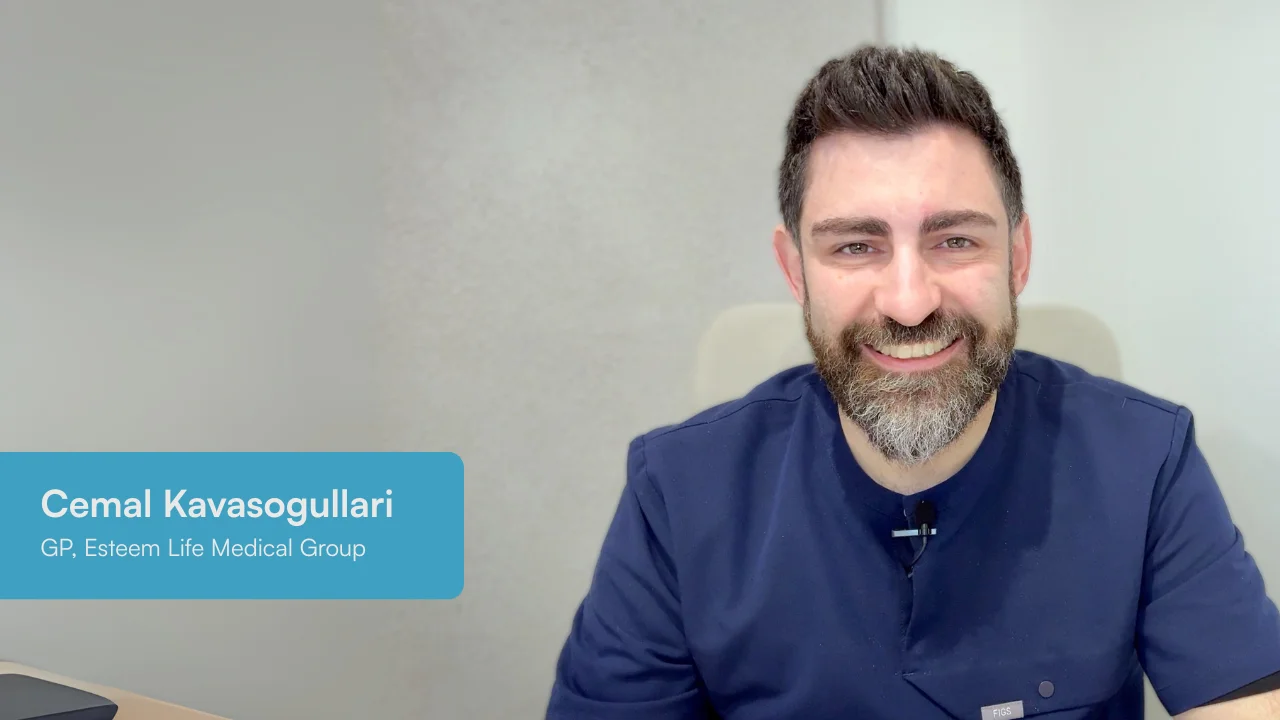
Learn why this holistic care and aesthetic medicine clinic chose Pabau to power patient care and performance.
Read more

Pabau is built for medically-led practices: it includes SOAP notes, prescriptions, consent forms, and audit trails that GlossGenius does not offer.
GlossGenius excels for solo beauty professionals and small salons needing a clean, mobile-first booking and payment experience.
Pabau supports multi-location and multi-practitioner workflows; GlossGenius is optimised for individual practitioners or small teams.
UK-based and regulated aesthetic clinics will find Pabau’s GDPR and CQC-aligned documentation workflows more suitable than GlossGenius.
Pricing structures differ significantly: GlossGenius offers a flat monthly fee while Pabau scales with team size and clinical feature depth.
Choosing between Pabau vs GlossGenius comes down to one fundamental question: does your practice need clinical documentation, or does it need a polished booking experience? Both platforms serve the aesthetics and wellness space, but they are built for very different operators. Pabau is a practice management platform designed for medical spas, aesthetic clinics, physiotherapy practices, and any setting where clinical records matter. GlossGenius is a booking and payments tool built for beauty professionals – hair stylists, estheticians, nail technicians – where the priority is a frictionless client experience rather than regulated clinical workflows.
This guide breaks down Pabau vs GlossGenius across the features that matter most to clinic owners: clinical documentation, scheduling, payments, marketing, compliance, and pricing. If you are evaluating GlossGenius pricing against Pabau’s feature set, or simply trying to decide which platform suits your specific practice type, this comparison will help you reach a clear decision.
Pabau and GlossGenius occupy adjacent but distinct markets. Pabau supports aesthetic, wellness, medical, and multi-specialty practices with a unified CRM, clinical documentation system, and operational workflow platform. GlossGenius targets individual beauty professionals and small salon teams, prioritising simplicity and a strong mobile interface over clinical depth.
The overlap between them exists primarily in non-invasive aesthetic treatments – facial services, skin treatments, lash and brow work. An esthetician running a solo facial studio might find either platform serviceable. A medical spa offering injectables, laser treatments, and prescriptions will quickly find GlossGenius lacks the infrastructure those services require. Pabau’s medical spa software is purpose-built for that clinical complexity, covering everything from treatment records to before-and-after photo management.
GlossGenius is primarily US-focused, with pricing in USD and a product roadmap oriented around the American beauty market. Pabau has a strong presence in the UK, with workflows designed around GDPR, CQC documentation requirements, and UK private healthcare conventions – though it also serves clinics across Europe, North America, the Middle East, and Australia.
Clinical documentation is the sharpest dividing line between these two platforms. Pabau provides full clinical record capabilities: SOAP notes, medical history, prescription management, injection plotting, before-and-after photo galleries, and customisable consultation forms. Every record is timestamped, auditable, and linked to the patient’s profile. For a nurse injector, cosmetic doctor, or aesthetic practitioner working under a prescribing clinician, this infrastructure is not optional – it is a regulatory requirement.
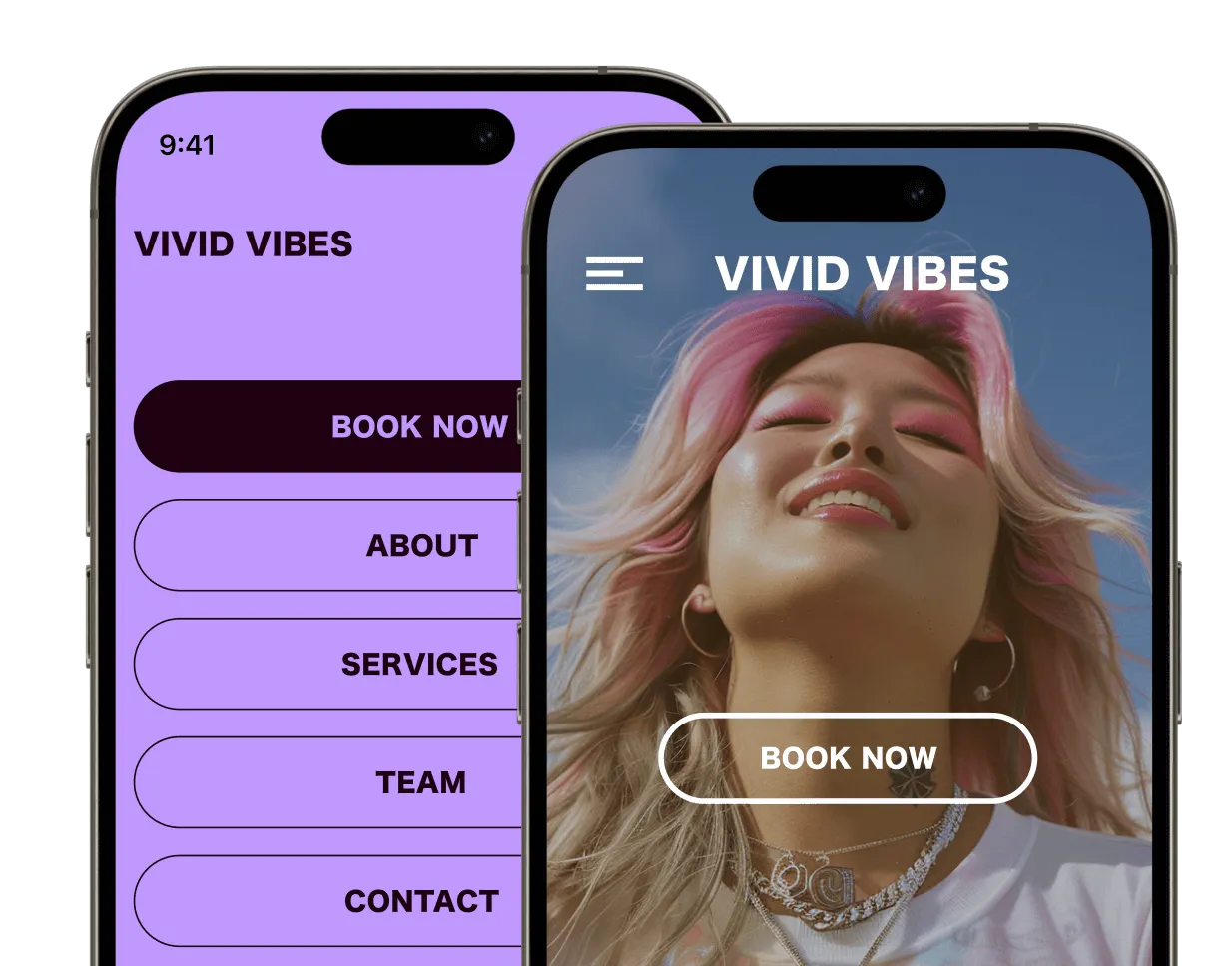
GlossGenius does not offer SOAP notes or prescription management. Its client notes function as basic appointment-level comments rather than structured clinical records. That limitation is not a failing for GlossGenius’s target users – a hairdresser does not need a prescription module – but it makes the platform unsuitable for medically-led aesthetic practices where documented clinical decision-making is required.
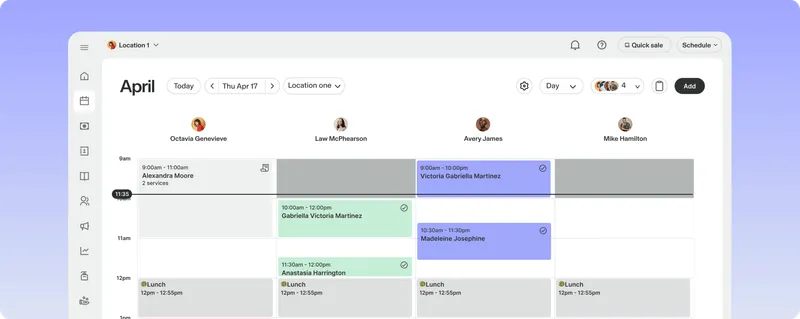
On scheduling, the platforms serve different operational scales. Pabau’s calendar supports multi-location management, multiple practitioners, treatment room allocation, and complex appointment logic – including packages, course bookings, and recall workflows. GlossGenius offers a clean, intuitive booking interface that works well for a solo practitioner managing their own diary. When a practice grows beyond two or three practitioners, GlossGenius’s scheduling capabilities become limiting. Pabau’s online booking system handles patient-facing scheduling across multiple services and locations within a single account.
Consent forms and intake forms follow the same pattern. Pabau’s digital forms are customisable, version-controlled, and tied to specific treatments – a patient completing a Botox consultation form signs and stores it against their clinical record. GlossGenius supports basic intake forms, but without the clinical governance layer that regulated practices need.
GlossGenius has earned a strong reputation among solo beauty professionals for its genuinely clean user experience. Setup is fast – most users can configure their services, booking page, and payment processing within a single session. The mobile app is consistently praised as one of the better-designed tools in the beauty booking space, and for a solo esthetician or nail technician managing their own schedule, it does the job without unnecessary complexity.
The built-in payment processor is a genuine differentiator. GlossGenius operates its own card processing system with a flat-rate fee structure, and the integration between booking and payment is tight. Clients can pay at checkout or online, tip digitally, and receive automated receipts – all within the same platform. For beauty professionals who previously juggled a separate card reader and booking app, the consolidation is meaningful.
GlossGenius also invests heavily in its marketing and client-facing tools. Each practitioner gets a customisable booking website with a portfolio-style layout, which suits beauty professionals who rely on visual presentation to attract clients. Automated follow-up campaigns, rebooking reminders, and promotional tools are well-integrated and straightforward to activate. According to Capterra reviewers, ease of use and the integrated payment experience are among the most consistently praised aspects of the platform.
GlossGenius has limited capability for practices with more than one or two practitioners. Multi-location support, complex staff permission structures, and treatment room management are not core strengths of the platform. A growing aesthetic practice with three or four practitioners working across different service types will find the scheduling logic constraining.
The absence of clinical documentation is a hard ceiling for medically-led practices. No SOAP notes, no prescription module, no audit-trail records – these are not missing features that might be added in a future release. They represent a fundamental difference in what the platform was designed to do. GlossGenius is also primarily US-focused, which creates friction for UK and European practices navigating GDPR data residency requirements and ICO obligations. Third-party integrations are fewer than competitors serving the clinic market, which can limit workflow automation for practices using tools like Xero or specialist marketing platforms.
Pabau’s strength is the depth of its clinical and operational infrastructure. A medical spa or aesthetic clinic running on Pabau has a single system for patient records, clinical notes, consent forms, appointment scheduling, invoicing, marketing automation, and staff management. That consolidation eliminates the patchwork of separate tools many clinics rely on – each carrying its own data silo and integration risk.
The compliance management capabilities are notable for UK-regulated practices. GDPR-aligned data handling, CQC-ready documentation workflows, and consent audit trails are built into the platform rather than bolted on. For any practice working under a prescribing clinician or operating within CQC inspection scope, this matters. Pabau also supports multi-location and multi-practitioner environments natively – a chain of aesthetic clinics can manage calendars, staff rotas, inventory, and patient records from a single account.
The marketing suite targets clinical retention rather than consumer brand-building. Automated recall reminders for treatment courses, email and SMS campaigns, loyalty programmes, and review collection workflows are all oriented around bringing patients back. That focus suits a clinical practice better than consumer-facing social media tools. According to Capterra reviewers, Pabau rates 4.3 out of 5, with users consistently highlighting the depth of clinical features and the quality of appointment management tools.
The onboarding curve is steeper than GlossGenius. A platform with this many features requires time to configure correctly, and some users report that initial setup – particularly around clinical forms, automation rules, and reporting – takes longer than expected. Pabau has invested in onboarding support and training resources, but practitioners switching from simpler tools should expect a learning period.
Some users have noted occasional software bugs and response time variation from customer support. These are not uncommon growing pains for a platform expanding its feature set rapidly, but they are worth factoring in for clinics with high appointment volume that depend on consistent system performance. The pricing structure, which scales with team size, can also feel less transparent than GlossGenius’s flat monthly fee for clinics trying to forecast software costs at the outset.
GlossGenius operates on a flat monthly subscription model, with pricing in USD targeted at the US beauty market. According to GlossGenius’s website, plans start at around $24 per month for an individual practitioner, with a higher tier at around $48 per month offering additional features. Payment processing fees apply on top of the subscription. For a solo beauty professional, the entry cost is low and the value proposition is clear.
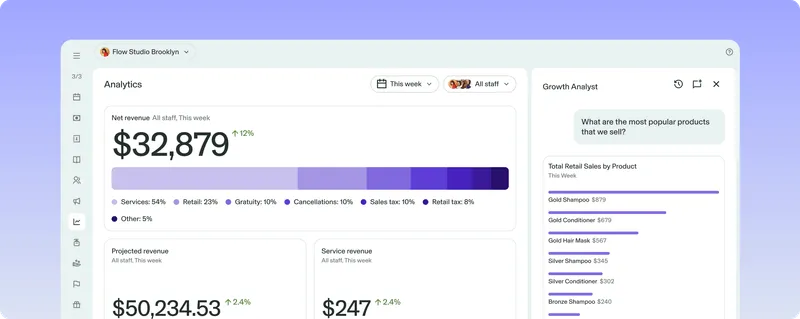
Pabau’s pricing follows a tiered model that scales with team size and the features required. Plans are available on request and are structured around clinic size – solo practitioners, small teams, and multi-location operations each have different pricing brackets. For detailed, current pricing, check Pabau’s pricing page directly, as plans are regularly updated. The broader feature set and clinical infrastructure that Pabau provides reflects a higher price point than GlossGenius for equivalent team sizes, though the comparison is not straightforward: Pabau replaces multiple standalone tools that a clinic might otherwise pay for separately.
A medically-led aesthetic clinic comparing the two platforms should consider total cost of ownership rather than headline subscription price. A practice running GlossGenius for booking alongside separate tools for clinical records, consent management, inventory, and compliance reporting may find Pabau’s consolidated approach more cost-effective at scale. The medical spa EMR software capabilities built into Pabau’s platform alone would represent a significant standalone cost.
Before committing to either platform, map every tool your practice currently uses – booking, clinical records, consent forms, payments, marketing, inventory. Tally the monthly cost. Then compare that total against a single-platform alternative. The headline price of any one tool rarely reflects the full software spend a clinic carries.

From SOAP notes and injection plotting to multi-location scheduling and GDPR-aligned consent management – Pabau brings every part of your clinic workflow into one platform. Book a personalised demo to see how it fits your practice.

Integration depth reflects the different markets these platforms serve. Pabau connects with accounting tools, marketing platforms, payment processors, and specialist clinic systems – its integrations page covers the most commonly used third-party tools in the UK and international clinic market. For practices using Xero for accounting, Stripe for payments, or specialist lab ordering systems, Pabau’s integration ecosystem is meaningfully broader.
GlossGenius has fewer third-party integrations, which aligns with its product philosophy: a self-contained platform for beauty professionals who want everything in one place without needing to connect external tools. For its target user – a solo esthetician or nail technician – that works well. A practice that needs its booking system to talk to its accounting software, CRM, and marketing platform will find GlossGenius limiting.
On support, both platforms provide onboarding resources and help documentation. Pabau offers dedicated customer success management, on-site training, and tiered support plans – relevant for clinic teams where multiple staff members need to learn the system. GlossGenius’s support model is oriented toward individual practitioners who are self-sufficient after initial setup. For larger practices or those with complex workflows, the quality and availability of support during setup and ongoing operations is worth investigating before committing. The clinic management software buyer’s guide covers what to ask providers during a demo or trial period.
Review data for these two platforms reflects their distinct audiences. According to Capterra reviewers, Pabau holds a rating of 4.3 out of 5. Positive themes centre on the comprehensive clinical features, the quality of appointment management tools, and the benefit of having multi-practitioner workflows in a single system. Critical feedback focuses on the learning curve during initial setup and occasional support response times – consistent with a feature-rich platform that requires proper configuration to get the most from it.
GlossGenius does not have a publicly available Capterra rating in the data available at the time of writing. According to GlossGenius’s Capterra profile, user sentiment consistently praises the ease of setup, the clean mobile app, and the integrated payment experience. Critical themes include the limited feature set for growing teams, the absence of clinical documentation tools, and fewer integrations with third-party software compared to alternatives serving the clinic market.
The pattern is consistent across review platforms: GlossGenius earns high marks for simplicity and for nailing its core use case, while Pabau earns its ratings from users who need clinical depth and operational scale. These are not competing on the same ground – they are optimised for fundamentally different operators.
The right choice depends almost entirely on whether your practice requires clinical documentation.
Choose Pabau if you operate a medical spa, aesthetic clinic, dermatology practice, physiotherapy clinic, or any setting where clinical records are a regulatory requirement. Pabau is also the right choice if you manage more than one location, employ multiple practitioners, need GDPR-compliant data workflows, or want a single platform covering scheduling, clinical notes, consent forms, payments, marketing, and inventory. Practices in the UK working within CQC inspection scope will find Pabau’s documentation infrastructure directly relevant. Review Pabau’s best medical spa software overview to understand how it positions against a broader range of competitors.
Choose GlossGenius if you are a solo beauty professional – a hair stylist, nail technician, esthetician, or massage therapist – primarily based in the US, and your priority is a clean, mobile-first booking experience with integrated payments. GlossGenius does that job very well for its intended audience. It is not the right tool for a medically-led practice, but for a solo beauty operator who wants to get up and running quickly without a steep learning curve, it is a strong option.
Consider a cosmetic nurse injector opening a solo aesthetic clinic. She offers Botox, dermal fillers, and skin boosters. She needs consent forms signed before every treatment, clinical notes documenting product used, units injected, and injection sites, and a recall system to bring patients back for top-ups. GlossGenius cannot support that workflow. Pabau’s injection plotting tool, combined with its digital consent forms and automated recall reminders, handles every element of that patient journey.
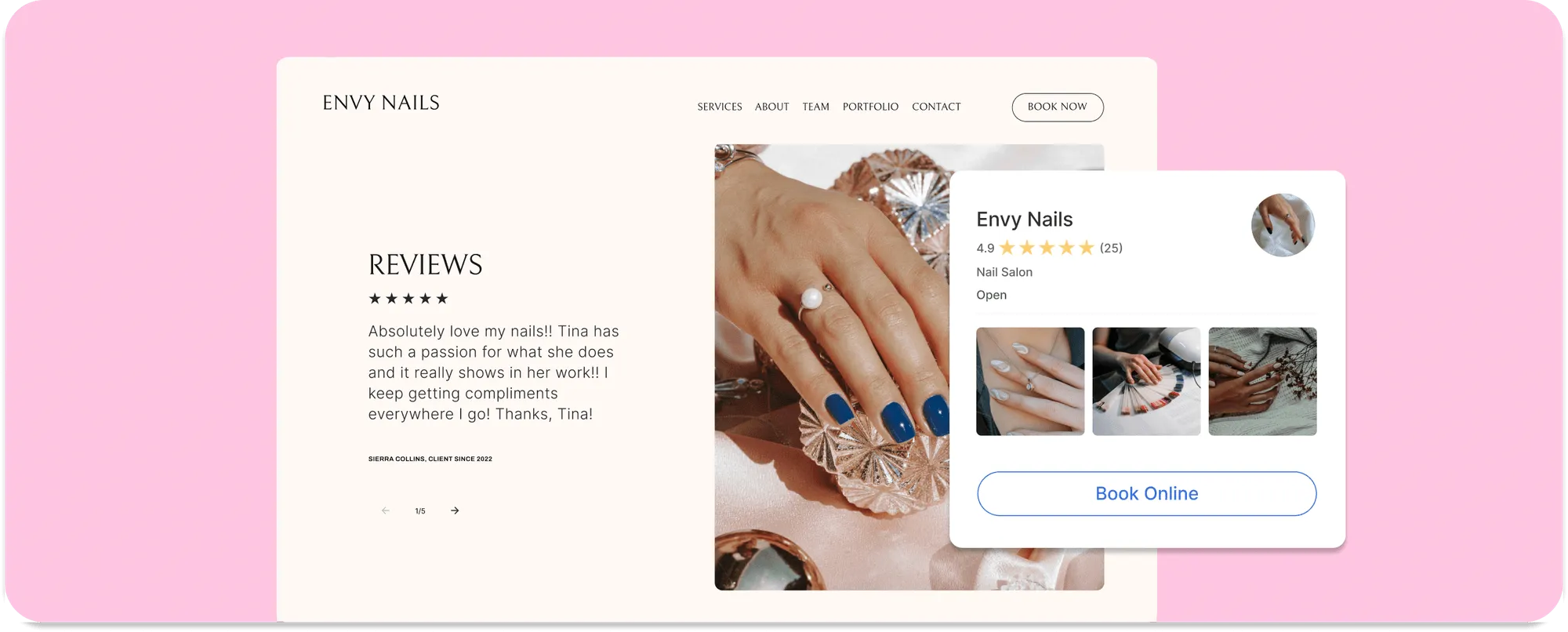
Now consider a freelance lash artist working from a home studio. She sees six to eight clients per day, takes payment by card, and wants to send automated appointment reminders. She has no clinical documentation requirements. GlossGenius is a natural fit – low cost, simple setup, integrated payments, and a booking website that showcases her portfolio. Pabau’s clinical infrastructure would be unnecessary overhead for her operation.
A third scenario: a multi-location aesthetic group with four clinics across two cities, employing a combination of doctors, nurses, and beauty therapists. They need staff management, treatment room allocation, cross-location reporting, patient records accessible to any clinician, and marketing automation targeting different patient cohorts by treatment type. Pabau’s multi-location management and marketing tools are built for exactly this operational complexity. GlossGenius would not scale to meet those requirements. The multi-location med spa management guide covers the specific challenges practices face as they scale beyond a single site.

Need a compliance checklist for your aesthetic practice? Medical Spa Compliance Checklist covers the documentation, consent, and audit trail requirements that regulated practices must meet.
Evaluating Pabau against other competitors in the market? Best Aesthetic Clinic Software compares leading platforms across the clinical and operational features that matter most to aesthetic practices.
Considering what clinical features a medical spa really needs? Medical Spa EMR Software explains the documentation and record-keeping requirements specific to medically-led aesthetic practices.
Ready to compare Pabau against another specific competitor? Pabau Compare offers detailed head-to-head comparisons across the platforms most commonly evaluated alongside Pabau.
Pabau vs GlossGenius is not a close race when the buyer’s clinical requirements are taken into account. GlossGenius is a well-executed platform for what it is: a booking and payments tool for solo beauty professionals, primarily in the US market. It does not pretend to be a clinical management system, and for its intended audience, it does not need to be.
Pabau is built for a different standard of operation. Medical spas, aesthetic clinics, physiotherapy practices, and multi-specialty healthcare providers need clinical records, compliance workflows, multi-practitioner scheduling, and the kind of governance infrastructure that regulated services require. Pabau delivers that across a broad range of specialties – from skin clinics and medical spas to physical therapy and wellness practices.
If your practice sits at the intersection of beauty and medicine – offering both aesthetic treatments and medically governed services – Pabau is the platform that can grow with that complexity. GlossGenius cannot. Reviewed against current independent software review data and verified product documentation from both platforms.
Pabau is a clinical practice management platform built for medical spas, aesthetic clinics, and healthcare practices – it includes SOAP notes, prescriptions, consent forms, and compliance workflows. GlossGenius is a booking and payments tool designed for solo beauty professionals such as hair stylists and estheticians. The core difference is whether your practice requires clinical documentation: if it does, Pabau is the appropriate choice.
GlossGenius is not well-suited for medically-led medical spas. It lacks SOAP notes, prescription management, injection plotting, and clinical audit trails – all of which are standard requirements for medical spas offering injectables or laser treatments. GlossGenius works well for beauty-focused day spas and solo estheticians, but not for practices operating under a medical director or within regulated clinical frameworks.
Pabau is significantly better for multi-location clinic management. It supports multiple sites within a single account, with cross-location reporting, centralised patient records, staff management, and treatment room allocation. GlossGenius is designed for individual practitioners or small single-location teams and does not offer the same depth of multi-location operational support.
GlossGenius offers a flat monthly subscription starting at around $24 per month for an individual practitioner, with payment processing fees on top. Pabau’s pricing scales with team size and features, and is available on request via their pricing page. For a solo beauty professional, GlossGenius has a lower entry cost. For a multi-practitioner clinic needing clinical features, Pabau’s broader functionality often replaces multiple standalone tools, making direct price comparison less straightforward.
Pabau can support beauty salon operations – it includes online booking, scheduling, client management, payments, and marketing automation. However, its feature set is primarily designed for clinically governed practices. A pure beauty salon without clinical documentation needs may find GlossGenius or other salon-specific tools a better fit at a lower price point.
No. GlossGenius does not offer structured clinical notes, SOAP format documentation, prescription management, or clinical audit trails. It supports basic client notes at the appointment level, which are not equivalent to the clinical records required by regulated medical and aesthetic practices. Practices needing formal clinical documentation should consider a platform built for that purpose, such as Pabau.