Mental Health & Therapy Psychology
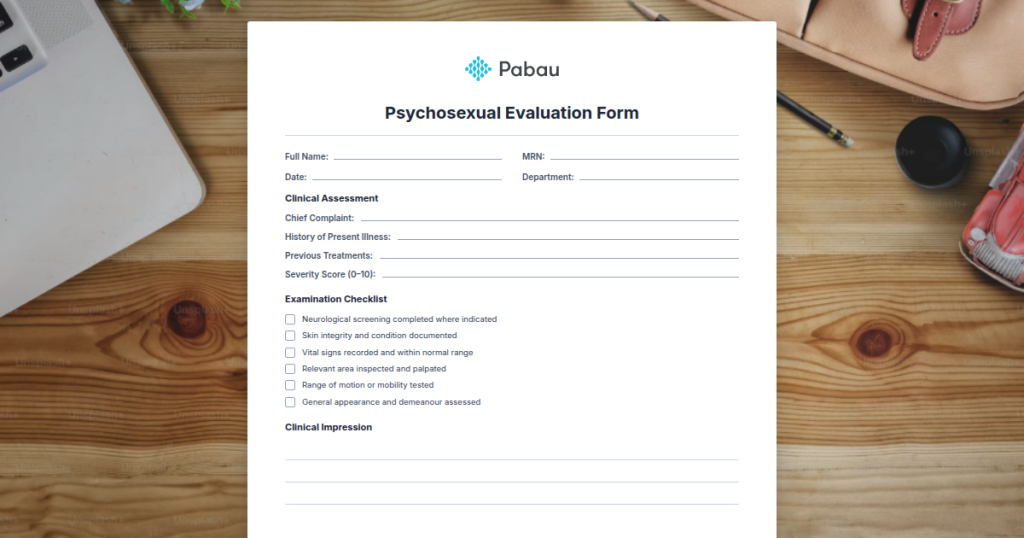
Psychosexual Evaluation Form
What is a Psychosexual Evaluation Form? A psychosexual evaluation form is a stan...

April 22, 2026


Buy now, pay later is now available in Pabau

Boredom is a documented relapse trigger; structured worksheets reduce risk
CBT-based exercises help clients identify triggers and develop coping strategies
Activity planning and healthy routines support long-term recovery sustainability
Worksheets work best when integrated into treatment plans by qualified counsellors
Boredom in recovery worksheets template is a critical tool for addiction counsellors and therapists helping clients navigate early recovery. When individuals enter recovery, unstructured time and lack of engagement become powerful relapse triggers. A structured boredom in recovery worksheets template provides the framework clinicians need to help clients identify their specific triggers, understand emotional patterns, and build actionable coping strategies that sustain sobriety.
A boredom in recovery worksheet is a therapeutic document grounded in cognitive behavioural therapy (CBT) principles designed specifically for addiction recovery settings. The worksheet guides clients through structured self-reflection exercises that target the boredom-relapse pathway-a well-documented connection in evidence-based addiction treatment literature.
These worksheets serve multiple clinical functions. They help clients recognise emotional signals that precede boredom-driven cravings. They structure activity planning in concrete, measurable terms. They create accountability by tracking completed recovery activities. Unlike generic time-management tools, boredom in recovery worksheets template formats address the neurobiology of addiction recovery: the brain’s reduced reward sensitivity during early sobriety, the vulnerability to negative affect, and the protective effect of structured engagement.
Regulatory compliance matters here. The Substance Abuse and Mental Health Services Administration (SAMHSA) recognises structured worksheets as evidence-based tools within the broader cognitive-behavioural treatment framework. Clinicians document worksheet use in client records to demonstrate structured relapse prevention work, supporting both clinical quality and regulatory defensibility.
A ready-to-use therapeutic worksheet featuring trigger identification sections, CBT-based coping strategy exercises, activity planning templates, and progress tracking checkboxes.
Download templateImplementing a boredom in recovery worksheets template requires clinical integration, not standalone assignment. The worksheet works within a structured treatment sequence that maximises client engagement and therapeutic outcomes.
Clinicians using a digital forms system can streamline worksheet administration and integrate results directly into client records, enabling real-time outcome tracking and compliance documentation.
Boredom during recovery is not a minor inconvenience-it is a clinically significant relapse risk factor grounded in addiction neurobiology. Understanding why boredom emerges helps clinicians and clients appreciate why a structured boredom in recovery worksheets template matters.
Substance use dysregulates the brain’s reward system, creating a state where normal activities feel less pleasurable. During early abstinence, dopamine levels gradually normalise, but this process takes weeks to months. In the interim, clients experience anhedonia-the inability to feel pleasure from previously enjoyable activities. Boredom becomes intense.
Simultaneously, unstructured time exposes clients to internal cues (cravings, anxiety, negative thoughts) and external triggers (old social environments, idle hours). Without a plan, boredom + unstructured time = high relapse risk. This is precisely why boredom in recovery worksheets template approaches centre on structured activity planning: external structure compensates for neurobiological reward deficits until the brain stabilises.
Boredom in recovery worksheets template is most effective for specific practitioner and client populations where time management and activity structure directly address relapse risk.
Implementing a boredom in recovery worksheets template delivers measurable clinical and operational benefits. Clients benefit from structured relapse prevention; clinicians benefit from documentation and outcome tracking.
Clinical outcomes: Structured activity planning reduces relapse risk by increasing reward exposure and filling high-risk time gaps. The worksheet creates an objective record of coping attempts, enabling clinicians to assess what strategies work for each individual and adjust treatment accordingly.
Compliance and liability: Documented boredom in recovery worksheets template use demonstrates evidence-based relapse prevention practice. This protects clinicians during peer review, accreditation audits, and potential liability claims by showing structured, individualized care planning.
Engagement and accountability: Clients feel supported when clinicians invest time in planning concrete activities together. The visible, trackable progress builds self-efficacy and reinforces the message that recovery is possible with structured effort.
Clinicians can further amplify outcomes by integrating worksheets with appointment scheduling and progress tracking. A mental health practice management system enables real-time client activity logging, automatic reminder scheduling, and outcome data aggregation for quality improvement.

Streamline worksheet administration, activity scheduling, and outcome tracking with Pabau's integrated forms and progress monitoring tools designed for addiction treatment settings.

A boredom in recovery worksheets template is most effective when embedded within a broader relapse prevention framework, not deployed as an isolated tool. Integration matters clinically and administratively.
Evidence-based relapse prevention models (Marlatt & Gordon, 1985; extended by contemporary research) identify high-risk situations-emotional states, social cues, unstructured time-and teach coping responses. Boredom occupies a unique position: it is both an emotional state (negative affect tolerance) and a situational trigger (lack of engagement). The worksheet addresses both.
When integrating a boredom in recovery worksheets template, clinicians should connect it to the client’s overall treatment plan. Link worksheet activities to trauma-informed care principles (safety, trustworthiness, choice). Connect activity recommendations to the client’s values and recovery goals. Track worksheet completion as a process measure of engagement and relapse prevention adherence.
Clinicians should anticipate barriers to worksheet effectiveness. Awareness prevents misuse and optimises outcomes.
Using AI-powered clinical note assistance can help clinicians document worksheet sessions and track barriers efficiently, freeing time for direct therapeutic engagement.
Introduce the boredom in recovery worksheets template during the first 2-4 weeks of treatment, once acute withdrawal has stabilised and the client is cognitively ready for structured planning. Too early risks overwhelming; too late misses the high-relapse-risk window.
Both work clinically. Digital formats enable real-time progress tracking, automatic activity reminders, and integration with your practice management system. Paper worksheets work well for clients with limited digital access or those who prefer tactile engagement.
Recommend weekly activity tracking for the first 4-6 weeks, then bi-weekly as recovery stabilises. Use the boredom in recovery worksheets template as a progress checkpoint, not an ongoing burden. Reassess frequency based on client engagement and relapse risk.
The core approach works for adolescents through older adults. Adapt language and activity suggestions to developmental stage. Adolescents benefit from peer-focused activities; older adults may prioritise stability and meaningful purpose.
Non-completion signals barriers, not resistance. Explore: cost, transportation, shame, skill deficits, competing demands. Use the boredom in recovery worksheets template as a dialogue tool, not a report card. Adjust activities to remove barriers; rebuild from smaller wins.
A boredom in recovery worksheets template is a practical, evidence-informed tool that translates relapse prevention science into concrete clinical practice. By helping clients identify boredom triggers, develop coping strategies, and schedule protective activities, the worksheet addresses a documented high-risk moment in addiction recovery. Whether delivered on paper or through digital systems, consistent use during early recovery strengthens engagement, documents treatment quality, and builds the structured support that sustains long-term sobriety. Clinicians and treatment programmes should make the boredom in recovery worksheets template a standard component of discharge planning and relapse prevention work.