Mental Health & Therapy Speech Therapy
Penetration Aspiration Scale Template
Penetration Aspiration Scale Template Overview The Penetration Aspiration Scale ...

March 17, 2026


Buy now, pay later is now available in Pabau

Family engagement in therapy enhances treatment outcomes and long-term success.
Clinicians play a central role in fostering open communication and collaboration with families.
Structured strategies help families understand, participate in, and reinforce therapy goals at home.
Tailored approaches for pediatric and adult speech therapy ensure inclusivity and sustainability.
Family Therapy engagement is one of the most significant predictors of therapy success, especially in speech therapy.
However, many clinics struggle to engage families consistently throughout treatment.
This guide explores actionable strategies clinicians can use to strengthen family participation, improve communication, and enhance overall therapy outcomes.
In speech therapy, family engagement refers to the consistent and meaningful involvement of family members in therapy sessions, home exercises, and goal planning. Research shows that active family participation can accelerate progress, increase motivation, and reduce drop-out rates.
A recent study found that greater caregiver engagement in adolescent wilderness therapy programs was significantly associated with improved mental health outcomes, with caregiver participation predicting positive changes in program effectiveness and adolescent well-being.
To achieve high levels of engagement, clinicians should focus on these four pillars:
Clinicians can implement several strategies to strengthen family engagement and collaboration:
During the initial consultation, explain the importance of family involvement. Outline the roles and responsibilities each member will have, from attending sessions to completing home practice. Use visual aids or written materials to clarify the process and align expectations.
Set therapy goals that reflect the family’s priorities. For example, if a parent wants their child to communicate more effectively during family meals, incorporate that scenario into therapy planning. Family-centered goals enhance motivation and make progress measurable in real-life contexts.
Invite family members to observe, participate, or record parts of sessions (with consent). This helps them understand the techniques used and replicate them accurately at home. Active participation also builds confidence in supporting therapy activities independently.
Provide clear, easy-to-follow home programs. For pediatric clients, this might include language games or interactive activities. For adult clients, you can recommend conversation prompts or daily speech practice exercises. Consistency between clinic and home is key.
Families value transparency. Share progress updates frequently—either verbally, through digital reports, or using visual progress charts. Consistent updates reinforce commitment and make therapy feel collaborative rather than clinician-led.
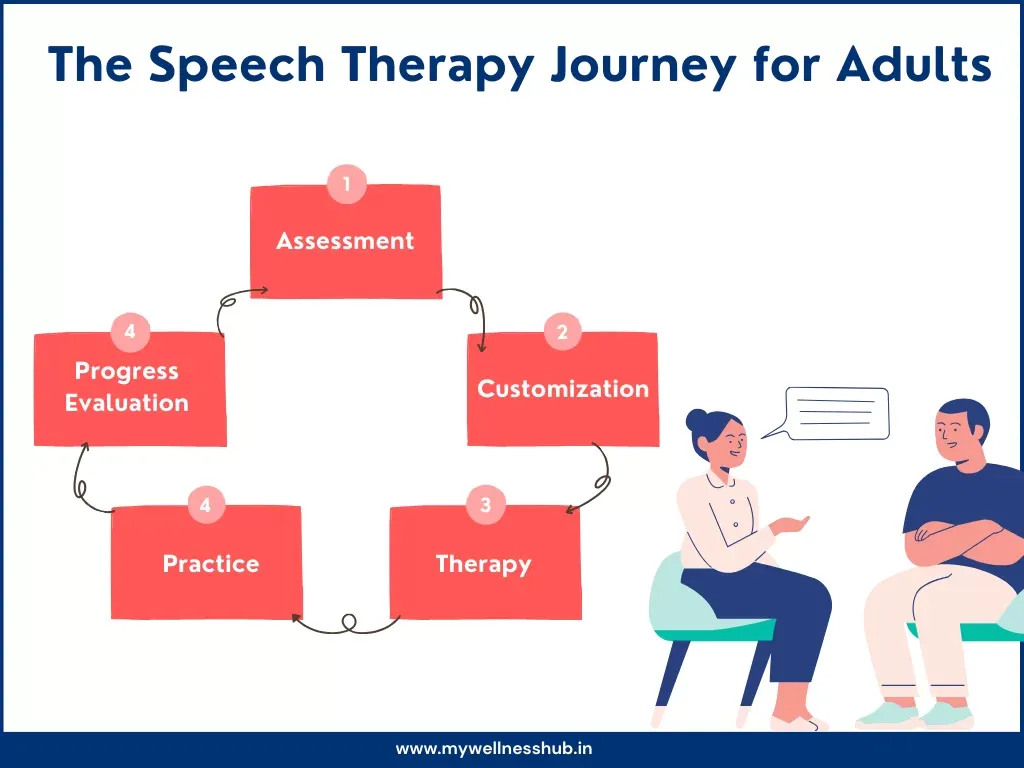
Source: My Wellness Hub
| Aspect | Pediatric Speech Therapy | Adult Speech Therapy |
|---|---|---|
| Primary Family Role | Parents or caregivers actively support exercises and attendance. | Spouses, adult children, or caregivers reinforce therapy goals. |
| Motivation Focus | Making therapy playful and rewarding for the child. | Building autonomy and confidence post-injury or illness. |
| Session Involvement | Parents may observe and participate in structured play or drills. | Family members may join communication-focused sessions. |
| Common Barriers | Busy family schedules, limited understanding of exercises. | Caregiver fatigue, emotional adjustment challenges. |
| Best Practices | Provide visual handouts and home activity kits. | Offer structured conversation tools and follow-up summaries. |
Even with strong communication, some families struggle to remain consistently involved. Barriers can include time constraints, emotional burnout, or uncertainty about their role in the therapy process.
Clinicians can address these through structured check-ins, flexible scheduling, and clear education materials.
Research shows that speech therapy works better when parents or caregivers are actively involved. When families are trained to support therapy activities at home, children are more likely to stick to therapy routines and make stronger progress than with clinician-only sessions.
Creating a culture of family inclusion begins with leadership and team alignment. Train all staff to value family input, provide family-friendly spaces, and use digital tools that simplify communication. When engagement is embedded in clinic culture, it becomes a habit rather than a task.
Effective family therapy engagement transforms the therapy experience. By fostering open communication, shared goals, and structured home support, clinicians can ensure families become active partners in care. Whether working with children or adults, these strategies build stronger, more sustainable progress.
So, if your speech therapy clinic handles language disorders, fluency, or multi-location coordination, this guide can help you create a structured family engagement framework that boosts retention and satisfaction.
It supports a truly collaborative care model — empowering families, improving consistency, and aligning therapy goals between clinicians and caregivers.
Request a live demo with Pabau today.