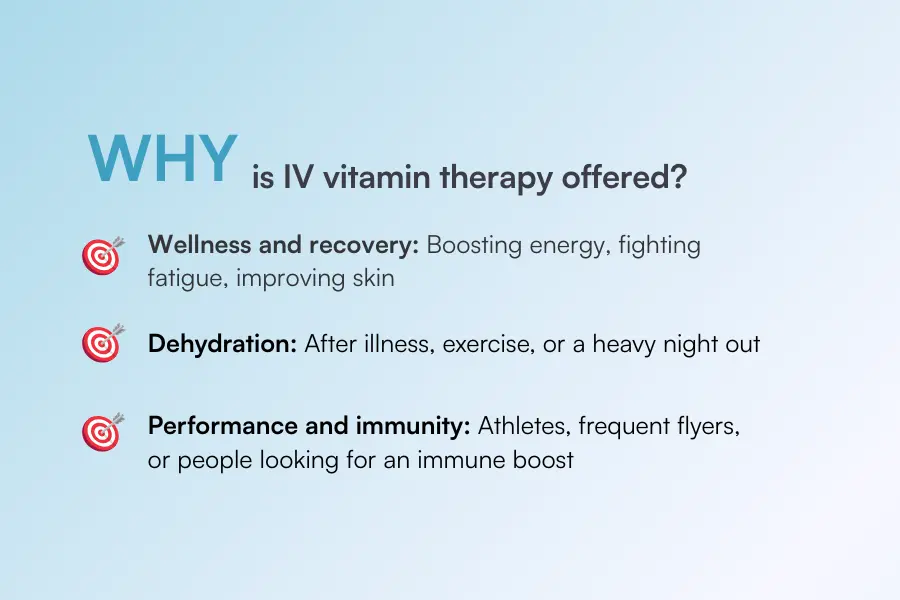
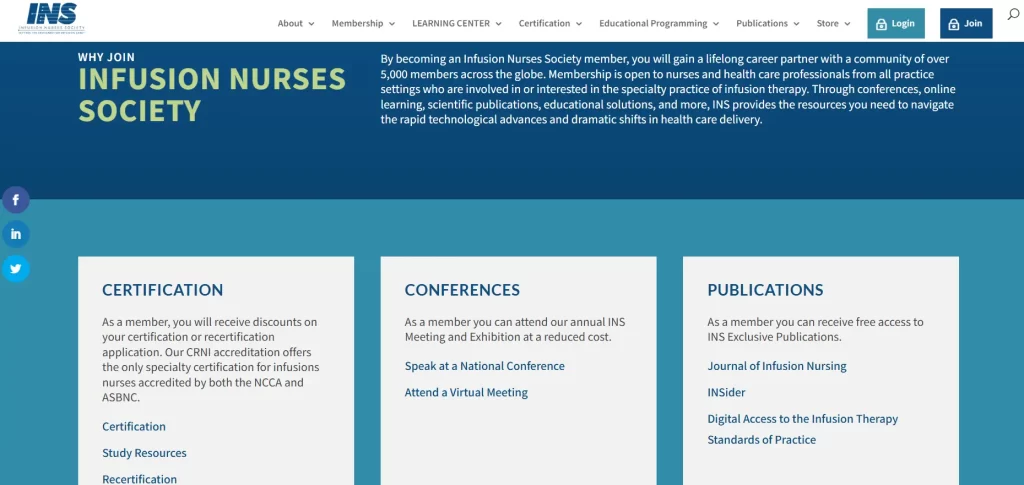
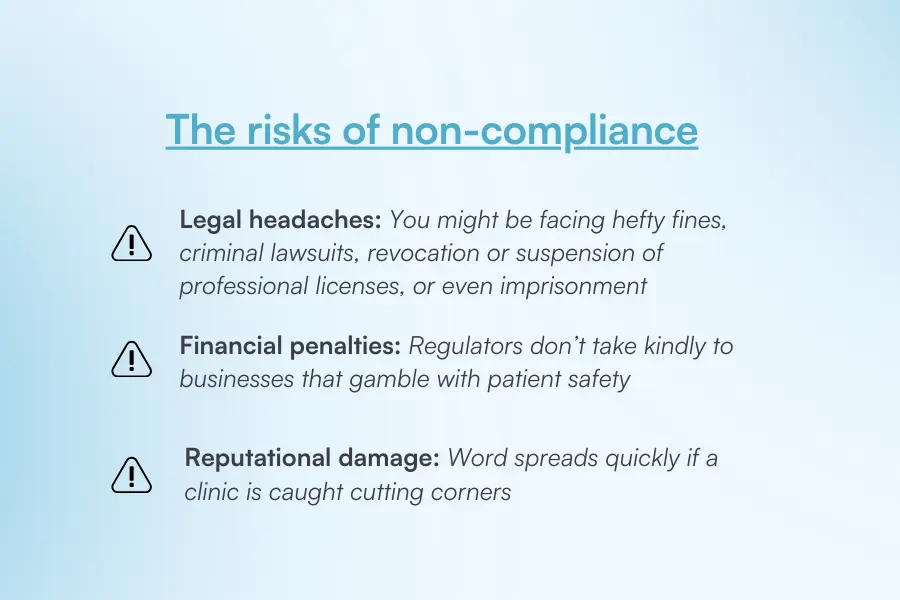
Picture this: A client books an IV drip expecting a quick pick-me-up, but halfway through, they start feeling faint. Who do you want in the room?A trained nurse who knows how to act fast, or someone whose only prep was a weekend course? That’s why the question of who can administer IV therapy matters way more than just ticking a regulatory box.With IV hydration therapy booming in spas, gyms, and wellness clinics, plenty of people are asking the same thing: who’s qualified, and who isn’t?The answer isn’t always straightforward, because the rules about who can administer IVs differ by country and region.That’s why we created this practical guide: to make things clear for anyone exploring the service. What is IV vitamin therapy and why is it regulated? IV vitamin therapy is the process of delivering vitamins, minerals, or fluids directly into the bloodstream through a vein. Instead of relying on oral supplements, which the digestive system breaks down and absorbs slowly, IV drips provide 100% bioavailability, getting all nutrients into the body straight away.Mainly, it’s offered for things like: Source: Pabau Even though IV therapy might sound simple and straightforward, and it’s often used for things like hydration, wellness, and immunity, it’s still a medical procedure. After all, it involves delivering substances directly into the bloodstream. Done wrong or by someone unlicensed, it can cause infections, phlebitis, or worse. That’s why following the rules matters: it keeps your patients safe, your business on the right side of the law, and your reputation solid. Who can administer IV vitamin therapy? The short answer is: It varies, since each state sets its own rules.Under Texas Bill 3749, only physicians, PAs, APRNs, or RNs can provide elective IV therapy outside a doctor’s office or licensed facility, but only under physician supervision. In short, IV administration can’t be delegated to unlicensed staff.In general, IVs must be done by medical professionals such as: Licensed physician (MD/DO) are authorized to administer IVs and oversee their administrationParamedics: Usually allowed to administer IV therapy, primarily in pre-hospital and emergency settings; however, it depends on the regionNurse Practitioners (NPs) and Physician Assistants (PAs): Depending on state laws, have the authority to administer IV therapy, sometimes independently and other times under supervisionRegistered Nurses (RNs): Typically permitted to inject IVs, though in some regions, they may require supervision or additional certification.Licensed Practical Nurses (LPNs): May administer IV therapy in certain areas, in most states, only under supervision and with additional training and certificationMedical assistants (MAs): In some states, they can perform IV insertions with proper training and under supervision, but generally, they aren’t allowed to administer medication via IV.When it comes to training and certification requirements, even for qualified healthcare professionals, IV therapy isn’t something you can just start offering as IV vitamin therapy requires a deeper understanding of things like: ✔️ Cannulation and venipuncture skills ✔️ Aseptic technique✔️ Pharmacology basics, knowing what’s being infused and at what doses✔️ Side effect recognition✔️ Emergency response and what to do if a patient crashesAlso, medical oversight is essential to ensure safety and compliance, even when your team is qualified. Usually, that is the role of a medical director, a licensed physician who sets protocols, reviews treatment plans, and supervises the staff when administering IV therapy. Medical professionals Medical professionals such as medical doctors (MDs), nurse practitioners (NPs), and registered nurses (RNs) are most commonly authorized healthcare providers of IV therapy. This is because their training covers:The anatomy and physiology of patientsClinical judgement needed to insert an IV safelyMonitoring of patients during infusions Quick response if complications ariseAn RN, for example, might place IV lines every day in a hospital. Moving those skills into a wellness setting is a natural step because they already know how to deal with complications like fainting or vein inflammation. Also, nurse practitioners can often go further, diagnosing, prescribing, and even running IV programs without direct doctor supervision (again, depending on where they practice). Allied health professionals In some regions, allied health professionals, such as: ParamedicsPhysician associates (PAs)Licensed vocational nurses (LVNs) – may also be permitted to administer IV drips. Allied health professionals are university-trained providers who deliver diagnostic, therapeutic, technical, and support services across healthcare settings. This is because their training often includes IV insertion and patient monitoring; however, the rules around how and when they can use these skills depend on the local laws and clinic protocols.For example, a paramedic may be highly skilled at inserting IVs in an ambulance setting. Still, depending on the state regulations, they may or may not be able to work independently in a wellness spa. As an IV hydration clinic owner, it’s critical to confirm whether allied health professionals in your region can perform drips, and if so, under what conditions. Otherwise, you risk operating outside compliance. Non-medical professionals with training This is the part where things get very blurry and tricky. Generally, everyone, including non-medical professionals such as: Beauty therapistsWellness practitioners, or Other non-medical providers (health and wellness professionals, nutritionists, or health coaches)can take IV treatment education courses to gain knowledge. However, completing such a course does not legally allow them to perform the IV-related functions they’ve been taught.Also, most US states allow unlicensed assistive personnel (UAP) to insert peripheral IV cannulas under the license of an independent practitioner after completing an IV therapy education course. Within the United States, UAPs can be employed under many titles: Medical assistants (MAs)Certified nurse assistants (CNAs)Patient care technicians (PCTs)PhlebotomistDialysis techniciansAnesthesia techniciansDental assistant, and Emergency medical technicians (EMTs) However, some states, including California, Connecticut, South Dakota, and New York, do not allow UAPs to insert IVs.Still, in case of an incident, the practitioner is legally liable for anything resulting from the non-medical personnel’s action or inaction. ❗The Pedagogy Continuing Nurse Education suggests that before taking such courses, you should always check your state’s rules and regulations for verification, as rules regularly change. Training and certification requirements Being a licensed nurse or doctor doesn’t automatically mean you can start giving wellness drips tomorrow. Most professionals still need IV-specific certification that goes beyond general medical training. Popular certifications in the US include courses offered by the Infusion Nurses Society (INS), the American Cross, and various accredited IV therapy training centers, typically covering:Cannulation skillsAseptic techniqueDosage and infusion rate protocolsSpotting side effects, allergic reactions, extravasation, and fluid overloadManaging adverse reactionsDocumentation, compliance, and scope of practice Source: Infusion Nurses Society Also, because emergencies (though rare) can happen, CPR and basic first aid training are necessary. Imagine a client suddenly develops a severe allergic reaction during an infusion. If the provider doesn’t recognize it and act immediately, the results could be catastrophic.For non-medical staff, certification is even more critical. It teaches not just the practical skills, but also the boundaries of their role, such as when to stop and call in a medical professional. Risks of non-compliance Running an IV therapy business without the proper qualifications or oversight without licensure can backfire in a big way. By backfire, here, we refer to: Source: Pabau Messing up compliance isn’t just a paperwork problem — it can hit your wallet, put your license at risk, and even tarnish your clinic’s reputation.Also, a good example of this is the case of the tragic death of Jenifer Cleveland in 2023 from Fairfield, Texas, who lost her life after receiving an IV drip infusion at a Luxe Med Spa by Amber Johnson in Texas. Even though criminal charges haven’t been filed against the spa’s owner so far, the Texas Medical Board suspended the medical license of the acting medical director at the med spa due to an allegation that he failed to supervise the administration of IV therapy properly. 💡The Texas House Bill 3749 — known as Jenifer’s Law — was introduced in response to a tragic case and pushed state regulators to tighten oversight of the elective IV therapy industry. How Pabau can help you stay organized and compliant📋 At the end of the day, IV therapy works best when you treat it for what it is: a medical service with a wellness appeal. And since it falls under the medical service umbrella, you must respect the rules, which means hiring the right professionals and backing it all up with a system that keeps you compliant. To do that, you need a robust all-in-one practice management software solution like Pabau. It’s designed for IV therapy clinics too, to simplify scheduling, patient records, and payment processing, whether you run an in-clinic or mobile IV therapy service. Some of the key features it’s key features for IV therapy clinics are:✅ Paperless client records where you can securely store and manage patient medical history data, digital consent forms, and treatment notes, from anywhere, anytime.✅ Effortless online booking 24/7 so clients can schedule callouts or in-clinic appointments, saving time and reducing hassle.✅ Stock management so you always keep track of supplies, manage orders, and stay stocked up; no more admin errors.✅ Automated communication before and after IV sessions, ensuring optimal results✅ Customized pre- and post-care guidance for your clients, making pre- and post-care treatment protocols straightforward for both clients and your teamIf you want to run a safe, smooth, stress-free IV therapy business for your clients and your team, now is the time to book a free demo with Pabau and see it in action. You’ll be surprised at everything it can do for your business.

New Businesses A complete guide to med spa franchise agreements If you’re thinking about turning your med spa into a franchise or joining a fr... Jana Dimovska December 1, 2025
New Businesses Texas med spa licensing laws: What you need to know Opening a med spa in Texas can be exciting, but before you start offering treatm... Jana Dimovska November 25, 2025
New Businesses Understanding private GP referrals to NHS specialists As private healthcare becomes increasingly popular in the UK, more patients are ... Jana Dimovska November 25, 2025
New Businesses Medical practice business plan You’ve worked hard, built up an incredible clinical skill set, earned a loyal ... Ivana Karafiloska November 3, 2025