Pricing is where a lot of great med spas start losing money without even noticing. Not because the treatments aren’t worth it, but because the strategy behind them is shaky.
Some clinics undercharge to stay competitive and struggle to scale. Others see loyal clients drop off after a few visits, or stay fully booked but still miss revenue targets. The symptoms vary, but the root is often the same.
If your pricing isn’t supporting your growth, it’s quietly holding it back.
This guide breaks down what actually works in a med spa business. From smart pricing models to common mistakes to real-world examples, we’ll show you how to turn your pricing into a driver of long-term profit.
Why med spa pricing strategy matters more than you think
Before a client even walks through the door, they’re already forming opinions about your med spa. And like it or not, what you charge plays a big role in shaping them.
Pricing signals more than just a number.
It hints at high-quality care, professionalism, and the kind of experience that awaits on the other side of the booking button. If it aligns with your brand, it builds confidence. If it doesn’t, clients start second-guessing whether you’re the right fit.
Your price list isn’t just there to balance the books. It’s part of your positioning. It tells people:
✔️ Whether they’ll feel confident coming back again
The emotional side of pricing
You can be the most skilled injector in town, but if your prices feel off, clients will hesitate.
They’re not analyzing techniques or checking ingredient lists. They’re scanning your menu, spotting a $150 price point next to a treatment and wondering if it’s cutting corners. Or $1500 and expecting results straight out of a TV makeover show.
What you charge shapes expectations just as much as it reflects value. It tells clients whether you’re the expert they’ve been looking for or a gamble they’d rather not take.
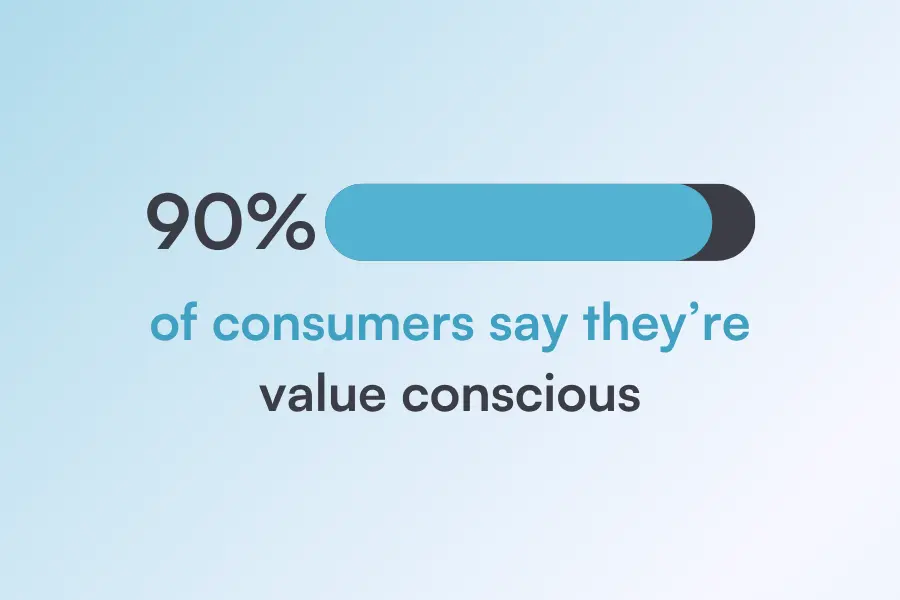
A global study by Boston Consulting Group found that up to 90% of consumers say they’re value conscious, but only a small fraction actually go for the lower prices, even when the difference is tiny.
So no, clients aren’t hunting for bargains. They’re choosing the provider that feels worth the spend.
What happens when pricing goes wrong
Most pricing problems don’t announce themselves with flashing red lights. They sneak in quietly and drain your profits while you’re busy doing everything else.
You’ll know it’s happening when:
Clients vanish after their third Botox with zero plans to return
You’re charging $150 for a Hydrafacial, while another practitioner charges $250, and now there’s a Facebook rant about your “shady pricing”
You spent an hour designing a package that now sits unbooked because clients don’t see the value
You’re booked solid, but you’re still side-eyeing your bank account
Every promo turns into a discount spiral, and no one’s paying full price unless they forget to ask
If that hit a nerve, it’s time to rethink your strategy and focus on the pricing that reflects your aesthetic treatments accurately.
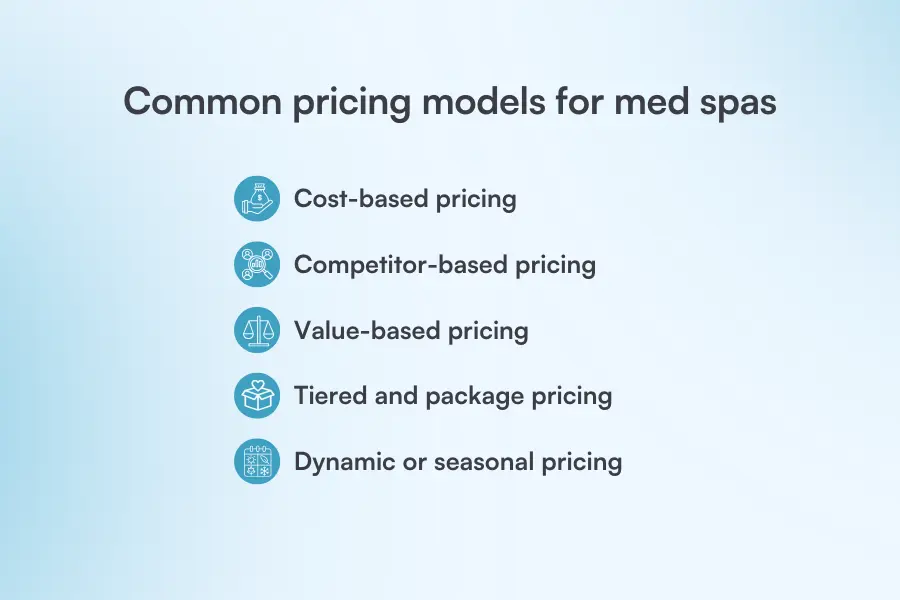
Common pricing models for med spas (and how to know which one fits you)
There’s more than one way to price a treatment. Some methods are straightforward and predictable. Others seem smart until your profit margins start slipping through your fingers.
The image below gives you a quick overview of the most common pricing models med spas rely on.
Let’s take a closer look at what makes each one a good (or not-so-good) fit for your business.
Cost-based pricing
Let’s start with the basic one. Add up your costs (product, time, staff, rent, snacks), tack on a margin, and that’s your price.
Yes, it covers expenses. But it isn’t always the best strategy, because it says nothing about what clients are willing to pay. Or how much they value the person holding the syringe.
Good for: Retail skincare, basic facials, anything with predictable supplies.
Watch out for: Missing indirect costs like admin, prep, cleanup, or that “quick consultation” that turns into a 20-minute skin deep-dive.
Competitor-based pricing
You scan the market, see what others are charging, and aim for competitive pricing by matching or slightly undercutting.
It helps you stay within the right range and avoid wild pricing mismatches. But it’s built on guesswork and assumes your competitors are actually pricing smart(they might not be 🤷).
Plus, your overhead might be nothing like theirs, which can leave you stuck with pricing that either eats into your margins or pushes you out of the market without even realising it.
Good for: Getting a sense of local pricing norms.
Watch out for: Matching someone else’s unsustainable strategy without knowing their costs, client base, or services they offer.
Value-based pricing
This strategy puts client outcomes and perceived value front and center. You price based on the transformation you deliver, not just the time it takes or the products you use.
It’s how high-end clinics justify premium pricing and attract clientswho care more about results than discounts.
Good for: Injectables, skin programs, personalised treatment plans.
Watch out for: Skipping the education piece. Clients need to understand what they’re getting and why it’s worth the price.
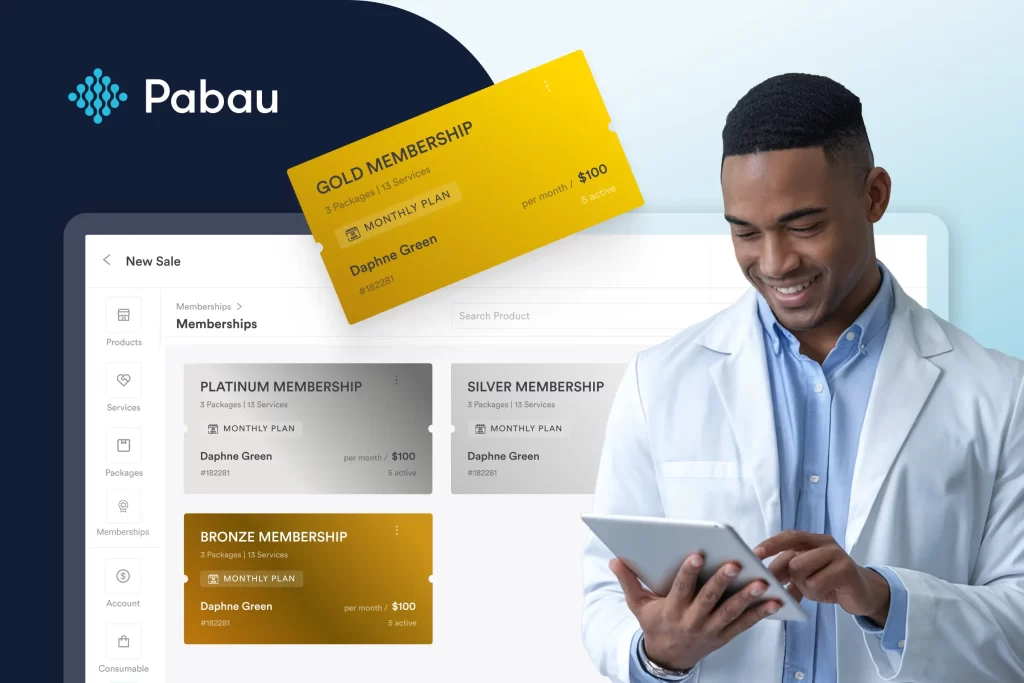
Tiered and package pricing
Think of this as pricing for long-term relationships.
Bundles, memberships, and loyalty programs give clients a reason to stick around. And most will, if you make it easy.
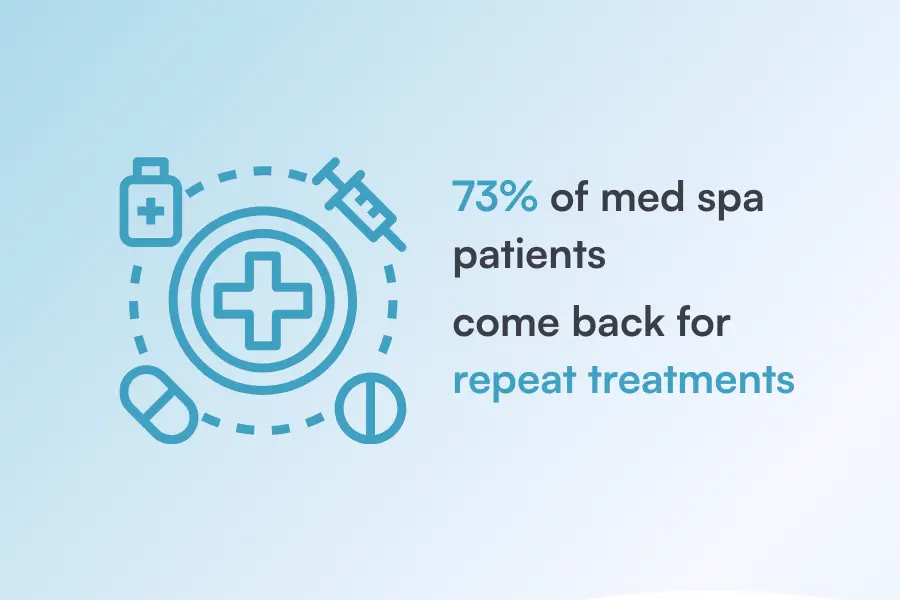
According to AmSpa’s 2024 report, 73% of medical spa patients come back for repeat treatments. This suggests the field of medical aesthetics is becoming more established in American culture, with more people weaving treatments into their everyday lives.
The loyalty’s already there, and your pricing just needs to support it.
Good for: Recurring services like facials, fillers, botox, microneedling, and laser hair removal.
Watch out for: Confusing package structures. If clients need a calculator to figure it out, it’s too complex.
Dynamic or seasonal pricing
This is a flexible, data-informed model that adjusts pricing based on demand, seasonality, or availability.
Used well, dynamic pricing helps you fill quiet slots, reward early birds, and boost revenue without handing out endless discounts.
Good for: Slower periods, last-minute openings, premium time slots.
Watch out for: Lack of clarity. Clients will feel like they’re taking a risk if prices swing up and down without a clear reason. Most prefer predictability when it comes to their skin. That uncertainty can cost you their trust.
Questions to ask before you set your prices
Before you settle on a pricing strategy, get clear on a few core fundamentals.
📍 Who’s your ideal client, and what are they willing to pay?
Botox bargain hunters and luxury skincare lovers aren’t shopping the same menu. Price for the clients you actually want to attract.
📍 What are your fixed and variable costs per service?
You need to know exactly what each treatment costs you to deliver, from supplies to staff to setup time.
📍 Are your treatments premium or budget-friendly?
Your pricing should match the experience. If your service feels high-end, the number on the menu should too.
📍 What’s your competition doing, and how are you different?
Knowing the local market helps you stand out for the right reasons instead of blending in or undercutting yourself.
📍 Do you want more bookings or more profit per booking?
Each goal needs a different pricing model. Be clear on what growth looks like for your clinic, then build around it.
🚨 Quick heads up: Not every med spa has clear answers to these questions, and that’s okay. What matters is having the tools to figure them out.
Pabau is an all-in-one practice management software that helps you get a proper handle on your service costs, booking patterns, and deposits. That way, your pricing actually lines up with how your business runs, not how you hope it does.
Real-world examples: matching pricing models to med spa goals
Knowing every pricing model doesn’t mean much if the numbers still feel off. What truly works depends on a few key factors like your pace, your clients, and what kind of business you’re trying to build.
Here’s how different strategies tend to play out in real med spas. ⬇️
A startup med spa looking to build a client base
The doors are open, the booking system’s live, and the only thing missing is… well, clients.
At this point, visibility and attracting new clients are the priority, not squeezing every penny out of each treatment.
Short-term offers can make a big difference early on:
Intro pricing that gets people in the door
Packages that encourage a second visit
Clear limits so promos don’t drag on forever
👉 If this is you: Automate the follow-ups, set a clear end date, and keep an eye on who actually rebooks. One-time discounts don’t build a client base — consistency does.
An established clinic introducing a high-end treatment
Let’s say you’re rolling out a full-face injectable treatment.
Or a six-week microneedling and LED series with results worth showcasing. It’s premium, it’s layered, and it needs more than a line on your treatment menu. Presenting it as a package with a fitting price point helps underline the value from the start.
👉 If this is you: Make sure your team can explain the value, not just the steps. Use consults to walk clients through the process, show before-and-afters, share timelines, and back it up with testimonials.
A solo practitioner managing demand with limited hours
The calendar is full, regulars are returning, referrals keep coming, and the waitlist isn’t getting any shorter.
There’s no slowdown, just one person trying to meet growing demand without burning out. In this kind of setup, pricing has to support the workload, not add to it.
👉 If this is you: Raise your rates to reflect demand, not just market averages. Add deposits to cut down on no-shows and last-minute reschedules. And set clear limits on how many appointments you take each week.
How to test, tweak, and improve your pricing over time
Pricing’s not permanent. Like skincare, it needs checking, adjusting, and the occasional full reset when things stop working.
Here’s how to optimize your pricing strategy and keep it in shape. ⬇️
Pick one or two treatments and trial a new price while keeping everything else consistent
Monitor client behavior to spot shifts in booking patterns, upgrades, or cancellations
Use booking data to identify services that always fill up and those that consistently underperform
Review rebooking frequency to see if pricing is encouraging long-term loyalty or pushing clients away
Adjust pricing by time of day to better balance demand across your schedule
Remember, even a quick monthly check-in can make a difference.
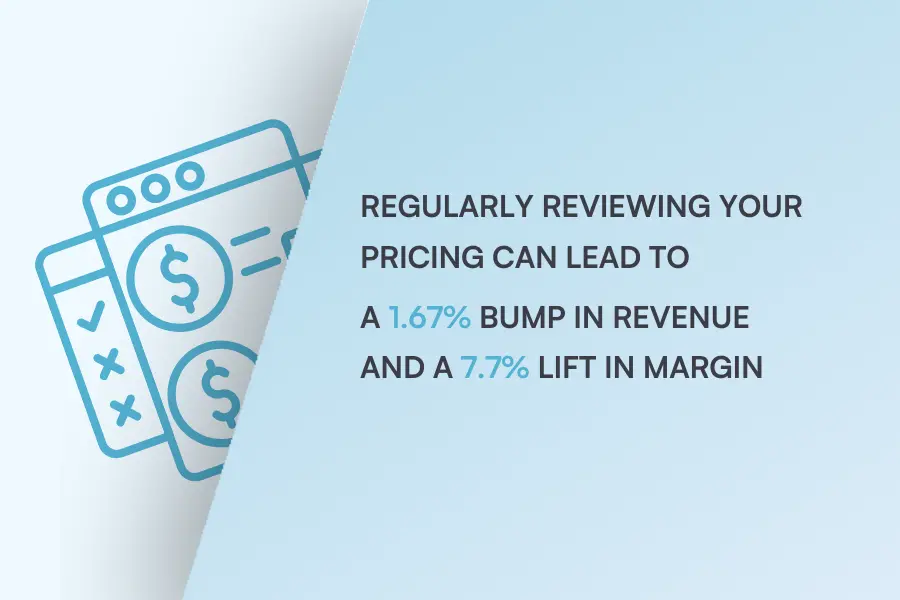
Revenue Management Labas ran a study showing that regularly reviewing your pricing can lead to a 1.67% bump in revenue and a 7.7% lift in margin. Not bad for a task that takes less time than your daily inbox clear-out.
💡 Pro tip: Pabau’s real-time reports break your numbers down by treatment, practitioner, time slot, and client type. You’ll know who your big spenders are, where you’re losing money to no-shows, and which services actually lead to repeat bookings.
Mistakes to avoid when choosing a pricing strategy
A weak pricing strategy isn’t always about bad numbers.
It’s usually a mix of rushed decisions, assumptions that don’t hold up, and trying to please every type of client at once.
Here’s what tends to go off track:
Copying competitor prices. You don’t know their overheads, their retention, or how many discounts they’re throwing in just to stay booked.
Undercharging for high-skill treatments. If it takes a steady hand and serious training, it deserves more than entry-level pricing.
Overcomplicating packages. If a client has to pause and figure it out, they’ll move on before they hit “book.”
Changing prices without context. Quiet updates cause confusion, and confused clients don’t rebook.
Not tracking what happens next. Price adjustments mean nothing if you’re not watching bookings, rebookings, and revenue shifts.
💡 Pro tip: Clear breakdowns of what’s included and how much each part costs make it easier for clients to trust the price.
With Pabau, invoices can show exactly what clients are paying for, including the treatment name, quantity, unit price, any discounts applied, tax, and the final total. This helps make the checkout process transparent and professional.
How Pabau helps you build a confident pricing strategy
There you have it. The strategy, the structure, the pricing models that drive real results.
Now it comes down to execution, and that’s where even the best plans can fall apart.
Because pricing won’t get you far if it’s a pain to manage or leaves clients confused at checkout. It only works when it’s simple to set, easy to stick to, and clear across the board.
That’s exactly what Pabau is built for. It helps you:
✔️ Adjust pricing based on practitioner, demand, or time of day
✔️ Add deposits at booking to cut cancellations and protect your revenue
✔️ Build flexible packages that clients actually understand and use
✔️ Keep pricing aligned across your services, calendar, and team
And the impact goes beyond pricing. As Dr. Jordan Faulkner from Allo Aesthetics put it:
“I wanted to be able to sit back and know that that was automated and done for me, without patients feeling like they were let down.”
“Your instinct at the start of creating a business is to try and pull back on costs and things like IT software, but actually that’s quite shortsighted. By investing in something like that, it frees up your time to focus on those more important things.”













![Medical Aesthetics Marketing: 8 Strategies to Grow Your Practice [Updated 2026]](https://pabau.com/wp-content/uploads/2022/07/Medical-Aesthetics-Marketing-8-Strategies-to-Grow-Your-Practice-Updated-2026-1-1024x614.webp)