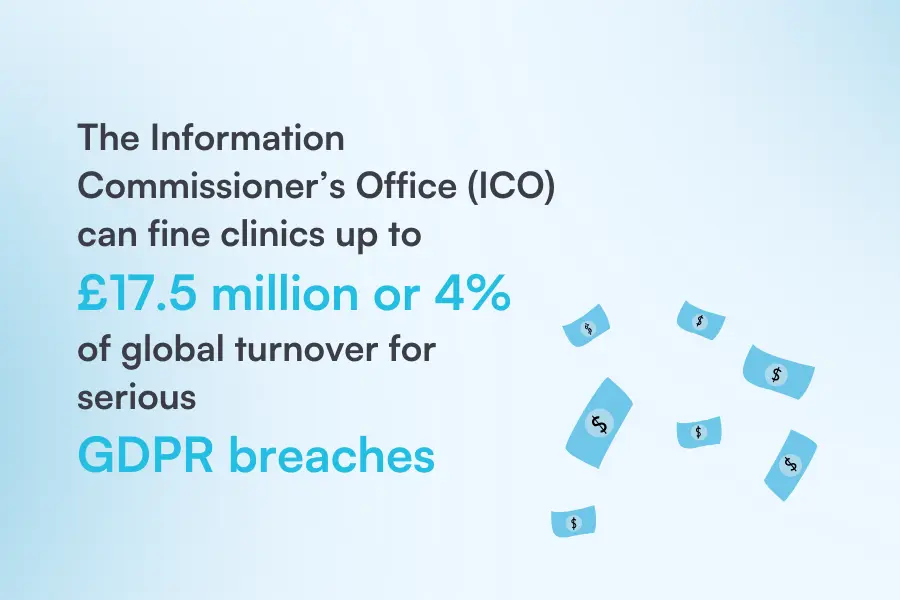
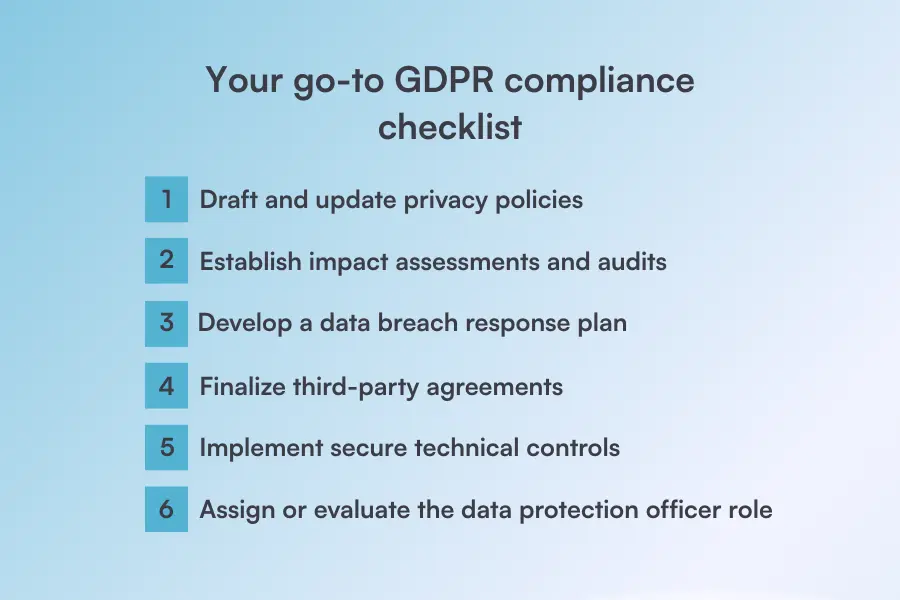
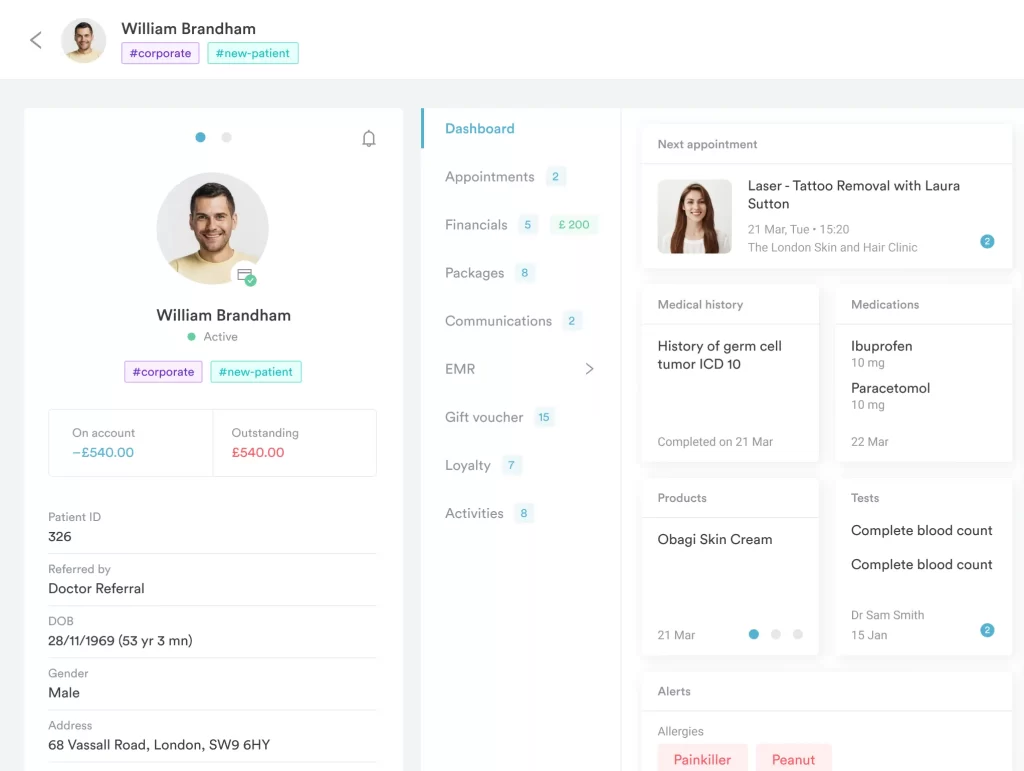
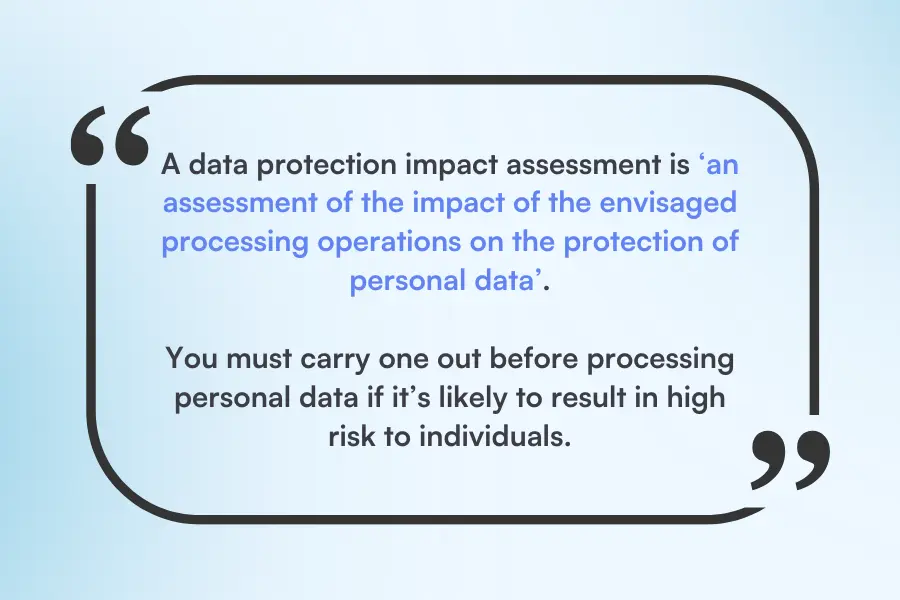
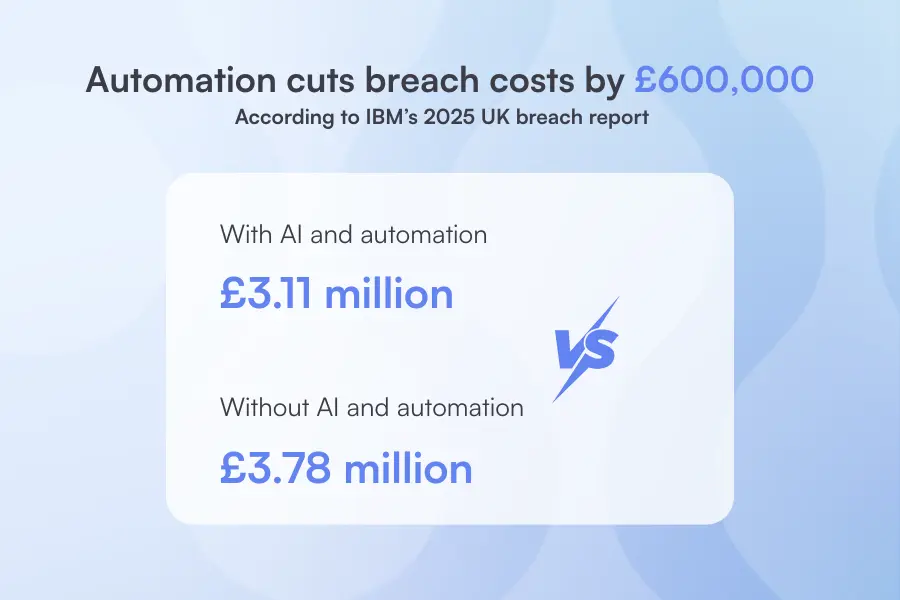
There’s probably a form on your desktop right now that you meant to update three weeks ago. Could be the privacy policy or the patient photo consent. Either way, it’s still sitting there.You’re not the only one. In plenty of clinics, data protection falls into a grey zone. The basics are covered, but no one’s sure what’s current or who’s in charge. And when it comes to compliance, that kind of limbo doesn’t cut it.This guide breaks down what the General Data Protection Regulation (GDPR) means for your clinic, why it matters for patient trust, and how to keep up with evolving data protection laws.Let’s get to it. Understanding the UK GDPR and why it matters The UK GDPR lays out how your clinic should collect, store, and share personal data. If you handle patient information — and let’s be honest, every clinic does — these rules apply.We’re talking:✔️ Intake forms and treatment notes✔️ Before-and-after photos✔️ Email addresses and phone numbers✔️ Payment details✔️ Medical history and skin concernsAll of it counts. And since it’s the healthcare and wellness industries in question, the rules hit harder. Clients expect their details to be handled properly.So does the law.The Data Protection Act 2018 (DPA) sits alongside the UK GDPR and helps define your clinic’s responsibilities when handling patient data. In 2025, the UK also introduced the Data (Use and Access) Act, which builds on both with tighter guidance — especially around research, marketing, and automation.The Information Commissioner’s Office (ICO) is still in charge of enforcement, now with even more power to act. Fines can reach £17.5 million or 4% of global turnover, depending on the severity. Either one is enough to sink a business. Illustration: Pabau / Source: Information Commissioner’s Office So no, GDPR isn’t a side task for when you’ve got time. It’s central to how your clinic builds trust, protects reputation, and stays legally sound in a fast-changing industry. GDPR compliance checklist Time to give you what you came for: ⭐ the UK GDPR compliance checklist ⭐These are the six areas that matter most when it comes to staying compliant. As your tools, team, and workflows evolve, this list should be reviewed and updated to match. ⬇️ Source: Pabau Starting with the foundation… your privacy policy. 1. Draft or update privacy policies Your patients shouldn’t be left wondering what happens to their data. To clear up any uncertainty or confusion, you need a privacy policy that reflects the core data protection principles:Identity and contact details, including your role as the data controller and your Data Protection Officer (DPO)Processing purposes for each type of personal dataLawful bases for processing, such as consent, contract, or legitimate interestsRecipients of patient data, including any third-party tools or providers who you share the data withRetention periods, outlining how long you keep the data and when it’s securely deletedRights information that explains how patients can access or update their dataComplaint procedures, with contact details and a reference to the ICOAnd just a heads-up… make sure your policy’s up to date. Outdated policies are one of the easiest ways to slip into non-compliance without even realizing. It should be written in plain language that reflects how your clinic runs in practice.👉 Need a way to keep privacy records accurate without drowning in admin?Pabau’s all-in-one practice management software includes a client record feature that logs every consent form, treatment note, photo, and medical detail in one secure place. Source: Pabau Whether you’re working from the clinic or checking in remotely, all you need stays in sync and easy to find. 2. Establish impact assessments and audits A Data Protection Impact Assessment (DPIA) is a simple way to check how a new project or process might affect people’s personal data. It helps your clinic spot privacy risks early and plan how to minimise them before any information is collected or shared.There’s a line in the ICO’s guidance that deserves a closer look: Illustration: Pabau / Source: Information Commissioner’s Office In clinic terms, that means any change in your data processing activities, like how much sensitive data you handle, how it’s used, or who has access to it.So, when should you run a DPIA? Before introducing anything that touches a nerve on data privacy, like:✔️ Predictive booking systems✔️ Facial recognition at check-in✔️ Surveys on medical or emotional health✔️ Automated treatment suggestions✔️ Storing biometric data like scans or fingerprintsThese fall under the ICO’s “high-risk” flags: profiling, new tech, large-scale sensitive data, or decisions that could seriously compromise someone’s privacy. 👉 DPIA steps every clinic should follow:Describe the processing and its purpose. What categories of data are you collecting, who’s involved, and why?Assess necessity and proportionality. Is all of it essential, or could you do less?Identify and assess risks to individuals. Look for potential leaks, bias, or reputational harm.Put risk controls in place. Encryption, access limits, short retention windows, staff training — the basics that keep data safe.Document your decisions and reasoning. It’s your audit trail if the ICO ever asks questions. One more thing: If your DPIA still shows a high risk after all that, you’ll need to consult the ICO before moving forward. In more complex cases, it’s worth getting legal advice too. 3. Develop a data breach response plan Say your clinic mishandles personal data.Maybe a patient file lands in the wrong inbox. Maybe someone leaves a laptop on the train, or pokes around in records they had no reason to open.If there’s any risk to the person affected, you’ve got 72 hours to issue a formal breach notification to the ICO. That timer starts the moment you realize something’s gone wrong, whether it’s Tuesday morning or five minutes before the weekend.It’s a scenario more common than most clinics like to admit. Between 2023 and early 2025, healthcare organisations across the United Kingdom reported more than 3,800 breaches to the ICO — the highest of any UK sector. Clinics handle a lot of sensitive info, and it doesn’t take much for something to slip.Here’s how to deal with it 👇Contain the situation: Pull access, change passwords, and make sure the issue doesn’t spread further.Work out the scale: What type of data was exposed? How many patients are involved? What’s the potential fallout?Write everything down: Keep a record of what happened, what you did, and why.Report when you have to: If data subjects could be affected, contact the ICO and the individuals involved as soon as possible.Learn from it: Review what went wrong, update your processes, and make sure your team knows how to respond next time.There’s no way to guarantee mistakes won’t happen, but the right response shows your clinic takes data security and protection seriously… and that counts for a lot. 4. Finalize third-party agreements Chances are, you already rely on third-party services for booking systems, cloud storage, or IT support.If they’re handling patient data and following your instructions, they’re acting as a data processor. You’ll need a contract that clearly sets the boundaries.It’s called a data processing agreement, and it helps your clinic stay in control of data sharing, even when the information is handled by someone else. Third-party providers can include:Software providers: Practice management systems, email platformsService providers: IT support, cloud storage, appointment booking toolsProfessional services: Accountants, legal advisors, marketing agenciesClinical partners: Labs, imaging centres, specialist consultants They might be external, but they’re still working with personal data. The terms need to be clear from the start, with expectations set on both sides.The agreement should make it clear that:They’ll only process data based on your written instructionsAll staff involved are under confidentiality obligationsSecurity measures meet the level of risk and sensitivityThey’ll support your clinic with data requests, audits, or breachesData is either returned or securely deleted once the contract endsYou can carry out audits or inspections if necessaryWhen another company handles patient data, you don’t lose responsibility. You just share the risk, so the paperwork needs to be watertight. 5. Implement secure technical controls Once patient data enters your systems, information security becomes your clinic’s responsibility. From that point on, it’s up to you to keep it protected.Here’s how you keep things in check:Access controls. Staff should only access what they need. Set clear roles, enforce strong passwords, and switch on two-factor authentication across the board. A solid practice management system can also support this by helping you set role-based permissions and restrict access to sensitive data based on staff responsibilities.Encryption. Whether you’re storing skin scan results or sending forms between tools, the data should be unreadable to anyone who isn’t supposed to see it. Strong encryption won’t fix human error, but it can stop an accident from becoming a full-blown breach.Backup. Run backups on a regular schedule, store them offsite or in secure cloud systems, and test recovery before you actually need it. Network security. Keep your firewall active, your antivirus up to date, and install system updates when they’re due. These basics protect you from malware and ransomware attacks that can lock you out of patient files and grind your clinic to a halt.Physical security. Lock paper files away, don’t leave screens wide open at reception, and keep visitors from drifting into staff-only areas. Most data slip-ups start offline.You don’t need a high-tech bunker. You need a cybersecurity setup that holds steady under pressure. One that doesn’t crack the moment a password’s weak or a file goes walkabout. 6. Assign or evaluate the data protection officer role Every clinic needs someone who owns data protection. That doesn’t mean the person who gets copied into every GDPR email. It means a senior figure who can take charge, guide the process with clarity, and keep compliance steady across the business.A Data Protection Officer is mandatory in specific circumstances. For example, this applies if your clinic processes large volumes of sensitive data, uses CCTV to monitor individuals, or operates as part of the NHS.If you’re not legally required to appoint one, the responsibility still needs a clear owner. Give it a name, give it weight, and make sure the role is recognized at the leadership level.That person should be responsible for:Keeping your clinic aligned with GDPR requirementsRunning audits and reviewing systems regularlyMaking sure staff are trained, informed, and confident handling dataActing as the main contact for patients and the ICOSupporting DPIAs by advising on risks and how to mitigate themStrong compliance starts with strong ownership. One person with oversight and accountability will always go further than a dozen people vaguely sharing the task. Implement automation to help you achieve GDPR compliance Manual compliance management tends to fall apart when things get busy. Spreadsheets don’t get updated, policies get ignored, and the privacy notice hasn’t been touched in months.Automation keeps things moving without relying on memory or last-minute cleanups.You can track consent as patients update their preferences, flag records when they’re due for deletion, and respond to access requests without digging through folders. Every data touchpoint gets logged as it happens, and breach alerts come through while there’s still time to act.IBM’s latest UK breach report found that organisations using AI and automation brought their average data breach cost down to £3.11 million. Those without it? £3.78 million. That’s a £600,000 difference, just by having the right tools in place. Illustration: Pabau / Source: IBM Newsroom Here’s where automation makes a real impact:Capturing and updating consent automaticallyResponding to subject access requests quickly and accuratelyCreating full audit trails of every access or editDetecting suspicious activity and triggering alerts earlyReducing human error in compliance tasksEnabling proactive compliance monitoringFreeing up staff to focus on patient care 💡 Pro tip: Choose a system that builds compliance into your workflows from the start (Pabau does this brilliantly, by the way 😉). Automations like pre-care emails, consent form reminders, and automated backups handle the routine so your team has more time to take care of clients. Move forward with tools that simplify UK GDPR compliance You’ve made it through the checklist, and by now it’s easy to see how it all fits together. From solid privacy policies to access controls and smart automation, every piece strengthens how your clinic handles data.GDPR sits at the heart of that. It’s what helps you protect your reputation, build patient trust, and keep pace as regulations evolve and new tech lands on your desk.And that’s exactly where the right software makes all the difference.Pabau is an all-in-one practice management system that helps keep your clinic compliant, with data privacy, security, and safety built into the way you already work. It covers:✔️ Automated consent forms built into the client journey✔️ Role-based staff permissions and access controls✔️ Two-factor authentication and secure password rules✔️ Encrypted cloud storage for client records✔️ A security score and built-in recommendations to help you stay protectedEverything stays organized without adding extra admin to your day.If you’re ready to make compliance something that supports your clinic instead of slowing it down, book a free demo and see it in action.
Compliance and security How practice management software reduces claims in aesthetics It doesn’t take a major mistake to trigger a claim in aesthetics. Often, it’... Maja Muzhdeka November 14, 2025
Compliance and security How to navigate CQC registration: A step-by-step approach If you’ve ever tried to find your way out of a maze, you’ll know how complex... Ivana Karafiloska November 12, 2025
Compliance and security The modern UK GDPR compliance checklist for business success There’s probably a form on your desktop right now that you meant to update thr... Maja Muzhdeka October 22, 2025
Compliance and security How to choose the right commission structure for your med spa Every owner wants their aesthetic business to be the talk of the town, and outst... Tijana Kargovska August 13, 2025