ModMed leads in dermatology-specific clinical workflows with templated charting and specialty-specific decision support built exclusively for dermatologists
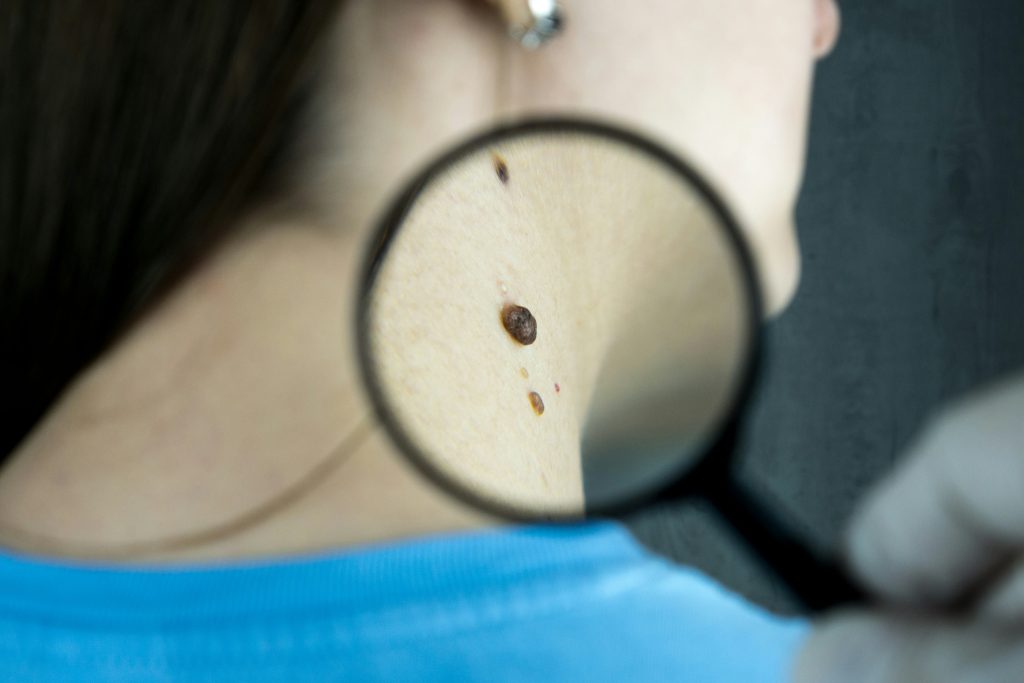
DermEngine excels in AI-powered skin lesion analysis and comprehensive dermoscopy image management for clinical photography tracking
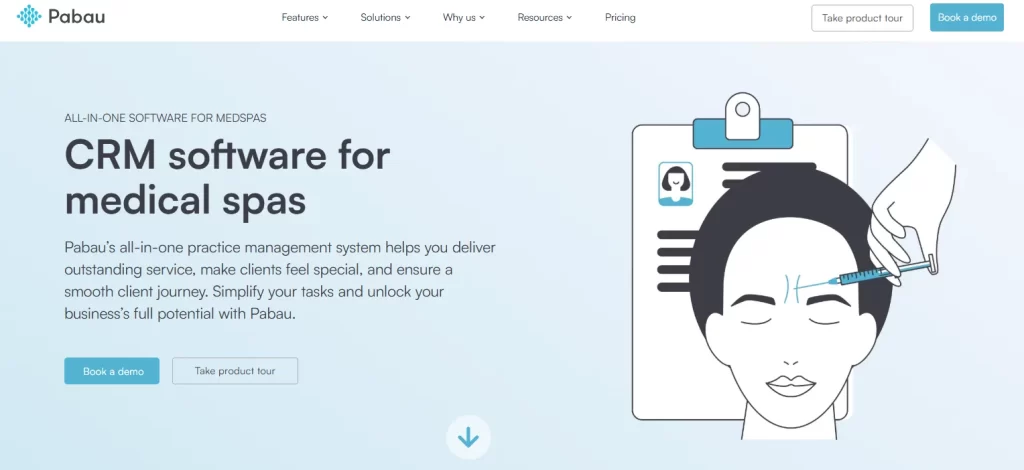
Pabau offers integrated aesthetic and dermatology workflows spanning booking, charting, patient management, and cosmetic procedure billing
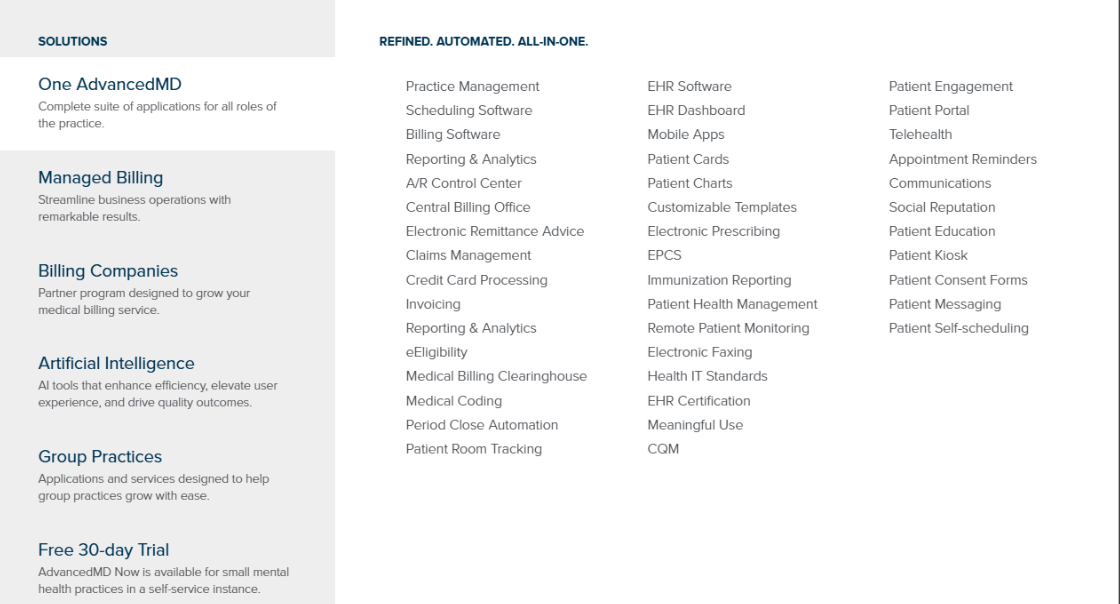
AdvancedMD provides robust revenue cycle management with advanced claims scrubbing and denial management for insurance billing automation
Pricing ranges from transparent per-user models (Pabau) to custom enterprise quotes (ModMed, athenahealth, eClinicalWorks)
Best Dermatology EMR Software in the US (2026)
Dermatology practices in the United States face unique operational demands. Medical dermatology requires ICD-10-CM coding for conditions like psoriasis and melanoma. Cosmetic dermatology involves tracking aesthetic procedures, photo documentation, and patient consent workflows. Insurance billing demands CPT and HCPCS code accuracy for both medical and surgical dermatology services.
The right dermatology EMR software streamlines these workflows. It reduces administrative burden while maintaining compliance with HIPAA, Meaningful Use, and ONC certification standards. This guide evaluates seven dermatology-focused platforms used across US practices in 2026, covering clinical features, pricing structures, integration capabilities, and user experience data.
According to the American Academy of Dermatology, more than 21,000 physicians worldwide are members of the AAD, representing the vast majority of practicing US dermatologists. According to the AAD workforce data, these dermatologists serve millions of patients annually. Practice size ranges from solo practitioners to multi-location specialty groups. Each practice model requires different EMR capabilities, from basic charting to enterprise-level revenue cycle management.
Name
Best For
Standout Feature
Starting Price
Rating
Pabau
Aesthetic and cosmetic dermatology practices seeking all-in-one clinical and operational workflows
Integrated injection plotting with before/after photo documentation
$62/user/month
4.7/5 (Capterra, 608 reviews)
ModMed
Medical dermatology practices requiring specialty-specific templated charting and clinical decision support
Dermatology-specific templated charting built exclusively for dermatologists
Contact for pricing
4.4/5 (Capterra, 360 reviews)
DermEngine
Practices focused on clinical photography, lesion tracking, and dermoscopy image management
AI-powered skin lesion analysis and comprehensive dermoscopy workflows
Specialty-specific scheduling templates optimized for dermatology workflows
Contact for pricing
4.1/5 (Capterra); 4.3/5 (G2)
AdvancedMD
Dermatology practices prioritizing insurance billing automation and revenue cycle management
Advanced claims scrubbing and denial management for insurance billing
Contact for pricing
3.6/5 (Capterra, 462 reviews)
athenahealth
Larger dermatology practices and groups requiring cloud-native scalability with mobile access
Cloud-native platform with intuitive mobile workflows and enterprise scalability
Contact for pricing
3.8/5 (Capterra, 835 reviews)
EZDERM
Dermatology-only practices needing purpose-built body mapping and lesion tracking workflows
3D anatomical body mapping with 3,000+ location points for lesion documentation
Contact for pricing
4.3/5 (SoftwareFinder, 22 reviews)
eClinicalWorks
Enterprise dermatology groups needing extensive third-party integration marketplaces
Extensive third-party integration ecosystem via healow Marketplace
Contact for pricing
3.7/5 (G2, 150 reviews)
Pabau: Best for Aesthetic and Dermatology Workflows with Integrated Practice Operations
Pabau serves aesthetic clinics and dermatology practices across medical, wellness, and cosmetic specialties. The platform integrates clinical charting, online booking, patient management, and marketing automation. Over 3,500 practices in more than 40 countries use Pabau to manage appointments, digital forms, before/after photo documentation, and payment processing.
US-based dermatology practices use Pabau for both medical and cosmetic procedures. The system supports ICD-10-CM diagnostic coding for insurance claims while also handling cash-pay cosmetic services. Pabau’s injection plotting tool maps filler and neurotoxin treatments directly within patient records, linking photos to treatment dates.
The platform runs on cloud infrastructure with HIPAA-compliant data encryption. Multi-location practices manage staff schedules, inventory, and financial reporting from a centralized dashboard. Appointment scheduling handles recurring visits, waitlist management, and automated SMS reminders.
Key Features
Injection Plotting: Visual face mapping for Botox, fillers, and other injectables with treatment history tracking linked to patient photos
Before/After Photo Management: Timestamped clinical photography with side-by-side comparison views and consent form integration
Digital Forms and Consent: Customizable intake forms, medical history questionnaires, and treatment consent documents completed via patient portal or in-clinic tablets
Online Booking: Embedded scheduling widget for practice websites with service-specific appointment types and staff availability controls
Billing and Payments: Integrated payment processing supporting insurance claims (CPT, HCPCS, ICD-10-CM coding) and cash-pay cosmetic transactions
Marketing Automation: Email and SMS campaigns with patient segmentation, recall workflows for follow-up treatments, and review request automation
Multi-Location Management: Centralized inventory tracking, staff scheduling across locations, and consolidated financial reporting
Echo AI Scribe: Voice-to-text clinical note generation powered by AI transcription reducing charting time
Pricing
Plan
Price
Who It’s For
Key Features
Essential
$62/user/month
Solo practitioners and small dermatology clinics
Calendar, online booking, patient records, digital forms, payment processing
Plus
$93/user/month
Growing practices needing marketing automation
All Essential features plus email/SMS campaigns, loyalty programs, advanced reporting
Enterprise
Custom pricing
Multi-location dermatology groups
All Plus features plus multi-location management, API access, dedicated account manager
Where Pabau Shines
Unified aesthetic and medical workflows: Handles both insurance-based medical dermatology (ICD-10-CM, CPT coding) and cash-pay cosmetic services in one system without requiring separate platforms
Visual treatment documentation: Injection plotting and photo management tools designed specifically for cosmetic dermatology procedures streamline documentation and patient education
Transparent pricing model: Per-user monthly pricing with no hidden fees allows practices to predict costs accurately compared to enterprise quote-based competitors
Built-in marketing tools: Automated recall campaigns, review management, and patient segmentation reduce dependency on third-party marketing platforms
Where Pabau Falls Short
Limited pure medical dermatology focus: Platform serves broader aesthetic market, so lacks deep dermatology-specific clinical decision support found in specialty-focused EMRs like ModMed
Learning curve for complex setups: Multi-location enterprises with intricate workflows may require extended onboarding and training periods
Customer Reviews
Pabau holds a 4.7/5 rating on Capterra (608 reviews) and a 4.5/5 rating on G2 (370+ reviews). Users consistently highlight the all-in-one functionality combining appointment scheduling, patient management, EMR, billing, and marketing automation. Clinical photography and before/after documentation tools receive strong positive feedback from aesthetic dermatology practices. Some reviewers note occasional bugs and suggest the interface could be more intuitive for complex workflows.
Who Pabau Is Best For
Cosmetic and aesthetic dermatology practices offering injectables, laser treatments, and skin rejuvenation services
Mixed medical-cosmetic dermatology clinics needing unified billing for both insurance and cash-pay procedures
Multi-location dermatology groups requiring centralized operational management and standardized workflows
Practices prioritizing patient experience through online booking, automated communications, and digital consent workflows
Streamline Your Dermatology Practice with Pabau
See how Pabau's all-in-one platform handles clinical charting, online booking, payment processing, and marketing automation for aesthetic and medical dermatology workflows.
ModMed: Best Dermatology EMR for Specialty-Specific Clinical Workflows
ModMed delivers cloud-based electronic health record systems built exclusively for specialty practices. The dermatology-focused product line includes templated charting designed for common skin conditions, procedures, and documentation workflows specific to dermatology. The system integrates clinical documentation, practice management, and revenue cycle management.
Over 40,000 providers across multiple specialties use ModMed’s platform. The dermatology module offers specialty-specific templates for conditions like psoriasis, melanoma, and actinic keratosis. Clinical decision support tools reference dermatology-specific treatment protocols and medication guidelines. The system maintains ONC certification status for interoperability standards.
Key Features
Dermatology-Specific Templates: Pre-built charting templates for common dermatologic conditions, procedures, and anatomical documentation
Clinical Decision Support: Specialty-specific treatment protocols, drug interaction checking, and evidence-based dermatology guidelines
Photo Documentation: Clinical photography integration with annotation tools and treatment timeline tracking
Practice Management: Scheduling, billing, and patient communications integrated with clinical workflows
Revenue Cycle Management: Claims submission, denial management, and payment posting optimized for dermatology billing codes
Patient Portal: Secure messaging, appointment requests, and access to visit summaries and treatment plans
ModMed Scribe 2.0: AI-powered ambient documentation tool trained on specialty-specific data from over 750 million patient encounters, converting natural patient-provider conversations into structured clinical notes with suggested billing codes and pre-populated downstream workflows
Pricing
Plan
Price
Who It’s For
Key Features
Custom pricing
Contact ModMed for rates
All practice sizes
Pricing varies by provider count, module selection, and implementation requirements
Where ModMed Shines
Deep dermatology expertise: Platform built exclusively for dermatology workflows includes specialty-specific templates, clinical decision support, and documentation standards aligned with dermatology best practices
Clinical focus over aesthetic: Designed for medical dermatology rather than cosmetic services, making it ideal for practices prioritizing insurance-based care
Specialty integration: Works within dermatology-specific workflows without requiring practices to adapt to generic EMR structures
Where ModMed Falls Short
Limited cosmetic dermatology tools: Lacks robust injection plotting, aesthetic treatment planning, and cash-pay billing workflows compared to platforms like Pabau
Pricing transparency: Custom quote-based pricing makes cost comparison difficult without sales consultation
Customer Reviews
ModMed holds a 4.4/5 rating on Capterra (360 reviews). Users praise the dermatology-specific templates for reducing documentation time and the built-in MIPS reporting features. The specialty-focused clinical workflows receive consistent positive feedback from medical dermatologists. Common concerns include the number of clicks required to complete notes and limited customer support accessibility by phone.
Who ModMed Is Best For
Medical dermatology practices focused on diagnosing and treating skin diseases rather than cosmetic services
Dermatologists requiring specialty-specific clinical decision support and templated charting for complex conditions
Practices prioritizing ONC-certified interoperability and Meaningful Use compliance
Groups needing integrated revenue cycle management optimized for dermatology billing codes
DermEngine: Best Intelligent Imaging Platform for Dermoscopy and Lesion Analysis
DermEngine is primarily an intelligent imaging and dermoscopy platform that integrates with existing EMR systems rather than functioning as a standalone electronic medical records solution. The platform specializes in clinical photography, lesion tracking, and AI-powered skin lesion analysis. Dermatologists use DermEngine alongside their primary EMR for body mapping, mole tracking, and longitudinal comparison of suspicious lesions.
The system integrates with dermoscopy devices and digital cameras to capture high-resolution images. AI algorithms analyze lesion characteristics and flag changes over time. The platform maintains image libraries organized by anatomical location and visit date, supporting teledermatology consultations and patient education.
Key Features
AI Lesion Analysis: Machine learning algorithms assess lesion characteristics and highlight areas requiring clinical attention
Body Mapping: Full-body photography with anatomical location tagging for comprehensive skin surveillance
Dermoscopy Integration: Direct integration with dermoscopy devices for capturing and analyzing magnified lesion images
Longitudinal Tracking: Side-by-side comparison of lesions across multiple visits to identify changes over time
Teledermatology Support: Secure image sharing for remote consultations and specialist referrals
Patient Portal: Patients access their clinical images and treatment documentation through secure web portal
Pricing
Plan
Price
Who It’s For
Key Features
Subscription
Starting from approximately $99/month (per GetApp); tiered plans available
Solo practitioners to enterprise groups
Pricing varies by user count and feature tier, with annual discounts up to 20%
Where DermEngine Shines
Advanced image management: Purpose-built for clinical photography and dermoscopy workflows with AI-assisted analysis unavailable in general EMR platforms
Lesion tracking focus: Longitudinal comparison tools specifically designed for monitoring suspicious lesions over time
Limited practice management: Focused on clinical photography rather than comprehensive EMR functionality like scheduling, billing, and patient communications
Requires EMR integration: Most practices use DermEngine alongside a separate primary EMR system rather than as standalone solution
Customer Reviews
DermEngine has limited review data on major platforms, reflecting its niche positioning as an imaging and analytics tool rather than a general EMR. Users on specialty forums and clinical publications praise its AI-assisted lesion analysis accuracy and longitudinal tracking capabilities. Practices evaluating DermEngine should request demonstrations focused on integration with their existing EMR platform.
Who DermEngine Is Best For
Dermatology practices with high volumes of skin cancer screening and mole mapping services
Clinics offering teledermatology consultations requiring secure image sharing with specialists
Practices using dermoscopy devices extensively and needing integrated image capture workflows
Dermatologists seeking AI-assisted lesion analysis to supplement clinical evaluation
Nextech: Best for Specialty-Specific Scheduling Templates
Nextech provides cloud-based practice management and electronic health record systems serving specialty healthcare markets. The dermatology module includes appointment scheduling templates optimized for procedure types common in dermatology practices. Scheduling workflows accommodate varying appointment durations, provider availability, and procedure-specific requirements.
The platform handles multi-provider practices with complex scheduling needs. Appointment templates define duration, required equipment, and room assignments for different dermatology services. Online scheduling integrates with practice websites allowing patients to book specific service types while respecting provider availability rules.
Key Features
Specialty Scheduling Templates: Pre-configured appointment types for dermatology procedures with customizable duration and resource requirements
Multi-Provider Coordination: Scheduling tools accommodate multiple dermatologists, physician assistants, and support staff within single practice
Online Appointment Booking: Patient-facing scheduling with service-specific options and real-time availability
Practice Management: Patient registration, insurance verification, billing workflows, and claims management
Clinical Documentation: Electronic health records with dermatology-specific templates and photo documentation
Revenue Cycle Management: Billing, coding assistance, and payment processing integrated with scheduling
Pricing
Plan
Price
Who It’s For
Key Features
Custom pricing
Contact Nextech for rates
All practice sizes
Pricing varies by provider count and module selection
Where Nextech Shines
Procedure-specific scheduling: Templates accommodate varying appointment lengths and resource requirements for different dermatology services
Multi-provider coordination: Handles complex scheduling scenarios with multiple providers, rooms, and equipment resources
Integrated workflows: Links scheduling directly to clinical documentation and billing processes
Where Nextech Falls Short
Generic clinical workflows: Lacks deep dermatology-specific clinical decision support compared to ModMed’s specialty focus
Limited cosmetic features: Does not offer robust aesthetic treatment planning or injection mapping tools
Customer Reviews
Nextech holds a 4.1/5 rating on Capterra and a 4.3/5 rating on G2. Users highlight streamlined navigation and flexible specialty customization. However, some reviewers report recurring bugs, slow updates, and a pricing structure that includes costly add-on modules and unexpected charges. Practices should request detailed pricing breakdowns before committing.
Who Nextech Is Best For
Multi-provider dermatology practices with complex scheduling requirements across different procedure types
Clinics offering varied services requiring different appointment durations and resource allocations
Practices prioritizing patient self-scheduling through online booking integration
Groups needing integrated scheduling, clinical documentation, and billing in one platform
AdvancedMD: Best for Revenue Cycle Management and Insurance Billing
AdvancedMD delivers cloud-based practice management, electronic health records, and revenue cycle management for medical specialties including dermatology. The platform emphasizes billing automation, claims scrubbing, and denial management. Dermatology practices use AdvancedMD to streamline insurance billing workflows and reduce claim rejections.
The system includes automated coding assistance for CPT, HCPCS, and ICD-10-CM codes. Claims scrubbing identifies potential rejection issues before submission. Denial management workflows track rejected claims and streamline resubmission processes. The platform integrates with clearinghouses for electronic claims submission and ERA processing.
Key Features
Advanced Claims Scrubbing: Pre-submission validation identifies coding errors and missing information before claims reach payers
Denial Management: Automated tracking of rejected claims with workflow tools for appeals and resubmission
Coding Assistance: Built-in support for CPT, HCPCS, and ICD-10-CM codes with specialty-specific code suggestions
Clearinghouse Integration: Electronic claims submission to multiple payers with real-time status tracking
Practice Management: Scheduling, patient registration, insurance verification, and payment posting
Electronic Health Records: Clinical documentation with customizable templates and e-prescribing
Pricing
Plan
Price
Who It’s For
Key Features
Custom pricing
Contact AdvancedMD for rates
All practice sizes
Pricing varies by provider count and module requirements
Where AdvancedMD Shines
Revenue cycle focus: Purpose-built billing automation and denial management tools reduce administrative burden and improve collection rates
Multi-payer integration: Clearinghouse connections support electronic claims submission to numerous insurance carriers
Where AdvancedMD Falls Short
Limited cosmetic billing: Optimized for insurance billing rather than cash-pay cosmetic dermatology workflows
Clinical features secondary: Platform emphasizes billing and practice management over clinical documentation capabilities
Customer Reviews
AdvancedMD holds a 3.6/5 rating on Capterra (462 reviews) and a 3.6/5 rating on G2 (62 reviews). Users praise the well-designed billing module and efficient revenue cycle workflows. However, some reviewers report issues with signed notes changing after completion and weekend performance problems. Support accessibility receives mixed feedback.
Who AdvancedMD Is Best For
Dermatology practices heavily focused on insurance billing and revenue cycle optimization
Clinics experiencing high claim rejection rates seeking automated scrubbing and denial management
Multi-provider groups requiring comprehensive billing workflows across multiple payers
Practices prioritizing financial performance and collection rates over clinical feature depth
Pro Tip
When evaluating dermatology EMR software, request specific demonstrations of your most common workflows. Test clinical charting for psoriasis documentation, scheduling templates for Mohs surgery procedures, and billing workflows for both medical and cosmetic dermatology codes. A 30-day trial or pilot program reveals integration challenges and staff adoption issues before full commitment.
athenahealth: Best Cloud-Native Platform for Larger Dermatology Practices
athenahealth operates a cloud-native healthcare platform serving practices across medical specialties. The system includes electronic health records, practice management, patient engagement tools, and revenue cycle services. Larger dermatology practices and groups use athenahealth for enterprise-scale operational management.
The platform runs entirely on cloud infrastructure accessible via web browsers and mobile applications. Network-based model allows athenahealth to push updates and improvements without practice-side IT requirements. The system handles MIPS reporting, quality measure tracking, and interoperability with external systems.
Key Features
Cloud-Native Architecture: Fully web-based platform accessible from any device with no local software installation
Mobile Access: Native mobile apps support clinical documentation and practice management on smartphones and tablets
MIPS Reporting: Quality measure tracking and reporting for Medicare Merit-based Incentive Payment System compliance
Patient Portal: Appointment scheduling, secure messaging, bill payment, and access to medical records
Revenue Cycle Services: Managed billing services with coding review and denial management support
Interoperability: Health information exchange integration and electronic data sharing with external providers
Pricing
Plan
Price
Who It’s For
Key Features
Custom pricing
Contact athenahealth for rates
All practice sizes
Pricing typically includes percentage of collections plus per-provider fees
Where athenahealth Shines
Enterprise scalability: Cloud infrastructure supports large multi-location dermatology groups with centralized management
Mobile accessibility: Native mobile apps support clinical workflows on smartphones and tablets for providers on the move
Generic clinical tools: Lacks dermatology-specific templated charting and clinical decision support compared to specialty-focused platforms
Pricing model: Percentage of collections pricing may result in higher costs for high-revenue practices
Customer Reviews
athenahealth holds a 3.8/5 rating on Capterra (835 reviews) and a 3.4/5 rating on G2 (110 reviews). Users appreciate the cloud-native architecture and automated billing that improves reimbursement speed. However, steep subscription costs and customer support responsiveness are frequently cited concerns. Some workflows require too many clicks for simple tasks, and major software updates occasionally introduce temporary issues.
Who athenahealth Is Best For
Large dermatology groups and multi-location practices requiring enterprise-scale management
Practices prioritizing mobile access and cloud-native architecture over on-premise systems
Groups seeking managed revenue cycle services to reduce internal billing staff requirements
Organisations requiring robust MIPS reporting and quality measure tracking
eClinicalWorks: Best for Extensive Third-Party Integration Options
eClinicalWorks provides cloud-based and on-premise electronic health record systems for ambulatory care practices. The platform serves multiple medical specialties including dermatology. The healow Marketplace connects eClinicalWorks to an extensive ecosystem of third-party applications covering specialised workflows, billing services, and practice management tools.
The system includes core EMR functionality with customizable templates, e-prescribing, and patient portal access. Dermatology practices use the integration marketplace to connect specialised dermatology tools, laboratory systems, and imaging platforms. The modular approach allows practices to build custom technology stacks around eClinicalWorks as the central hub.
Key Features
healow Marketplace: Extensive library of third-party integrations including specialty-specific tools, labs, pharmacies, and imaging platforms
Customizable Templates: Flexible clinical documentation templates adaptable to dermatology workflows
Population Health: Tools for managing patient panels, chronic disease tracking, and preventive care reminders
Patient Portal: Appointment scheduling, secure messaging, prescription refills, and medical record access
Revenue Cycle Management: Billing, coding, claims submission, and payment posting
Telehealth: Video consultation capabilities integrated within patient portal
Pricing
Plan
Price
Who It’s For
Key Features
Custom pricing
Contact eClinicalWorks for rates
All practice sizes
Pricing varies by deployment model (cloud vs on-premise) and provider count
Where eClinicalWorks Shines
Integration ecosystem: Extensive marketplace allows practices to connect best-of-breed specialised tools rather than relying on built-in features
Deployment flexibility: Offers both cloud-based and on-premise options accommodating different IT infrastructure preferences
Enterprise features: Population health tools and chronic disease management support large practice networks
eClinicalWorks holds a 3.7/5 rating on G2 (150 reviews). Users find the interface easy to learn for daily charting and schedule management, with strong file organization features. However, reviewers report variable billing due to per-virtual-visit charges, a slow mobile app, and excessive clicks for some workflows. The extensive integration ecosystem is both a strength and a potential complexity factor.
Who eClinicalWorks Is Best For
Enterprise dermatology groups requiring extensive third-party integrations with specialised tools
Practices seeking deployment flexibility between cloud-based and on-premise infrastructure
Multi-specialty organisations managing dermatology alongside other clinical services
Groups prioritizing population health management and chronic disease tracking
EZDERM: Best Purpose-Built Dermatology EHR for Body Mapping and Lesion Documentation
EZDERM is a dermatology-specific electronic health record and practice management platform built exclusively for dermatologists. Unlike general-purpose EMR systems adapted for dermatology, EZDERM was designed from the ground up around dermatology workflows including 3D body mapping, lesion tracking, biopsy documentation, and dermatology-specific billing. The platform appears on virtually every major dermatology EMR comparison due to its deep specialty focus.
The system combines medical charting, scheduling, billing, and patient engagement tools in one integrated platform tailored specifically to dermatology. EZDERM’s documentation is built on location-specific ICD-10 and CPT codes based on the SNOMED database, and users frequently report net collection rates of 98% with significant decreases in claim denials.
Key Features
3D Anatomical Body Mapping: Interactive body map with over 3,000 anatomical location points for visually documenting lesions, biopsy sites, and surgical plans in real time
Lesion Tracking: Longitudinal documentation of skin conditions with visual markers rather than text-only notes, supporting progression monitoring across visits
Clinical Image Management: High-resolution image upload and storage with annotation tools for comparing treatment efficacy over time
Dermatology-Specific Billing: Automated ICD-10 and CPT code verification against dermatology requirements before claim submission, reducing denial rates
Mohs Surgery Documentation: Specialized workflows for Mohs micrographic surgery including layer tracking and margin documentation
Patient Portal: Online scheduling, secure messaging, and access to treatment records and visit summaries
Pricing
Plan
Price
Who It’s For
Key Features
Custom pricing
Contact EZDERM for rates
All dermatology practice sizes
Pricing varies by provider count and module requirements
Where EZDERM Shines
Pure dermatology focus: Every feature is designed specifically for dermatology workflows rather than adapted from a general EMR template
Visual documentation: 3D body mapping with 3,000+ anatomical locations provides intuitive lesion and procedure documentation that surpasses text-based alternatives
Billing accuracy: Automated code verification against dermatology-specific requirements before submission helps achieve high collection rates and reduced denials
Where EZDERM Falls Short
Dermatology only: Not suitable for multi-specialty practices or clinics combining dermatology with broader aesthetic services like injectables and body contouring
Limited marketing tools: Lacks built-in patient marketing automation, recall campaigns, and review management found in platforms like Pabau
Customer Reviews
EZDERM holds a 4.3/5 rating on SoftwareFinder (22 reviews) with particularly strong scores for value for money (9/10), customer support (9/10), and functionality (9/10). Users consistently praise the responsive customer service team and the platform’s willingness to implement user-requested features. Reviewers highlight that the software is regularly updated with improved functionality and that training for both physicians and staff is thorough.
Who EZDERM Is Best For
Pure dermatology practices focused exclusively on medical and surgical dermatology rather than broader aesthetics
Clinics performing high volumes of skin cancer screenings, biopsies, and Mohs surgery requiring detailed body mapping
Dermatologists seeking a purpose-built EHR that requires minimal customization to match specialty workflows
Practices prioritizing billing accuracy and high collection rates through dermatology-specific code verification
How to Choose the Right Dermatology EMR Software
Selecting appropriate dermatology EMR software requires evaluating clinical workflows, practice size, revenue models, and technology infrastructure. Different platforms excel in specific areas, so aligning software capabilities with operational priorities determines long-term success.
Start by assessing clinical workflow requirements. Medical dermatology practices treating skin diseases need specialty-specific templated charting and clinical decision support. Cosmetic dermatology clinics require robust photo documentation, injection mapping, and cash-pay billing. Mixed practices need systems handling both insurance and cosmetic workflows.
Consider practice size and growth trajectory. Solo practitioners prioritise ease of use and transparent pricing. Multi-location groups require centralized management, staff scheduling coordination, and consolidated financial reporting. Enterprise dermatology networks need scalable cloud infrastructure and integration capabilities.
Evaluate revenue cycle priorities. Practices heavily dependent on insurance billing benefit from robust claims scrubbing and denial management. Cosmetic-focused clinics need seamless cash-pay transactions and membership program management. Payment processing integration reduces transaction friction.
Assess technology infrastructure and IT resources. Cloud-based platforms eliminate server maintenance but require reliable internet connectivity. On-premise systems offer control but demand internal IT support. Mobile accessibility matters for providers working across multiple locations or offering telehealth consultations.
Review integration requirements. Practices using specialised dermatology tools like dermoscopy devices or AI lesion analysis systems need compatible EMR platforms. Laboratory integrations streamline results delivery. Accounting system connections reduce double-entry bookkeeping.
For practices that blend aesthetic and medical dermatology, Pabau offers one of the broadest feature sets across these criteria. The system unifies aesthetic and medical dermatology workflows, supports both insurance and cash-pay billing, and scales from solo practitioners to multi-location groups. Transparent per-user pricing eliminates quote negotiation complexity common among enterprise EMR vendors.
Expert Picks
Need compliance guidance for dermatology billing?Compliance Management Software helps dermatology practices maintain HIPAA, Meaningful Use, and billing code accuracy standards across clinical and administrative workflows.
Looking for patient engagement tools?Patient Portal Software enables dermatology patients to schedule appointments, complete intake forms, access visit summaries, and communicate securely with providers.
Want to streamline clinical documentation?Echo AI Medical Scribe converts voice notes into structured clinical documentation reducing charting time for dermatology providers.
Conclusion
Dermatology practices in the United States operate across diverse care models. Medical dermatology involves diagnosing and treating skin diseases using insurance-based billing. Cosmetic dermatology centres on aesthetic procedures with cash-pay revenue. Many practices blend both service lines requiring versatile software systems.
The best dermatology EMR software in 2026 depends on practice priorities. ModMed delivers deep clinical dermatology expertise with specialty-specific templates. DermEngine excels in lesion tracking and dermoscopy workflows. AdvancedMD optimises insurance billing and revenue cycle management. Nextech provides robust specialty scheduling. athenahealth scales for enterprise groups. eClinicalWorks offers extensive integration options.
Pabau balances these capabilities across aesthetic and medical dermatology workflows. The platform integrates online booking, clinical charting, photo documentation, payment processing, and marketing automation. Transparent per-user pricing at $62 per user per month provides cost predictability. Multi-location management supports practice growth without platform migration.
Practices should request product demonstrations focused on their specific dermatology workflows. Test clinical charting templates, photo documentation tools, billing processes, and patient communication features. Trial periods reveal staff adoption challenges and integration gaps before full commitment. The right dermatology EMR software reduces administrative burden while improving patient care delivery.
Frequently Asked Questions
What is the difference between dermatology EMR and dermatology practice management software?
Dermatology EMR (electronic medical records) software handles clinical documentation, charting, prescriptions, and patient health information. Practice management software manages scheduling, billing, insurance claims, and administrative workflows. Most modern platforms combine both EMR and practice management capabilities in one integrated system rather than requiring separate software products.
Do dermatology EMR systems support both medical and cosmetic billing?
Yes, comprehensive dermatology EMR systems handle both insurance-based medical billing (using CPT, HCPCS, and ICD-10-CM codes) and cash-pay cosmetic procedures. Platforms like Pabau integrate medical insurance claims submission with cosmetic service invoicing, package sales, and membership billing. Some systems like ModMed focus primarily on medical dermatology while others emphasise aesthetic workflows.
How much does dermatology EMR software cost?
Dermatology EMR software pricing varies significantly by platform. Transparent per-user models like Pabau start at $62 per user per month. Enterprise platforms including ModMed, athenahealth, and eClinicalWorks use custom quote-based pricing that varies by provider count, module selection, and implementation requirements. Total cost includes software fees, implementation, training, and ongoing support.
What are the most important features for dermatology EMR software?
Essential dermatology EMR features include clinical charting templates for skin conditions, photo documentation with before/after comparison, ICD-10-CM and CPT coding support, online appointment scheduling, patient portal access, e-prescribing, billing and claims management, and HIPAA-compliant data security. Cosmetic practices additionally need injection plotting, treatment planning tools, and package/membership management.
Is Pabau suitable for medical dermatology practices or only cosmetic clinics?
Pabau serves both medical and cosmetic dermatology practices. The platform handles insurance billing with ICD-10-CM diagnostic codes and CPT procedure codes for medical dermatology services. It also supports cash-pay cosmetic procedures with injection plotting, photo documentation, and aesthetic treatment planning. Mixed practices use Pabau to manage both revenue streams within one system.
How long does it take to implement dermatology EMR software?
Implementation timelines range from 4 weeks for basic cloud-based systems to 3-6 months for complex enterprise deployments. Factors affecting timeline include practice size, data migration requirements from existing systems, staff training needs, custom workflow configuration, and integration with third-party tools. Cloud platforms like Pabau typically deploy faster than on-premise systems requiring server installation.