Mental Health Mental Health & Therapy
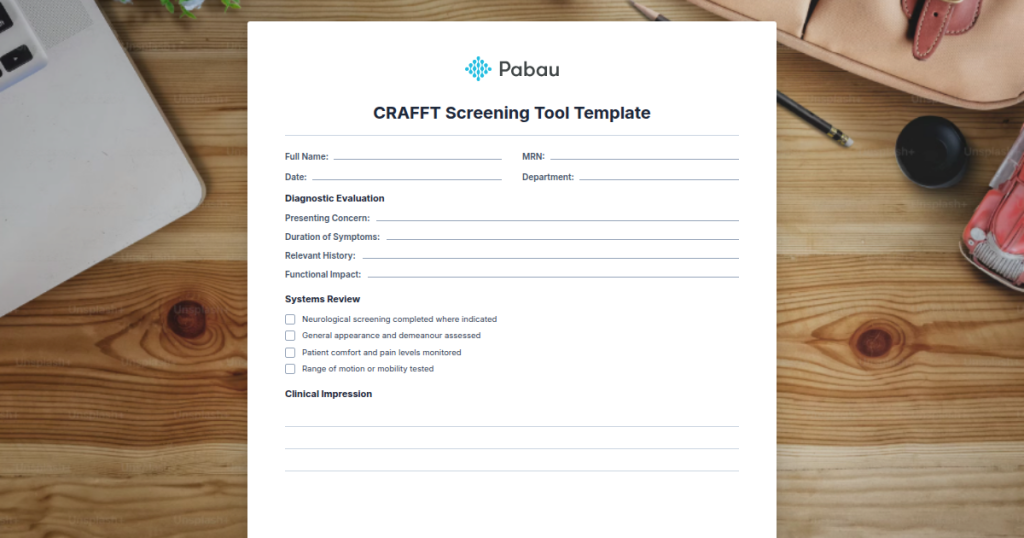
CRAFFT Screening Tool Template
The CRAFFT Screening Tool Template is a clinically validated instrument designed...

March 17, 2026


Buy now, pay later is now available in Pabau
Creating a comprehensive group therapy informed consent document is crucial for setting expectations, protecting client rights, and maintaining ethical standards in therapy. A well-structured consent form ensures participants understand what group therapy involves, its limits, and their responsibilities. In this guide, we’ll break down everything clinicians should include—from confidentiality and participation norms to crisis procedures and teletherapy rules.
Group therapy is a form of psychotherapy where multiple clients meet together under the guidance of one or more therapists. It offers peer support, shared experiences, and the opportunity to develop interpersonal skills.

Unlike individual therapy, participants interact with each other, which introduces unique ethical and practical considerations.
Informed consent in group therapy isn’t just a signature—it’s an ongoing process of communication and transparency. Therapists must explain the nature of group work, clarify limits of confidentiality, and ensure members continually understand their rights and boundaries.
Because other participants are involved, confidentiality and safety depend on everyone’s mutual cooperation.
The informed consent document should have the following details:
The consent form should outline the group’s purpose, structure, and therapeutic goals. For instance, it should specify how sessions are conducted, duration, frequency, and whether participation is open or closed. Clients should know they can ask questions anytime and withdraw consent without penalty.
Group therapy has proven benefits—support, perspective, accountability—but also risks such as emotional discomfort, breaches of confidentiality, or interpersonal conflict. Clinicians should describe these risks clearly while encouraging clients to raise concerns early. Participants must understand their right to individual therapy or other alternatives if group work isn’t suitable.
Confidentiality is central but cannot be guaranteed in group settings. Each member must agree not to share identifying details or discuss other members outside sessions. Therapists should explain legal and ethical exceptions to confidentiality, including threats of harm, abuse, or court orders.
Clear norms ensure a respectful and safe environment. Attendance, punctuality, and participation are essential components of therapeutic success. The form should cover:
Dual relationships—interactions between members or between a member and therapist outside of group—can complicate therapy. The informed consent must clarify:
With virtual groups, privacy and recording rules are essential. The consent should emphasize:

Clients must know what to do if they experience a crisis. The consent form should make clear that group therapy is not an emergency service. Instead, members should be provided with crisis hotlines and emergency procedures.
Participants should understand that they can leave the group voluntarily, but advance notice helps maintain group stability. Therapists may also request withdrawal if behavior disrupts the group’s safety or cohesion. Consent forms should describe the referral process to alternative care if needed.
Pabau’s digital forms module helps mental health practitioners create secure, customizable informed consent documents for both individual and group therapy. Every consent form is digitally signed, timestamped, and stored in the client’s record for full HIPAA and GDPR compliance. This ensures that therapists can manage confidentiality, attendance, and boundaries seamlessly while reducing manual paperwork.
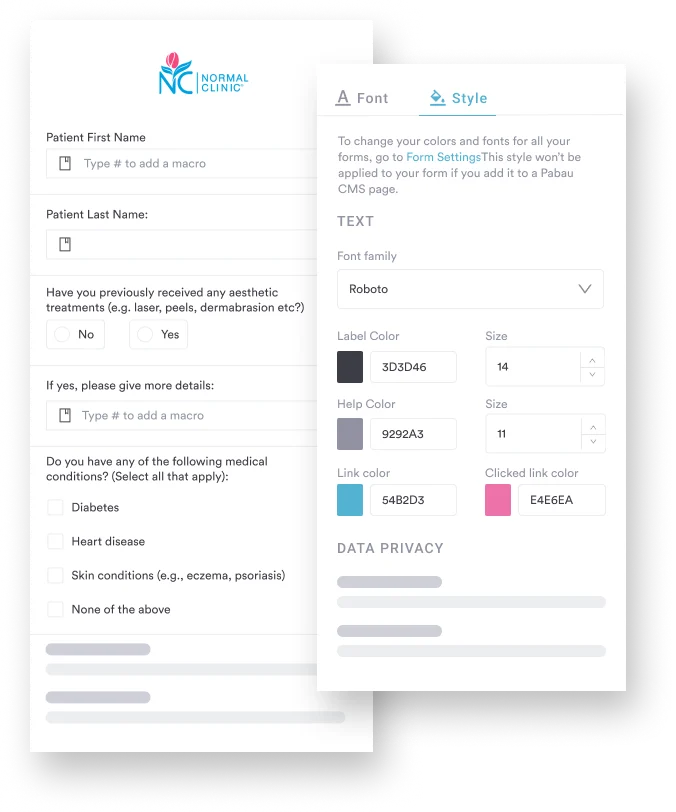
Through Pabau’s client portal, group participants can sign consent forms, receive reminders, and securely message the therapist between sessions. These digital tools save time, strengthen record-keeping, and enhance professional compliance standards.
Group therapy informed consent protects both clients and therapists by clarifying expectations, defining confidentiality, and outlining safety boundaries. By combining ethical transparency with digital tools like Pabau’s consent forms and client portal, mental health practitioners can ensure every group member understands their rights, responsibilities, and the purpose of therapy. A clear, consistent consent process fosters trust—and ultimately leads to more effective therapeutic outcomes.
Explain confidentiality limits upfront. Clarify that therapists maintain confidentiality under professional ethics and HIPAA, but members must also agree not to share personal information discussed in sessions.
A sample consent should cover confidentiality, participation expectations, teletherapy rules, crisis contact information, and termination procedures.
Purpose and goals, confidentiality and its limits, participation expectations, boundaries, teletherapy guidelines, and crisis instructions.
By setting strong rules, monitoring compliance, and using secure digital documentation platforms like Pabau to store and track signed consent forms.
Clear guidance on teletherapy conduct, crisis boundaries, and how withdrawal or termination will be handled.