Balancing school drop-offs, long commutes, work, dinner, and bedtime routines often leaves little room for self-care.
But what if you could deliver your clients’ “me time” right to their doorstep?
With mobile IV therapy, that’s exactly what you can offer: personalized hydration and nutrient treatments in the comfort of their home, office, or event space, helping them feel refreshed and recharged in under an hour.
Still, launching a mobile IV therapy business is not as simple as it looks. It demands medical oversight, strict compliance with healthcare regulations, and careful operational planning.
With the right foundation in place, you can create a profitable and sustainable new business that meets the growing demand for accessible and personalized wellness care.
1. Understand the mobile IV therapy market and your niche within it
Clients today want wellness services that fit seamlessly into their busy lives. Whether it’s recovering after an intense workout, combating jet lag, or feeling their best before a big event, they want it right here, right now.
Fueled by these lifestyle demands, mobile IV therapy services are in high demand because they offer both effectiveness and convenience.
According to Grand View Research, the global mobile IV hydration services market was valued at $1.3 billion in 2024 and is projected to expand at a CAGR of 9.8% between 2025 and 2030. This means a mobile IV therapy can be a smart investment.
But to stand out in this growing market, it’s important to define your niche. For instance, you can specialize in:
Athletic recovery – Offer athletes and trainers targeted drips that boost hydration, reduce fatigue, and support muscle repair after workouts or competitions.
Corporate wellness – Provide on-site IV therapy in workplaces as part of wellness programs, helping employees reduce stress and fatigue while improving productivity.
Luxury concierge services – Deliver high-end, personalized treatments in homes, hotels, or events, featuring premium drips such as anti-aging blends, NAD+ therapy, or fully customized concierge formulations.
By understanding the specific needs and preferences of your target customer, you can build a more effective business plan and a service menu that resonates with their needs.
What to do:
This business model is quite different from the classic IV hydration clinics or med spas. So, start by conducting a thorough competitor analysis. Look at what other mobile IV services in your area are offering, their pricing models, and how they market themselves. This will help you identify service gaps and refine your value proposition.
2. Know the legal and regulatory requirements
Because mobile IV therapy operates within the healthcare space, understanding the legal and regulatory framework is essential. Each state has scope of practice rules that determine who can own a mobile IV hydration business, who is allowed to administer IV treatments, and what licenses they must hold.
In the UK, for instance, while the business owner does not need to be a medical practitioner, the business must be registered with the CQC to operate and provide IV drip services, as these treatments fall within the CQC’s regulatory scope.
Also, in 2023, it was announced that administering vitamins or any prescription-only products (including 0.9% saline) intravenously is considered a regulated activity and must be registered with the Care Quality Commission.
This is one of the most critical steps in building your business, and it requires careful attention to detail in several key areas:
🧑⚕️ Medical oversight — In the US, a licensed physician or medical director is required to oversee all treatments. They are responsible for establishing protocols, reviewing patient health histories, and ensuring treatments are safe and appropriate.
🪪 State-specific licensing — Regulations vary widely across US states. You’ll need to research and comply with licensing requirements for both your healthcare providers and your mobile business operations, including business license and health department permits.
⚕️ Compliance standards — Adherence to federal and local regulations is non-negotiable in the US:
HIPAA: Protecting patient health information
OSHA: Ensuring a safe working environment for your staff
Local Health Department (LHD) Standards: Following all sanitation and safety protocols for a mobile IV therapy clinic
To stay organized and not miss any important details, you can create a detailed compliance checklist early on. This will help you track all the necessary licenses, permits, and certifications and ensure you don’t overlook anything.
3. Build out your clinical and compliance teams
A successful mobile IV therapy business relies on a well-qualified clinical team supported by strong compliance oversight. At a minimum, you’ll need licensed healthcare professionals such as:
Registered nurses (RNs), nurse practitioners (NPs), and licensed practical nurses (LPNs): Trained in IV therapy and patient care.
Paramedics: Experienced in emergency medical services and patient transport.
Licensed physicians: Serving as medical directors to oversee clinical protocols.
Every team member should be trained not only in IV hydration therapy competency but also in infection control, emergency response, and customer care to deliver a professional and reassuring client experience.
Note: Appoint a compliance officer, someone from your team, to monitor adherence to legal and clinical standards.
4. Set up operations and delivery
When compliance is checked, the next thing you need to plan is the logistics side.
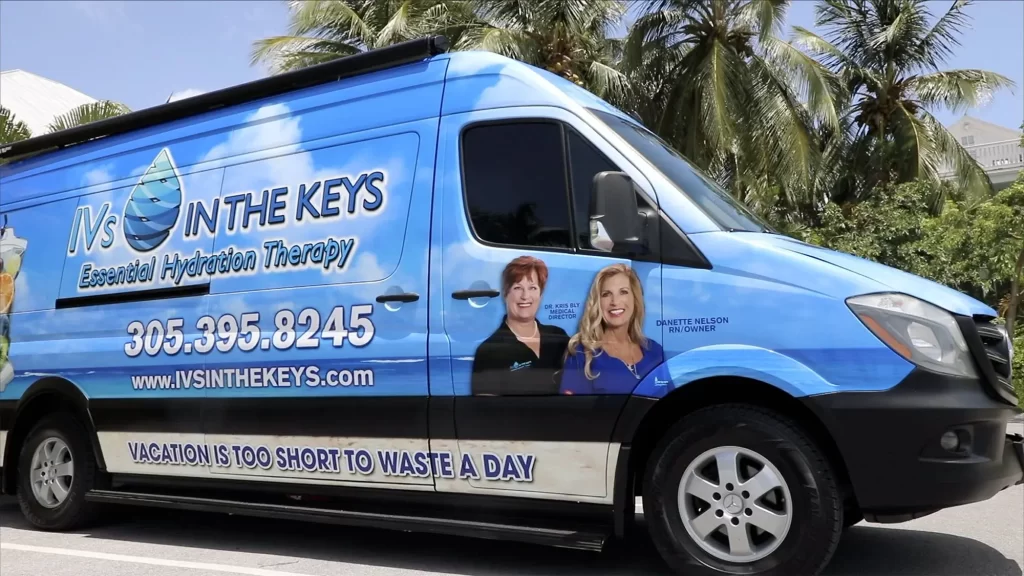
🚐 Vehicle and equipment: Your vehicle is essentially your office, so you need to choose a reliable one that can safely transport all necessary medical supplies. Keep in mind that it should include secure storage and temperature-controlled options for sensitive fluids and medications.
📅 Scheduling and booking: A streamlined online booking system will allow clients to easily book appointments and give your team real-time visibility into their schedules and availability.
💉 Inventory management – Since you can’t restock while on the road, it’s essential to use a reliable tool to track your supplies, including IV fluids, vitamins, consumables, and medical equipment. This helps prevent shortages, minimize waste, avoid expired products, and reduce selection errors by showing exactly what’s in stock and what’s being used most.
🧼 Safety protocols: Cleanliness, equipment sterilization, and patient safety during every mobile visit are something that shouldn’t be overlooked in any situation. So, make sure to establish strict procedures for sanitizing equipment, handling supplies, and safely disposing of sharps or medical waste.
📝 Your operational setup directly impacts efficiency, safety, and the client experience, so investing in the right systems and equipment will ensure your service delivery is seamless.
5. Implement the right technology
The right technology can make running your mobile IV therapy business far more efficient and secure.
A robust, all-in-one integrated software system will allow you to manage all of your operations from one place by allowing you to:
Manage bookings
Process payments
Keep track of patient records
Staff schedules
Inventory management
You should also consider picking a software that ensures secure handling of patient data, keeps you compliant with HIPAA, and builds client trust. By automating administrative tasks such as appointment reminders, payment processing, and record-keeping, you not only save time but also reduce the risk of human error.
💡When choosing technology, look for scalable solutions that can grow alongside your business as demand increases.
There are plenty of good software solutions out there, but finding one that is designed with IV drip providers in mind is not easy.
Pabau, the all-in-one practice management software, offers an all-in-one system that caters to the needs of IV drip providers, which can solve many of the operational challenges mobile IV therapy business owners face.
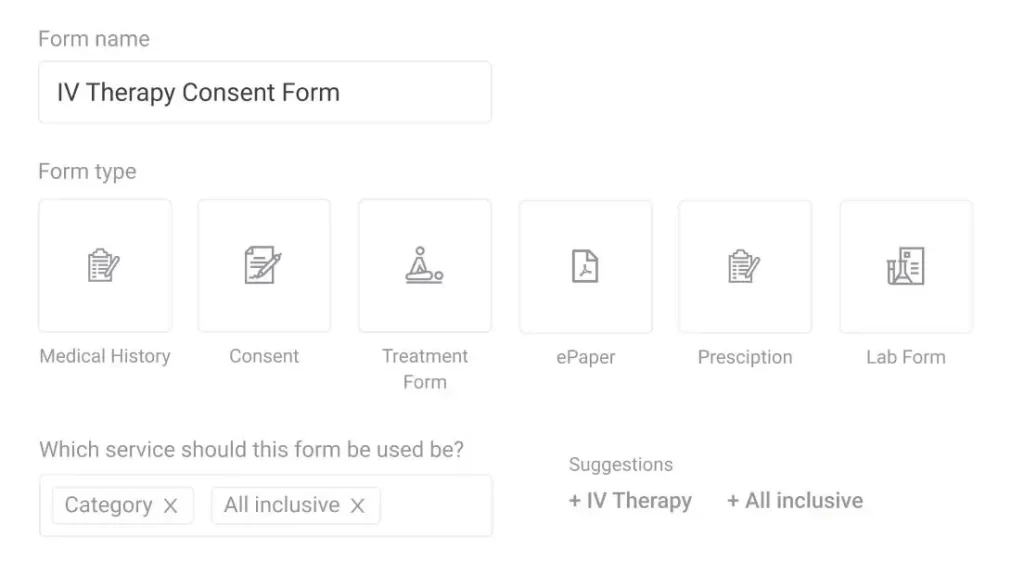
With Pabau, you can manage patient intake forms, consent documents, and medical notes digitally, keeping everything secure and HIPAA-compliant.
The platform also supports features that will help you stay on top of performance and growth, and streamline daily operations while maintaining the highest standards of safety and professionalism, such as:
Automated appointment reminders
Integrated payment processing
Real-time reporting
Inventory tracking
Customizable treatment templates
Staff management
Pabau also offers Pabau GO, a mobile app that lets you and your team manage schedules, book appointments, and access client records from anywhere. This makes it a perfect solution for mobile IV therapy businesses, which operate as fully mobile clinics and rely on seamless coordination while on the move.
6. Track performance and plan for growth
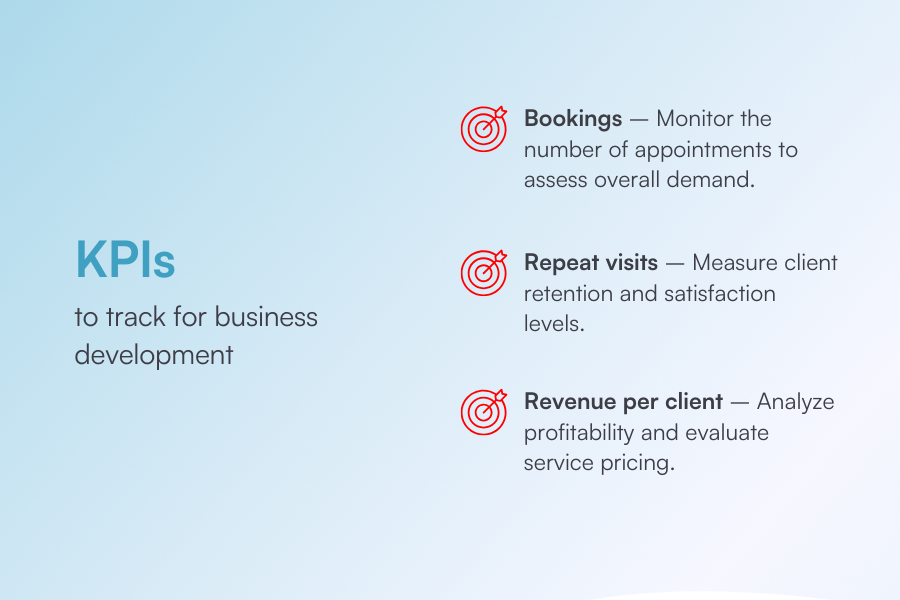
To build a sustainable mobile IV therapy business, you need to continually monitor performance and adapt as demand grows. A good starting point is tracking key performance indicators (KPIs) such as total bookings, repeat visits, and revenue per client.
Finally, stay responsive to demand by introducing new services or premium drips that reflect current wellness trends, ensuring your business remains competitive and future-focused.
7. Common mistakes to avoid
While the mobile IV therapy industry offers great potential, there are several pitfalls that can derail your business if not addressed early. Some of the most common mistakes include:
Skipping legal requirements or proper licensing — Can lead to fines, penalties, or even being shut down.
Not securing liability and malpractice insurance — Leaves your business financially vulnerable in the event of complications.
Underestimating ongoing and start-up costs — Supplies, equipment, and insurance can quickly add up and strain cash flow if not budgeted properly.
Neglecting consistent marketing efforts — Failing to maintain outreach through digital marketing, social media, SEO, partnerships, or client engagement can limit your visibility and stunt business growth.
Overextending too early — Expanding services or staff without first building a stable client base often results in financial instability.
By avoiding these mistakes, you’ll be better positioned to create a business that is safe, compliant, and sustainable.
Turn your idea into a mobile IV therapy business
There’s no better time than now to start planning the details of your mobile IV therapy business. The key to long-term success lies in combining medical-quality care with exceptional client service, and the right technology can make this balance much easier to achieve.
With an all-in-one practice management software like Pabau, designed for IV drip providers, you can streamline operations by:
Offering 24/7 online booking to clients
Managing staff schedules and rotas with ease
Staying compliant by automatically sending consent forms
Processing secure payments directly through the platform
Keeping patient data safe and HIPAA-compliant
Manage your practice from your pocket with the iOS Pabau GO app
Book a demo with Pabau today, and you’ll see how it can help you cross off half of your startup planning steps.