5 Best Plastic Surgery Software Solutions for Aesthetic and Surgical Practices in 2026
Explore the best plastic surgery software in 2026. Compare features, pricing, an...

December 19, 2025

Discover free eBooks, guides and med spa templates on our new resources page


Buy now, pay later is now available in Pabau

Read case studies from our satisfied clients

Compare Pabau with alternative systems
 Integrations
 Measure Pabau savings
  Our security commitment
  About us
Learn why this holistic care and aesthetic medicine clinic chose Pabau to power patient care and performance.
Read more

Pabau offers built-in telehealth alongside EMR, billing, and marketing in one platform.
Carepatron provides a free plan with basic telehealth for solo UK practitioners.
UK clinics must verify GDPR compliance and CQC registration before adopting telehealth.
Pricing ranges from free (Carepatron) to custom enterprise rates (Zenoti, Doccla).
Doccla and Doctor Care Anywhere serve NHS and patient-facing models, not private clinics.
Choosing the right telehealth platforms UK clinics can rely on is a decision that shapes patient access, clinical workflows, and regulatory compliance for years. With the Care Quality Commission (CQC) tightening oversight of remote consultations and GDPR governing every patient interaction, picking the wrong platform can mean wasted budgets and compliance headaches. A 2024 NHS England report found that virtual consultations now account for roughly 25% of primary care appointments, and that figure continues climbing in 2026.
In this guide, we evaluate seven telehealth platforms UK practices should consider in 2026: Pabau, Carepatron, SimplePractice, Zenoti, Cliniko, Doccla, and Doctor Care Anywhere. Each platform targets a different type of practice, from multi-specialty private clinics to NHS virtual wards. We compare features, pricing in both $ and £, user ratings, and UK-specific compliance credentials so you can identify the best fit for your clinic’s size, specialty, and growth plans. Whether you run a solo private GP practice or a multi-location aesthetic clinic, the right telehealth platform UK teams depend on will look different.
Before diving into the detail of each telehealth platform UK clinics are evaluating, here is a side-by-side snapshot covering pricing, ratings, and standout features. Use it to shortlist the platforms most relevant to your practice type and budget. Ratings are sourced from verified Capterra review profiles where available; platforms without a public Capterra profile are marked N/A.
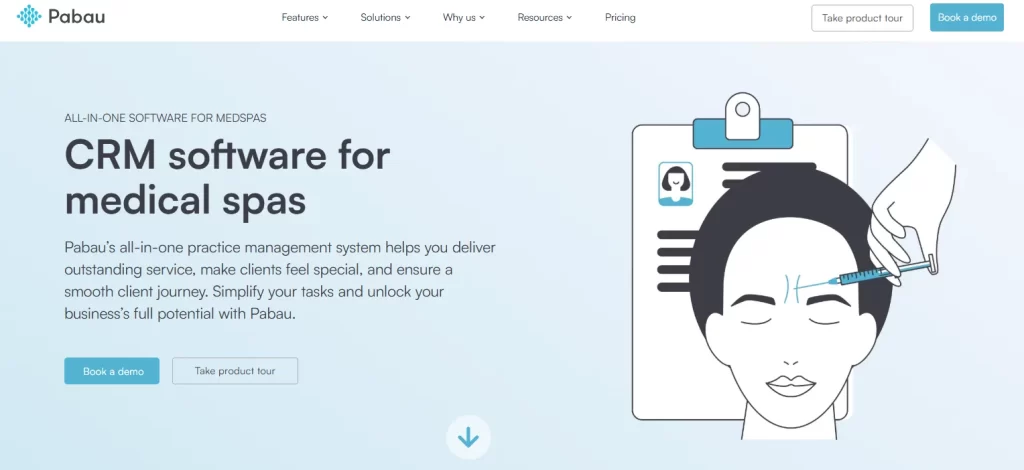
Pabau is a multi-industry clinic operating system that bundles telehealth with EMR, appointment scheduling, billing, marketing automation, and inventory management in a single platform. Rather than bolting video consultations onto a separate system, Pabau treats telehealth as one feature within a unified clinical workflow, meaning patient records, consent forms, and post-consultation billing all happen in the same interface.

UK private practices across aesthetic medicine, private GP, physiotherapy, mental health, and fertility use Pabau to manage both in-person and remote appointments from a single calendar. The platform supports GDPR-compliant data hosting, built-in consent management, and audit trails designed for CQC inspection readiness. Clinics moving from paper-based systems or fragmented tool stacks often consolidate onto Pabau because it eliminates the need for separate booking, documentation, and payment systems.
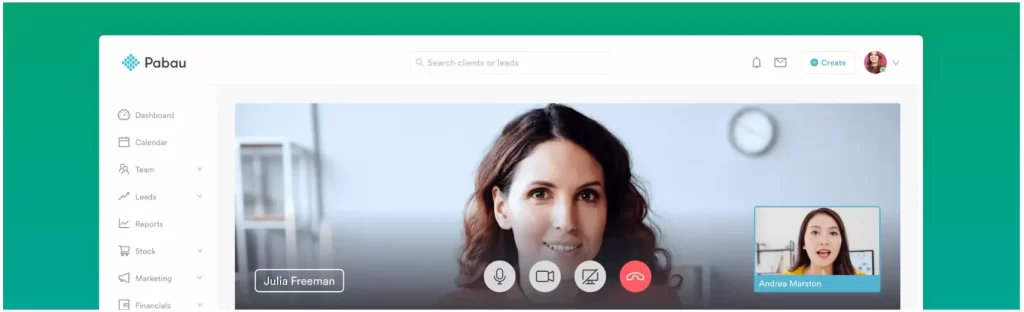
For practices evaluating telehealth platforms UK wide, Pabau stands out because the video consultation feature connects directly to the patient’s clinical record. A dermatologist finishing a remote skin check can document findings, update treatment plans, and trigger follow-up reminders without switching applications. According to Capterra reviewers, the all-in-one approach is Pabau’s strongest advantage, though some users note an initial learning curve because of the platform’s depth.
A typical telehealth workflow in Pabau starts when the patient receives an automated SMS or email reminder containing their unique video link. Before the session, the patient completes intake forms and consent documents through the client portal, so the clinician has all necessary information before the call begins. During the consultation, the practitioner can view and update the patient’s full medical history and add clinical photos. Once the session ends, payment is collected automatically and a follow-up appointment (either in-person or virtual) can be booked from the same screen.
Pabau’s Echo AI feature can transcribe the conversation into structured SOAP notes during or after the video call, saving clinicians from manual note-taking. Practices that previously spent 10-15 minutes per session writing up clinical documentation can reclaim that time using automated transcription tied directly to the patient’s record.
“The all-in-one platform has replaced four separate tools we used to manage. Everything from booking to clinical notes to payments happens in Pabau.” (Verified reviewer, Capterra, 4.6/5 based on 557+ reviews)
Positive themes across reviews highlight the strong clinical documentation system and flexible multi-industry configuration. Negative themes centre on the initial learning curve due to feature depth. On G2, Pabau holds a 4.5/5 rating based on 60+ reviews, with users frequently praising the clinical records system and the responsiveness of the customer success team during onboarding.
Carepatron positions itself as a practice management tool for solo practitioners and small teams who need telehealth without upfront costs. The free Starter plan includes basic video consultations, scheduling for up to four users, and 100MB of storage, making it one of the few platforms where UK practitioners can test telehealth at zero financial risk.
Practices outgrowing the free tier can upgrade to Professional at $12 / £10 per user per month (billed annually), which unlocks unlimited storage, advanced telehealth, AI scribe functionality, and payment processing. Carepatron appeals most to therapists, counsellors, and allied health providers who want straightforward video calls without the complexity of a full clinic operating system. If your practice needs integrated telehealth software alongside deeper clinical tools, Pabau may be a stronger long-term fit.
One consideration for UK practitioners is that Carepatron’s compliance focus has historically centred on HIPAA (the US health data standard) rather than GDPR. While the platform states it supports international data protection requirements, UK clinics handling sensitive patient health records should confirm data residency and processing agreements before committing. Solo therapists testing remote sessions for the first time will find Carepatron’s zero-cost entry appealing, but practices planning to scale beyond five team members should model the cost of the Organisation tier against platforms that include all features at a single price point.
“Great for getting started without spending anything. The free plan covers everything a solo therapist needs for basic telehealth.” (Verified reviewer, Capterra, 4.5/5 based on 511+ reviews)
On G2, Carepatron has a notably high 4.9/5 rating based on 377+ reviews. Users consistently praise the ease of setup and the value of the free tier for solo practitioners getting started with telehealth.
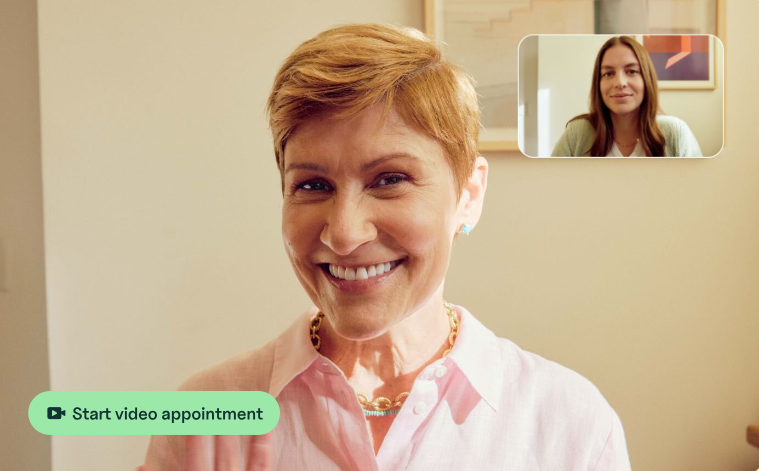
SimplePractice is trusted by over 250,000 practitioners globally, primarily in the mental health and therapy space. Telehealth is included on every plan at no extra cost, which makes it a popular pick for psychologists, counsellors, and social workers who conduct most sessions remotely. The platform generates unique video links automatically for each appointment, and patients can join from any device without downloading software.
For UK-based practitioners, SimplePractice is HIPAA-compliant but does not natively support GDPR requirements. Clinics operating under UK data protection law should verify how patient data is stored and whether servers are located within the UK or EU. If your practice requires both telehealth and UK-specific regulatory alignment, exploring compliance management features within platforms like Pabau may be more suitable.
SimplePractice generates a unique, encrypted video link for each session, so patients can join from any browser without downloading dedicated software. Therapists can share documents, send intake forms, and collect signatures within the same client portal. The Wiley Treatment Planner integration on the Essential and Plus plans is a notable differentiator for US-licensed therapists, though its relevance for UK practitioners operating under different clinical frameworks is limited. Group practices managing multiple clinicians will want the Plus plan, which adds therapist matching, advanced reporting, and measurement-based care dashboards.
“SimplePractice makes telehealth easy for therapy. I can run sessions, send forms, and manage billing from one dashboard.” (Verified reviewer, Capterra, 4.6/5 based on 2,810+ reviews)
On G2, SimplePractice holds a 4.1/5 rating based on 190+ reviews. Common praise focuses on the built-in telehealth and intuitive interface. Criticism tends to centre on US-specific features like insurance billing that have limited relevance for UK practitioners.

Pabau combines video consultations, clinical records, automated billing, and patient communications so your UK practice can deliver remote care without juggling multiple tools.

Zenoti is an enterprise platform designed for salons, spas, and fitness centres that need point-of-sale integration, inventory management, and multi-location scheduling. While Zenoti does offer virtual appointment functionality, telehealth is not the platform’s primary focus. UK spa chains exploring remote consultations for pre-treatment assessments or wellness coaching may find value here, but clinics needing deep clinical documentation will likely need supplementary tools.
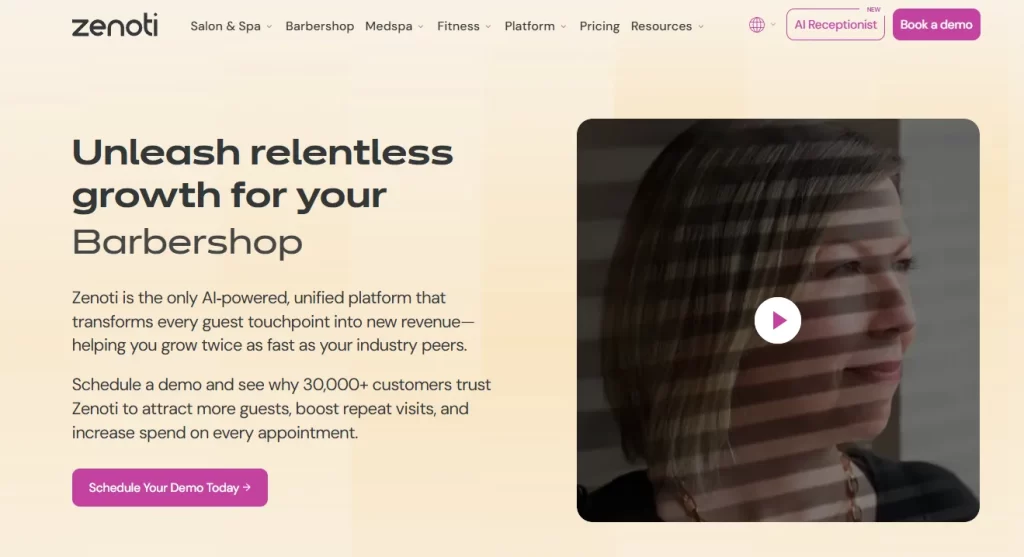
Zenoti’s pricing requires direct contact with their sales team, and third-party sources suggest it is positioned at the enterprise level. For smaller UK practices, this pricing model may not be practical. Practices comparing Pabau and Zenoti often find that Pabau provides a broader clinical feature set at a transparent per-user price point.
Where Zenoti excels is in retail-heavy environments. Spa chains that sell skincare products alongside treatments benefit from Zenoti’s built-in inventory management and loyalty programme tools. The platform also offers AI-powered marketing agents on its higher tiers, which automate lead follow-up and campaign scheduling. For UK aesthetic clinics that need both clinical documentation and telehealth consultations, Zenoti’s medical features are thinner than dedicated clinic platforms, making it more suited to wellness and beauty operations than regulated healthcare practices.
“Zenoti handles our five salon locations well, but getting support can sometimes take longer than expected.” (Verified reviewer, Capterra, 4.4/5 based on 964+ reviews)
On G2, Zenoti holds a 4.3/5 rating based on 170+ reviews. Users consistently highlight the POS and inventory features as strengths, while onboarding complexity and support response times appear as recurring concerns.
Audit your telehealth platform shortlist against the ICO’s guidance on health data processing before signing any contract. UK clinics must confirm that patient video consultations are encrypted end-to-end, that data residency meets GDPR standards, and that the vendor can provide a Data Processing Agreement. Running this check early eliminates platforms that create compliance gaps later.
Cliniko is a practice management system popular among UK and Australian physiotherapy, chiropractic, and osteopathy practices. Known for its clean, intuitive interface, Cliniko handles appointment scheduling, patient records, and treatment notes well. Telehealth, however, is not a built-in feature. Practices wanting video consultations through Cliniko typically rely on third-party integrations, which adds complexity and potentially cost.
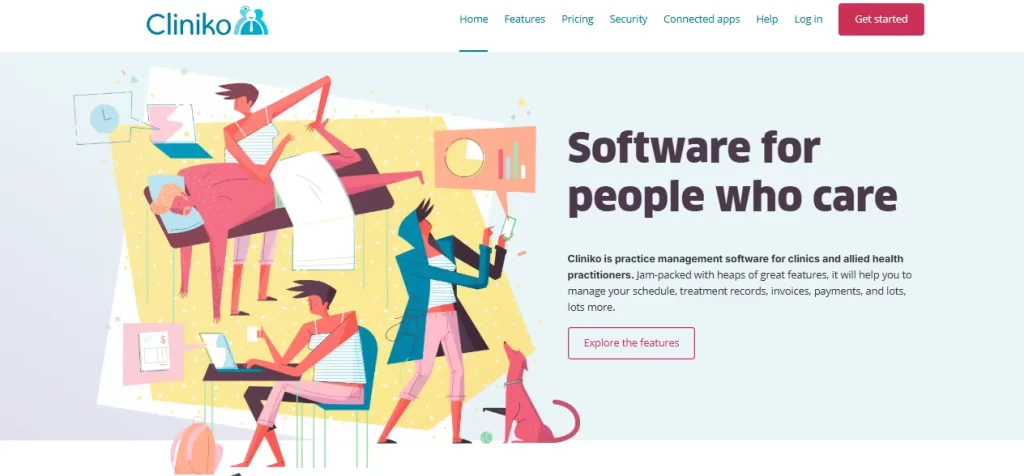
Cliniko’s tiered pricing scales by practitioner count rather than per user, which benefits small teams. A solo practitioner pays $45 / ~£36 per month for full platform access, while practices with 2-5 practitioners pay $95 / ~£76 per month. For UK physiotherapy practices that primarily need scheduling and record-keeping, Cliniko works well.
Practices that also require integrated telehealth, marketing, and insurance billing may want to compare Pabau and Cliniko side by side to understand where each platform’s strengths lie.
Cliniko’s strength lies in its simplicity. The booking system allows patients to self-schedule through an online portal, and treatment notes follow structured templates designed for physiotherapy, chiropractic, and osteopathy workflows. Letter generation and financial reporting are included at every tier. Where Cliniko falls behind for telehealth-focused practices is the absence of native video functionality; clinicians typically integrate Zoom or another third-party tool, which adds a separate login, potential cost, and data handling considerations under GDPR. Practices managing consent documentation and treatment records alongside video consultations may find this fragmentation cumbersome as their remote caseload grows.
“Cliniko is straightforward and easy for our physiotherapy team. We just wish telehealth was built in rather than needing a separate tool.” (Verified reviewer, Capterra, 4.7/5 based on 24 reviews)
Doccla occupies a distinct position among telehealth platforms UK clinicians encounter. Rather than serving private practices, Doccla is a CQC-registered virtual ward provider that partners with NHS trusts across 60% or more of UK regions. The platform focuses on remote patient monitoring using wearable devices, clinical dashboards, and interoperability with NHS systems.
Private clinics evaluating telehealth platforms UK practices rely on should note that Doccla is not a practice management system. It does not handle appointment scheduling, patient intake forms, billing, or marketing. Its purpose is to keep patients out of hospital beds by monitoring vitals remotely and flagging clinical deterioration to care teams. For practices needing digital forms and patient-facing booking alongside telehealth, Doccla is not a direct fit.
Doccla’s model works through NHS procurement channels (primarily G-Cloud), which means pricing, onboarding, and support follow enterprise frameworks rather than self-service sign-up. Hospital trusts contract Doccla to run virtual wards for specific patient cohorts, such as post-surgical recovery monitoring, chronic obstructive pulmonary disease management, or heart failure observation. Patients receive wearable devices that transmit vital signs (heart rate, blood oxygen, blood pressure) to a centralised dashboard staffed by clinical teams. While this model has clear value for reducing hospital bed occupancy, it operates in a fundamentally different market from the practice management tools most private UK clinics evaluate.
No verified consumer review profiles were identified on Capterra, G2, or Trustpilot at the time of writing. Doccla operates primarily through NHS procurement channels, where feedback is managed through trust-level reporting rather than public review platforms. Clinics seeking a reviewed, patient-facing telehealth solution with verifiable user feedback may prefer platforms with established reporting and analytics ecosystems and public review profiles.
Doctor Care Anywhere describes itself as the UK’s largest private telehealth provider, offering 24/7 GP and advanced clinical practitioner appointments via video and phone. Unlike the other telehealth platforms UK clinics use for practice management, Doctor Care Anywhere is a patient-facing service. Individuals or corporate health scheme members book consultations directly through the platform, receive same-day prescriptions, and get referrals to specialists when needed.
Private practice owners looking for online booking and clinical workflow tools should understand that Doctor Care Anywhere does not function as a practice management system. It does not offer scheduling, EMR, billing, or inventory features. Instead, it competes in the direct-to-consumer telehealth space alongside services like Babylon and Push Doctor, partnering with insurers such as Bupa and AXA Health.
The service model is straightforward: patients download the app, book a video or phone consultation (often available within hours), and receive prescriptions electronically to their chosen pharmacy. Corporate health schemes often bundle Doctor Care Anywhere as an employee benefit, giving staff access to on-demand GP consultations without waiting for NHS availability. For practice owners evaluating this list, the key distinction is that Doctor Care Anywhere is a clinical service, not software. You cannot use it to manage your own clinic’s appointments, patient records, or billing. It exists in this guide because UK professionals searching for telehealth platforms frequently encounter it, and understanding where it fits (and does not fit) helps narrow the field.
No verified profiles were identified on Capterra or G2 at the time of writing. Doctor Care Anywhere does have a Trustpilot presence, though specific ratings were not available during research. The platform primarily serves consumers and corporate health schemes rather than healthcare professionals evaluating practice software.
Selecting from the available telehealth platforms UK practices can access starts with understanding your clinic’s operational priorities. A solo therapist conducting 15 remote sessions per week has different needs than a multi-location aesthetic clinic running 200 appointments daily across in-person and virtual channels. The wrong choice leads to duplicate data entry, compliance gaps, and frustrated staff. The right choice reduces admin hours and gives patients a smoother experience from booking through to payment.
Consider these five decision criteria when evaluating which telehealth platform UK clinics should invest in:
One practical approach is to map your current tool stack against each platform’s built-in capabilities. If you already pay for separate video conferencing, EMR, billing, and email and SMS campaign tools, calculate the combined monthly cost. A consolidated telehealth platform UK clinics use for all four functions may cost less than the sum of standalone subscriptions, while also eliminating data silos between systems.
Ask your shortlisted vendors for a free trial or live demo. Test the telehealth workflow from the patient’s perspective: can they book, complete forms, join the video call, and pay without calling your front desk? Platforms that require patients to download separate apps or navigate multiple portals create friction that increases no-show rates. The most effective telehealth platforms UK practices adopt in 2026 are those where the patient experience feels as simple as clicking a single link.
For practices that need a single platform handling telehealth, clinical records, billing, and patient engagement, Pabau offers the broadest coverage across the widest range of UK clinic types.

Want to compare Pabau with Cliniko in detail? Pabau vs Cliniko breaks down scheduling, patient records, and pricing differences for allied health practices.
Running a UK telehealth service from your GP practice? Telehealth in GP Clinics covers setup, compliance, and patient engagement strategies for remote consultations.
Considering Zenoti for your spa chain? Pabau vs Zenoti compares clinical features, POS integration, and multi-location management for UK wellness businesses.
The seven telehealth platforms UK practices can consider in 2026 each serve a different segment of the market. Carepatron suits budget-conscious solo practitioners who want to test video consultations at zero cost. SimplePractice fits mental health therapists who need built-in video at every tier with dedicated treatment planning tools. Zenoti targets enterprise spa chains managing retail, loyalty, and multi-location operations. Cliniko works for allied health practices prioritising scheduling simplicity and practitioner-based pricing.
Doccla and Doctor Care Anywhere sit outside the practice management category entirely. Doccla is an NHS-focused virtual ward provider for remote patient monitoring at scale. Doctor Care Anywhere is a direct-to-consumer telehealth service for individual patients and corporate health schemes. Neither offers the scheduling, EMR, billing, or marketing tools that private clinic owners typically search for when evaluating telehealth platforms UK practices need.
For UK private clinics that need telehealth as part of a complete practice management system (with EMR, billing, marketing, and multi-location scheduling), Pabau offers the broadest feature coverage at a transparent per-user price. Every platform has trade-offs. The best choice depends on your clinic’s size, specialty mix, and whether you need a single system or are comfortable stitching together separate tools.
Start by auditing your current workflows: how many tools do you use to manage appointments, clinical records, video calls, and patient payments? If the answer is three or more, consolidating to a single telehealth platform UK clinics trust will likely save time, reduce errors, and simplify your compliance posture. Book demos with your top two candidates, test the patient-facing experience yourself, and involve your clinical team in the final decision. The platform your practitioners actually use day to day is the one that delivers return on investment.
Reviewed against current CQC telehealth guidance and ICO data protection requirements for UK healthcare practices.
The best telehealth platforms UK clinics use depend on practice type. Pabau suits multi-specialty private clinics needing all-in-one management. Carepatron offers a free entry point for solo practitioners. SimplePractice is popular with mental health therapists. Cliniko serves allied health practices, while Zenoti targets enterprise spas. Evaluate based on your regulatory, clinical, and budgetary requirements.
Not all telehealth platforms meet GDPR standards. UK clinics should verify that the platform offers end-to-end encryption for video consultations, stores patient data within the UK or EU, and provides a Data Processing Agreement. Pabau supports GDPR-compliant workflows with built-in consent management. Platforms like SimplePractice focus on HIPAA for US practices, so UK clinics should confirm GDPR alignment separately.
If your UK practice provides regulated activities remotely (such as treatment of disease, disorder, or injury), CQC registration may be required. Practices offering consultations, prescribing, or clinical assessments via telehealth should check CQC guidance on regulated activities. Doccla is an example of a CQC-registered telehealth provider, though it serves NHS trusts rather than private practices.
Telehealth software pricing in the UK ranges from free (Carepatron Starter) to $62 / £49 per user per month (Pabau) to custom enterprise quotes (Zenoti, Doccla). SimplePractice starts at $49 / ~£39 per month, and Cliniko begins at $45 / ~£36 per month. The right price depends on whether you need telehealth alone or a full practice management system.
Yes, UK doctors can prescribe medication during telehealth consultations, subject to General Medical Council (GMC) guidance on remote prescribing. The prescribing clinician must have sufficient clinical information to make a safe prescribing decision. Doctor Care Anywhere offers same-day electronic prescriptions, while practice management platforms like Pabau support prescription workflows within the clinical record.
Doctor Care Anywhere partners directly with Bupa and AXA Health for insured telehealth consultations. For private practices billing insurers, Pabau includes insurance billing support through its claims management feature. Zenoti and Cliniko do not include built-in UK insurance billing. Practices should verify individual insurer compatibility before committing to a platform.