IV Therapy Primary & Preventive Care
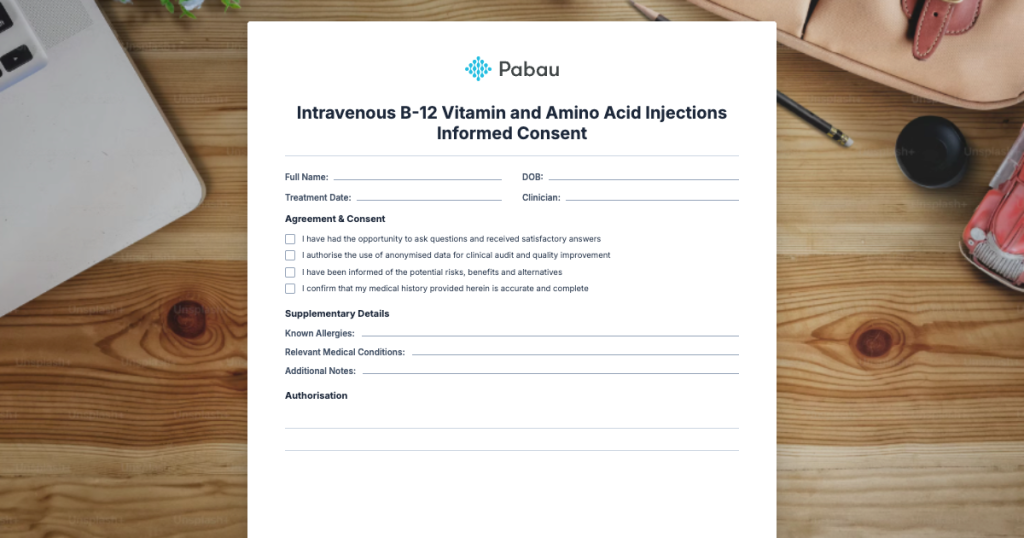
Intravenous B-12 Vitamin and Amino Acid Injections Informed Consent
A b12 injection consent form is a clinical documentation tool that educates pati...

February 25, 2026

Discover free eBooks, guides and med spa templates on our new resources page


Buy now, pay later is now available in Pabau

Read case studies from our satisfied clients

Compare Pabau with alternative systems
 Integrations
 Measure Pabau savings
  Our security commitment
  About us
Learn why this holistic care and aesthetic medicine clinic chose Pabau to power patient care and performance.
Read more
Our free printable worksheet covers the 25 most common IV therapy complications, their signs and symptoms, and recommended clinical responses.

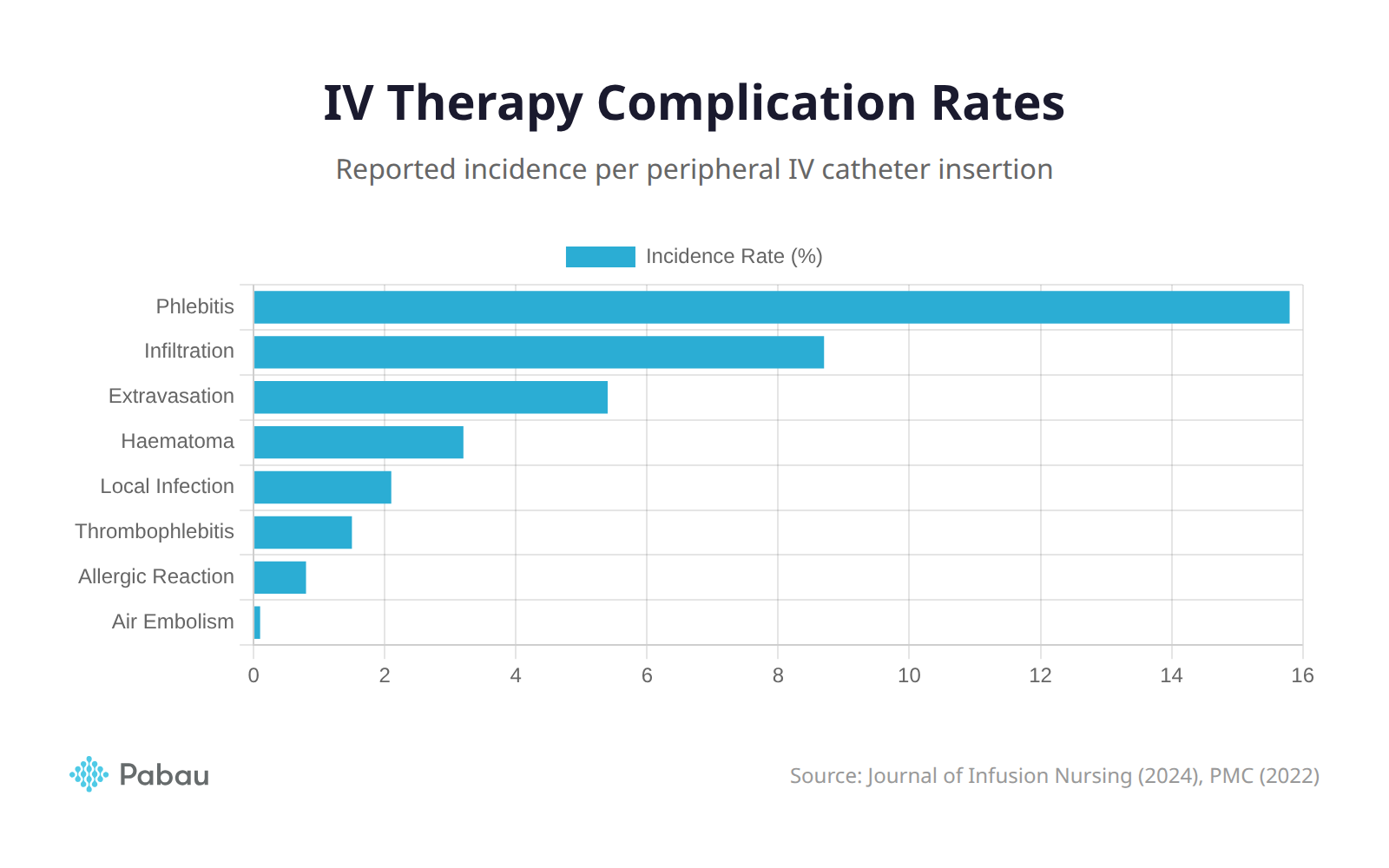
Phlebitis and infiltration account for the majority of IV therapy complications, with rates of 15.8% and 8.7% respectively
Prevention protocols including aseptic technique and proper vein selection reduce complication rates by up to 50%
Every IV therapy clinic needs documented emergency response procedures for anaphylaxis and air embolism
Thorough documentation of IV therapy complications protects both patients and your clinic legally
Staff competency assessments should occur at least annually to maintain safe IV infusion practices
IV therapy complications affect every infusion clinic. Whether you offer vitamin drips, hydration therapy, or NAD+ infusions, you must understand these risks to keep patients safe. Research in the Journal of Infusion Nursing shows that up to 80% of hospital patients receive IV therapy. Complication rates stay high across all clinical settings (Piyamanotham et al., 2024).
This guide covers the most common IV therapy problems. You will learn how to stop them and what to do when they happen. We also show you how to keep good records and manage risks in your clinic.
Most IV therapy complications fall into a few key categories. Knowing these helps your team spot problems early and act fast.
Infiltration happens when IV fluid leaks out of the vein into nearby tissue. Patients often feel swelling, coolness, and pain at the site. However, extravasation is worse. Harsh fluids leak out and can destroy tissue fast if you do not act.
Helm et al. (2019) found rates of 0.1% to 6% across hospitals (Helm et al., 2019). In addition, catching it early cuts tissue harm by a large margin.
Phlebitis makes the vein swell. You will see redness, warmth, and soreness. Sometimes a hard cord forms along the vein. Thrombophlebitis adds a blood clot on top. For example, strong IV fluids raise the chance of this type of swelling.
One study found phlebitis rates of 15.8% (Piyamanotham et al., 2024). As a result, check the IV site often to catch issues early.
A haematoma forms when blood pools outside the vein at the puncture site. This often happens during a tricky insertion. It can also occur when staff do not press firmly enough after removing the catheter. Similarly, patients on blood thinners face a higher haematoma risk.
Train your team to apply firm pressure for a minimum of 3 minutes after IV removal, especially for patients taking blood thinners. This simple step prevents most haematomas.
Spotting IV therapy problems early is the best way to prevent serious harm. Therefore, train your staff to watch for these signs during every infusion:
Most IV therapy complications are easy to manage. However, some need urgent emergency action. Your clinic must have clear protocols for these situations.
Air embolism happens when air gets into the blood through the IV line. Even tiny bubbles can cause chest pain and trouble breathing. In bad cases, the heart may fail. However, good line care can stop this almost every time.
Always flush IV lines fully before use to avoid air embolism. In addition, use Luer-lock fittings. Train staff to scan lines for bubbles at set times during each drip.
Giving IV fluids too fast or in big amounts can cause fluid overload. Signs include hard breathing, high blood pressure, swollen neck veins, and puffy limbs. Meanwhile, patients with heart or kidney issues face a much higher risk.
This matters a lot for wellness IV clinics. Many clients show up without full health records. As a result, good IV therapy intake forms help you spot high-risk patients.
Allergic reactions to IV fluids range from mild hives to life-risking shock. Vitamin drips, in particular, can cause bad reactions in some patients. Therefore, always ask about allergies during intake. Watch patients closely for the first 15 minutes of any new drip.
For severe shock, give adrenaline into the muscle right away. Every IV therapy clinic must have these drugs on hand. Make sure all staff know exactly where to find them.
Keep an anaphylaxis kit within arm’s reach of every infusion station, not locked in a cupboard. Seconds matter during anaphylactic reactions, and fumbling with keys costs valuable time.
You cannot handle every IV therapy problem in-clinic. Call emergency services when:
Post clear escalation rules in every treatment room. This protects both patients and staff. In addition, regular emergency drills help your team respond with confidence under pressure.
“Since implementing structured safety protocols and digital documentation through Pabau, our IV therapy clinic has seen a significant reduction in complications. The ability to track every infusion and flag potential issues before they escalate has been transformative for our patient safety standards.”

Prevention always beats treatment. Strong protocols cut the rate of IV therapy problems and build patient trust in your clinic.
Every person who places IV lines must prove their skills before working alone. This covers theory, hands-on tests, and emergency know-how. Furthermore, knowing who can give IV vitamin therapy is a legal must that differs by region.
Yearly skill reviews keep your team sharp. In addition, storing training files online makes audits quick and simple.
You can stop most IV infections with strict clean methods. This means washed hands, skin prep with antiseptic, and sterile gear for every line. Consequently, clinics that follow these rules see fewer infections.
The INS says you should change IV sites every 72 to 96 hours. This helps cut infection risk (INS Standards of Practice, 2024).
Picking the right vein and catheter size is key to stopping IV problems. For most wellness drips, use the smallest catheter that still gives the right flow rate. In most cases, a 20 or 22-gauge catheter in a forearm vein works well.
Stay away from veins near joints, damaged veins, and the dominant arm. Similarly, try a vein finder device for patients with hard-to-find veins.
You must watch the IV site closely during every infusion. Check it at least every 15 to 30 minutes for signs of trouble. Record vital signs before, during, and after the drip. In addition, make sure patients can call for help if they feel any pain.
Using digital forms for live notes during infusions builds an accurate record. This also helps you spot trends across patients and improve your methods over time.
Good records of IV therapy problems serve many purposes. They protect your clinic in court, drive quality gains, and meet legal rules.
Log every IV therapy problem in an incident report, no matter how small. Write down the date, time, type, patient response, and what your team did. Furthermore, note the names of all staff and any witnesses.
Standard report forms cut variation and ensure nothing gets missed. Many IV therapy clinic best practices suggest digital systems that create trend reports on their own.
On top of incident reports, update the patient’s notes with full details. For visible issues like bruising or tissue harm, take photos with consent. These images show clear proof of how bad the issue was at the time.
Compliance software can speed up this process. It makes sure you fill in all fields and store records safely.
In some areas, you must report certain IV therapy problems to health bodies. For example, serious events from IV vitamin drips may need to go to your local authority. Therefore, learn your local rules and build them into your daily procedures.
Create a complication documentation checklist that staff can access on a tablet at every infusion station. Pre-populated fields for date, time, catheter gauge, vein location, and complication type save valuable time during incident reporting.
Good risk management goes beyond fixing single IV therapy problems. It calls for a full safety system across your whole clinic.
Keep an emergency kit in your clinic at all times. It should include adrenaline, antihistamines, oxygen gear, a blood pressure cuff, and a pulse oximeter. Check expiry dates each month and log every check.
When opening an IV therapy clinic, budget for these supplies from day one. The cost of this gear is tiny next to the risk of being caught off guard.
Written SOPs for every part of IV therapy cut variation and lower risk. Cover patient checks, vein choice, insertion method, infusion watching, problem handling, and aftercare in your SOPs.
Review and update SOPs each year, or after any major incident. In addition, get every team member to sign off on the latest version.
Modern clinic software helps you track IV therapy problems in one place. Digital records make it easy to spot trends, watch rates over time, and build reports for team meetings.
Pick the best EMR for IV therapy or explore dedicated IV therapy EMR software by looking for custom forms, auto alerts, and clear reports. Furthermore, good software cuts the admin load of IV therapy marketing and compliance work at the same time.

Setting up a new IV therapy clinic? Read our guide on how to open an IV therapy clinic covering licensing, equipment, and compliance essentials.
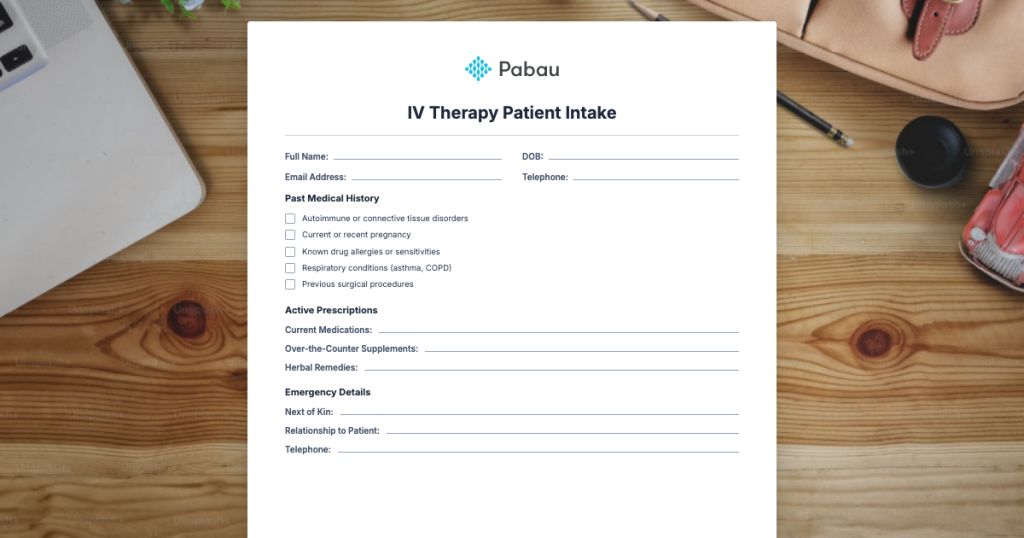
Want to streamline patient intake? Learn what to include in an IV therapy intake form to screen for contraindications and reduce complications.
Looking for the right clinic software? Compare the best EMR systems for IV therapy clinics with features for documentation and safety tracking.
The most common IV therapy complications are phlebitis (vein inflammation), infiltration (fluid leaking into tissue), haematoma (bruising at the puncture site), and local infection. Phlebitis occurs in approximately 15.8% of peripheral IV catheter insertions, making it the most frequent complication.
Prevent IV therapy complications by using strict aseptic technique, selecting appropriate veins and catheter sizes, monitoring the infusion site every 15 to 30 minutes, and conducting thorough patient assessments before starting. In addition, regular staff training and competency assessments help maintain high safety standards.
Infiltration occurs when non-vesicant IV fluid leaks into surrounding tissue, causing swelling and discomfort. Extravasation involves the leakage of vesicant or irritant solutions, which can cause tissue necrosis and permanent damage. Extravasation is more serious and requires immediate intervention to minimise tissue injury.
Signs of phlebitis include redness, warmth, tenderness, and swelling along the vein. You may also notice a palpable cord (hardened vein) at or near the insertion site. Pain during infusion is another common indicator. If any of these signs appear, remove the IV catheter and apply a warm compress to the affected area.
IV therapy sites should be monitored at least every 15 to 30 minutes during an infusion. However, for the first infusion of a new solution or for high-risk patients, more frequent monitoring is advisable. Document your observations at each check to create a comprehensive clinical record.
Every IV therapy clinic should have adrenaline (epinephrine) for anaphylaxis, antihistamines, oxygen delivery equipment, a blood pressure monitor, and a pulse oximeter. Keep these supplies within arm’s reach of infusion stations and check expiry dates monthly. Staff should know exactly where emergency equipment is stored.
Yes, IV vitamin therapy can cause allergic reactions ranging from mild urticaria (hives) to severe anaphylaxis. High-dose vitamin C, B-complex vitamins, and glutathione are among the most commonly reported triggers. Always screen patients for allergies during intake and monitor closely for the first 15 minutes of any new infusion.
Document every IV therapy complication with an incident report including the date, time, complication type, patient response, and clinical actions taken. Update the patient’s clinical notes and photograph visible complications with consent. Use standardised digital forms to ensure consistency and support regulatory compliance.