

Best Practice Management Software in Canada (2026 Guide)
Disclosure: Pabau is our product. We have included it alongside other platforms ...

March 16, 2026


Buy now, pay later is now available in Pabau

Read case studies from our satisfied clients

Compare Pabau with alternative systems
 Integrations
 Measure Pabau savings
  Our security commitment
  About us
Learn why this holistic care and aesthetic medicine clinic chose Pabau to power patient care and performance.
Read more

Timely suits beauty, wellness, and personal service businesses; Cliniko is purpose-built for allied health practitioners.
Pabau covers both market segments – and extends into regulated medical, aesthetic, and multi-specialty clinic environments neither competitor reaches.
Cliniko charges per practitioner; Timely charges by plan tier and SMS usage – both pricing models can escalate at scale.
Pabau’s Healthcode integration makes it the only option of the three suited to UK private medical billing and insurer claims workflows.
For multi-location or mixed-discipline practices, only Pabau offers the combined clinical documentation, marketing automation, and operational tools to manage complexity in a single platform.
Most clinic software comparisons treat scheduling as the deciding factor. The Timely vs Cliniko decision is more nuanced than that – both platforms schedule appointments well, but they serve fundamentally different clinic types and carry different assumptions about how a practice operates. Choosing the wrong platform means rebuilding workflows within twelve months.
Timely is designed for beauty salons, spas, and wellness businesses. Its polished booking experience, built-in point-of-sale, and marketing automation tools reflect that focus. Cliniko is purpose-built for allied health – physiotherapy, occupational therapy, chiropractic, psychology, and similar disciplines – with clinical note templates, case management tools, and a clean interface tailored to practitioner-led practices.
Neither platform comfortably serves regulated medical clinics, aesthetic practices, or multi-specialty environments. That gap is where Pabau’s position against Cliniko becomes relevant – and where this comparison earns its practical value. This article covers clinical documentation, scheduling, billing, marketing automation, integrations, pricing, and compliance – giving you the data to make a well-grounded decision for your practice.
Clinical documentation is where the two platforms diverge most sharply. Cliniko’s treatment note system is a genuine strength: it includes structured note templates, SOAP note formats, case management, and medical history tracking that allied health practitioners rely on daily. A physiotherapy practice running 40 appointments a week needs to document outcomes, track progress across sessions, and maintain legally defensible records – Cliniko’s note tools are built for exactly that workflow.
Timely’s approach to client notes is more limited. The platform provides basic client record fields and appointment history, but structured clinical documentation – the kind required in regulated healthcare settings – is not a Timely core capability. This is a genuine limitation for any practice where clinical record-keeping is a regulatory requirement rather than a preference. Users on review platforms consistently flag this distinction: Timely excels for beauty and wellness scheduling but falls short for clinical use cases.
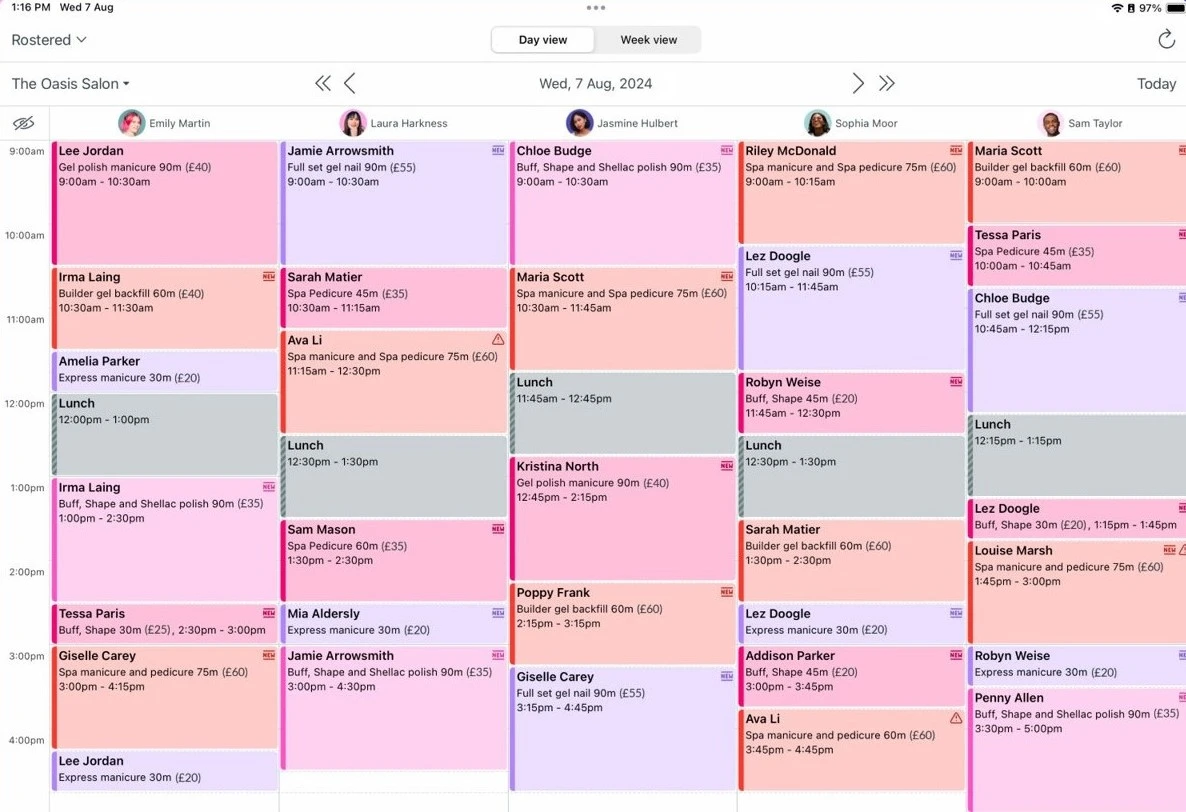
On scheduling itself, both platforms perform well. Timely offers a polished, consumer-facing online booking page that converts well for high-volume appointment businesses. Cliniko provides practitioner-level calendar controls that suit practices where clinicians manage their own availability independently. Neither platform natively supports room or resource scheduling – a gap that becomes visible once a clinic operates across multiple treatment spaces or practitioners sharing equipment.
Pabau addresses both dimensions: it includes customisable clinical note templates, consent form management, structured treatment plans, and medical history tracking alongside multi-practitioner, multi-location calendar management with resource and room scheduling built in. For practices that need clinical documentation and operational depth in the same system, that combination matters.
Pricing structures differ significantly between the two platforms, and both carry escalation risks depending on how your practice grows.
Cliniko uses a per-practitioner pricing model. Costs increase with each additional clinician added to the account. This works well for solo practitioners and small fixed teams, but as practices expand – adding associate physiotherapists, locums, or cross-discipline staff – the monthly bill scales accordingly. Per-practitioner pricing can become a meaningful overhead for practices with five or more clinicians.
Timely prices by plan tier based on active staff members, with SMS reminders charged separately per message. The per-SMS cost is a variable that many small practices underestimate at the outset. A practice sending appointment confirmations and reminders to 200 clients per month will see those charges accumulate quickly. For current pricing on both platforms, check each company’s official pricing page directly – figures change and should be confirmed before any purchasing decision.
Pabau’s pricing is team-size and feature-based with more inclusive feature sets per tier, meaning clinical documentation, marketing automation, and billing tools are not purchased as separate add-ons. For practices comparing total cost of ownership rather than base subscription price, this changes the calculation – particularly for clinics that would otherwise need to layer Mailchimp, a separate billing tool, and a consent management platform on top of a base scheduler.
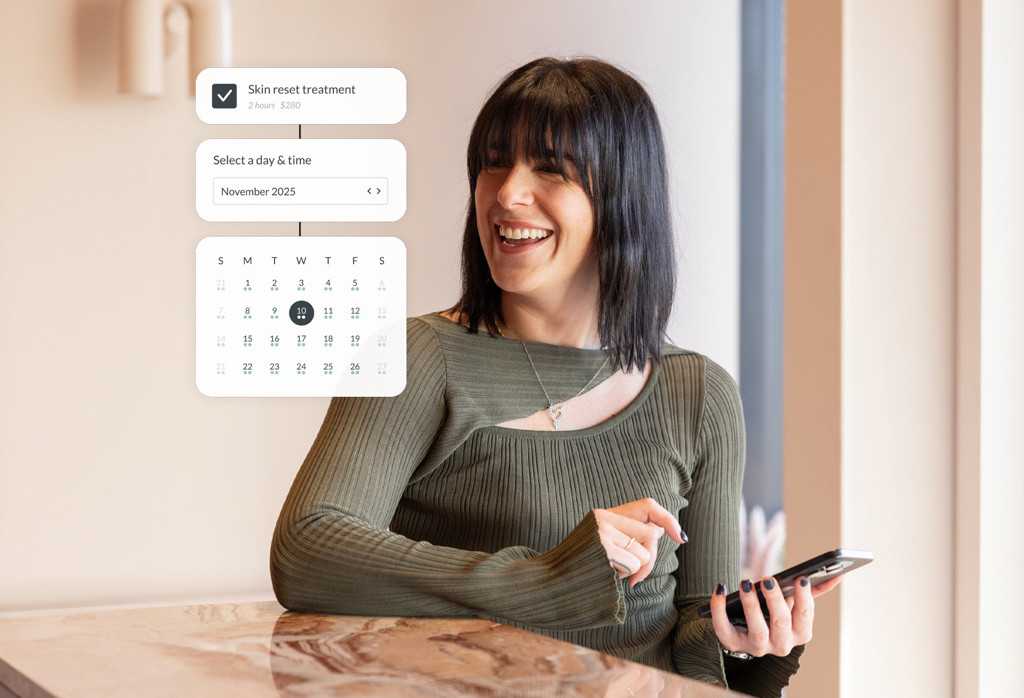
Timely’s booking experience is genuinely polished. The consumer-facing booking page is clean, fast, and designed to convert – which matters for beauty salons and wellness studios where the majority of new clients book online without any staff intervention. According to Capterra reviewers, Timely earns a 4.7 out of 5 rating, with consistent praise for its intuitive interface and straightforward onboarding process.
The built-in point-of-sale and payment processing capabilities suit retail-forward wellness businesses well. Marketing automation tools – including automated campaigns and loyalty programme features – are native to the platform rather than relying on third-party integrations. For a small beauty or wellness team, the combination of booking, payments, and marketing in one place removes a significant amount of operational overhead.
Timely’s clinical documentation capabilities are limited for regulated healthcare settings. Practices that need structured SOAP notes, consent form workflows, or comprehensive medical history tracking will find the platform insufficient. The per-SMS billing model also creates unpredictable costs for high-volume practices – an issue that becomes material as a practice scales its reminder and recall messaging.
G2 reviewers give Timely a 4.5 out of 5 rating, with negative themes focused on its limited suitability for multi-specialty or regulated medical environments and the per-message cost model. Practices with more than one location report that Timely’s multi-site management tools require additional configuration compared to purpose-built multi-location platforms.
Cliniko’s clinical note system is the platform’s clearest competitive advantage. Allied health practitioners – physiotherapists, occupational therapists, chiropractors, psychologists – can document sessions using structured templates, track case progress over time, and maintain the kind of records that professional registration bodies and insurers expect. The interface is clean and purposeful, and the learning curve for clinically trained users is low.
The Xero integration is well-regarded among practices that use Xero for accounting. Stripe payment processing is built in, and onboarding documentation is thorough. Capterra reviewers give Cliniko a 4.7 out of 5, with strong positive sentiment around clinical note quality, the Xero workflow, and the helpfulness of the support team during setup.
For Australian users, Cliniko includes a Medicare integration – a significant practical advantage for AU-based allied health practices billing through the Medicare system. This makes Cliniko particularly strong in its home market.
Cliniko’s native marketing and recall automation tools are limited. Practices that want to run automated SMS campaigns, set up rebooking sequences, or manage loyalty programmes will need third-party integrations – typically Mailchimp or a similar tool. G2 reviewers give Cliniko a 4.6 out of 5, with recurring comments about the gap in native marketing features and the per-practitioner pricing becoming costly as team size grows.
Cliniko is also less suited to aesthetic or regulated medical clinics outside of the allied health context. Practices that combine physiotherapy with aesthetic treatments, or GP clinics that want a single system, will find the platform’s feature set too narrow. Inventory management, before-and-after photo workflows, and prescription tracking are not part of Cliniko’s core offering.

Pabau combines clinical documentation, online booking, automated marketing, and billing workflows in a single system – built for medical, aesthetic, and allied health practices that need more than a scheduler.

Pabau is built for a broader clinical scope than either Timely or Cliniko. It supports medical aesthetics, dermatology, GP practices, physiotherapy, psychology, fertility clinics, men’s and women’s health, and multi-specialty environments – operating as a unified platform across all of them. According to Capterra reviewers, Pabau holds a 4.2 out of 5 rating, with positive themes consistently focusing on the comprehensive feature set, strong clinical documentation and consent form tools, and responsive customer support.
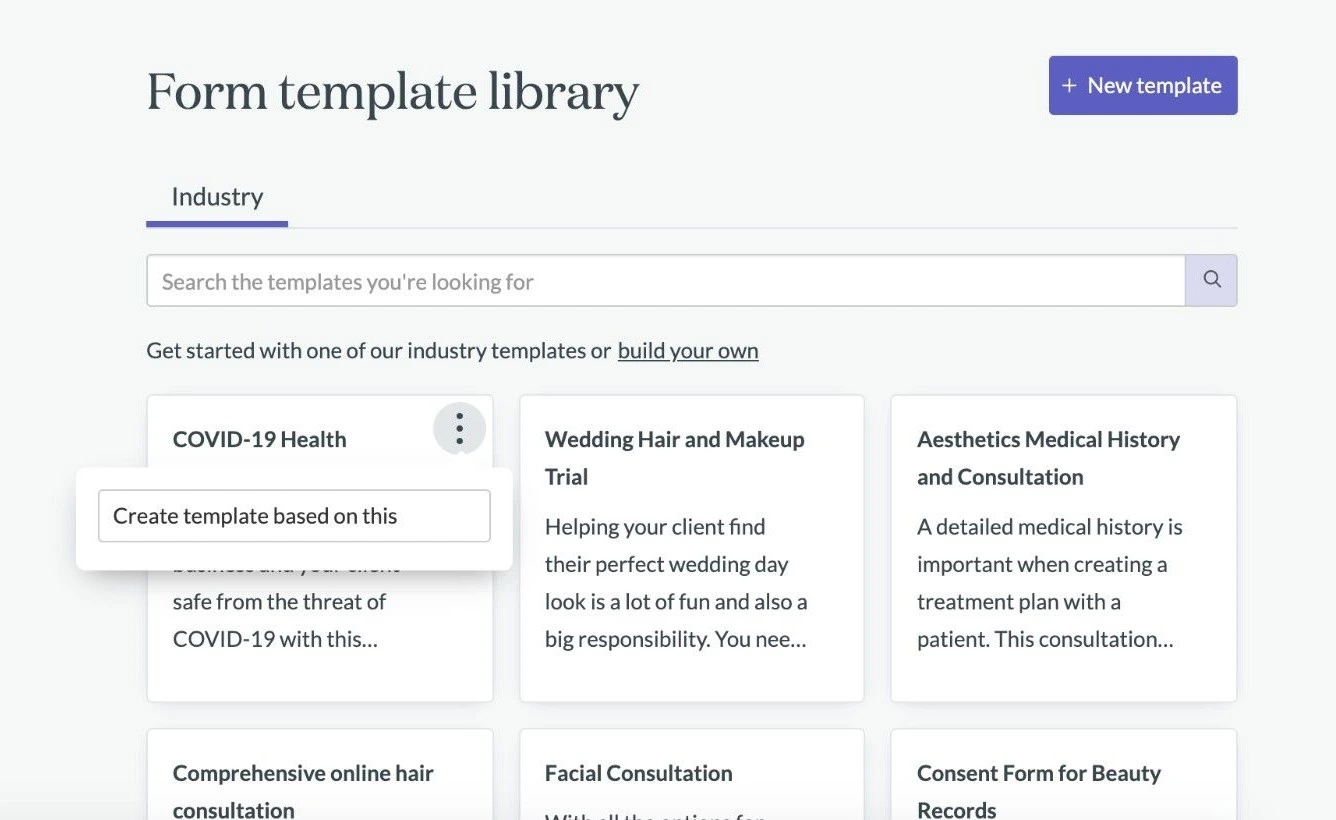
Clinical documentation in Pabau includes customisable treatment note templates, structured consent forms, medical history tracking, injection plotting for aesthetic procedures, and before-and-after photo management. For regulated medical environments – where documentation quality has legal and compliance implications – these tools work in ways that neither Timely nor Cliniko can match. The digital forms and compliance management features are particularly relevant for UK CQC-registered practices and clinics operating under GDPR obligations.
Pabau’s Healthcode integration for UK private medical billing is a functional differentiator. Neither Timely nor Cliniko supports Healthcode natively – which means UK private clinics billing through Bupa, AXA Health, or Vitality need a separate workflow outside those platforms. Pabau handles that billing loop directly, reducing the manual reconciliation burden that private practice billing typically involves. G2 reviewers give Pabau a 4.3 out of 5 rating.
Marketing automation is native to Pabau. Automated email and SMS campaigns, recall messaging, review collection, and loyalty programme features are included without requiring third-party tools. For practices that want to run rebooking sequences for aesthetics clients or recall campaigns for physiotherapy patients in the same system they use for clinical notes, this removes a meaningful integration overhead.
Pabau carries a steeper onboarding curve than either Timely or Cliniko. The breadth of features means initial setup takes longer, particularly for practices configuring clinical note templates, consent workflows, and billing integrations simultaneously. Smaller single-practitioner practices occasionally find the interface more complex than their operational needs require. Trustpilot reviewers give Pabau a 4.4 out of 5, with the most common critique centring on the learning curve for new users rather than any functional gaps.
When evaluating Timely vs Cliniko for your practice, map your single most critical workflow first – not your full feature wishlist. A physiotherapy solo practitioner needs structured clinical notes above everything else. A beauty studio with five staff needs reliable booking and payment processing. Identifying that anchor use case narrows the decision before pricing or integrations enter the conversation.
Integration ecosystems reveal how well a platform handles the parts of clinic operations it doesn’t cover natively. Both Timely and Cliniko connect with Xero and Stripe – the baseline for any credible practice management platform. Beyond that baseline, the two diverge.
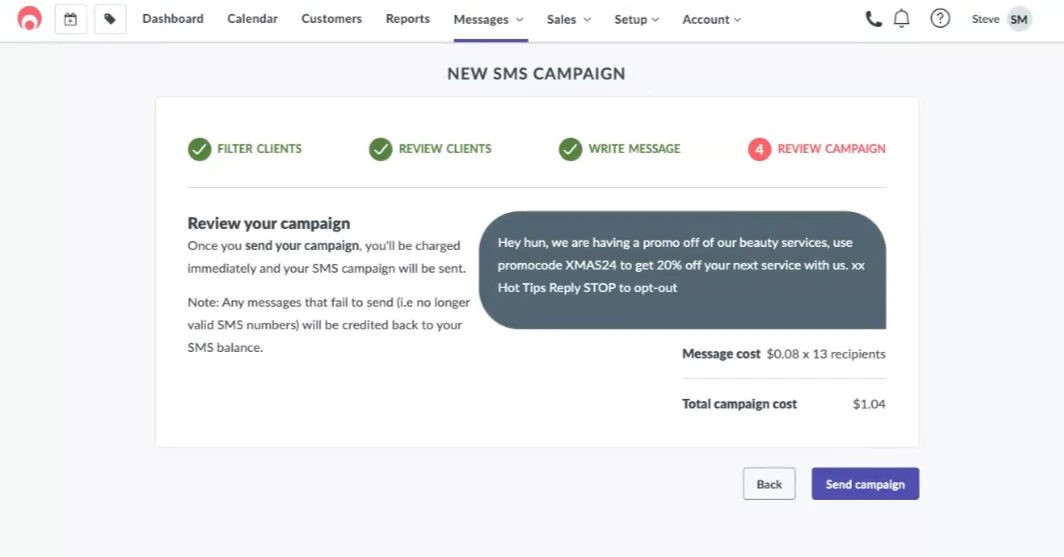
Cliniko integrates with Mailchimp for email marketing, various telehealth platforms for video consultations, and Xero for accounting. For Australian users, the Medicare integration is a practical necessity. The integration ecosystem is adequate for the allied health market Cliniko serves, but practices that want CRM functionality, recall automation, or advanced reporting will need additional tools outside the platform. This is a known friction point for growing practices on Cliniko – you end up managing a small stack of separate subscriptions rather than a unified system.
Timely connects with Xero, Google Calendar, and Stripe alongside its marketing tools. The automated workflow capability within Timely is better than Cliniko’s native offering, making it stronger for recall and reactivation campaigns in wellness and beauty settings.
Pabau’s integration list includes Xero, Stripe, Healthcode, Mailchimp, and Zapier, alongside medical imaging tools and various insurer-linked billing networks. For UK private practices, the Healthcode integration is singular – it connects directly to the UK’s private medical billing infrastructure, enabling claims submission to Bupa, AXA Health, Vitality, and other insurers without manual data entry outside the platform. Neither Timely nor Cliniko offers an equivalent.
Practices evaluating claims management workflows for UK private billing should treat this distinction as a primary selection criterion rather than a secondary feature consideration.
Review platform data provides a practical signal about where platforms deliver and where they disappoint in day-to-day use.
According to Capterra reviewers, Timely holds a 4.7 out of 5 rating. Positive reviews consistently highlight the booking page UX, the ease of onboarding for small teams, and the built-in marketing automation tools. Critical reviews focus on the per-SMS cost model, limitations in clinical documentation, and reduced suitability for practices that operate across multiple locations or combine different clinical disciplines. G2 reviewers give Timely a 4.5 out of 5.
According to Capterra reviewers, Cliniko holds a 4.7 out of 5 rating. The clinical note quality, clean interface, and Xero integration receive the strongest praise. Per-practitioner pricing growth, limited native marketing functionality, and a narrower scope outside allied health are the most commonly cited limitations. On G2, Cliniko holds a 4.6 out of 5 rating – reflecting its strong standing among the allied health audience it serves.
According to Capterra reviewers, Pabau holds a 4.2 out of 5 rating. Positive themes include the depth of the feature set, strong clinical documentation and consent management tools, and responsive customer support. The learning curve during initial setup is the most cited challenge, with some smaller practices noting UI complexity relative to their operational scale. Trustpilot reviewers give Pabau a 4.4 out of 5, with the automation and recall workflow quality noted positively by multi-practitioner clinic teams.
Check review dates as well as scores. Platforms update regularly and a three-year-old review about a missing feature may describe functionality that now exists. Filter for reviews from the past twelve months when evaluating any clinic management software – the product you are buying today may differ meaningfully from the one reviewers described in 2022.
The right answer depends on what your practice actually does, not just how many appointments it books each week.
Choose Timely if your practice is a beauty salon, spa, hair studio, or wellness business where the primary operational need is a polished booking experience, built-in retail payments, and marketing automation for a consumer-facing service business. Timely is well-matched to this profile and genuinely strong within it.
Choose Cliniko if you run an allied health practice – physiotherapy, occupational therapy, chiropractic, psychology, or a similar discipline – where structured clinical notes, SOAP templates, and case management are day-one requirements. Cliniko’s core offering is purpose-built for this market, and its Xero integration makes accounting workflows straightforward for practices in Australia and New Zealand particularly.
Choose Pabau if your practice spans multiple disciplines, operates in a regulated medical or aesthetic environment, employs five or more practitioners, runs UK private billing through insurers like Bupa or AXA Health, or needs clinical documentation, marketing automation, and billing tools to work together without third-party integration overhead. The Pabau vs Timely comparison page covers the operational differences in more detail for practices weighing those two options specifically.
Practices that have outgrown a single-discipline tool – or that are building a multi-specialty clinic from the start – will find the decision straightforward. Neither Timely nor Cliniko is designed to scale into medical, aesthetic, or mixed-specialty environments. Pabau is. That is a practical difference, not a marketing claim.
Compliance is not an afterthought for regulated healthcare practices – it shapes platform selection in ways that pure feature comparisons miss.
For UK practices, GDPR compliance and data residency are material concerns. The Information Commissioner’s Office (ICO) requires that patient data processing meets lawful basis criteria and that any data transfers outside the UK or EU follow appropriate safeguard mechanisms. Practices should request each vendor’s data processing agreement and confirm server locations before committing to a platform. This applies equally to Timely, Cliniko, and Pabau – vendor compliance documentation should be reviewed independently rather than assumed.
For Australian practices, the Privacy Act 1988 and AHPRA registration requirements create documentation obligations that extend beyond basic appointment records. Cliniko’s structured clinical notes and Australia-specific Medicare integration reflect an understanding of this regulatory environment. Practices registered with Australian Health Practitioner Regulation Agency bodies should confirm that their chosen platform’s record-keeping capabilities satisfy the documentation standards for their specific profession.
UK CQC-registered practices face additional requirements around clinical governance documentation, incident recording, and evidence of patient safety processes. Pabau’s compliance management features and the broader clinical documentation infrastructure are relevant here – practices operating under CQC registration benefit from platforms that treat compliance workflows as a built-in operational layer rather than an afterthought. More detailed guidance on UK clinic GDPR obligations is available from the ICO’s official guidance resources.

Need to understand how Pabau compares directly against Cliniko? Pabau vs Cliniko covers the feature, pricing, and workflow differences in detail for allied health and medical clinic owners evaluating both platforms.
Running a physiotherapy or physical therapy practice and evaluating your software options? Physical Therapy EMR outlines the clinical documentation, scheduling, and compliance features relevant to physiotherapy practice management.
Looking for a broader comparison of the leading clinic management platforms? Best Medical Practice Management Software provides an independent review of the top options for medical and allied health practices.
Evaluating how Pabau positions against Timely specifically? Pabau vs Timely details the operational differences between the two platforms for wellness, aesthetic, and multi-discipline clinic owners.
The Timely vs Cliniko comparison resolves differently depending on the type of practice asking the question. Timely is a strong platform for beauty, wellness, and personal service businesses where booking UX and built-in payments drive the core workflow. Cliniko is a strong platform for allied health practitioners who need structured clinical documentation, case management, and a clean interface that respects how clinical work actually operates.
Both have meaningful limitations. Timely is not suited to clinical or regulated medical environments. Cliniko’s marketing automation, multi-location support, and non-allied-health coverage are genuinely constrained. For practices that need to scale beyond a single discipline, operate in regulated medical contexts, or manage UK private billing, neither platform provides a complete operational answer.
Pabau serves a broader clinical scope – medical aesthetics, physiotherapy, GP practice, dermatology, psychology, fertility, and multi-specialty environments – with clinical documentation, compliance tools, marketing automation, and billing workflows unified in a single platform. For clinic owners evaluating the Cliniko alternative that extends beyond allied health, or the Timely alternative that adds clinical depth, Pabau is the logical next step in that conversation.
Timely is designed for beauty, wellness, and personal service businesses, with a polished booking experience, built-in POS, and marketing tools. Cliniko is purpose-built for allied health practitioners – physiotherapy, occupational therapy, chiropractic, and psychology – with structured clinical notes, SOAP templates, and case management. The two platforms serve different clinic types and are not direct substitutes.
Yes. Cliniko is one of the strongest platforms specifically for allied health practice management. Its clinical note templates, case management tools, and clean practitioner-focused interface are well-matched to physiotherapy, occupational therapy, chiropractic, and psychology practices. The Xero integration and Australia-specific Medicare billing support add further value for practices in those markets.
Timely provides basic client record fields and appointment history, but it does not include structured clinical notes in the way allied health or regulated medical practices require. Practices that need SOAP note templates, formal case management, or legally defensible clinical documentation should evaluate platforms built for that purpose, such as Cliniko or Pabau.
The strongest Cliniko alternatives depend on what the practice needs that Cliniko doesn’t provide. For practices that want broader industry coverage – including aesthetic, medical, or multi-specialty environments – Pabau offers clinical documentation depth alongside marketing automation, insurer billing workflows, and multi-location scheduling. Jane App is another well-regarded alternative for allied health practices in Canada and Australia.
For small beauty or wellness businesses, Timely’s ease of use and polished booking tools suit a lean team well. For small allied health practices, Cliniko’s clinical notes and straightforward setup are a strong fit. Small medical or aesthetic clinics – where documentation, consent management, and compliance matter from day one – typically find Pabau’s broader feature set worth the initial setup investment.
Yes. Cliniko’s Xero integration is one of its most-praised features among allied health practices that use Xero for accounting. The integration allows invoice and payment data to sync between the two platforms, reducing manual data entry for practice billing and end-of-month reconciliation.