Client vs Patient: Terminology Guide for Healthcare Practices
The distinction between client vs patient terminology shapes how healthcare and ...

March 5, 2026

Discover free eBooks, guides and med spa templates on our new resources page


Buy now, pay later is now available in Pabau

Read case studies from our satisfied clients

Compare Pabau with alternative systems
 Integrations
 Measure Pabau savings
  Our security commitment
  About us
Learn why this holistic care and aesthetic medicine clinic chose Pabau to power patient care and performance.
Read more

Client is wellness-focused; patient implies medical diagnosis or treatment
Professional licensure and insurance billing often dictate which term applies
Documentation systems must align terminology with regulatory standards
Multi-specialty practices may use both terms for different service lines
The distinction between client vs patient terminology shapes how healthcare and wellness practices position themselves, document encounters, and navigate compliance requirements. A dermatology clinic treating acne uses “patient.” A wellness coach addressing lifestyle habits uses “client.” The difference isn’t arbitrary-it reflects legal scope, reimbursement pathways, and professional identity.
Practices operating across medical and wellness domains face a terminology dilemma. Physical therapists treating post-surgical rehabilitation work with patients. The same therapist running a performance optimisation clinic for athletes may prefer “client.” Clinical psychologists bill insurance for patient treatment. Life coaches addressing career stress serve clients. The client vs patient distinction becomes operational, not just semantic, when documentation, billing codes, and software field labels must align.
The client vs patient divide reflects two different professional frameworks. Patient implies a medical relationship where a licensed provider diagnoses, treats, or manages a health condition. The term carries regulatory weight-Medicare documentation, insurance claims, and clinical notes all reference patients, never clients. The person receiving care occupies a dependent role, relying on the provider’s expertise to address a pathology.
Client suggests a collaborative relationship focused on wellness, prevention, or personal development rather than disease treatment. Nutritionists, personal trainers, health coaches, and some allied health practitioners use “client” because their work doesn’t involve diagnosing or treating medical conditions. The person receiving services participates actively in goal-setting and decision-making. Regulatory bodies in wellness industries-coaching associations, fitness certifications-consistently use client terminology in their standards.
A functional medicine practice illustrates the boundary. When a practitioner orders diagnostic tests, interprets lab results, and prescribes pharmaceutical interventions, that encounter involves a patient. When the same practitioner designs a lifestyle modification plan without prescribing controlled substances, the terminology shifts toward client in some jurisdictions. The distinction hinges on scope of practice, not the practitioner’s preference.
Insurance billing systems enforce the patient label. CPT codes, ICD-10 diagnoses, and claims adjudication processes reference patients exclusively. A chiropractor billing a health plan for spinal manipulation must document patient encounters. The same chiropractor offering corporate wellness workshops uses “client” because those services fall outside billable medical care. The terminology maps directly to reimbursement eligibility.
Medical terminology adopted “patient” from the Latin patiens, meaning “one who suffers.” The term embedded a power dynamic-physicians possessed knowledge to treat suffering; patients received that expertise passively. Modern medical ethics has shifted toward shared decision-making, but the terminology persists in regulatory frameworks, compliance documentation, and professional licensure standards.
The wellness industry adopted “client” deliberately to differentiate from medical models. When coaching emerged as a profession in the 1980s and 1990s, practitioners sought terminology that reflected partnership rather than diagnosis. The International Coaching Federation and similar bodies codified “client” in their ethical standards. The term signals autonomy-the person seeking services drives the agenda, and the practitioner facilitates rather than prescribes.
Allied health professions occupy middle ground. Occupational therapists and speech-language pathologists use “patient” when providing services under a physician’s referral or within a medical setting. The same practitioners use “client” in private practice settings focused on skill development rather than medical rehabilitation. Professional associations for these fields acknowledge both terms depending on practice context.
Medical aesthetics demonstrates the terminology divide clearly. A board-certified dermatologist treating acne scarring with prescription retinoids documents patient encounters. A medical aesthetician performing cosmetic facials in the same clinic serves clients. The distinction aligns with licensure-physicians diagnose and treat pathology; aestheticians provide appearance-focused services without making medical claims. Medical spa software often allows both labels depending on service type and provider credentials.
Mental health professions apply client vs patient terminology based on treatment model and reimbursement. Clinical psychologists billing insurance for cognitive-behavioural therapy document patient sessions. Life coaches addressing career transitions use “client” because coaching doesn’t diagnose mental health conditions. Licensed clinical social workers may use both terms-patient for therapy sessions covered by insurance, client for non-clinical case management or consultation work.
Physical rehabilitation follows similar patterns. A physiotherapist treating post-operative knee reconstruction works with a patient under a surgical protocol. The same therapist running a sports performance clinic for amateur athletes may use “client” to reflect the non-medical, performance-focused nature of that work. The terminology choice affects how services are marketed, documented, and sometimes reimbursed.
Integrative and functional medicine practices often use both terms across different service lines. A physician conducting an initial diagnostic workup sees a patient. Once acute issues stabilise and the focus shifts to long-term lifestyle optimisation, some practitioners transition to “client” for wellness consultations. This dual approach requires clear documentation protocols to avoid confusion in clinical records or billing workflows.

Book a demo to explore how Pabau adapts field labels and documentation templates across medical and wellness service lines, helping multi-specialty practices maintain compliance while personalising client and patient experiences.

Professional licensing boards enforce terminology standards through scope-of-practice regulations. A licensed physician in the UK must document “patient” encounters when providing NHS or private medical care. A nutritional therapist without medical licensure must use “client” and cannot imply diagnostic or treatment authority in marketing or documentation. Misusing “patient” terminology when not licensed to diagnose or treat constitutes practising medicine without a licence in most jurisdictions.
Insurance contracts specify patient terminology in reimbursement agreements. Health plans require providers to document patient encounters using standardised clinical terminology-chief complaint, assessment, treatment plan. Wellness services marketed to clients typically fall outside insurance coverage because they don’t meet medical necessity criteria. Practices offering both must separate documentation streams to avoid claim denials or audit findings.
Data protection regulations treat client and patient information identically under GDPR and similar frameworks. Whether labelled client or patient, health-related personal data requires the same consent mechanisms, security controls, and breach notification protocols. The terminology distinction doesn’t reduce compliance obligations-a wellness clinic managing client records faces the same data protection duties as a medical practice managing patient files.
Marketing regulations restrict how non-medical practitioners use patient terminology. In the United States, the Federal Trade Commission monitors wellness industry advertising for implied medical claims. A health coach describing “patient outcomes” when not licensed to treat medical conditions risks regulatory action. The UK Advertising Standards Authority enforces similar boundaries-wellness practitioners must use client language and avoid suggesting medical expertise they don’t possess.
Audit your intake forms, consent documents, and website copy for terminology consistency. If your scope of practice doesn’t include diagnosing or treating medical conditions, replace every instance of ‘patient’ with ‘client’ to avoid implied medical claims that could trigger regulatory scrutiny or licensing complaints.
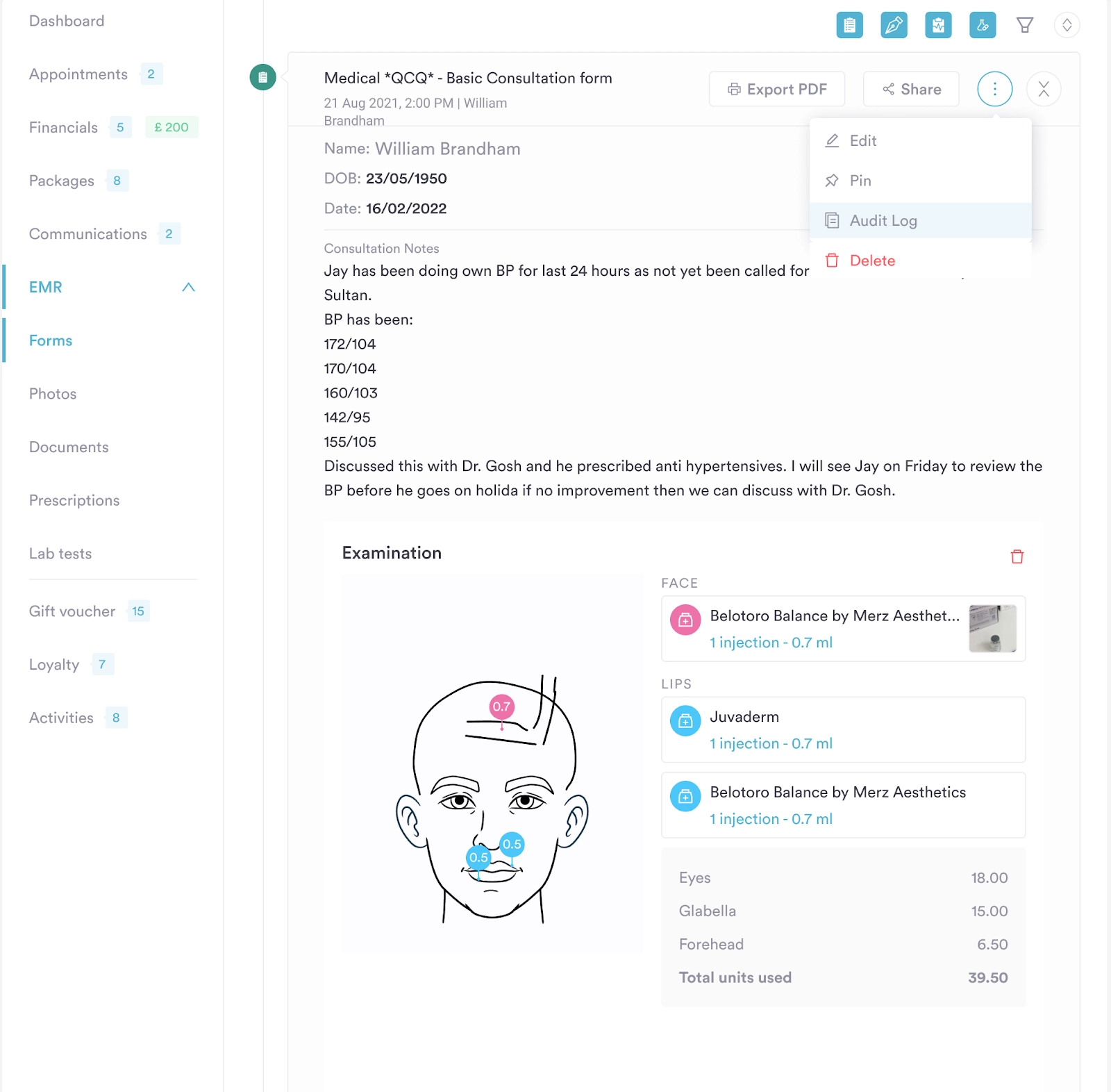
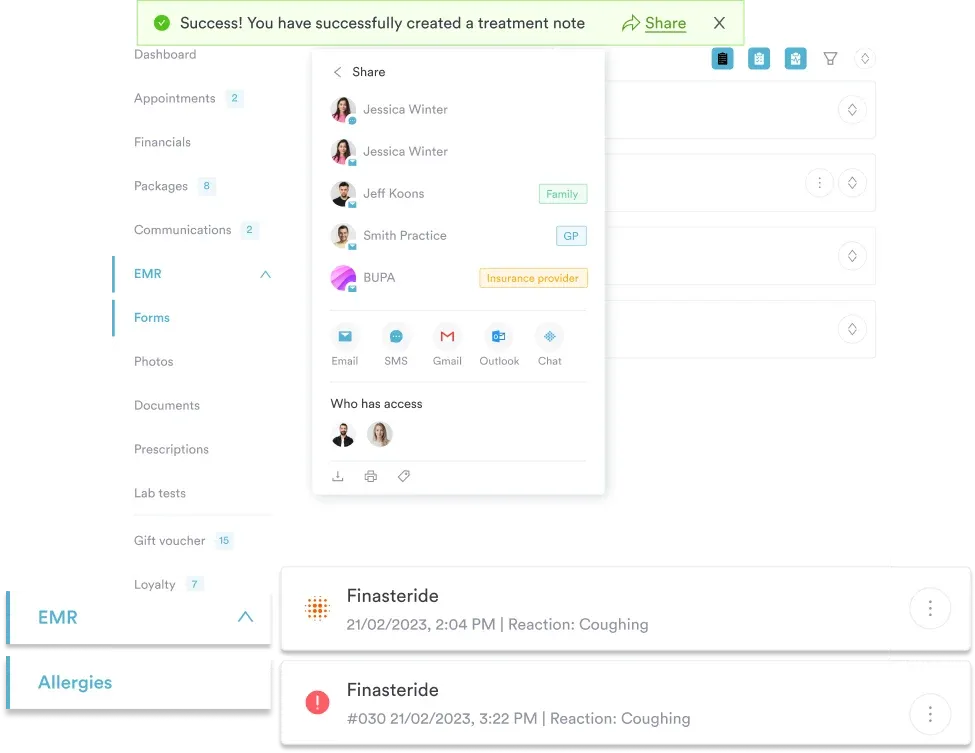
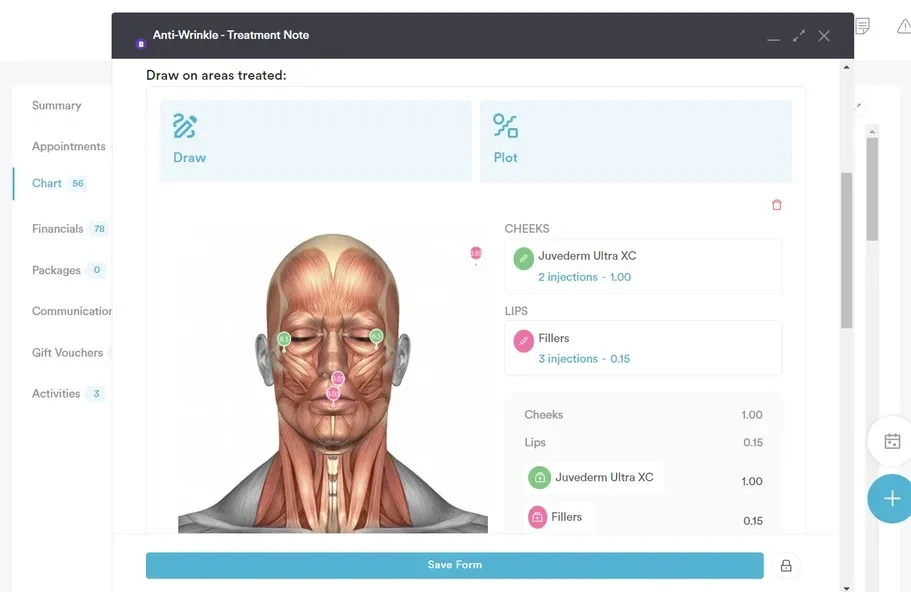
Practice management platforms designed for multi-specialty clinics allow administrators to customise field labels throughout the system. A clinic running both medical dermatology and cosmetic services can configure client management modules to display “patient” in medical workflows and “client” in aesthetic workflows. This flexibility prevents staff from using incorrect terminology in documentation, marketing communications, or billing submissions.
Electronic health record systems default to patient terminology because they’re built around clinical documentation standards. ICD-10 diagnosis codes, SOAP note templates, and prescription modules assume medical encounters. Practices attempting to use generic EHR systems for wellness services often face terminology mismatches-appointment reminders reference “your upcoming patient visit” when the practice markets client consultations. Purpose-built wellness software uses client terminology natively.
Billing integration requirements force terminology decisions. A physiotherapy clinic submitting claims to insurers must generate patient-labelled documentation to satisfy payer requirements. The same clinic offering direct-pay sports performance services can use client terminology for that revenue stream. Software capable of maintaining parallel workflows-one for insurance billing, one for cash services-allows practices to apply appropriate terminology without manual documentation editing.
Online booking systems reflect terminology in customer-facing interfaces. A mental health practice using “client” in its branding should ensure appointment booking confirmations reference “your upcoming client session” rather than defaulting to medical language. Mismatched terminology creates brand inconsistency and may confuse people seeking wellness services who don’t identify as patients. Software customisation options matter for practices positioning themselves outside traditional medical models.
Reporting and analytics modules must accommodate both terms for practices operating dual models. A longevity clinic tracking metrics for medical consultations (patient visits, diagnosis distribution, prescription volume) and wellness programmes (client engagement, programme completion rates, lifestyle outcome measures) needs dashboard configurations that segment data appropriately. Generic patient-only reporting doesn’t capture the full scope of hybrid practice operations.
Clinical documentation templates follow medical terminology standards. SOAP notes, progress notes, and treatment plans reference patients because these formats originated in medical practice. A therapist documenting a counselling session for insurance reimbursement must use patient-centric language to satisfy clinical documentation requirements. The same therapist offering executive coaching uses client-focused documentation that emphasises goal achievement rather than symptom reduction.
Consent forms must match the legal relationship. Medical consent documents describe patient rights, treatment risks, and provider responsibilities under healthcare regulations. Wellness service agreements outline client expectations, service deliverables, and cancellation policies without implying medical oversight. Using patient consent language for non-medical services may create unintended liability if the document suggests diagnostic or treatment authority the provider doesn’t possess.
Practices offering both medical and wellness services require clear internal protocols. A clinic providing GP consultations, physiotherapy, and wellness coaching must train staff on when each term applies. Receptionists booking appointments need guidance-GP visits involve patients, wellness coaching involves clients. Inconsistent terminology in scheduling, invoicing, or follow-up communications creates confusion and undermines professional positioning.
Staff training programmes should address terminology rationale, not just terminology rules. Explaining that “patient” signals medical scope and insurance billing while “client” reflects wellness services helps team members apply terms correctly in novel situations. A prescriptive list of “always say patient for X, always say client for Y” breaks down when practices add new service lines or hire practitioners with hybrid credentials.
Marketing materials for multi-specialty clinics often default to the broadest acceptable term. Practices offering primarily medical services with some wellness components typically use “patient” throughout external communications for consistency. Wellness-focused practices with limited medical services lean toward “client.” The key is internal documentation accuracy-external messaging can be simplified for clarity, but clinical records and billing must use precise terminology to satisfy regulatory and reimbursement requirements.

Running a multi-specialty practice with diverse service lines? Wellness Clinic Software explores how integrated platforms manage mixed medical and wellness operations with customisable terminology and documentation workflows.
Need to understand EMR field labeling best practices? Client Record Features details how practice management systems accommodate both client and patient terminology across appointment scheduling, clinical notes, and communication tools.
Navigating compliance across medical and wellness services? Compliance Management Software outlines how platforms help practices maintain regulatory alignment when operating under multiple licensing and reimbursement frameworks.
The client vs patient distinction isn’t cosmetic. It reflects legal scope, reimbursement pathways, and professional identity. Practices must align terminology with their actual scope of practice, licensing requirements, and service delivery models. Using “patient” when operating outside medical licensure invites regulatory scrutiny. Using “client” for insurance-billable medical services creates claim processing failures.
Multi-specialty practices benefit from flexible systems that accommodate both terms across different service lines. Clear internal protocols prevent terminology inconsistencies that confuse clients, patients, and regulatory bodies. The operational implications-documentation templates, billing workflows, marketing compliance-extend beyond word choice into practice management fundamentals. Getting terminology right from the start avoids costly documentation audits and rebranding efforts later.
Yes, if your practice offers distinct medical and wellness service lines. Medical services billed to insurance require patient terminology in documentation. Wellness services outside insurance reimbursement can use client language. Maintain separate documentation workflows to avoid terminology mismatches in billing or regulatory audits.
Insurance claims require patient-centric documentation regardless of what you call people in marketing. Billing systems, clinical notes, and diagnostic codes reference patients because that’s the standard terminology in healthcare reimbursement. Using client in external communications doesn’t disqualify claims if clinical documentation follows medical standards.
Wellness practitioners without medical licensure should use client consistently. Calling someone a patient implies diagnostic or treatment authority that non-medical practitioners don’t possess. Professional coaching and nutrition associations use client terminology in their ethical standards. Patient language may trigger regulatory complaints from licensing boards.
Configure software to match your scope of practice and regulatory environment. Medical practices billing insurance need patient-labelled templates and fields. Wellness practices focused on coaching or lifestyle services should customise systems to display client throughout. Hybrid practices benefit from platforms allowing term customisation by service type or provider role.
No. GDPR, HIPAA, and similar regulations apply the same protection standards to all health-related personal information regardless of terminology. Client records require identical consent, security, and breach notification protocols as patient records. The label doesn’t reduce compliance obligations.