If you’ve ever tried to find your way out of a maze, you’ll know how complex getting CQC registered can be.
The Care Quality Commission (CQC) sets the standards for quality and safety in health and social care in England, so obtaining their approval is a crucial stepfor any new service.
So, as a healthcare provider, clinic owner, or practice manager, you’re navigating a detailed regulatory process, and if it’s wrong or incomplete, you risk delays, legal exposure, and extra administrative burden.
This guide walks you through the whole process, step by step, from initial preparations to ongoing compliance, so you’re well equipped to meet CQC requirements.
Who must register with CQC?
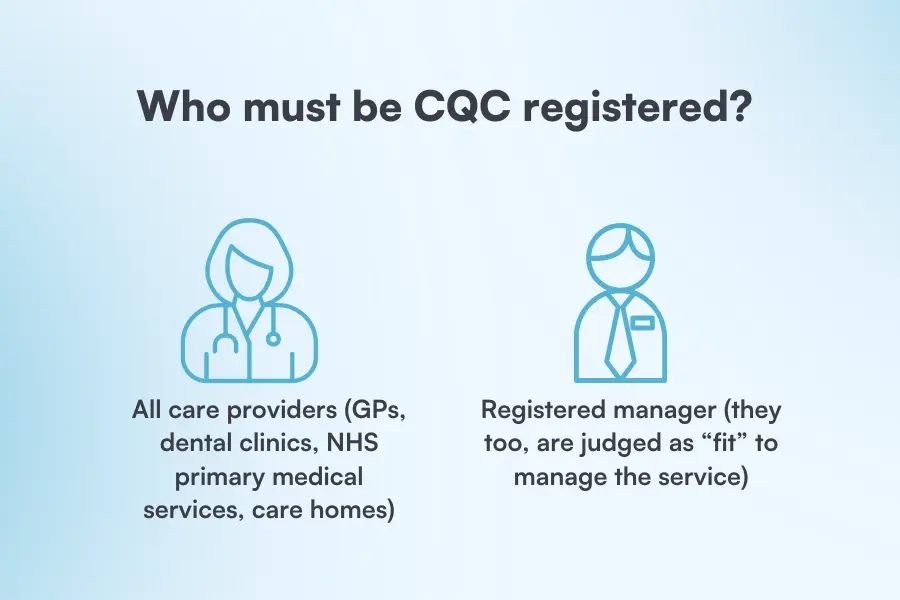
Registration with the Care Quality Commission is mandatory for anyone providing regulated health and social care activities (managers included) in England. This includes a vast array of services, from GP practices and dental clinics to care homes and domiciliary care agencies.
However, it’s crucial to understand the distinction between care provider registration and manager registration:
Provider registration: This is when the organisation (or individual, if you’re a sole provider) registers with CQC to carry out a regulated activity. You must provide detailed information about the entity, the locations, the activities, and demonstrate how you will meet the fundamental CQC standards.
Manager registration: In many cases, the person responsible for the day-to-day running of the regulated activities (the “registered manager”) must also apply to be registered. This ensures that they, too, are judged as “fit” to manage the service.
Pro tip: It’s important to confirm early on whether your service requires both provider and manager registration. In most cases, it does, unless you are personally delivering and managing the service yourself.
Preparations before applying
CQC compliance is important, so thorough preparation can significantly improve your application success chances. Here’s where you should start:
Gather essential documents: Start compiling all necessary legal and operational documents. This includes:
Legal entity details: Company registration number, charity number (if applicable), partnership agreements.
Proof of identity: For all registered persons and managers (passports, driving licenses).
Professional qualifications and registrations: For all clinical staff and managers (e.g., GMC (General Medical Council), GDC (General Dental Council), NMC (Nursing and Midwifery Council) registrations).
Insurance policies: Professional indemnity and public liability insurance.
Property details: Lease agreements, planning permissions, fire safety certificates.
Check DBS requirements: All individuals involved in providing regulated activities, especially those in management roles, will need an enhanced Disclosure and Barring Service (DBS) check. Ensure these are up-to-date and processed well in advance.
Create key policies and procedures: The CQC places a strong emphasis on robust governance. So, you’ll need a comprehensive suite of policies and procedures covering:
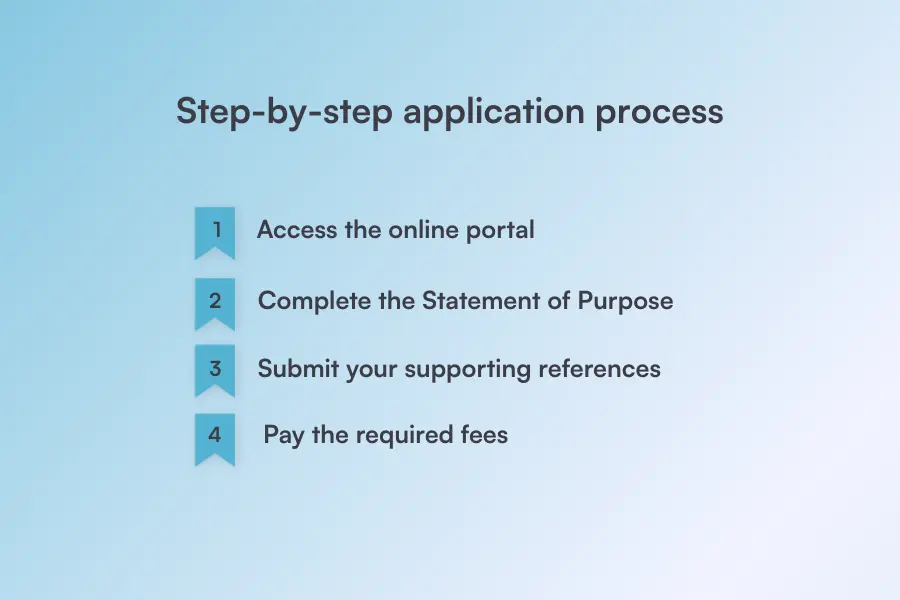
First thing you need to do is register for a CQC Provider Portal account (or access via the forms as specified). The portal allows you to save your progress and return later, so there’s no need to complete everything in one go.
Here’s the first set of information you’ll need to provide:
Legal entity details – company registration number, and charity number if applicable
Service locations – all locations where you’ll deliver regulated activities
Key personnel contact details – including your nominated individual, registered manager, and main point of contact
Regulated activities – the type of services you intend to provide
Make sure all your documents and information are organised before you begin, as incomplete applications are one of the most common causes of delay.
2. Complete the Statement of Purpose
The Statement of Purpose is essentially your business plan for CQC: You need to show how you’ll provide safe, effective, caring, responsive, and well-led care services.
The required sections typically include:
Service description: Exactly what care you will provide (e.g., clinic services, domiciliary care, diagnostics)
Service users: Who you will care for (age ranges, conditions, needs)
Location details: Full address(es), description of premises or delivery setup
Staffing structure: An organisational chart showing accountability and roles
Mission and objectives: Your goals and how you will deliver quality care.
Your Statement of Purpose demonstrates to inspectors how your service will consistently meet fundamental standards of quality and safety, so make sure it’s thorough and accurate.
3. Submit your supporting references
For many applications, the CQC requires professional references to verify the competence and suitability of key individuals, such as registered managers. Typical requirements include:
Two references for the manager covering the last three years of employment
References from previous employers or professional colleagues (not family or friends)
Evidence that the individual is suitable, competent, and experienced in delivering regulated activities
Providing complete and professional references demonstrates to the CQC that your key personnel are fit and proper to manage the service you are registering.
4. Pay the required fees
While you do not pay a fee for the initial application, an application must satisfy CQC registration requirements before you may lawfully provide services.
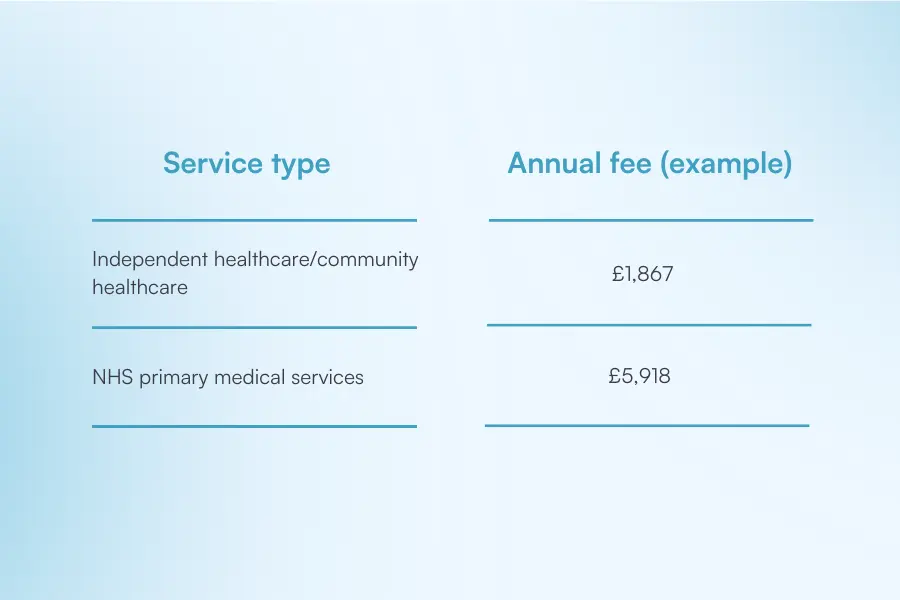
Once registered, you’ll pay annual fees. The fee structure depends on the number of locations, service user counts, and the risk category.
For example, annual fees can range from roughly £994 to £193,390 for hospitals or large multi-site service providers.
In the image below, you can see typical annual fees for different service types at a single location:
Keep in mind that fees increase as the number of locations and service users rises.
Ongoing compliance and managing changes
Getting CQC registered isn’t a one-and-done process. It’s something you’ll need to keep on top of. Whenever things change in your service, you’ll need to update the CQC to make sure you stay compliant.
Here’s what that means in practice:
Keep the CQC updated: It’s a legal requirement to let the CQC know about any major changes, like a new provider or registered manager, a move to a different location, updates to your regulated activities, or anything that could affect the safety or quality of care.
Be ready for CQC inspections: The CQC carries out regular inspections to check you’re still meeting the standards. Stay prepared by keeping your paperwork up to date, making sure your team is well-trained, and continuing to deliver safe, high-quality care.
In this case, it’s always a good idea to run regular internal audits, because they’ll help you spot any issues early and keep track of your compliance checklist.
Navigating post-registration with Pabau
Securing CQC registration is a major achievement, but it quickly leads to the ongoing challenge of maintaining compliance, and failing to do so can expose your service to CQC violations.
That’s where a practice management system like Pabau can make a real difference. It gives you the tools to stay organised, compliant, and inspection-ready at all times.
Digital client records: Keep clear, secure records for every client in one place, including care plans, treatments, outcomes, and consent. This is exactly the kind of documentation CQC inspectors expect to see.
Staff management tools: Store and track essential staff information such as training certificates, professional registrations, DBS checks, and supervision schedules. Everything you need to show your team is competent and compliant.
Incident reporting and analysis: Log and review incidents as they happen, learn from them, and improve your processes. This helps strengthen your risk management and demonstrate continuous improvement.
Client feedback systems: Automatically collect feedback through surveys and reviews, helping you continually improve your service and show that your care is responsive and person-centred.
Beyond compliance, Pabau also helps your practice run smoothly, from managing online bookings and marketing to tracking leads and client engagement.