Primary & Preventive Care
Respiratory Failure Nursing Care Plan Template
A Respiratory Failure Nursing Care Plan Template provides clinicians with a syst...

March 17, 2026


Buy now, pay later is now available in Pabau

Track LH, FSH, testosterone, and DHEA-S levels for PCOS diagnosis using standardised reference ranges
LH:FSH ratio may reach 2:1 to 3:1 in PCOS; elevated androgen markers require clinical interpretation
Use downloadable template to document hormone results, track patterns, and support informed treatment decisions
Interpret results within clinical context using Rotterdam Criteria and Endocrine Society guidance
Integrate structured hormone tracking into digital patient records for compliance and follow-up planning
A PCOS hormone levels chart is a clinical reference template that documents and tracks key hormonal markers used in the evaluation and management of polycystic ovary syndrome (PCOS). PCOS affects approximately 6-20% of women of reproductive age, often presenting with irregular cycles, elevated androgens, and metabolic dysfunction. Accurate hormone testing and interpretation are essential for diagnosis, treatment planning, and monitoring response to therapy.
This template captures critical endocrine markers-including luteinizing hormone (LH), follicle-stimulating hormone (FSH), testosterone, and dehydroepiandrosterone sulfate (DHEA-S)-alongside reference ranges and clinical thresholds aligned with the Rotterdam Criteria and Endocrine Society guidelines. By centralising hormone test results in a structured, easy-to-reference format, clinicians can quickly assess ovarian reserve, androgen excess, and metabolic risk, enabling faster diagnostic decisions and more informed conversations with patients about treatment pathways.
The downloadable PCOS hormone levels chart template supports both initial diagnostic workup and ongoing monitoring throughout a patient’s care journey. Whether used in fertility clinics, women’s health practices, or functional medicine settings, this standardised template reduces documentation variability, improves data accuracy, and integrates seamlessly with digital patient records for compliance and longitudinal tracking.
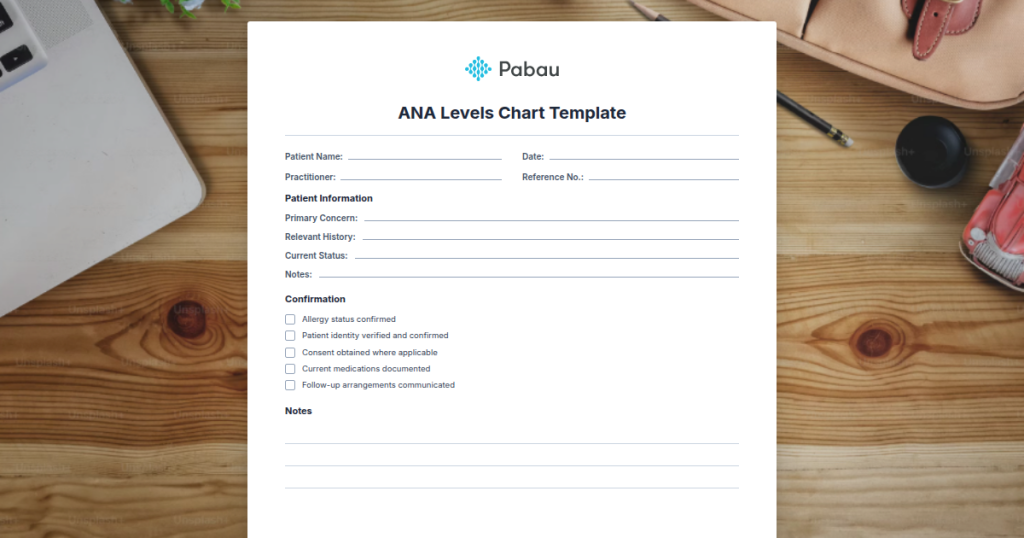
A comprehensive downloadable hormone tracking template for PCOS evaluation, featuring fillable fields for LH, FSH, testosterone, DHEA-S, prolactin, and interpretation guidance aligned with Rotterdam Criteria and Endocrine Society clinical standards.
Download templateA PCOS hormone levels chart is a clinical reference document that centralises key endocrine measurements used to diagnose and monitor polycystic ovary syndrome. PCOS is characterised by a combination of clinical and biochemical features-irregular menstrual cycles, clinical or biochemical signs of hyperandrogenism (excess male hormones), and ovulatory dysfunction-as outlined by the Rotterdam Criteria diagnostic framework endorsed by the Endocrine Society, the American College of Obstetricians and Gynecologists (ACOG), and the European Society of Human Reproduction and Embryology (ESHRE).
The hormone levels chart documents critical serum markers: luteinizing hormone (LH) and follicle-stimulating hormone (FSH) to assess the pituitary-gonadal axis and calculate the LH:FSH ratio (often elevated in PCOS); total and free testosterone to quantify androgen excess; and DHEA-S (dehydroepiandrosterone sulfate) to evaluate adrenal androgen production. The template may also include fields for prolactin (to exclude prolactinomas), 17-hydroxyprogesterone (to rule out 21-hydroxylase deficiency), anti-müllerian hormone (AMH, a marker of ovarian reserve), and sex hormone-binding globulin (SHBG, which influences bioavailable testosterone). The 2023 International Evidence-based Guideline now includes AMH as an alternative to ultrasound for polycystic ovary assessment in adults.
From a legal and clinical governance standpoint, standardised hormone tracking protects patient safety by ensuring comprehensive endocrine assessment before treatment initiation, documenting informed consent discussions around PCOS management, and maintaining audit trails for regulatory compliance. Women’s health and gynaecology practices benefit from a template that serves as both a clinical decision-support tool and a formal medical record, capturing the baseline hormonal milieu against which future results can be compared to assess response to lifestyle modification, pharmacological therapy (such as metformin, oral contraceptives, or anti-androgen agents), or fertility interventions.
The PCOS hormone levels chart is straightforward to implement into routine clinical practice. Follow these five operational steps to maximise the template’s diagnostic and documentation value.

Pabau's digital forms feature enables you to create fillable PCOS hormone charts that auto-populate from patient records and sync with your EHR. Reduce documentation time, improve data accuracy, and give patients secure portal access to their hormone results and treatment plans.

The PCOS hormone levels chart is essential for any clinical setting that diagnoses or manages women with polycystic ovary syndrome. Fertility clinics rely on standardised hormone tracking to assess ovarian reserve, inform treatment escalation (from lifestyle modification to gonadotropin stimulation), and track response to ovulation induction protocols. A patient presenting with irregular cycles and elevated testosterone requires documented baseline androgen levels before prescribing oral contraceptives or anti-androgen therapy.
Women’s health and gynaecology practices benefit from centralised hormone documentation, particularly when managing PCOS-related complications: irregular bleeding (requiring endometrial assessment), metabolic syndrome (necessitating glucose tolerance testing alongside hormone data), and cardiovascular disease risk in PCOS, and fertility concerns (triggering referral to reproductive endocrinology PCOS research). The chart supports informed decision-making about long-acting reversible contraception, weight loss support, or medication options. Functional medicine and integrative medicine practitioners use hormone charts to evaluate the metabolic and endocrine underpinnings of PCOS, often combining hormone data with additional metabolic markers (insulin, HbA1c, lipid panel) to personalise lifestyle and supplement protocols.
Primary care and general practice clinics increasingly manage PCOS patients, particularly those seeking contraception or fertility support. A standardised hormone chart reduces diagnostic variability across different patient interactions and enables GPs to quickly identify cases requiring specialist referral. Weight loss, metabolic health, and longevity clinics that support patients with metabolic dysfunction and insulin resistance benefit from hormone documentation, as PCOS-related hyperinsulinaemia and dyslipidaemia inform treatment personalisation. Mental health services may encounter PCOS-related mood symptoms and benefit from hormone baseline data when co-prescribing medications affecting endocrine function. Academic centers conducting PCOS clinical research protocols have established standardised hormone assessment frameworks that inform best practices for patient eligibility screening and longitudinal data collection.
Standardised diagnostic framework. A structured PCOS hormone chart ensures consistent documentation of the same hormone markers across all patients, reducing variability in what clinicians order and track. This consistency enables reliable comparison between initial assessment and follow-up visits, making it easier to identify treatment response or the need for therapeutic adjustment.
Faster clinical decision-making. By centralising all key hormone values in one reference document, clinicians can quickly assess whether Rotterdam Criteria are met, identify the type of hyperandrogenism (ovarian vs adrenal), and determine appropriate next steps (e.g., pelvic ultrasound, metabolic workup, or fertility counselling) without hunting through multiple laboratory reports or EMR screens.
Improved patient communication and consent. A clear, visual hormone chart helps patients understand their results without overwhelming jargon. When integrated into patient portals, the chart becomes an educational tool supporting informed consent discussions: “Your LH is elevated at [value], which contributes to irregular cycles. Here’s what that means and how we can address it.”
Compliance and audit readiness. Regulatory bodies (CQC in the UK, CLIA and state boards in the US) expect comprehensive, timely documentation of diagnostic workup. A completed hormone chart demonstrates that appropriate testing was performed, results were interpreted in clinical context, and documentation supports the diagnosis and treatment plan. This protects clinics from licensing challenges and malpractice exposure.
Longitudinal trend tracking. Serial hormone charts over months or years reveal patterns-does DHEA-S improve with treatment? Does the LH:FSH ratio normalise?-that might not be apparent from individual lab reports. This supports evidence-based adjustments to therapy and validates treatment efficacy. Multi-setting coordination enables seamless handoffs between specialists.
Track the collection timing alongside hormone values. LH and FSH ideally drawn in the early follicular phase (days 3-5), but irregular cycles make this challenging in PCOS. Document the actual cycle day or ‘random day, anovulatory patient’ to contextualise results during interpretation. Some labs adjust LH and FSH reference ranges based on cycle phase. Inconsistent timing leads to misinterpretation; standardising your collection protocol ensures reliable serial comparisons.
Interpreting a PCOS hormone levels chart requires understanding PCOS workup and hormone interpretation frameworks for normal vs pathological ranges and the clinical significance of each marker in the context of PCOS diagnosis and severity.
Luteinizing Hormone (LH) and Follicle-Stimulating Hormone (FSH). In PCOS, LH is often elevated (typically 10-20 mIU/mL, though ranges vary by lab), while FSH remains normal or low (3-8 mIU/mL). The LH:FSH ratio exceeds 2:1 or 3:1 in PCOS, reflecting abnormal pituitary signalling and explaining anovulation. However, ratios can vary widely, and some women with PCOS have normal LH levels; clinical context matters more than any single ratio. Comprehensive hormone documentation supports consistent interpretation across follow-up visits.
Androgens (Testosterone and DHEA-S). Elevated total or free testosterone (the most sensitive single marker of PCOS) is found in 60-80% of PCOS cases. DHEA-S levels greater than 200 µg/dL are common. The Endocrine Society recommends measuring total testosterone as the initial screening test; if normal but clinical suspicion remains high, measure free testosterone or free androgen index (calculated from total testosterone and SHBG). High DHEA-S suggests adrenal androgen excess and may warrant ACTH stimulation testing to rule out non-classic 21-hydroxylase deficiency.
Other markers. Prolactin should be normal (rarely mildly elevated in PCOS); elevated prolactin warrants pituitary MRI. 17-hydroxyprogesterone greater than 200 ng/dL (early follicular phase) suggests adrenal hyperplasia and requires ACTH challenge confirmation. AMH is often elevated in PCOS and correlates with ovarian follicle count; it supports diagnosis but is not required. Understanding hormonal interactions in PCOS endocrine dysfunction is essential when interpreting results. The Endocrine Society emphasises that diagnosis requires both biochemical evidence (documented hyperandrogenism) AND either irregular menses or ultrasound findings of polycystic ovaries (or both). A high LH:FSH ratio alone is insufficient; it must be paired with clinical signs to confirm PCOS vs other disorders.
A comprehensive PCOS hormone panel extends beyond androgens to include metabolic and supporting endocrine markers, reflecting the multi-system nature of the condition.
Core hormonal markers. Luteinizing Hormone (LH): 1.7-8.6 mIU/mL (follicular phase); Follicle-Stimulating Hormone (FSH): 1.5-9.3 mIU/mL; Total Testosterone: less than 70 ng/dL in women (labs vary); Free Testosterone: less than 2.2 pg/mL; DHEA-Sulfate (DHEA-S): 30-430 µg/dL; Prolactin: less than 25 ng/mL.
Adrenal and metabolic assessment. 17-Hydroxyprogesterone: less than 200 ng/dL (early follicular phase); Cortisol (8 a.m.): 10-20 µg/dL; ACTH: 7-56 pg/mL. Sex Hormone-Binding Globulin (SHBG): 24-122 nmol/L; low SHBG is common in PCOS and contributes to elevated free androgen levels. Anti-Müllerian Hormone (AMH): 0.7-11 ng/mL (elevated in PCOS); Estradiol (follicular phase): 25-75 pg/mL; Progesterone: less than 1 ng/mL (anovulatory phase), greater than 5 ng/mL confirms ovulation.
Thyroid and metabolic markers. Thyroid-Stimulating Hormone (TSH): 0.4-4 mIU/L; Fasting Glucose: less than 100 mg/dL; Fasting Insulin: less than 12 µIU/mL. HbA1c: less than 5.7% (normal); Lipid Panel: assess for dyslipidaemia common in PCOS. PCOS often coexists with insulin resistance (affecting 50-70% of women with PCOS) and metabolic syndrome. Including glucose, insulin, and lipid markers in the initial workup identifies metabolic dysfunction early and informs lifestyle intervention intensity. Thyroid dysfunction is common in women seeking fertility care and can mimic or coexist with PCOS; TSH measurement rules out confounders. Some women have PCOS-related adrenal hyperfunction; measuring 17-hydroxyprogesterone and ACTH establishes adrenal vs ovarian androgen source, guiding treatment choice. Clinicians using the PCOS hormone levels chart template should ensure their laboratory provides results in consistent units and clearly flags normal vs abnormal values, supporting rapid interpretation and clinical action.

Need clinical interpretation frameworks? Interpreting Biomarkers Without Overpromising teaches clinicians how to contextualise lab data and communicate results to patients ethically, essential when discussing PCOS hormone findings that fall into grey zones.
Looking for fertility clinic management software? Fertility Clinic Software reviews practice management platforms with built-in templates and reporting for reproductive endocrinology, where PCOS hormone tracking is core to clinical workflow.
Want digital hormone tracking forms? Digital Forms Software allows you to build smart intake and hormone tracking templates that pull from your patient database, reducing manual entry and improving accuracy.
PCOS is one of the most common endocrine disorders in reproductive-age women, yet diagnostic workup remains inconsistent across clinical settings. A standardised PCOS hormone levels chart template centralises the key biochemical markers-LH, FSH, testosterone, DHEA-S, and supporting metabolic indicators-necessary for confident diagnosis, risk stratification, and treatment planning.
By documenting baseline hormone values aligned with Rotterdam Criteria and Endocrine Society guidance, clinicians create a durable clinical record that supports informed patient conversations, guides specialist referral, and enables longitudinal monitoring of treatment response. Whether you work in fertility, women’s health, functional medicine, or primary care, integrating a structured hormone chart into your practice workflow reduces diagnostic variability, improves compliance documentation, and ultimately accelerates the journey from initial suspicion to evidence-based PCOS management.
Use this downloadable template as a starting point. Adapt it to your specific clinical population (adjusting reference ranges if needed), integrate it into your digital patient record system, and train your clinical team to complete it consistently. Over time, you’ll build a searchable database of PCOS presentations in your clinic, supporting both individual patient care and population health insights.
A PCOS hormone levels chart displays key hormones-LH, FSH, testosterone, DHEA-S, prolactin, 17-hydroxyprogesterone, and AMH-alongside laboratory reference ranges. In PCOS, you typically see an elevated LH:FSH ratio (often 2:1 to 3:1), elevated androgens (total or free testosterone), and sometimes elevated DHEA-S. Other markers help rule out alternative diagnoses like prolactinomas or adrenal disorders.
Ideally, LH and FSH are drawn in the early follicular phase (days 3-5 of a regular cycle) to avoid luteal phase elevation in FSH. However, PCOS patients often have irregular or absent cycles, making specific timing impossible. Document the actual cycle day or note “anovulatory patient, random day” so results can be interpreted in context. Androgens and AMH can be drawn at any cycle day.
No. Diagnosis requires biochemical evidence of hyperandrogenism (elevated testosterone or other androgen) AND clinical signs per ASRM PCOS diagnostic recommendations (irregular menses or ultrasound polycystic ovaries). An elevated LH:FSH ratio without elevated androgens or cycle irregularity does not confirm PCOS.
Repeat testing at 3-6 months after initiating treatment (to assess response) or annually during monitoring if the patient is stable on therapy. Avoid testing too frequently; physiologic variation and timing differences can cause spurious changes.
AMH is helpful for assessing ovarian reserve and fertility prognosis but is not required for diagnosis. Order it when fertility is a primary concern or when counselling about age-related decline in ovarian function.
A PCOS hormone levels chart displays key hormones-LH, FSH, testosterone, DHEA-S, and other markers-alongside reference ranges aligned with Rotterdam Criteria. Charts typically show elevated LH:FSH ratios, elevated androgens, and patient metadata supporting diagnostic and follow-up workflows in women’s health, fertility, and metabolic practice settings.