Primary & Preventive Care
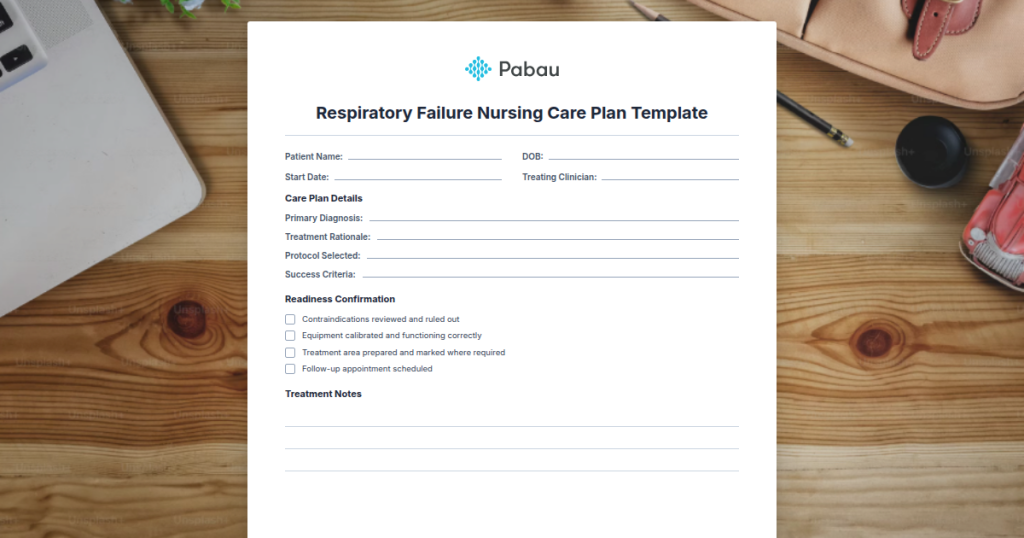
Respiratory Failure Nursing Care Plan Template
A Respiratory Failure Nursing Care Plan Template provides clinicians with a syst...

March 17, 2026


Buy now, pay later is now available in Pabau

FDA-approved treatment for severe primary axillary hyperhidrosis
Consent form documents risks, benefits, and patient responsibilities
Injection site mapping essential for therapeutic accuracy
Medical necessity documentation supports insurance claims
6-12 month duration expectations guide patient planning
Botox hyperhidrosis consent forms are clinical-grade documents that ensure informed patient consent before administering botulinum toxin injections for excessive sweating. The FDA approved this therapeutic use in 2004 specifically for severe primary axillary (underarm) hyperhidrosis, making it one of the few evidence-based medical treatments for this condition. A well-structured botox hyperhidrosis consent form protects both patients and practitioners by clearly documenting understanding of the procedure, realistic outcome timelines, potential risks, and post-treatment care obligations.
This guide walks you through creating, using, and customising a botox hyperhidrosis consent form template to fit your clinic’s workflows. Whether you’re launching hyperhidrosis services or standardising existing consent protocols, this downloadable template provides the clinical and legal structure modern aesthetic and dermatology practices require. You’ll learn what essential sections belong in therapeutic consent forms, how to ground patient education in FDA guidance, and how digital forms reduce administrative burden while maintaining compliance.
A comprehensive medical consent form covering patient education, FDA-approved treatment explanation, injection site documentation, risk disclosure (bruising, temporary weakness, infection), medical necessity criteria for insurance, contraindications, aftercare instructions, and signature blocks.
Download templateA Botox hyperhidrosis consent form is a medical-legal document that communicates the essential information patients must understand before undergoing botulinum toxin injections for excessive sweating. Unlike cosmetic consent forms, therapeutic hyperhidrosis forms emphasise clinical need and medical justification. The form serves three purposes: patient education, informed consent documentation, and compliance evidence.
Hyperhidrosis (excessive sweating) significantly impacts quality of life, affecting social confidence, clothing choices, and occupational function. Botulinum toxin injection is an FDA-approved therapeutic intervention that blocks acetylcholine release at the neuromuscular junction of sweat glands, reducing sweating for 6-12 months. The form clearly explains this mechanism without overselling outcomes.
Informed consent is a regulatory requirement across UK, US, and European healthcare systems. The form documents that the patient has received education about the procedure, understood potential risks and benefits, and made a voluntary decision to proceed. This protection matters for both patient safety and clinic liability. Regulatory bodies including the Care Quality Commission (CQC) in the UK and state medical boards in the US expect documented consent for injectable procedures.
The form references FDA approval status for axillary hyperhidrosis specifically, noting that palmar, plantar, and craniofacial hyperhidrosis use is off-label and requires separate informed discussion. Including this distinction demonstrates clinical rigour and protects against claims of misleading marketing about approved indications. HIPAA compliance (in US clinics) requires secure storage and confidentiality protocols detailed within or alongside the form.
Using a Botox hyperhidrosis consent form effectively requires integrating it into your patient journey at the right moment-typically during or immediately after the initial consultation. Follow these five operational steps to standardise the process across your clinic.

Pabau's digital forms module lets you send, track, and archive patient consent documents in seconds-eliminating paper workflows and improving compliance auditing.

The Botox hyperhidrosis consent form template serves aesthetic clinics, dermatology practices, medical spas, and specialist hyperhidrosis treatment centres. Any clinic offering injectable botulinum toxin for excessive sweating benefits from this structured document.
Aesthetic clinics offering injectable services often bundle cosmetic and therapeutic treatments. The hyperhidrosis-specific form distinguishes medical necessity cases from cosmetic procedures, ensuring accurate documentation and supporting insurance billing workflows. Many medspas expand into therapeutic hyperhidrosis services to diversify revenue and serve patients with clinically documented excessive sweating.
Dermatology practices treating patients with primary focal hyperhidrosis rely on evidence-based protocols. This form aligns with dermatological standards and supports insurance pre-authorisation requirements. Dermatologists often see patients for whom topical antiperspirants and prescription-strength agents have failed, making botulinum toxin a logical step in the treatment hierarchy.
Plastic surgery clinics offering reconstructive procedures sometimes include hyperhidrosis management. Specialist hyperhidrosis treatment centres use this form as a core workflow document, while private practice GPs and nurse practitioners expanding into aesthetic injectable services benefit from professional-grade consent documentation for CQC or state regulatory compliance.
The form’s adaptability supports single-location clinics and multi-location networks equally. Whether you’re a solo practitioner or a 10-clinic franchise, customising the template to your branding and clinical protocols takes minutes.
A well-designed Botox hyperhidrosis consent form delivers operational and compliance benefits across your clinic.
Documented informed consent is the foundation of risk management for injectable procedures. The form creates an audit trail proving the patient understood risks, benefits, and alternatives before treatment. In the event of a complaint or adverse event report, this documentation demonstrates professional duty of care. CQC inspectors and medical defence organisations expect to see structured consent forms in patient records. A thorough hyperhidrosis consent form meets and exceeds these regulatory expectations.
Many health plans require medical necessity documentation before reimbursing hyperhidrosis treatment. The consent form often includes space for documenting failed conservative treatments, supporting your insurance claim narrative. This structured approach improves authorisation rates and reduces claim denials tied to insufficient medical justification.
Written, signed consent demonstrates the patient received education about realistic timelines (7-14 days onset, 4-week peak, 6-12 month duration), injection site limitations (FDA-approved axillary use versus off-label use), and potential temporary effects. This documentation reduces post-treatment disappointment and premature follow-up requests.
Clinics using digital consent forms reduce paperwork storage, improve retrieval efficiency, and ensure every patient receives identical, clinically vetted information. Moving consent forms to digital platforms improves HIPAA/GDPR compliance (encrypted storage, audit logs), reduces lost documents, and enables patient portal access. Pabau’s digital forms module lets clinics send, sign, store, and retrieve consent documents securely within a single system.
Document the injection volume and exact anatomical sites on the consent form itself. Many practitioners add a hand-written or stamped diagram showing units administered to each area (left axilla: 50 units, right axilla: 50 units). This level of specificity supports insurance claims requiring procedure documentation, prevents scope creep in follow-up visits, and creates a precise audit trail. Store the annotated form with the clinical record. This practice is especially important for multi-site hyperhidrosis treatment, where off-label use requires extra documentation rigour.
Insurance pre-authorisation for hyperhidrosis treatment requires documented medical necessity. Unlike cosmetic botulinum toxin use (which patients typically self-pay), therapeutic hyperhidrosis claims must demonstrate the patient has exhausted conservative treatments and meets clinical severity criteria. Your consent form can serve as the foundation of this documentation.
Health plans evaluate hyperhidrosis claims using objective severity criteria. Many require evidence that the patient has tried and failed at least two conservative interventions: prescription-strength antiperspirants (typically 20% aluminium chloride hexahydrate or higher), iontophoresis (electrical current delivery to sweat glands), oral anticholinergic medications, or topical glycopyrronium. The consent form should include checkboxes or narrative space documenting which treatments were attempted and why they were inadequate.
Some insurers request quantitative severity measures. The International Hyperhidrosis Society recommends the Hyperhidrosis Disease Severity Scale (HDSS), a simple 4-point patient-reported scale assessing impact on daily function. Add a “Medical Necessity” section to your consent form that includes: (1) HDSS score, (2) list of failed conservative treatments with dates, (3) clinician assessment of functional impairment, (4) FDA approval statement for axillary hyperhidrosis, and (5) treatment plan (injection sites, unit dosing, re-treatment interval). When treating off-label sites (palmar, plantar, craniofacial), document explicitly and include additional justification for why the patient is appropriate for off-label use.
Hyperhidrosis affects different anatomical regions, and injection technique varies by site. Your consent form should clarify which areas are FDA-approved versus off-label, helping patients and practitioners align on treatment scope.
The underarm is the only FDA-approved site for botulinum toxin hyperhidrosis treatment. Axillary injections are relatively straightforward: practitioners typically inject a grid pattern across the affected area, using 50 units per underarm (100 units total is standard). Onset is 7-14 days, peak effect at 4 weeks, and duration 6-12 months. The consent form should include an anatomical diagram of the underarm showing the typical injection grid.
Palms and feet are more challenging due to thick skin and complex anatomy. Injections require higher unit counts and more precise technique to reach eccrine glands. Off-label use requires explicit patient consent and documented justification on the form. Practitioners typically explain that palmar treatment may cause temporary hand weakness, affecting fine motor tasks for 1-2 weeks. Craniofacial hyperhidrosis carries higher risk of brow ptosis or eyelid malposition due to proximity to facial muscles, requiring especially detailed consent documentation.
Some clinics use starch-iodine testing (Minor’s test) to visualise sweating patterns before injection. If your clinic employs this technique, document it on the consent form as part of pre-treatment planning. The consent form’s injection site diagram should be specific to the patient’s primary sweating area, preventing scope creep and ensuring realistic outcome expectations.

Need to streamline digital consent workflows? Digital Forms let you send, sign, and archive patient consent documents in seconds, with built-in audit logs and HIPAA compliance.
Want AI-assisted clinical documentation? Echo AI helps practitioners document patient education, risk discussions, and treatment plans efficiently during consultations.
Looking for comprehensive medical spa software? Medical Spa Software integrates booking, consent management, clinical records, and billing into one secure platform designed for therapeutic and aesthetic practices.
A Botox hyperhidrosis consent form is more than a legal checkbox-it’s a clinical communication tool that protects patients, practitioners, and clinics. By clearly documenting medical necessity, anatomical scope, realistic timelines, and informed understanding of risks, the form becomes evidence of professional care delivered to regulatory inspectors, insurance companies, and (if necessary) medical defence organisations.
The template from Pabau provides a clinically rigorous, compliance-aligned starting point. Customising it to your specific clinic workflows, regional regulations, and practitioner credentials takes minimal time and ensures every hyperhidrosis patient receives standardised, thorough consent documentation. Whether you’re managing insurance pre-authorisation for axillary hyperhidrosis or navigating off-label palmar and craniofacial use, a structured consent form grounds your clinical decision-making in evidence and patient education.
Digital delivery through patient portals or e-signature platforms eliminates paper storage headaches and improves audit readiness. Most clinics find that standardised consent workflows reduce follow-up questions, accelerate insurance authorisation, and strengthen patient trust. Download the template, customise it for your practice, and integrate it into your patient journey today.
Reviewed against current FDA botulinum toxin hyperhidrosis labeling and International Hyperhidrosis Society clinical guidance.
Botox (onabotulinumtoxinA) is a botulinum toxin that blocks acetylcholine release at the neuromuscular junction of sweat glands. For hyperhidrosis (excessive sweating), it reduces sweat production in treated areas for 6-12 months. The FDA approved it for severe primary axillary (underarm) hyperhidrosis in 2004.
Results typically appear 7-14 days after injection, peak at 4 weeks, and last 6-12 months. Most patients schedule re-treatment every 6-9 months to maintain dryness. Duration varies based on metabolism, injection volume, and anatomical site.
Some health plans cover hyperhidrosis treatment if documented as medical necessity. Requirements typically include proof of failed conservative treatments (topical antiperspirants, iontophoresis, oral medications) and functional impairment. Coverage varies by insurer and region. Check your patient’s plan before treatment.
Common temporary effects include bruising, swelling, and mild tenderness at injection sites. Rare risks include temporary muscle weakness in adjacent areas, infection, and allergic reactions. Axillary injections carry minimal risk of functional impairment, while palmar injections may cause temporary hand weakness.
Yes, but this is off-label use (not FDA-approved for palms). Treatment requires explicit informed consent and experienced technique. Palmar injections may cause temporary hand weakness or loss of fine motor control lasting 1-2 weeks. Medical necessity documentation is especially important for insurance claims.
A comprehensive hyperhidrosis consent form should cover: patient education about the procedure and FDA approval status, list of potential risks and temporary effects, realistic timeline expectations (onset 7-14 days, duration 6-12 months), injection site mapping, medical necessity documentation (failed conservative treatments), contraindications, aftercare instructions, and signature acknowledgement.
No. Botulinum toxin is contraindicated in pregnancy and breastfeeding due to insufficient safety data. The consent form should screen for pregnancy, breastfeeding status, and plans for pregnancy within 12 months. This is a hard exclusion criterion, not a case-by-case decision.
Store original or scanned consent forms securely in the patient’s medical record, retained per regulatory requirements (typically 7 years in the UK, 5 years in some US states). Digital forms platforms with encryption, audit logs, and access controls improve HIPAA/GDPR compliance and enable quick retrieval during audits or complaints.