Aesthetic Clinic Aesthetics & Beauty
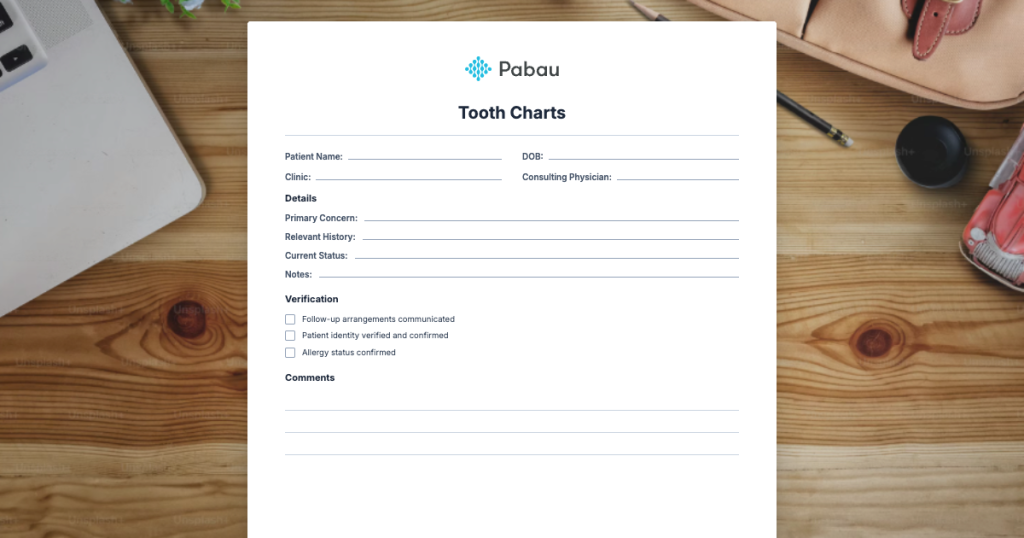
Tooth Charts
Tooth Chart: Free Downloadable Template for Dental Clinics A tooth chart is a vi...

March 6, 2026

Discover free eBooks, guides and med spa templates on our new resources page


Buy now, pay later is now available in Pabau

Read case studies from our satisfied clients

Compare Pabau with alternative systems
 Integrations
 Measure Pabau savings
  Our security commitment
  About us
Learn why this holistic care and aesthetic medicine clinic chose Pabau to power patient care and performance.
Read more

Aesthetic clinics need software with native EMR, consent forms, and before/after photo management – not just booking tools.
UK compliance requirements (CQC, GDPR, JCCP) should be built into the platform, not bolted on via third-party add-ons.
Commission-free booking models protect revenue; marketplace platforms like Fresha charge per new client booking.
Pabau is the only platform in this list designed specifically for clinical aesthetics with all workflows unified in one system.
Multi-location scheduling, patch test tracking, and integrated payments separate clinical-grade tools from general salon software.
Most aesthetic clinics start with a booking tool and realise too late that it was never built for them. The best practice management software for aesthetic clinics does far more than fill a calendar – it handles digital consent forms, before/after photo documentation, patch test records, GDPR-compliant patient files, and clinical notes, all within a single workflow. When any of those elements lives in a separate tool, the cracks start to show: missed pre-consents, fragmented records, compliance gaps ahead of a CQC inspection, and staff switching between five platforms to complete one appointment cycle.
This guide evaluates the leading platforms for aesthetic and medical spa practices. Each is assessed on clinical documentation depth, consent form functionality, scheduling capability, compliance readiness, and pricing model. The aim is to give clinic owners and practice managers a clear, honest picture of which tools were built for aesthetics and which were adapted from the beauty-salon world.
There is a meaningful difference between software that books appointments and software that runs a clinic. Aesthetic medicine sits at the intersection of healthcare and beauty – and that intersection demands clinical rigour that most booking platforms were never designed to provide.
A booking tool schedules appointments, sends reminders, and takes payments. A clinical platform does all of that – and also captures pre-treatment contraindications, stores signed consent forms against a patient record, logs patch test outcomes linked to future appointments, documents injection sites with body-mapping tools, and generates treatment records that stand up to regulatory scrutiny.
The Joint Council for Cosmetic Practitioners (JCCP) sets practitioner standards that implicitly require robust documentation at every stage of the patient journey. A practitioner using a salon booking tool to manage Botox and dermal filler treatments is carrying documentation risk that no amount of manual spreadsheet-keeping fully mitigates. The platform choice is, in part, a clinical safety decision.
This distinction matters when evaluating the platforms below. Zenoti, Boulevard, and Timely are competent tools for their intended markets – but their intended market is primarily the salon and beauty industry. Platforms like Pabau and AestheticsPro were built with clinical workflows as the starting point. That gap shows up most clearly in consent forms, EMR depth, and compliance reporting.
Before evaluating individual platforms, it helps to define what a clinical aesthetic practice actually needs from its software. The features below are non-negotiable for any clinic carrying out prescription-only treatments, injectables, or skin procedures under medical supervision.
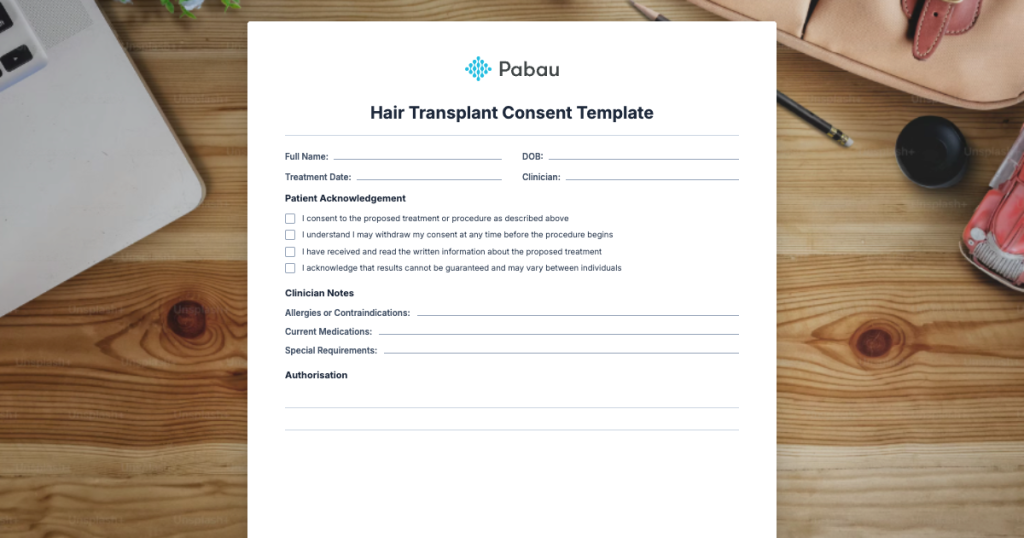
Consent forms in aesthetic medicine are not administrative formalities – they are clinical and legal documents. The platform must store signed consents against the patient’s record, allow retrieval during a CQC inspection, and ideally send forms automatically before the appointment. Pabau includes fully digital consent forms with GDPR-compliant e-signature capture, sent automatically as part of the pre-appointment workflow. AestheticsPro also offers native eConsent as a core feature. Boulevard and Timely require third-party integrations for comparable functionality, which creates a documentation continuity risk.
Before/after photography is standard practice in aesthetic medicine for clinical documentation, outcome tracking, and patient communication. The photos must be stored securely against the patient record – not in a separate app or shared camera roll. Pabau’s before/after photo management is integrated directly into the treatment record, meaning the photograph, the consent form, and the clinical note all sit in one place. Most general beauty platforms, including Zenoti and Boulevard, do not offer this natively; practitioners using those tools typically manage photos separately.
Aesthetic practitioners need structured clinical notes that capture treatment decisions, product lot numbers, injection volumes, and post-care instructions. Generic appointment notes do not meet this standard. Pabau provides a full aesthetic EMR with customisable note templates designed for specific treatments – Botox, fillers, skin boosters, laser, and others – including an injection plotting tool for precise anatomical documentation. AestheticsPro offers comparable EMR functionality; Zenoti and Boulevard are more limited in this area.
Patch tests are a clinical safety requirement for many aesthetic treatments, including certain laser procedures and chemical peels. The software must be able to record a patch test outcome and link it to the patient’s eligibility for future appointments. This is a relatively specialised requirement that general salon software rarely addresses. It is a feature category worth verifying directly with any platform under consideration.
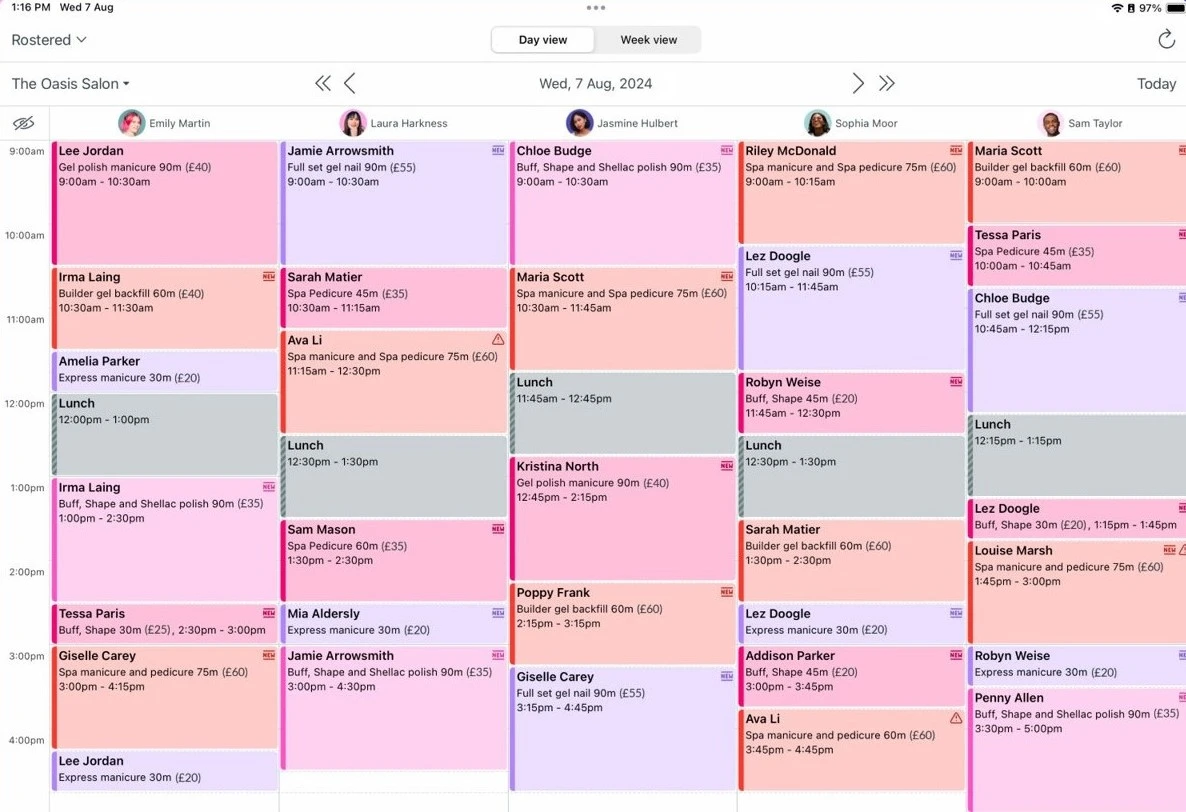
As clinics grow, scheduling complexity increases. Room allocation, equipment booking, and multi-practitioner diaries across locations require scheduling logic that most simple booking tools cannot handle. Pabau’s multi-location management supports separate room, resource, and practitioner calendars across multiple sites. Timely and Fresha handle individual practitioner booking well but are not designed for the resource scheduling complexity that a growing aesthetic clinic requires.

Pabau unifies clinical notes, consent forms, before/after photos, scheduling, and marketing in one platform – with no commission on bookings and no add-ons required for core clinical workflows.

Regulatory pressure on UK aesthetic clinics has intensified. The Health and Care Act 2022 introduced licensing requirements for non-surgical cosmetic procedures, and the Care Quality Commission (CQC) has sharpened its scrutiny of clinics carrying out injectable treatments that fall within the regulated activity framework. Software that cannot support a CQC inspection – producing clear records, signed consents, and treatment histories on demand – is a liability.
GDPR compliance is equally non-negotiable. Patient data in aesthetic medicine includes highly sensitive health information: treatment records, photographs, medical histories, and prescription details. Under UK GDPR (post-Brexit), this data carries elevated protection obligations. The Information Commissioner’s Office (ICO) provides clear guidance on health data responsibilities – and a data breach involving aesthetic patient records carries significant reputational and regulatory consequences.
Pabau was designed with UK regulatory requirements as a primary consideration, rather than as a later addition. Its compliance management tools support audit readiness, data access controls, and secure data handling aligned with UK GDPR requirements. US-based platforms like Zenoti and Boulevard have HIPAA as their compliance reference point; their UK compliance capabilities are secondary and should be evaluated carefully by any UK clinic before committing.
For clinics seeking Save Face accreditation or JCCP membership, the documentation standards are high. Software that cannot produce complete, dated, signed treatment records on request is an obstacle to accreditation – not a support for it.
Run a compliance audit before selecting any software platform. List every document type your clinic must store – consent forms, patch test records, before/after photos, clinical notes, prescriptions – and verify that each can be created, stored, and retrieved within the platform without relying on third-party tools. A gap in one area often signals deeper structural limitations.
Seven platforms appear most frequently when aesthetic clinic owners evaluate their options. Each serves a different part of the market – and each has genuine strengths alongside real limitations for clinical aesthetic use cases.
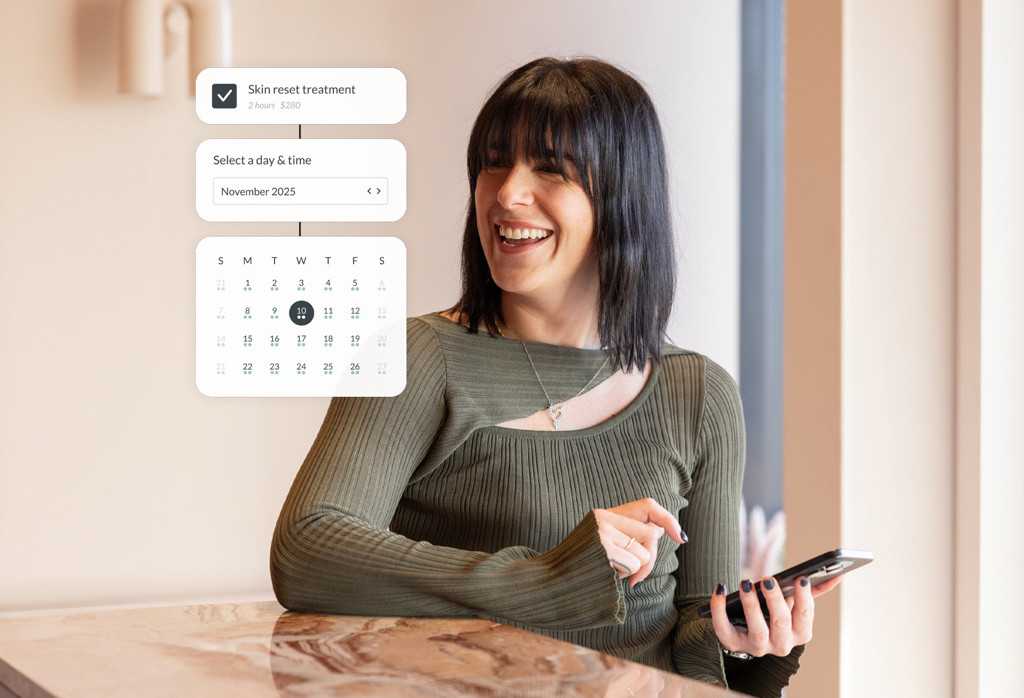
Pabau is the only platform in this list designed from the ground up for clinical aesthetic and medical spa environments. Its core functionality covers EMR, digital consent forms with automated pre-appointment sending, before/after photo management linked to treatment records, injection plotting, patch test tracking, multi-location scheduling, integrated payments, and built-in marketing automation – all without requiring third-party add-ons for clinical workflows.
For UK clinics specifically, Pabau’s alignment with CQC and GDPR requirements is a meaningful differentiator. The platform supports multi-practitioner and multi-room scheduling, staff rota management, and inventory management – all within a single subscription. According to Capterra reviewers, Pabau scores 4.3 out of 5, with positive themes centred on its all-in-one capability, consent form functionality, and suitability for multi-location practices. The most common criticism is the learning curve during initial onboarding – a fair reflection of the platform’s depth.
Pabau uses a subscription model with per-location pricing and no commission taken on bookings. For high-volume aesthetic clinics, this is a significant financial consideration compared to marketplace-based alternatives.
AestheticsPro was built specifically for the medical spa market, giving it a level of clinical relevance that general salon platforms lack. It includes native eConsent forms, EMR, and integrated marketing tools. According to Capterra reviewers, AestheticsPro scores 4.3 out of 5, with reviewers highlighting its purpose-built aesthetic focus and eConsent capability. Some users report that the interface feels dated compared to newer platforms, and customer support response times have been noted as an area for improvement.
AestheticsPro is primarily a US-facing platform. UK clinics should evaluate its GDPR and CQC compliance capabilities carefully before committing, as its compliance framework is built around HIPAA rather than UK regulatory requirements.
Zenoti is a feature-rich platform built for large spa chains, salon groups, and multi-location wellness businesses. Its marketing automation, enterprise-grade reporting, and franchise management tools are among the strongest in the category. According to Capterra reviewers, Zenoti scores 4.3 out of 5, with users highlighting its reporting depth and marketing automation. The consistent criticism is cost and complexity for smaller practices, and reviewers note that clinical documentation for medical aesthetics is limited compared to purpose-built platforms.
Zenoti is a US-centric platform; its UK compliance features are not a primary design consideration. Aesthetic clinics requiring detailed EMR, patch test tracking, or UK GDPR-aligned data handling should treat these as gaps requiring verification before sign-up.
Boulevard markets to both salons and med spas, and its client-facing booking experience and UI are genuinely strong. Membership management is a standout feature. According to Capterra reviewers, Boulevard scores 4.5 out of 5. The limitations for aesthetic clinics are well-documented in reviews: clinical documentation depth is limited, and the platform is primarily US-focused. UK clinics needing CQC-ready record-keeping would need to assess whether Boulevard’s documentation tools meet regulatory expectations.
Timely is a clean, easy-to-use scheduling platform well-suited to solo practitioners and small teams. Setup is fast, the booking experience is strong, and the learning curve is low. According to Capterra reviewers, Timely scores 4.7 out of 5. The trade-off is functionality: Timely lacks native clinical notes, consent form tools, and medical-aesthetic-specific features. For a sole practitioner doing primarily non-invasive skin treatments, it may be sufficient – but as clinical complexity increases, the platform’s limitations become a practical risk.
Fresha’s free base plan and marketplace exposure make it attractive for practitioners starting out. According to Capterra reviewers, Fresha scores 4.9 out of 5 for ease of use. The critical limitation for aesthetic clinics is the commission model: Fresha charges a percentage on bookings from new clients acquired through its marketplace. For a high-volume injectable clinic, this commission quickly offsets the appeal of the free plan. Fresha also lacks clinical EMR, structured consent forms, and the clinical workflow tools that aesthetic medicine requires.
Ovatu is a lightweight booking and management tool used primarily by beauty and wellness businesses. It handles appointment scheduling, online booking, and basic client management well. For an aesthetic nurse or practitioner running a small diary without complex clinical documentation needs, it is functional and affordable. It does not offer native clinical notes, consent forms, or medical aesthetic-specific workflows – and is not positioned as a medical platform. Clinics carrying out prescription treatments or building towards accreditation will outgrow it quickly.

Ready to compare Pabau against a specific competitor? Pabau vs AestheticsPro breaks down the feature differences for medical spa and aesthetic clinic workflows side by side.
Looking for software built specifically for UK aesthetic clinics? Skin Clinic Software covers how Pabau supports dermatology, injectable treatments, and CQC-ready documentation in one platform.
Want to understand what CQC inspectors look for in aesthetic practices? CQC Inspection Checklist outlines the documentation and compliance standards your software needs to support.
Evaluating medical spa software options more broadly? Medical Spa Software explains how Pabau’s unified platform supports multi-location med spa operations, from booking through to clinical records.
Choosing the best practice management software for aesthetic clinics is not a straightforward category decision – it depends on the complexity of the treatments offered, the regulatory environment the clinic operates in, and the growth trajectory of the practice.
For UK clinics carrying out injectable treatments, skin procedures, or any work that falls within CQC’s regulated activity framework, the choice narrows considerably. The platform must handle signed digital consent forms, structured clinical notes, before/after photo storage, and patient record management in a way that supports – not complicates – regulatory inspection readiness. General salon platforms, however polished, were not designed to meet that bar.
Pabau is purpose-built for this environment. It supports aesthetic, wellness, medical, and multi-specialty practices with a unified CRM, clinical documentation, and operational workflow system – without taking commission on bookings. For practices at scale or planning growth across multiple locations, the investment in a purpose-built clinical platform pays dividends in operational efficiency, compliance confidence, and reduced administrative overhead. Content reviewed against current JCCP practitioner standards and UK GDPR (ICO) guidance for health data.
Aesthetic clinics use a range of platforms depending on their clinical complexity. Purpose-built options like Pabau and AestheticsPro include EMR, digital consent forms, and before/after photo management. General salon platforms like Timely and Fresha are used by some smaller practices but lack native clinical documentation tools. For UK clinics with CQC obligations, a platform built for clinical workflows is strongly preferable.
Pabau is widely regarded as the strongest option for med spas requiring multi-practitioner scheduling, room and resource management, integrated deposits, and clinical record-keeping in one platform. For larger US-based enterprise spas, Zenoti offers robust scheduling alongside marketing and reporting tools. For solo practitioners prioritising simplicity, Timely is a practical entry point – though it lacks clinical documentation depth.
Yes – most leading aesthetic clinic platforms include integrated payment processing. Pabau integrates with Stripe and supports direct payment collection, deposits, and Klarna for patient financing. Fresha and Treatwell handle payments through their own marketplace systems, though these models include commission charges on certain booking types. Always confirm which payment providers a platform supports before signing up, as switching later can disrupt financial workflows.
At minimum: digital consent forms with e-signature capture, structured clinical notes, before/after photo management linked to patient records, patch test tracking, online booking with deposits, integrated payments, automated SMS and email reminders, and GDPR-compliant data storage. UK clinics should also prioritise CQC documentation readiness, staff rota management, and multi-location scheduling capability if they operate across sites.
Pabau is specifically designed for aesthetic and medical clinic environments, making it one of the strongest fits for this use case. It combines EMR, digital consent forms, before/after photo management, injection plotting, multi-location scheduling, marketing automation, and integrated payments in one subscription. Capterra reviewers rate it 4.3 out of 5, highlighting its all-in-one capability and clinical workflow depth. The main consideration is onboarding – the platform’s breadth of features means initial setup takes time, which is worth factoring into your go-live planning.