










Key takeaways
A strengths and qualities worksheet gives clients a structured way to name what they do well, backed by evidence.
The PDF holds eight numbered entries, and each one asks for the strength, an example, and the impact it had.
Use it at intake, alongside CBT homework, or at a review session to tie strengths to treatment goals.
Keeping completed worksheets in the client record means every clinician on the case works from the same strengths.
Download your free strengths and qualities worksheet
The PDF gives clients eight numbered entries, each with space for the strength, an example, and how it felt. A closing page adds four reflection questions and room for your notes.
Download templateAsk a client what they’re good at, and most go quiet. A strengths-based approach in therapy turns attention onto what a client already has, not just what’s broken.
The My Strengths and Qualities worksheet makes that idea concrete. In this article, we’ll explain the effect of writing down a quality, describing a moment it actually showed up, and what changed because of it.
What a strengths and qualities worksheet does in session
In a session, the worksheet gives you material you can fold straight into the treatment plan and gets the client to hear themselves describe their own competence out loud.
Hearing yourself name a real strength, sometimes for the first time in months, is usually what drives engagement early in therapy. Trust in the process is often still forming at that point.
What clients fill in on each page
The worksheet stays deliberately plain: a short header for name, age, gender, and date, then eight numbered entries that all repeat the same three prompts.
- Strength or quality: one word or a short phrase, such as patient, curious, or steady under pressure.
- Examples or instances: a specific time that quality showed up in their life.
- Feelings or impact: what changed for them, or for someone else, because of it.
A closing page rounds it off with four reflection questions: achievements, relationships, future goals, and one current challenge. There’s also space for notes, usually where practitioners jot down what to follow up on.
The claim comes first, the evidence second, and the meaning last. Clients who jump straight to the feeling tend to produce adjectives with nothing underneath them.
Four kinds of strength to prompt when a client stalls
Eight blank lines can freeze someone who’s never been asked this question before. Prompting by category, instead of pushing for more examples, usually helps.
The four groupings below are conversation prompts for you:
- Character: honesty, integrity, courage, fairness, and perseverance.
- Emotional: empathy, self-awareness, hope, and the ability to sit with distress.
- Cognitive: problem-solving, curiosity, attention to detail, and creativity.
- Interpersonal: listening, teamwork, conflict resolution, and loyalty.
Two per category is usually enough to fill all eight entries. Clients also tend to relax once they see that ordinary qualities count just as much as impressive ones.
What to do when a client says they have none
Start with behavior, not traits. Ask about a time they helped someone, finished something hard, or stayed calm when everyone else lost it, then name the quality behind it together. A strength a client can trace back to something they actually did is one they’ll defend later.
If that still doesn’t land, try asking what a close friend would say instead. Third-person framing slips past the modesty filter that keeps people from writing anything down in the first place.
How to run the worksheet in a session, step by step
Set aside 20 to 30 minutes for a full pass, though clients can also start it at home and finish the reflection together with you.
- Frame it in one line. Say that this is reflection rather than a test, and that nothing here is scored.
- Prompt by category. Run through the four groupings above and give one example of each.
- Fill in the entries. Aim for two strengths per category, and insist on a specific instance every time.
- Read it back together. Ask which entry surprised them and which one felt like a stretch.
- Tie one strength to a goal. Name where that quality will be needed before the next session.
Of the five steps, the last one matters most. Strengths that never reach the treatment plan tend to fade within a week, so record the chosen one wherever your goal-setting worksheets already live.
Let’s say a client with social anxiety writes “prepared” as her strength. Her instance is a work presentation she rehearsed six times, and her impact line reads “people asked follow-up questions.” Step five then turns that into a plan: she’ll prepare for one social event the same way, using evidence she wrote herself.
Where VIA character strengths fit the conversation
The VIA framework sits behind a lot of this work. Peterson and Seligman grouped 24 character strengths under six virtues: wisdom, courage, humanity, justice, temperance, and transcendence.
This worksheet doesn’t run that full survey, though. The complete inventory lives with the VIA Institute on Character and takes longer to complete and interpret. If a client wants ranked results instead, hand them a dedicated character strengths assessment.
What VIA gives you here is vocabulary. When a client writes “I keep going,” you can hand that back as perseverance. Practitioners trained in positive psychology often map entries this way, linking each one to the treatment focus.
What naming strengths changes for the client
Self-efficacy is usually the first change you’ll notice. A client who can point to evidence of their own competence approaches homework differently, and setbacks stop reading as proof they’ve failed.
- Confidence with a source: the strength is tied to something the client did.
- A warmer alliance: a session spent on capability feels collaborative rather than diagnostic.
- Goals with resources attached: plans built on named strengths get attempted more often.
- Less shame: balancing the clinical picture counters the self-blame that travels with mental health conditions.
- A baseline you can revisit: the completed sheet becomes a reference point for measuring progress later in treatment.
One caveat, though: naming strengths doesn’t remove symptoms. What it changes is how capable a client feels while facing them, and that feeling often decides whether they keep going at all.
Five mistakes that flatten the exercise
This exercise tends to fail in the same handful of predictable ways, and every one of them is avoidable.
- Sending it home with no framing. Clients read it as a test and return a list of adjectives.
- Accepting single words. Without an instance, there is nothing to return to in later sessions.
- Filling it in for them. Your wording produces your strength, and the client will not defend it.
- Running it during a crisis session. Strengths work lands badly when someone needs stabilizing first.
- Never mentioning it again. A sheet that gets filed teaches the client that it did not matter.
There’s one pattern worth flagging separately. If a client argues against every strength they write down, that’s usually a thinking pattern getting in the way, not a lack of strengths. When that happens, a thinking traps worksheet is the better next step.
Where the worksheet fits across the treatment arc
Most practitioners use it more than once, at different points in treatment and for different reasons each time.
- Intake: a baseline on self-perception, plus a collaborative tone from the first session.
- CBT: the strengths named here get referenced during exposure work and behavioral activation.
- Resilience work: the worksheet becomes the intervention, revisited and expanded over months.
- Coaching: clients clarify which qualities to lean on in career and personal decisions.
- Group settings: peer validation does the heavy lifting, which suits recovery and support groups.
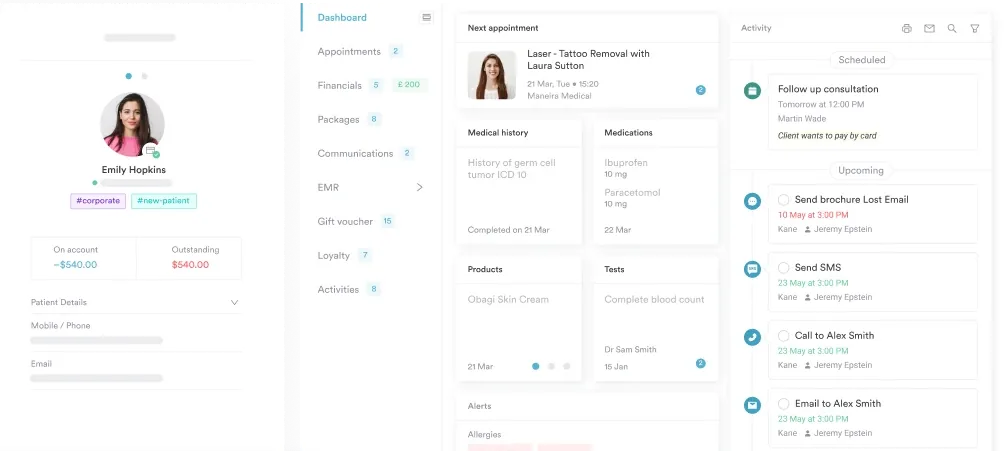
How well that continuity holds up depends on where the completed worksheet ends up. Keep it inside the client record, in practice management software like Pabau, and anyone on the case can reference the same strengths. That matters most in a group practice, where a client might see two or three clinicians in a single month.
How Pabau handles worksheet delivery and follow-up
Most practices still email a PDF and hope it comes back. When it does, the completed copy usually sits in an inbox, and the strengths inside it never make it to the clinical note.
Digital forms in Pabau close that gap. You assign the worksheet before an appointment and see when it’s done. The responses attach straight to the client record, so the strengths sit next to the treatment plan instead of in a separate folder.
Pabau Scribe, our AI scribe, then drafts the session note, and you can fold in the qualities a client named without retyping any of it. Automated workflows send the worksheet at whatever stage you choose, then chase up the ones still outstanding.
The result is fewer lost forms and less admin between sessions. Every Pabau subscription includes these features, regardless of which plan you’re on.

Keep therapy worksheets inside the client record
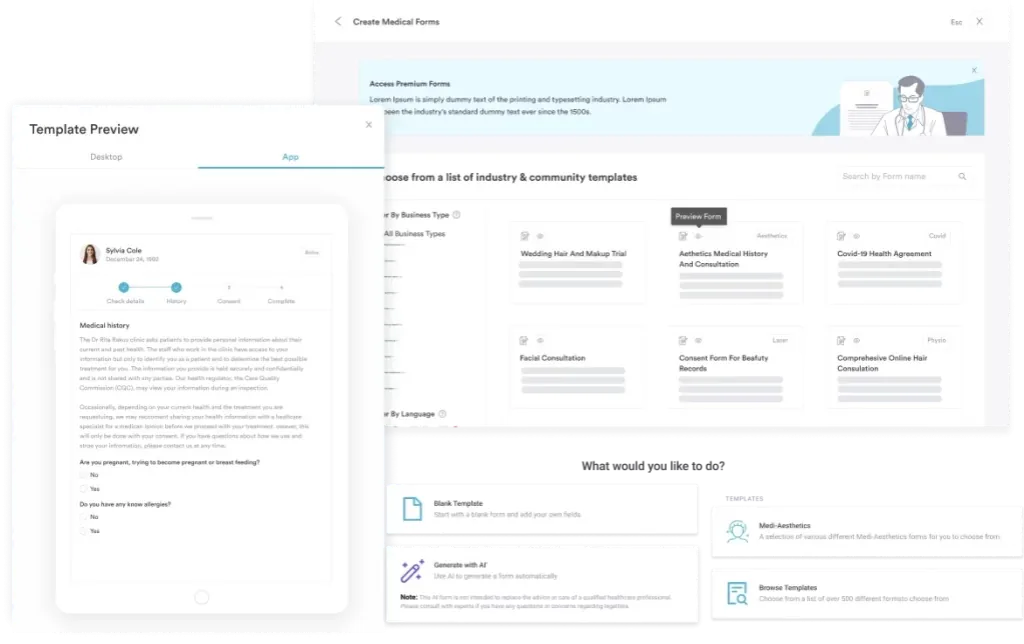
Assign the strengths worksheet before a session and see who has completed it. Responses attach to the client record, so your whole team works from the same notes.

Conclusion
The worksheet earns its place when the strengths it captures actually resurface later. If a client wrote “prepared” in session three, they should hear that word again in session nine, attached to something new they managed.
Two habits make that happen: always ask for a specific instance, and store the finished sheet somewhere your future self will actually look. The first keeps the exercise honest, and the second is what keeps it alive.
Pabau’s practice management platform holds that record in one place for the whole team, so nothing gets lost between clinicians. Book a demo to see how therapy practices assign worksheets, track completion, and write the results straight into the client note.

Continue your research
Working with a client whose self-worth is low? Self-esteem worksheet for adults gives you a longer exercise for the sessions that follow.
Need a structured intake assessment? Psychiatric evaluation template walks through documenting history, risk, and mental state.
Clients confusing feelings with reactions? Primary and secondary emotions worksheet helps them separate the first feeling from what came after.
Want AI help with the session note? Pabau Scribe, our AI scribe, summarizes what a client said and drops it into their record.
Billing allied therapy time by the unit? G0152 covers the documentation and unit rules you need to get paid.
Frequently asked questions
Is the worksheet scored?
No. There are no norms, cut-offs, or totals, so nothing here produces a number you can report as a score. It’s a reflection exercise, not an assessment. If you need measurable data too, pair it with a validated instrument and keep this sheet for the conversation that follows.
What is the difference between a strength, a skill, and a quality?
A skill is learned, and it belongs on a resume. A quality is more of a characteristic, like kindness or curiosity, and a strength is simply a quality someone uses well and often. In practice, the three overlap enough that most clients never need the distinction spelled out.
Can I adapt it for teenagers?
Yes, cut the eight entries down to four, and swap the abstract prompts for concrete ones about school, sport, or friendships. Asking what a coach or a friend would say tends to work better with teenagers than asking them directly.
How often should clients revisit it?
Roughly every eight to twelve sessions, or at each natural review point, works well as a rhythm. Bring back the original sheet instead of a blank one, since seeing their own handwriting from months earlier makes progress much harder to argue with.
Does it work in a first session?
It can, and doing so sets a collaborative tone early on. Skip it if a client arrives in crisis, though, since stabilizing them comes first. Hold it back instead for the session where you start planning treatment together.