Vitamin B6 injection: A clinical guide and consent template
Download your free vitamin B6 injection consent template The template covers pat...

41
Last Updated: Sep 4, 2026

A self-esteem worksheet for adults is a structured therapeutic tool that guides clients through CBT exercises, thought records, and self-compassion practices.
The worksheet covers negative self-talk patterns, core belief identification, and practical journaling prompts that clinicians can assign between sessions.
Self-esteem exercises in the worksheet are grounded in evidence-based approaches including CBT, self-compassion theory, and reflective practice.
Pabau’s digital forms and client portal allow therapists to deliver the worksheet directly to clients, track progress, and follow up via built-in messaging.
A comprehensive therapeutic tool featuring CBT-based thought records, negative self-talk challenges, core belief worksheets, self-compassion exercises, and guided journaling prompts for individual or group therapy sessions.
Download templateA self-esteem worksheet for adults is a structured therapeutic resource designed to help clinicians and clients work together on building confidence, challenging negative beliefs, and developing a healthier sense of self-worth. These worksheets are evidence-based tools rooted in psychological practice frameworks and widely used across therapy settings.
Self-esteem represents how someone values themselves. Low self-esteem often stems from distorted thinking patterns, early life experiences, or persistent negative feedback. A worksheet helps clients identify these patterns and practice evidence-based techniques to build confidence.
Therapists use self-esteem worksheets for adults in several ways: as homework between sessions, in structured group therapy, as part of a treatment protocol for depression and anxiety, or as a standalone resource for clients exploring identity and self-perception.
Self-esteem worksheets work for adults in therapy for depression, anxiety, social isolation, recovery from trauma, or general confidence building. They’re equally valuable for:
The self-esteem worksheet for adults includes multiple therapeutic sections, each targeting a different aspect of self-perception and confidence building.
Cognitive Behavioral Therapy is the gold standard for treating low self-esteem. The worksheet embeds CBT techniques that clients use to challenge distorted thinking and build evidence-based confidence.
The worksheet walks clients through the CBT thought-record process, a structured tool therapists use across clinical practice. The client identifies a negative thought, tests its accuracy, and generates a balanced alternative.
Example: A client thinks “I always fail at everything.” The worksheet prompts evidence gathering. The therapist helps identify times they succeeded, contradicting the absolute claim. Together, they reframe to “I’ve faced challenges, but I’ve also succeeded in areas that matter to me.”
Core beliefs are deeper than individual thoughts. They’re the fundamental rules someone applies to themselves (“I am unworthy,” “I am incompetent”). The worksheet includes a dedicated section where clients identify core beliefs and then systematically challenge them with behavioral experiments and evidence from real life.
Mental health practices typically manage tools like this inside an EMR built for mental health.
Self-compassion research by psychologist Kristin Neff shows that treating oneself with kindness during difficulty is as effective as positive thinking for building self-esteem. The worksheet includes three key self-compassion elements:
The worksheet includes guided phrases such as “I am struggling right now, and that’s okay” and “Many people feel this way, and I can offer myself the same compassion I would offer a friend.” These tools reduce self-criticism and build a gentler internal dialogue.
The worksheet features structured journaling prompts that deepen introspection. Unlike free-form journaling, guided prompts keep clients focused on confidence-building areas.
Sample prompts include: “What achievement, no matter how small, am I proud of?” “When did someone express confidence in my abilities?” “What would I tell a friend who doubted themselves the way I do?” These reflections build evidence for positive self-perception and interrupt the negative-thinking loop.
Therapists integrate the worksheet into practice in several structured ways. The most common workflow:
Self-esteem worksheets for adults work equally well in group settings. Group members complete the same worksheet sections and share insights during dedicated discussion time. This normalizes struggle, builds accountability, and allows clients to learn from others’ reframes. For group facilitators: assign a specific section beforehand, allow 10-15 minutes for completion in-session, then conduct a focused group discussion on what emerged.
Therapy homework completion is a key predictor of treatment success. Pabau’s digital forms feature lets you send the self-esteem worksheet directly to clients through the secure client portal. Clients complete it on their device, and responses auto-populate their client record. No lost PDFs, no scanning needed.
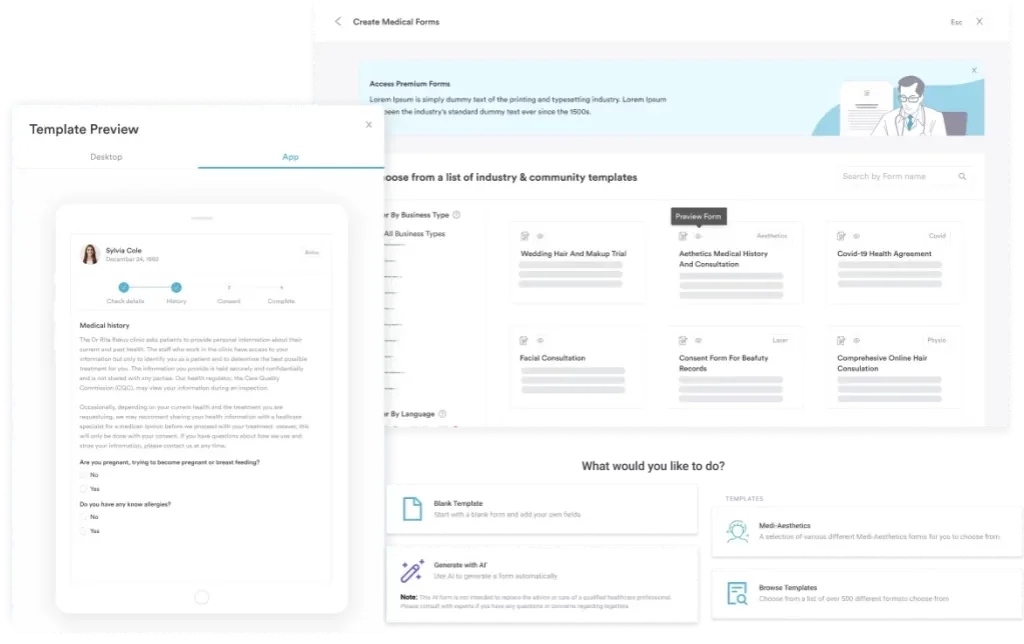
You can also use automated workflows to send the worksheet at the right moment in treatment (e.g., after the first session, or when you identify core-belief work is needed). Follow up with a templated automated reminder message on day 3 if the worksheet hasn’t been completed, reducing no-show and non-compliance.
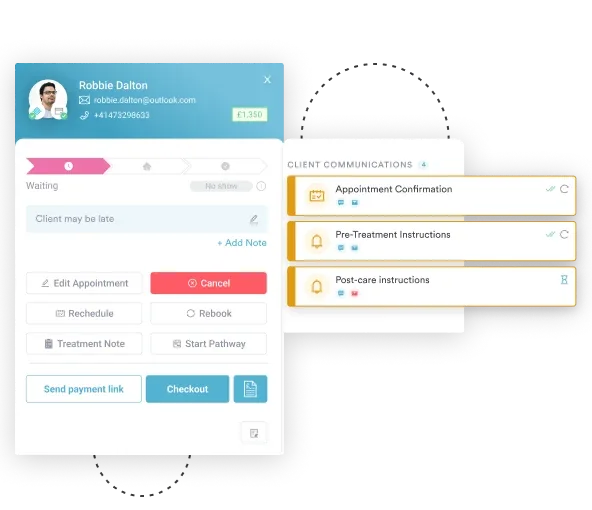
Once clients submit their responses, you review them before the next session. This gives you concrete data on their thought patterns and progress, making subsequent sessions more targeted and efficient.

Automate worksheet delivery, track client progress in real time, and reduce between-session paperwork. See how Pabau helps therapists build accountability and therapy outcomes.

The self-esteem worksheet for adults draws from multiple evidence-based frameworks. Understanding these helps you adjust your facilitation depending on each client’s presenting issue.
Download the free PDF, review the sections, and choose which one fits your client’s current treatment focus. Introduce it as a tool to practice between sessions, not as homework that feels punitive.
Start with one section (e.g., the negative self-talk inventory) rather than assigning the whole worksheet at once. This reduces overwhelm and keeps the focus clear. Return to the completed worksheet in your next session and discuss patterns that emerged.
Clients who need more structure around daily habits can pair the worksheet with a seven-area self-care plan. It names the practices they intend to keep, from physical care to work-life balance.
A self-esteem worksheet is a structured therapeutic tool that guides clients through evidence-based exercises to identify negative thinking patterns, challenge core beliefs, practice self-compassion, and build confidence. It helps by giving clients concrete techniques to use outside of therapy sessions, turning abstract concepts like “build self-esteem” into actionable homework steps.
CBT worksheets teach clients to identify the thoughts driving low self-esteem, test whether those thoughts are factually true, and practice generating more balanced alternative thoughts. The thought record, a core CBT tool, breaks the automatic thought cycle and gives clients agency to change their self-perception through evidence gathering and behavioral experiments. The American Psychological Association notes that CBT is one of the most researched and effective approaches for building self-esteem.
Self-esteem is your overall evaluation of your worth and capability. Self-compassion is how you respond to yourself during difficulty or failure. Both matter. Self-esteem alone can be fragile (if self-esteem depends on always succeeding, failure triggers a collapse). Self-compassion is more stable because it’s based on kindness regardless of performance. The worksheet includes both: CBT sections build realistic self-esteem, self-compassion sections build resilience when things go wrong.
Yes. Group members complete the same worksheet section and share their responses during discussion time. This normalizes struggle, reduces shame, and allows peers to challenge each other’s distorted thinking in a supportive setting. Groups work best when you facilitate by asking “What themes do you notice?” and “How did reframing help?” rather than lecturing.
Most clients report noticing shifts in thought patterns within 2-4 weeks of consistent worksheet use. Deeper changes in core beliefs typically take 8-12 weeks. Consistency matters more than intensity. A client who completes one worksheet section weekly will see faster progress than someone who completes the whole worksheet once and stops.
Self-esteem worksheets for adults are evidence-based, practical tools for therapy practice. They bridge the gap between in-session work and between-session change. Download the free PDF, integrate it into your treatment protocol, and watch your clients build the confidence and self-compassion they deserve. Use Pabau’s client portal to deliver worksheets digitally and track progress automatically.

Need a fuller intake framework for assessment? Psychiatric Evaluation Template walks through every component of a thorough mental health assessment, from intake to diagnosis.
Need to track and reward positive behaviors? behavior rewards chart offers sticker and star tracking columns with reward thresholds for visualizing behavior progress.
Screening a client for binge eating? binge eating screening tool maps DSM-5 diagnostic criteria to a ready-to-use screening form with scoring guidance.
Self-esteem worksheets for adults provide structured exercises that help clients identify negative thought patterns, challenge distorted core beliefs, practice self-compassion, and build confidence through evidence-based CBT and reflective techniques. Therapists use them as homework tools to extend therapy work between sessions and increase treatment accountability.
Frame the worksheet as a tool to practice skills learned in session, not as busywork. Walk through one section together during your appointment, explain how to complete it, and assign one or two sections as homework. Ask them to bring the completed worksheet back so you can process it together and adjust treatment based on what emerged.
Yes, but with careful grading. A severely depressed client may find journaling prompts overwhelming. Start with the simpler thought-record section, and pair it with behavioral activation (scheduling a small pleasant activity) to build momentum. As mood improves, expand to deeper reflection exercises. Always ensure the worksheet complements, not replaces, appropriate medical treatment.
Review completed worksheets for patterns: Are thought-record reframes becoming more balanced? Are journaling responses reflecting greater self-compassion? Are clients identifying more strengths over time? You can also track formal measures (e.g., Rosenberg Self-Esteem Scale) at baseline and 4-week intervals to quantify shifts alongside qualitative worksheet insights.