Antipsychotic medication list
An antipsychotic medication list is a structured reference that organizes psychi...

2
Last Updated: Oct 13, 2026

A thinking traps worksheet is a CBT tool that helps clients spot unhelpful thought patterns and see how those patterns shape mood and behavior.
Common traps include all-or-nothing thinking, catastrophizing, mind reading, overgeneralization, and emotional reasoning, and each one fuels anxiety and low mood.
The worksheet moves through three steps: identify the trap, challenge the thought, then reframe it, and it closes with an action plan.
Practice management software like Pabau lets you assign the worksheet as homework, collect responses, and file them in the client record.
A three-step CBT worksheet that takes a client from the triggering situation to a reframed, balanced thought. Prompts cover evidence for and against, likely outcomes, and a plan for next steps.
Download templateThinking traps are automatic negative thoughts that distort reality and fuel emotional distress. Clinicians also call them cognitive distortions, and they sit at the center of anxiety and depression.
This thinking traps worksheet gives therapists and counselors a structured way to help clients question their own distorted thinking. Below we cover what the traps are, how each worksheet step works, and how to adapt it for children, teens, and groups.
Thinking traps are exaggerated or irrational thought patterns that distort how we read events and ourselves. Psychologist Aaron Beck described them in the 1960s while developing cognitive behavioral therapy, and they remain central to mental health treatment.
Inside a trap, the mind jumps to conclusions, predicts disaster, or filters out anything positive. What is left is a distorted picture of reality that feeds anxiety, shame, and hopelessness. Because these patterns are learned, they can also be unlearned.
The effect on mood and behavior is easy to trace. A client who thinks “I made a small mistake, so I am a complete failure” withdraws, avoids challenges, and confirms their own negative self-image. This is why the American Psychological Association lists CBT as a first-line treatment for depression, anxiety, and trauma.
Recognizing which traps show up most often for a client is where cognitive work starts. The 10 distortions below grew out of Aaron Beck’s cognitive therapy, and David Burns popularized this catalog in Feeling Good (1980).
Most clients fall into two or three of these patterns repeatedly. Naming the trap is the first half of the work. Teaching the client to challenge the thought it produced is the second.
Start with self-awareness. Many clients arrive believing their anxious predictions are facts rather than thoughts, so your first job is to help them notice the pattern. Ask open questions like “What went through your mind when the anxiety spiked?” or “When you felt ashamed, what were you telling yourself?”
Once the thought is said out loud, hold it against the list above and name the pattern together. A psychiatric evaluation template gives you the baseline picture at intake. The worksheet is what the client practices with in the sessions that follow.
The form’s opening section does this work for you. The client writes down the situation, their initial thoughts, and what they are feeling. A fourth prompt asks them to name any thinking traps they can spot. Writing it out builds the habit of pausing before believing the thought.
Once the trap has a name, the worksheet moves through three short steps and closes with an action plan. The structure follows standard CBT practice, which reviews of meta-analyses support for anxiety and depression.
The planning section is what stops the exercise ending on paper. Clients move from believing a distortion to testing it, and with repetition they start catching traps unaided. Our reframing negative thoughts worksheet gives extra practice on that third step.
The worksheet does far more when it is part of your workflow instead of a handout you print on the way to a session.
In session: Work through one example together, using a trigger from the client’s past week. Modeling each step builds confidence before they try it alone, and it shows you how they interpret the prompts.
As homework: Assign one or two entries per week, since consistency matters more than volume. You can send it through digital intake forms so clients answer on a phone and the responses reach their record. The same setup carries your standard intake questionnaire, so new clients arrive with the paperwork already done.
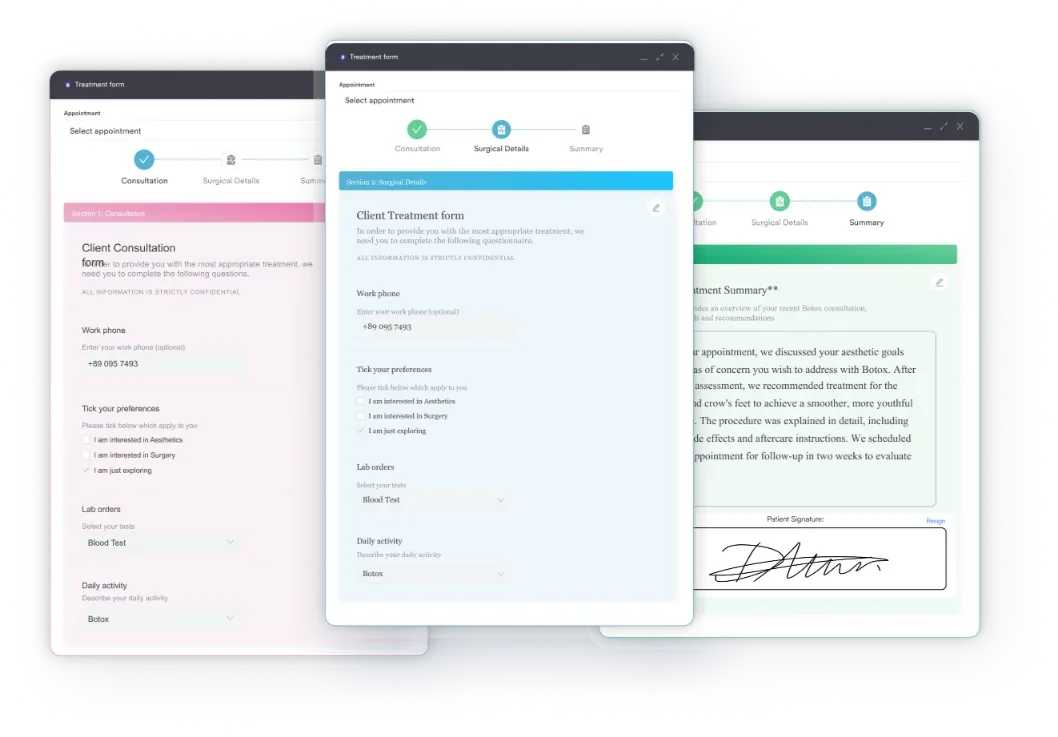
In groups: Have one member share a thought, let the others name the trap, then build a balanced alternative together. Peers often hear their own patterns in someone else’s words. A secure client portal gives every member the same form to work from.
Tracking progress: Open the last completed entries at the start of each session. Look for the trap that keeps returning, and for reframes that are getting sharper. If a client’s thinking tips into crisis, those written entries help you judge the risk.
The cognitive structure holds for younger clients once you change the language and the examples. For ages eight to 11, keep sentences short and use concrete situations: friendship fallouts, school tests, family routines. Swap “emotional reasoning” for “feelings pretending to be facts,” and let them draw the thought when writing stalls.
Teenagers can use the adult version, but ground the examples in social media, friendships, and identity. They respond to the reframe step when you frame it as agency, because the thought is something they can change. Structured social emotional learning activities pair well with the worksheet in school settings.
Keep the tone lighter than you would with adults, and reward the effort rather than a tidy answer. Engagement matters more than clinical formality at this age.
Cognitive distortions are learned shortcuts rather than character flaws. After trauma, rejection, or repeated failure, the mind builds fast rules to predict danger. Naming that out loud changes the work, because the client’s brain is trying to protect them with an outdated strategy.
CBT is the evidence-based first choice for depression, anxiety, PTSD, and OCD. Distorted thinking sits at the center of all four, which is why a form this simple carries clinical weight.
Progress only shows up if someone records it. Good therapy practice management keeps every entry, note, and outcome measure on one client timeline. Patient care management tools then show whether the reframes are holding between sessions.
Most practices print the worksheet, hand it over, and hope it comes back. Completed sheets end up in a paper file, so nothing written on them is searchable when you need it six weeks later.
With Pabau, you assign the form from the client’s record and it lands in their portal. They fill it in on a phone between sessions, and their answers file themselves against the record.
That leaves you a dated trail of every entry. You can see which trap keeps returning and whether the reframes are getting stronger, without hunting through paper at the start of a session.
A purpose-built mental health EMR keeps notes, forms, and the client’s own words in one place. AI clinical documentation can then pull the worksheet’s headlines into your session note while you talk.
Cutting that admin protects you as well as the client. Paperwork after hours is one of the drivers behind therapist burnout, and automated form delivery takes a slice of it off your evening.

Pabau’s digital forms and client portal let you send the thinking traps worksheet, collect completed entries, and file them in the client record automatically. You see progress session by session without chasing paper.

The worksheet earns its place because it is repeatable. A client who works the same three steps a dozen times stops needing you to prompt them, which is the outcome you are after.
Keep the reframe honest. A balanced thought the client does not believe is worse than the distortion, because it teaches them the exercise is a formality. Push for the version they can defend with evidence.
Start with one entry worked through together, then assign the next two as homework. Book a demo to see how Pabau sends worksheets, collects the answers, and keeps them in the client record.

Screening a client for cyclical mood symptoms? The PMDD test gives you a structured way to track symptoms across a full cycle.
Working with younger clients in session? therapy worksheets for kids turn abstract concepts like anxiety and coping skills into concrete, interactive exercises for children.
Screening for trauma history at intake? trauma questionnaire template evaluates trauma history, PTSD symptoms, and adverse childhood experiences during intake.
Tracking weekly progress for an OCD client? weekly goals tracker for OCD tracks SMART goals, obsessions and compulsions, and ERP homework progress each week.
Worried about missing early signs of psychosis? 5 stages of psychosis guide walks through the early signs that are easy to miss or mistake for depression or anxiety.
The terms are used interchangeably in clinical practice. Both refer to the same thing: irrational or exaggerated thought patterns that distort reality and fuel emotional distress. Some clinicians prefer thinking traps because it suggests a pattern you can fall into and climb out of, while cognitive distortions sounds more clinical. Both terms trace back to Aaron Beck’s cognitive therapy framework.
You can use it alone for mild stress or personal insight, and many people do. For moderate to severe anxiety or depression, working with a qualified professional produces better outcomes. A therapist spots patterns you would miss, challenges your interpretations gently, and changes tack when you get stuck. Pair the worksheet with professional support if a diagnosed condition is involved.
One or two entries per week works for most clients. Consistency matters more than volume, and sporadic entries never build the habit of noticing a thought as it forms. Some clinicians ask for an entry whenever a strong emotion arrives, while others set a specific prompt for homework. Adjust the frequency to the client’s capacity and treatment goals.
Yes, with age-appropriate language and examples. Children as young as eight can grasp that thoughts affect feelings and behavior. Use simpler terms such as feelings pretending to be facts instead of emotional reasoning, concrete examples like playground conflicts or grades, and drawings or symbols. A trained child psychologist or school counselor can judge readiness and adapt the format.
The worksheet at the top of this page is free to download as a PDF. It carries prompts for the situation, the automatic thought, and the trap behind it. Later sections cover the evidence for and against, a reframe, and a plan for next steps. Print it or share it digitally, and edit the wording to suit your client population.