










Key takeaways
A coping wheel is a circular visual tool that organizes stress-management strategies into categories, helping clients quickly identify techniques during emotional distress.
Typical sections cover mindfulness, physical activity, social support, creative outlets, and grounding, each holding a few concrete examples.
Mental health practitioners use coping wheels in CBT, DBT, and trauma-informed therapy to build client resilience and support treatment planning.
Keep two wheels for higher-risk clients: one for everyday stress and one for acute crisis.
Practice management software like Pabau lets you embed coping wheel assessments in client intake, and Pabau Scribe, our AI scribe, documents session outcomes automatically.
Download your free coping wheel template
A ready-to-use therapeutic tool that sorts coping strategies into visual categories. The file holds blank wheels for clients to complete, plus pre-filled examples you can show in session.
Download templateClients know stress when they feel it. What they struggle with is naming, in the moment, the one thing that reliably helps. A coping wheel fixes that by giving them a single visual page they can scan when they are too overwhelmed to think.
This guide covers what the wheel is, how to introduce it, and how to adapt it by age and presentation. You also get the clinical integration detail for CBT, DBT, and trauma-informed care, plus a free template you can print or send digitally.
What is a coping wheel?
A coping wheel is a circular diagram split into six to eight sections, each labeled with a category of coping strategy. Clients fill each section with techniques that work for them. The finished wheel becomes a personal reference for moments of anxiety, stress, or dysregulation.
Unlike a generic list of coping strategies, the wheel format does three clinical jobs:
- It makes coping skills memorable through visual organization.
- It removes decision fatigue by sorting strategies into a handful of categories.
- It shifts ownership to the client, who picks what belongs in the wheel.
The wheel grew out of clinical psychology and CBT frameworks, where structured tools are used to build client resilience. It is now standard across therapy specialties. School counselors, occupational therapists, social workers, psychiatrists, and coaches all use some version of it.
It works because no single coping strategy fits every client or every situation. The wheel format invites personalization and lets the client choose by context.
The wheel pairs well with digital intake forms, so you can capture baseline coping skills at assessment and track how they change. The worksheet format is easy to file in the client record and pull up at follow-up.
How to introduce the wheel in session
Introducing a coping wheel works best as a structured process folded into your normal session flow. Here are the five steps most therapists follow.
- Introduce it in session two or three. After the initial assessment, explain that the wheel helps the client organize their own stress-management strategies. Show a blank wheel and a filled-in example. Make clear that there are no right answers.
- Talk through the categories. Walk the client through the usual sections: mindfulness, physical activity, social support, creative outlets, grounding, distraction, problem-solving, and self-care. Ask which ones feel relevant to them. An anxious client might prioritize grounding and breathing, while someone with social anxiety may start with distraction and self-talk.
- Build it together. Rather than assigning strategies, ask open questions. „When you’re stressed, what has helped before?“ „What makes you feel calmer?“ Write their own words into each section. Co-creation is therapeutic on its own, because it validates skills the client already has. If they cannot name what they are feeling, a negative emotions list gives them the vocabulary first.
- Rehearse it in the room. Give the client a hypothetical stressor and ask them to pick a strategy off their wheel. The rehearsal shows you they understand the tool, and it builds their confidence in choosing without you.
- Send it home, then review it. Give them a printed copy or a digital one for their phone. Next session, ask what they tried and what worked. Pair it with an emotional check-in worksheet if they tend to miss the early signs of stress. Update the wheel from what they tell you.
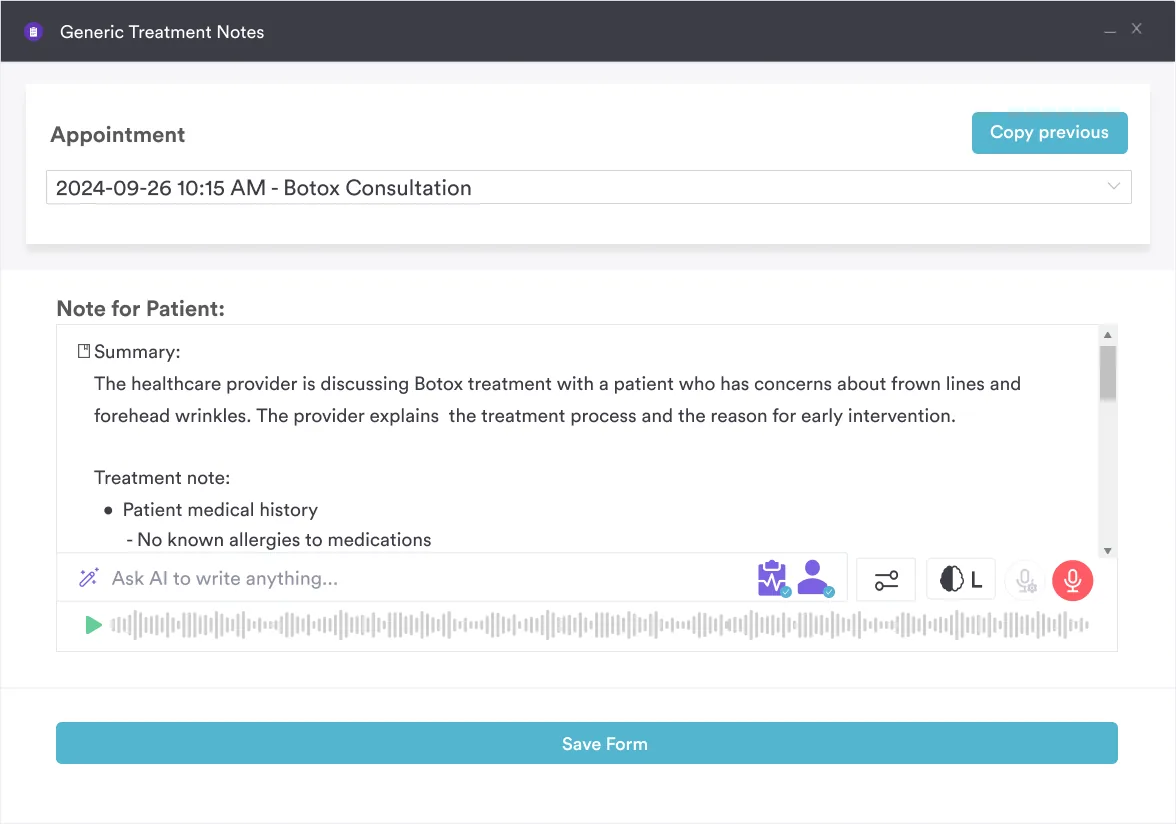
Pabau Scribe, our AI scribe, can capture which strategies came up, which the client chose, and which they later reported using. That saves you the write-up and leaves a searchable record of how their coping skills develop.
Therapists who work from a psychiatric evaluation template often fold the wheel into the formal baseline assessment. That gives you a documented picture of resilience and coping capacity at intake.
Who it helps most
The wheel travels well across settings and specialties:
- Therapists and counselors in private practice use it in CBT, DBT, and acceptance and commitment therapy to teach emotion regulation and distress tolerance.
- School counselors and social workers use it with students aged seven and up, to normalize stress management during developmental transitions.
- Occupational therapists adapt it for executive function, sensory regulation, and daily living skills in neurodevelopmental and trauma populations.
- Psychiatrists and psychiatric nurse practitioners use it alongside medication management, so clients build non-pharmacological strategies too.
- Coaches and wellness practitioners customize it for stress management, career transitions, and life design work with adults.
- Residential and inpatient teams use it at admission to gauge baseline coping capacity and set treatment intensity.
Practices running therapy practice management software can store and version each client’s wheel, so it travels with them across the team. Psychology practice platforms that support electronic worksheets cut the retyping at intake and follow-up.
Why the format works
Clients follow through more often. A client who co-created their wheel is more likely to practice between sessions than one handed a generic sheet. Choosing what goes in builds ownership. The same principle sits behind all effective patient education.
It cuts decision fatigue in crisis. Working memory drops when someone is acutely anxious or dysregulated. The wheel removes the job of generating strategies on the spot. The client scans it and picks something that feels manageable.
It gives you something to document. Recording which strategies the client chose, and which they later used, builds a longitudinal picture of skill development. That supports treatment planning, evidences progress to payers, and shows which interventions are working for this particular client.
It strengthens the alliance. Building the wheel together signals that you respect what the client already does to cope. Clients report feeling more engaged when they help design their own tools.
It protects your own bandwidth. A structured, repeatable tool means less improvising mid-session, so you can spend your attention on formulation. Over a full caseload, that difference shows up in therapist burnout risk.
Fitting it into CBT, DBT, and trauma-informed care
The basic introduction is the same everywhere. What changes is how the wheel connects to the framework you already work in.
CBT. The wheel becomes part of the behavioral activation plan. Once you have identified an unhelpful thought pattern, pick wheel strategies that target it directly. For the thought „I’m a burden,“ the instruction might be to use the social support section and message someone. This ties cognition, emotion, and behavior together explicitly.
DBT. Dialectical behavior therapy leans on distress tolerance. Organize the wheel by intensity, with mild strategies for early warning signs and stronger ones for crisis. That maps cleanly onto DBT’s tiered skill set, and you can label sections with the acronyms clients already know, such as TIPP and ACCEPTS.
Trauma-informed care. Survivors do better with a wheel built around safety and choice. Offer a menu rather than prescribing, and let the client keep only what feels controllable. Include somatic, grounding, and self-soothing options. Leave out anything that hands control to someone else.
For clients at higher risk, keep two wheels rather than one. Build a maintenance wheel for mild to moderate stress, and a separate survival wheel for acute crisis interventions. Fewer options in the crisis wheel means less to process when the nervous system is already in fight-or-flight.
Review the wheel at set milestones: session six, session 12, and discharge planning. Ask which strategies got used, which never left the pocket, and which sections now feel outdated. That treatment adherence review keeps the tool current and shows the client you are tracking what works.
How Pabau keeps every client’s coping wheel in one place
Most practices still keep coping wheels on paper. The completed sheet goes into a folder, or a photo of it gets dropped into a client note. When that client sees a second practitioner, nobody can find it, and the wheel gets rebuilt from scratch.
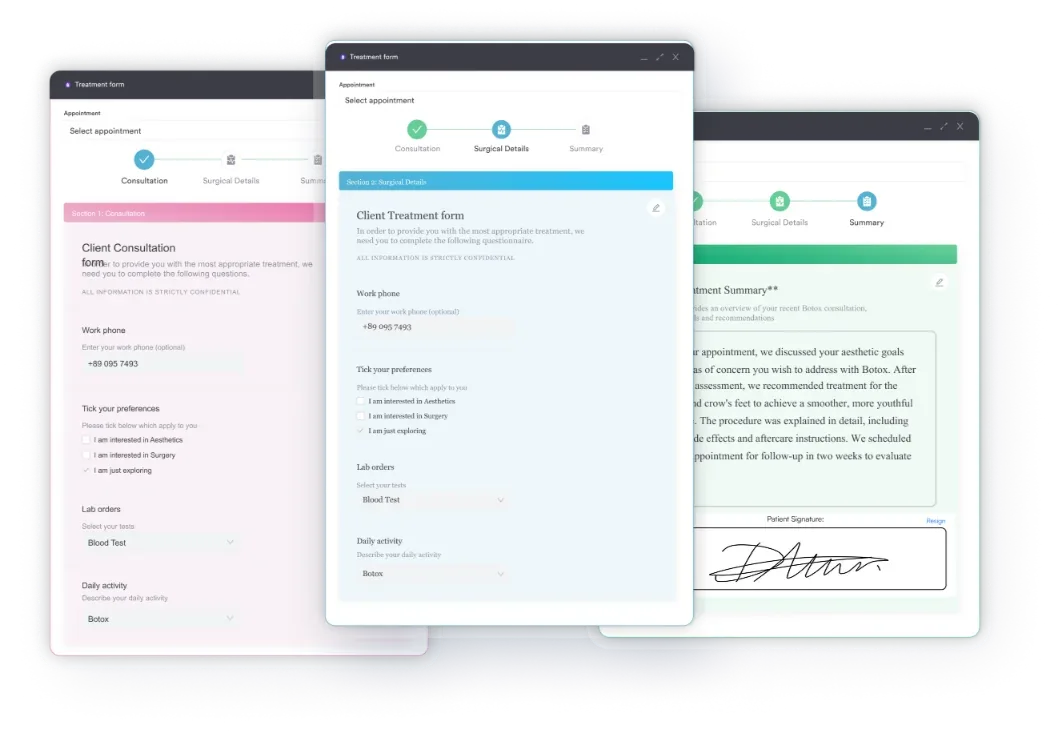
Practice management software like Pabau handles it differently. You build the wheel as a digital form, and the client completes it on their phone or in the waiting room. The finished wheel saves straight into their record and keeps its version history.
Pabau Scribe writes the session note while you talk. Ask a client which strategy they leaned on this week, and the answer lands in the record without a write-up afterward. Every subscription includes both the forms and the scribe.
The result is one place to find the wheel, one record of what the client actually tried, and no rebuild when they switch practitioners.

Integrate coping wheels into your therapy workflow
Capture, document, and track client coping strategies directly inside your practice management system.

Conclusion
The wheel earns its place at the moment a client is too dysregulated to think clearly. Everything you do in session builds toward that moment. The co-creation, the rehearsal, and the reviews all exist to make it easier.
So build it with the client rather than for them, and revisit it often enough that it still matches their life. A wheel nobody has touched since session three is a museum piece.
Keeping track of that across a full caseload is where the paperwork bites. Book a demo to see how Pabau stores, versions, and surfaces every client’s coping wheel at the right moment.

Continue your research
Want to record what you observe, not just what the client reports? Behavioral observation checklist gives you a structured way to log in-session behavior alongside the wheel.
Looking for a strengths-based exercise to run alongside it? My strengths and qualities worksheet helps clients name what they already do well before they choose coping strategies.
Not sure whether clients use what you teach them? Patient compliance guide covers how to measure follow-through on between-session work.
Feeling the drain of teaching the same skills over and over? Therapist burnout prevention covers building clinical workflows that hold up over a full caseload.
Frequently asked questions
What is a coping wheel?
A coping wheel is a circular diagram split into six to eight sections, each holding one category of coping strategy. Categories usually cover mindfulness, physical activity, social support, creative outlets, grounding, self-care, problem-solving, and distraction. Clients fill each section with techniques that work for them, creating a visual reference for stressful moments.
How do I introduce the wheel in a therapy session?
Bring it in around session two or three. Show a blank wheel and a filled-in example, then discuss which categories feel relevant. Build the wheel together by asking what has helped the client before. Rehearse picking a strategy in the room, then send it home as homework. Review what they actually used at the next session and update it.
Which categories should the sections cover?
Common sections are mindfulness and breathing, physical activity, social support, creative outlets, grounding and sensory work, distraction, problem-solving, self-care, and humor. Vary them by the client’s presentation, age, and the framework you work in. A CBT wheel, a DBT wheel, and a trauma-informed wheel will not look the same.
Is a coping wheel effective for anxiety?
Yes. It helps most with anxiety because it removes the work of generating strategies while the client is already anxious. Wheels for anxious clients usually lean on grounding, breathing, and distraction. Visual coping tools are a long-standing part of cognitive-behavioral and exposure-based anxiety disorder treatment.
Can I use one with children?
Yes. For children aged five to 12, simplify the wording, use four to six sections, and add pictures or symbols. Teenagers can handle the full six to eight sections. School counselors often use wheels to normalize stress management across a year group. Keep strategies age-appropriate, so a six-year-old’s problem-solving section might simply read „ask an adult for help“.
What’s the difference between a coping wheel and a coping toolbox?
A coping wheel sorts strategies into visual categories the client can scan. A coping toolbox is a written list with no visual structure. Both aim at the same thing, but the wheel handles acute distress better, because scanning takes less effort than reading a list.
How often should I update a client’s wheel?
Review it at every milestone: session six, session 12, and before discharge. Ask which strategies got used, which never left the pocket, and what now feels outdated. Wheels tend to shift over treatment, from survival strategies early on toward maintenance and resilience later.
Can I deliver the worksheet digitally?
Yes. A digital wheel can go out as a PDF, a web form, or a form inside your practice management system. Clients can then pull it up on their phone mid-crisis, and updates take seconds instead of a reprint. Storing it in a secure client portal also lets you track how it changes over an episode of care.