









Key takeaways
ICD-10 code S61.059A describes an open bite of the unspecified thumb without damage to the nail, classified as an initial encounter
S61.059A is a billable ICD-10-CM code valid for fiscal year 2026 (October 1, 2025 through September 30, 2026)
The 7th character A denotes an initial encounter, while S61.059D covers subsequent encounters and S61.059S covers sequela. Picking the wrong character triggers claim rejections
S61 carries Excludes1 notes for S68.- amputations and S62.- open fractures, so neither is ever coded alongside S61.059A
Practice management software like Pabau flags incomplete wound documentation before the claim reaches the payer
ICD-10 code S61.059A covers the initial encounter for an open bite of the unspecified thumb without damage to the nail. Below you’ll find the billable status, the 7th character rules, the code hierarchy, and the documentation your notes need.
S61.059A is a billable ICD-10-CM diagnosis code. According to the CDC/NCHS ICD-10-CM web tool, it is valid for fiscal year 2026, effective October 1, 2025 through September 30, 2026.
Official description: Open bite of unspecified thumb without damage to nail
Each element of the code description carries a specific clinical and coding meaning. Misreading any one of them produces a different code entirely.
- Open bite: A wound caused by teeth, whether animal or human. The bite breaks the skin, which makes it an open wound. That separates it from a closed bite contusion and from a puncture wound with no biting mechanism.
- Unspecified thumb: The affected thumb’s laterality is not documented or genuinely unknown at the time of the encounter. If laterality is known, use S61.051A for the right thumb or S61.052A for the left.
- Without damage to nail: The nail plate, nail bed, and nail matrix are intact. If the bite caused nail damage, a different subcategory applies.
- Initial encounter: The 7th character A indicates the patient is receiving active treatment for this injury. It applies to the first visit and to any later visit where active treatment continues.
Documentation that captures all four elements supports ICD-10 code S61.059A cleanly. Missing any one of them forces the coder to pick a less specific code or to flag the record for a physician query. Accurate clinical records are the most reliable defense against that kind of ambiguity.
Understanding the 7th character: Initial, subsequent, and sequela encounters
Per the CMS ICD-10-CM official guidelines, Section I.C.19.a governs 7th character assignment for injury codes. The same rule runs through every S61 wound code, including S61.238A, so the character you pick decides whether the claim clears.
A common coder error is switching from A to D too early. A patient still on antibiotics for a bite wound infection remains in the initial encounter phase, even at their third visit. The switch to D happens once active treatment has concluded and the patient returns only for routine healing checks.
Pro Tip
Document the treatment status in every note, not just the wound description. A note reading ‘wound healing well, no further treatment planned’ signals the move to a subsequent encounter. One reading ‘continuing oral antibiotics for wound infection’ keeps the encounter at 7th character A.
Code hierarchy and parent code
ICD-10 code S61.059A sits within a layered hierarchy. Understanding the parent chain helps coders navigate related codes and confirm that S61.059A is the most specific code available for the documented injury.
S61.059 without the 7th character is not billable, and a claim carrying it will be rejected. Always assign the complete seven-character code. For physical therapy practices handling post-bite rehabilitation, the hierarchy matters when injury diagnoses are cross-coded with therapy procedures.
Related and sibling codes
The S61.05x family covers open bite of the thumb without nail damage across every encounter type and laterality. Open bites elsewhere on the body follow the same pattern, as S31.627A shows. When the record names the bitten thumb, use the laterality-specific code rather than the unspecified version.
Use the AAPC ICD-10-CM code range lookup to verify sibling codes when documentation is ambiguous. Sequela claims usually arrive after a hand therapy referral, so occupational therapy practices meet S61.059S far more often than the initial encounter code.
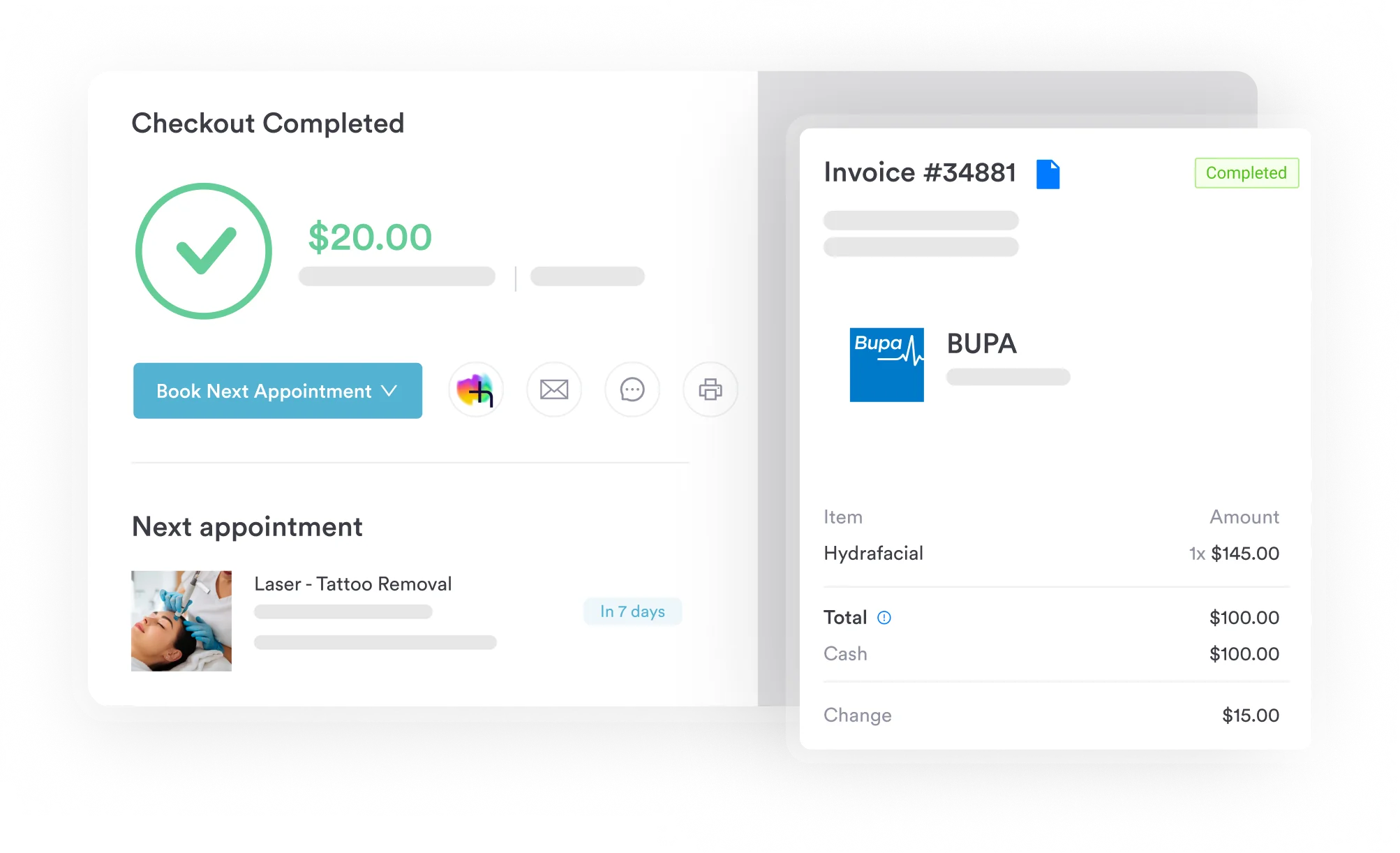
Practice management software like Pabau flags incomplete documentation before a claim goes out. Its claims management tools keep laterality queries visible, so fewer rejections come back weeks later.
Open bite vs. other open wound types: Coding distinctions
One of the most common coding errors in the S61 category is picking the wrong wound-type subcategory. The structure under S61.0 splits thumb wounds into six code blocks by mechanism. Choosing the wrong block is a specificity failure, and it can trigger a medical necessity challenge.
The note must name the mechanism. « Bite wound to thumb » supports the S61.05x range, while « cut to thumb » with no biting mechanism points to S61.01x or S61.02x. A bite that bruises without breaking the skin is a contusion from the S60 range, such as S60.159D.
When the record says only « wound, » the coder has to query the provider rather than assume. Capturing mechanism at intake stops the misclassification before it reaches billing, and structured clinical forms make that a habit instead of a memory test.
Documentation requirements for S61.059A
Four documentation elements must be present to support ICD-10 code S61.059A. Missing any one of them forces a less specific code or a physician query. Digital intake forms that capture wound mechanism at triage keep those details on the record from first contact.
- Wound mechanism documented as a bite: The note must state that a bite caused the wound, animal or human. « Dog bite to left thumb » or « human bite wound » are enough. « Traumatic wound » alone is not.
- Affected digit identified as the thumb: The word « thumb » must appear. « Hand wound » is not specific enough for S61.059A, and it would take a different S61 subcategory.
- Laterality addressed: If left or right is known, the physician note should say so. A record reading « right thumb » takes S61.051A, not S61.059A. The unspecified code fits only when laterality was not determinable at the encounter.
- Nail status noted: The note should confirm the nail is intact, for example « nail plate intact » or « no nail involvement. » If nail damage is present, the S61.1x subcategory applies instead.
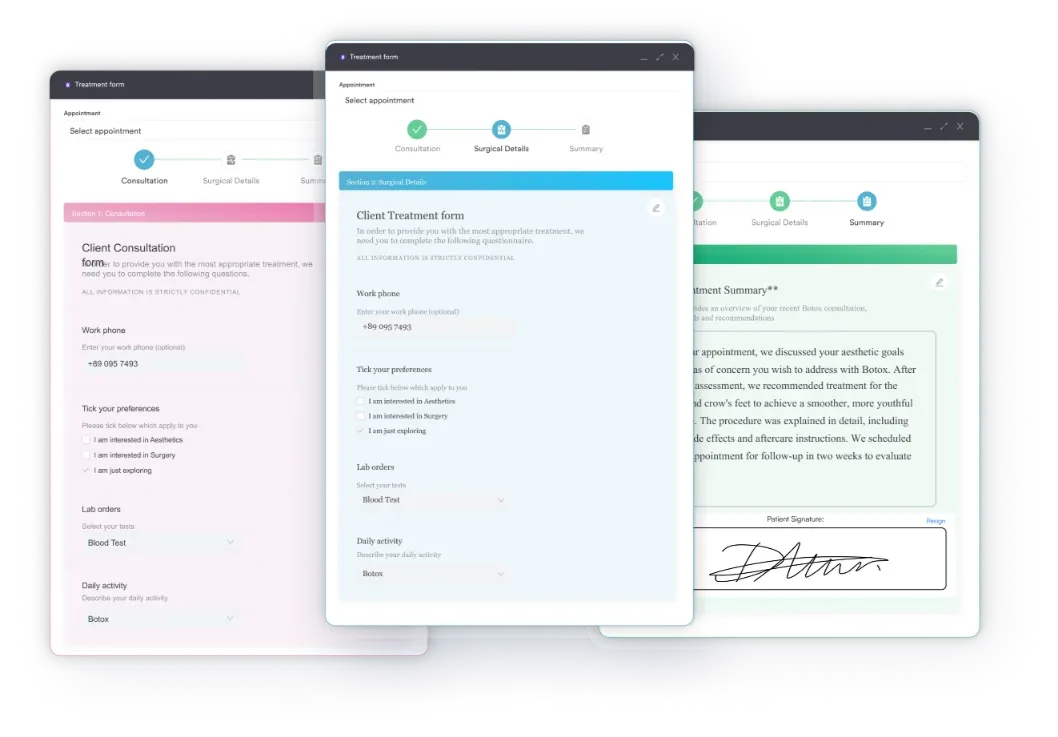
Your wound notes live in the same record as everything else, so your general documentation standards apply here too. Structured note templates that prompt for mechanism, digit, laterality, and nail status make all four elements automatic.
Pro Tip
Flag ‘unspecified’ laterality in your billing workflow. S61.059A is acceptable when laterality is genuinely unknown. Some payers still ask for extra documentation confirming the physician did not simply forget to record it. A short note reading ‘laterality could not be determined’ protects the claim.
Excludes notes and coding restrictions
ICD-10 code S61.059A sits inside the broader S61 excludes framework. The official ICD-10-CM tabular list attaches Excludes1 notes at the S61 category level. Those notes decide which codes can never appear on the same claim as S61.059A, so check them before the claim is finalized.
- Excludes1, nail damage: Open wound of thumb with damage to nail (S61.1x) cannot be coded with S61.059A. If the nail is damaged, assign the appropriate S61.1x code instead. The two are mutually exclusive, because a thumb bite either damages the nail or it does not.
- Excludes1, traumatic amputation: Traumatic amputation of wrist and hand (S68.-) is an official Excludes1 note at the S61 category level. S68 and S61 codes are mutually exclusive. If the bite caused a partial or total amputation, code from S68 instead of S61.059A, never both.
- Excludes1, open fracture: Open fracture of wrist, hand and finger (S62.- with 7th character B) is also an Excludes1 note at S61. It cannot be coded alongside S61.059A.
- Present on admission: Inpatient hospital claims require a present on admission indicator, known as POA. For an open bite wound presenting at an emergency department, the POA indicator is typically « Y. »
Checking excludes notes by hand does not scale. An Excludes1 violation comes back as a rejection, and the corrected claim costs administrative time and delays payment. Software with built-in ICD-10 edit checks catches the conflict before the claim leaves the practice.
How Pabau keeps bite wound claims clean
Most practices find their coding problems after the payer does. The claim goes out with S61.059A and the rejection lands two weeks later. Someone then reopens the chart to work out whether the note ever named the thumb.
Pabau keeps the note, the code, and the invoice in the same client record. Build one wound template that asks for mechanism, digit, laterality, and nail status, and the coder reads a complete note instead of chasing the physician. Nothing has to be exported between systems to make that work.
The result is fewer corrected claims and faster payment on injury encounters. Your front desk stops fielding payer callbacks about a thumb nobody wrote down.

Send cleaner injury claims the first time
Pabau keeps clinical notes, coding, and billing in one record, so a missing detail shows up before you submit rather than after a rejection. See how it fits your billing workflow.

Conclusion
S61.059A is only as precise as the note behind it. Mechanism, digit, nail status, and encounter type are the four things a coder cannot infer. None of them takes more than a few words to record.
« Unspecified » is a legitimate answer when laterality genuinely could not be determined. Used as cover for a thin note, it invites payer scrutiny that one documented word would have avoided. That is the trade-off worth remembering every time this code comes up.
Fix the intake note and the coding mostly takes care of itself. Book a demo to see how Pabau keeps wound documentation and claim submission in one system.

Continue your research
Sorting out which NPI goes on the claim? Type 1 vs Type 2 NPI explains which identifier belongs where, and who in your practice needs each one.
Coding a follow-up visit rather than the first one? S01.111D shows how the subsequent-encounter character works on another open wound code.
Need a note template that prompts for the right detail? Medical notes template gives you a structure your team can fill in the same way at every encounter.
Want the diagnosis captured cleanly at intake? Medical diagnosis form sets out the fields a coder needs before the record reaches billing.
Frequently asked questions
What does ICD-10 code S61.059A mean?
ICD-10 code S61.059A is a billable diagnosis code for an open bite of the unspecified thumb without damage to the nail. « Open bite » means a wound caused by teeth, and « without damage to nail » confirms the nail plate is intact. The 7th character A means active treatment is being provided at this visit.
Is S61.059A a billable ICD-10 code?
Yes. S61.059A is a billable, specific ICD-10-CM code valid for fiscal year 2026 (October 1, 2025 through September 30, 2026). The parent code S61.059 without the 7th character is not billable and will be rejected by payers.
What is the difference between S61.059A, S61.059D, and S61.059S?
The three codes differ only in the 7th character, which reflects the encounter type. S61.059A is used when active treatment is being provided. S61.059D applies to routine follow-up visits after active treatment has concluded. S61.059S covers the treatment of late effects or complications arising from the original bite wound, such as residual scarring or limited thumb mobility.
When should I use S61.059A versus S61.051A or S61.052A?
Use S61.059A only when the affected thumb’s laterality is genuinely unknown or not documented. If the clinical record specifies the right thumb, use S61.051A. If it specifies the left thumb, use S61.052A. The unspecified code is not a fallback for incomplete documentation. It should reflect a genuine situation where laterality could not be determined.
Can S61.059A be coded with an amputation or open fracture code?
No. Traumatic amputation of wrist and hand (S68.-) is an Excludes1 note at the S61 category level. If the bite caused an amputation, code from S68 instead of S61.059A. Open fracture of wrist, hand and finger (S62.- with 7th character B) is also Excludes1 and cannot be coded with S61.059A.
Is S61.059A valid for fiscal year 2026?
Yes. ICD-10 code S61.059A is valid for fiscal year 2026, effective October 1, 2025 through September 30, 2026, per the CDC/NCHS ICD-10-CM FY2026 release.