

ICD-10 Code S42.444P: Medial epicondyle fracture, right humerus
ICD-10 Code S42.444P: full descriptor and code validity ICD-10 Code S42.444P car...

Last Updated: Oct 13, 2026
Billable Code Specific Code
S01.111D is the billable ICD-10-CM code for laceration without foreign body of right eyelid and periocular area, subsequent encounter.
The 7th character D is what makes it a subsequent-encounter code. The CDC/NCHS ICD-10-CM web tool lists S01.111D as billable and specific, effective October 1, 2025. It sits in Chapter 19 of ICD-10-CM, which covers injury, poisoning, and other consequences of external causes.
This page covers the 7th character rules, the code's place in the ICD-10-CM hierarchy, and its sibling codes. It also sets out the documentation payers expect and the CPT codes S01.111D pairs with.
Let Pabau's smart automation suggest the right codes, reduce claim denials, and keep your practice compliant—effortlessly.
Automate repetitive tasks and focus on what matters most—your patients.
Reduce coding errors and ensure compliance with the latest regulations.
Clean claims, fewer denials, and faster reimbursements.
Powerful insights and reporting to help your practice thrive.
HIPAA compliant SOC 2 certified GDPR-compliant Trusted by 4,000+ clinics worldwide

ICD-10 Code S01.111D describes a laceration without foreign body of the right eyelid and periocular area at a subsequent encounter.
The code is billable for fiscal year 2026, covering encounters from October 1, 2025 through September 30, 2026.
The 7th character D separates it from S01.111A for initial encounters and S01.111S for sequela.
Choosing the wrong 7th character is a leading cause of denials on eyelid wound claims.
Practice management software like Pabau attaches the full code to the encounter record, so claims leave with the right character.
Coders often land on this code after searching the parent code S01.11, or “eyelid laceration icd 10” in a lookup tool. The table below carries every field a compliant submission needs. A coding guide covering CPT, ICD-10-CM, and HCPCS ranges speeds up that same lookup.
Each component of the S01.111D description carries a distinct clinical and coding implication. Getting one element wrong produces a different code entirely.
S01.111D usually appears when a patient returns for follow-up after a right eyelid repair. That visit might land in an emergency department, an urgent care center, an ophthalmology office, or a plastic surgery practice. The structured medical forms used at the initial visit should record laterality and the absence of foreign body. That makes subsequent-encounter coding straightforward. Revenue cycle management treats coding, submission and collection as one process rather than three handoffs.
The 7th character is where most coding errors for S01.111D happen. ICD-10-CM Official Guidelines Section I.C.19.a sets out three options for injury codes. Each one marks a different phase of the patient’s care episode.
One point that trips up experienced coders: subsequent encounter does not mean the patient saw a different provider. The same physician who repaired the laceration can bill S01.111D on the follow-up visit. The nature of the care decides the character, not the identity of the provider.
Per the CMS ICD-10-CM coding guidelines, subsequent encounter applies to any visit after active treatment has been delivered. The facility can be the same one or a different one.
A frequent misapplication involves a patient with a partially healing wound who presents to a different urgent care for a dressing change. That encounter is still subsequent (D), not initial (A). The initial active treatment was already delivered elsewhere. The same rule governs other subsequent-encounter injury codes, such as such as S20.109D.
Knowing where S01.111D sits in the ICD-10-CM tree confirms you have the most specific applicable code. Other Chapter 19 injury codes such as S31.33XA follow the same parent-child structure.
S01.111D belongs to a tightly structured family of codes. Coders who have worked with S01.332D will recognize the same 7th character and laterality logic across the S00-S09 block. The table below covers the encounter-type siblings, the laterality variants, and the foreign-body distinctions.
S01.119D for the unspecified eyelid should be a last resort. Payers including Medicare flag unspecified laterality codes during claim edits. When the record documents the side, the laterality-specific code is required.
The ICD-10-CM Alphabetic Index maps several clinical terms to S01.111D. These synonyms help you confirm a code choice when the clinical note uses different wording than the tabular list.
In a lookup tool such as the AAPC Codify ICD-10-CM lookup, “eyelid laceration right subsequent” routes to the S01.111 family. The synonym list reflects the language used in ophthalmology and emergency department notes, where a clinician may write “periorbital” rather than “periocular.”
Accurate S01.111D submission depends on four documentation elements. Missing any one of them opens the claim to a query or a denial.
Maintaining HIPAA-compliant documentation workflows for follow-up visits matters as much as the initial repair note. The subsequent-encounter record must support the code on its own, without leaning on the initial visit documentation.
Flag follow-up visit templates in your EHR so providers document laterality and wound status on every subsequent encounter note. A single template field reading ‘Right / Left / Bilateral eyelid wound: [healing/open/sutured]’ catches the omissions that trigger audits on S01.111D claims.
Choosing between S01.111D and its siblings follows a short decision path. Most errors come from two situations: using the initial encounter code on a follow-up visit, or applying the sequela code too early.
Ask whether the patient has already received definitive care for this laceration. If yes, the visit is subsequent (D). If the laceration is being treated for the first time, use initial (A).
There is no time limit on subsequent encounters. A patient can return six weeks after repair and the visit is still D, as long as the care relates to the healing injury.
Right eyelid is required for S01.111D. The left eyelid uses S01.112D. If the record does not state the side, S01.119D applies. Never choose between right and left on assumption. Query the provider when laterality is absent from the record.
If the record documents retained foreign material, move to the S01.12x family. If a foreign body was removed at the initial visit, and the follow-up involves only wound care, S01.111D still applies. The current wound status is “without foreign body.”
If the patient now presents with a complication caused by the healed laceration, that is no longer a healing wound. Scar tissue causing ectropion, lagophthalmos, or contracture belongs to S01.111S, paired with the appropriate complication code. Applying D to a sequela visit survives initial claim processing but surfaces in retrospective audits.
Your medical billing workflow should include audit checks for premature or prolonged use of the D character. The ICD List reference tool also gives a sibling-code view that helps confirm which code fits the encounter.
S01.111D is a diagnosis code only. A claim needs a CPT procedure code alongside it. On a subsequent encounter, the procedure code depends on what the clinician actually did. That might be suture removal, a wound check, or ongoing wound management.
The table below shows the codes most often paired with eyelid laceration claims, including the repair codes billed on the initial visit.
CPT codes 12011-12018 cover simple repair of the face, ears, and eyelids, and they are billed on the initial encounter visit. Layered, intermediate repairs in the same area use 12051-12057 instead. Eyelid surgery billed outside a wound repair, such as CPT 15822, sits in a separate code family.
On a subsequent encounter coded with S01.111D, the CPT is usually an office visit, 99211-99215 for an established patient. CPT 99024 applies when the visit falls inside a global surgical period. Repair code selection follows the AMA’s CPT code set guidelines, so verify current wound length thresholds.
Code pairing for complex cases also turns on wound depth, layer count, and whether the lid margin or canalicular structures are involved. The table reflects general practice and does not replace CPT instruction.
A reference page settles the lookup. The harder part is getting the full code into the right field on the right encounter, without a manual transcription error along the way. That is the work practice management software like Pabau takes on.
Pabau’s claims management software lets coding teams attach ICD-10-CM diagnosis codes to an encounter record and link them to the matching CPT codes. The claim is then reviewed for completeness before it leaves the practice.
For S01.111D, where the 7th character carries the most risk, the system shows the full code at the point of documentation rather than the root. That is one fewer place for a denial to start.
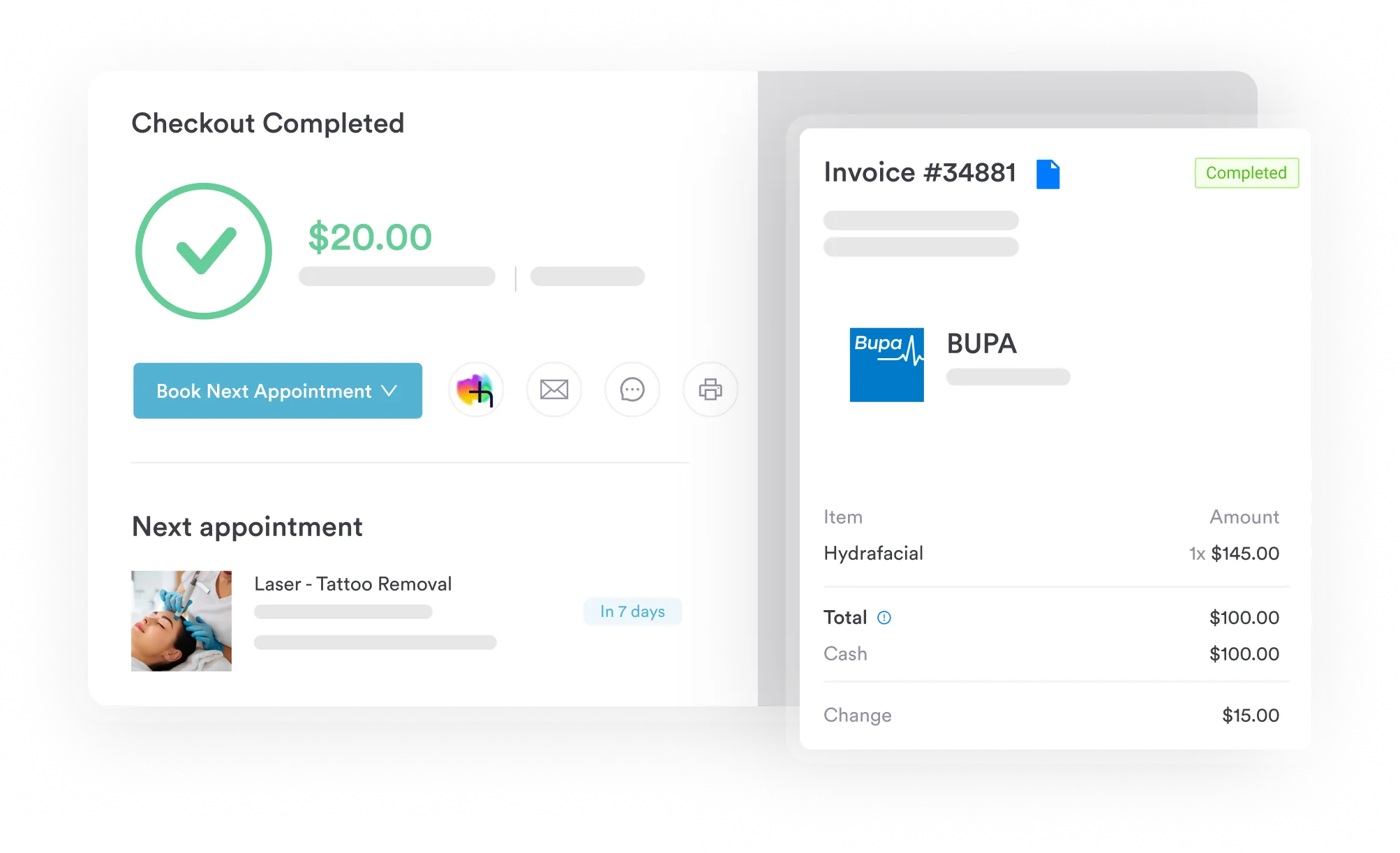
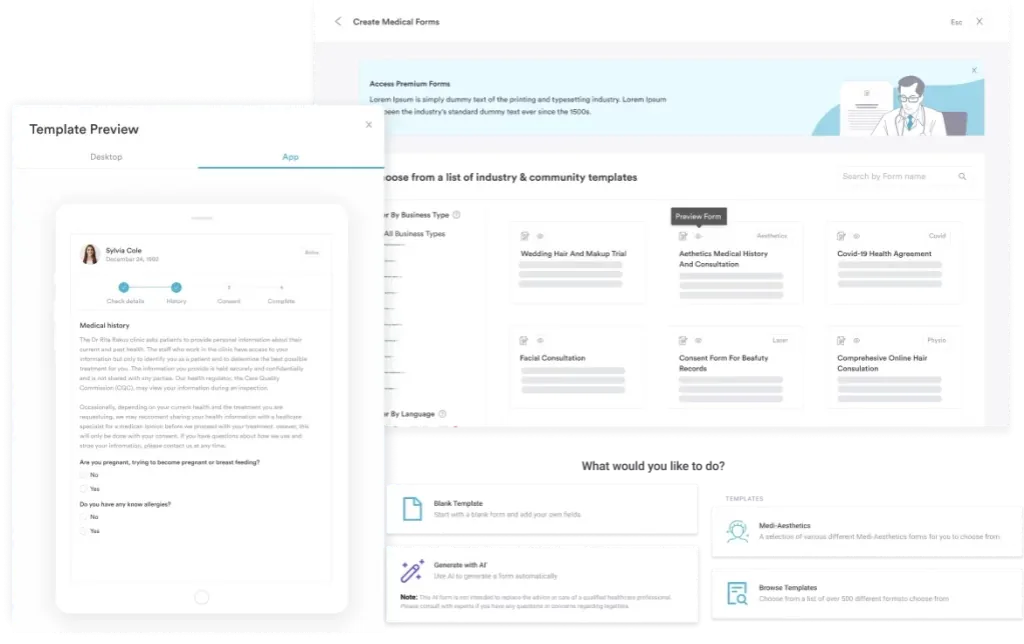
The digital forms layer adds a second safeguard. A structured follow-up note template can prompt the provider to record laterality and encounter type, so the coder does not have to query anything. Dermatology practices and plastic surgery groups that repair facial wounds feel that on every follow-up visit.
Patient record management ties initial and subsequent encounters into one timeline, so the follow-up note sits beside the repair note it belongs to. Clean documentation and a clean claim stop being two separate jobs.

Pabau connects clinical documentation, ICD-10 code selection, and claim submission in one workflow. Structured follow-up note templates and integrated claims management mean your team codes subsequent encounters accurately, every time.

The 7th character is the only part of this code that changes with the visit, and it is the part payers audit. Treat it as a documentation question rather than a coding one, and most S01.111D denials stop happening.
The trade-off worth remembering sits on the sequela line. Holding on to D too long survives the first pass. It does not survive a retrospective audit. When the wound has healed and the complication is what you are treating, S01.111S is the honest code.
Coder vigilance alone will not hold this together across a busy follow-up schedule. Practice management software that puts code selection next to the note is what makes the check routine. Book a demo to see how Pabau keeps subsequent-encounter coding clean, from documentation through to claim submission.

Coding another subsequent-encounter injury? S99.101D applies the same 7th character logic to a follow-up visit for a foot injury.
Need the initial encounter counterpart? S59.229A shows what the A character looks like on an active treatment visit.
Coding a facial injury follow-up instead? S02.600D covers a mandible fracture seen at a routine healing visit.
Setting up claims under the right provider identifier? NPI types on claims explains which number belongs on the claim form and why.
Coding a bunionectomy claim? Bunionectomy billing guide explains why the three adjacent hallux valgus codes get confused and how insurers apply documentation rules.
ICD-10 Code S01.111D is a billable ICD-10-CM diagnosis code for a laceration without foreign body of the right eyelid and periocular area, subsequent encounter. It codes follow-up visits after the initial repair of a right eyelid laceration, including wound checks, suture removal, and healing-phase assessments. The code is valid for fiscal year 2026.
Yes. S01.111D is a specific, billable ICD-10-CM code valid for HIPAA-covered transactions in fiscal year 2026. It is not a header or non-billable parent code. Claims carrying S01.111D are accepted for reimbursement processing by Medicare and other covered payers, provided a compatible CPT procedure code sits alongside it.
The difference is the 7th character, which represents the encounter phase. S01.111A applies when the patient is receiving active, definitive treatment for the laceration for the first time. S01.111D applies to healing-phase visits: suture removal, wound checks, and dressing changes after the initial repair. S01.111S applies when the patient is treated for a late complication of the original laceration, such as scar contracture or eyelid retraction.
Use subsequent encounter (D) while the patient is still being seen for the healing wound itself, where care involves monitoring or routine wound management. Switch to sequela (S) once the original wound has healed. The patient is then presenting with a new condition caused by that injury, such as lid margin scarring. There is no time cutoff. The clinical nature of the visit decides the character, not the number of weeks that have passed.
On a subsequent encounter coded with S01.111D, the CPT is usually an office or outpatient visit code. For an established patient that means 99211-99215, depending on medical decision-making complexity. If the follow-up falls inside a global surgical period from the initial repair, CPT 99024 may apply instead. The repair codes 12011-12018 are billed on the initial encounter visit, not on subsequent visits.
S01.111D is valid for fiscal year 2026, which covers encounters from October 1, 2025 through September 30, 2026. That follows the standard ICD-10-CM annual update cycle managed by CMS and NCHS. For encounters before October 1, 2025, confirm validity under the FY 2025 code set. Always verify current-year validity through the official CDC/NCHS tool or the CMS ICD-10 codes page before submitting.




