









Key takeaways
HCPCS Code J2560 covers an injection of phenobarbital sodium, up to 120 mg per billing unit.
One unit covers any dose up to 120 mg, so a 200 mg dose is billed as 2 units.
Every claim needs the 11-digit NDC, a documented route, and a diagnosis that supports medical necessity.
J2560 is a single-dose container drug, so each Part B claim also carries a JW or JZ modifier.
Practice management software like Pabau captures dose and route at the point of care, which cuts re-entry errors.
HCPCS Code J2560 is the Level II J-code for an injection of phenobarbital sodium, up to 120 mg. One unit covers any dose up to that ceiling, so a 200 mg dose is billed as 2 units. The claim also needs the 11-digit NDC for the exact product administered.
Most J2560 denials come from two places. Either the unit count doesn’t reconcile to the documented dose, or the NDC is missing or wrong. Getting both right is what separates a clean claim from a resubmission.
HCPCS Code J2560: Definition and clinical descriptor
J2560 is the Level II HCPCS J-code for a single injection of phenobarbital sodium, up to 120 mg. The J prefix marks drugs given by a route other than oral. J2560 sits in the J-code range for anticonvulsant and sedative-hypnotic injectables.
When phenobarbital sodium is medically necessary
Phenobarbital sodium is a Schedule IV barbiturate used as an anticonvulsant for seizures and as a sedative-hypnotic for procedural sedation. Payers expect a documented indication that matches one of those uses. A phenobarbital claim with no supporting seizure or sedation diagnosis invites payer review.
Outpatient administration is usually intravenous (IV) or intramuscular (IM). Both routes fall under J2560 as long as the dose stays within the 120 mg ceiling. Practices that run these encounters regularly use IV therapy software to tie the administration record to the billing encounter.
- Seizure disorders: acute seizure management, status epilepticus prophylaxis, adjunct anticonvulsant therapy
- Sedation: procedural sedation where a barbiturate is clinically indicated
- Alcohol withdrawal: off-label use in some outpatient withdrawal protocols
- Neonatal seizures: given in hospital outpatient settings by neonatology or neurology teams
Phenobarbital is a Schedule IV controlled substance, so DEA record-keeping sits on top of the usual billing requirements.
Verify the prescriber’s DEA registration and state licensure before the drug is administered and billed. Neurology, psychiatry practices, and outpatient addiction medicine handle most of these encounters.
J2560 Medicare reimbursement and fee schedule
Medicare pays J2560 under the Part B drug payment methodology. For most outpatient physician-administered drugs, CMS uses Average Sales Price (ASP) plus 6% to set the allowed amount. The rate moves every quarter when CMS updates the ASP file.
Check the current figure in the CMS Physician Fee Schedule lookup tool, which shows Medicare allowed amounts by locality. Commercial payers set their own rates, so pull each contract’s fee schedule separately.
Phenobarbital sodium is a low-cost generic, so the ASP-based rate is modest. The administration CPT code billed alongside J2560 carries most of the encounter’s Medicare revenue. Codes in the 96360-96379 range cover IV infusion and injection.
Always pair J2560 with the right administration code, or you leave money on the table. Underbilled drug-administration pairs are a recurring leak in the revenue cycle for infusion and injection encounters.
J2560 billing guidelines
Billing J2560 correctly comes down to units, place of service, waste modifiers, and the buy-and-bill trail. Get those four right and most denials disappear.
Units of service
One unit of J2560 equals up to 120 mg of phenobarbital sodium administered. A 180 mg dose is reported as 2 units, which covers up to 240 mg. Never round down to fit a single unit, because underclaiming misrepresents what was given.
Place of service codes
J2560 is billed almost entirely in outpatient settings. Three Place of Service (POS) codes cover nearly every claim:
- POS 11 — office
- POS 22 — on-campus outpatient hospital
- POS 19 — off-campus outpatient hospital
Inpatient drug administration is bundled into the DRG payment, so it is not separately billable through a J-code.
JW and JZ modifiers
CMS lists phenobarbital sodium among the drugs supplied in single-dose containers. That puts J2560 under the discarded-drug modifier rule for Part B claims. Every claim needs either JW, which reports the amount discarded, or JZ, which attests that nothing was discarded.
A 130 mg single-dose vial used for a 65 mg dose leaves 65 mg of billable waste on a separate JW line. Omitting both modifiers is a straightforward denial, and it is one of the easier rejections to prevent.
Buy-and-bill workflow
Under buy-and-bill, the practice purchases phenobarbital sodium, administers it, and bills the payer for both the drug and the administration. The claim has to reflect the product that was purchased and given, with the NDC matching the lot. Substituting NDCs between similar products is a compliance risk.
Pro Tip
Run a monthly J-code audit comparing units billed on J2560 claims against administered doses documented in clinical notes. A single-unit claim where 240 mg was given, or a 120 mg claim where only 60 mg was administered, creates audit exposure. Your billing and clinical teams should reconcile dose records together, not in isolation.
Documentation requirements for HCPCS Code J2560
A J2560 claim without complete documentation either denies on submission or fails an audit later. Phenobarbital’s Schedule IV status pushes the requirements past those for an ordinary injectable. Controlled-substance record-keeping sits alongside your HIPAA compliance obligations.
The checklist below follows CMS Medicare Claims Processing Manual Chapter 17 for Part B drug billing. Build it into the medical forms your team completes at the point of care, so verification happens before submission.
- Physician order: signed order from a licensed prescriber with DEA registration, specifying the drug, dose, route, and frequency
- Medical necessity diagnosis: ICD-10-CM code that supports phenobarbital sodium for the documented indication
- NDC number on claim: the 11-digit National Drug Code for the exact product administered, in the format the claim form requires
- Dosage administered: exact milligrams given, documented in the clinical note and matching the units billed
- Route of administration: IV or IM route documented in the clinical note
- Date of service: date the drug was administered, matching the claim date
- Lot number and expiration date: required for controlled substances and for DEA record-keeping
- Waste modifier: JW with the discarded amount, or JZ to attest that none was discarded
- Administered-by documentation: name and credentials of the clinician who gave the injection
The administration code travels with the drug code, so the note has to support both. 96365 covers the initial hour of IV infusion, and its start and stop times belong in the record. Manual transcription between a paper administration log and a separate billing entry is where most discrepancies start.
NDC crosswalk for J2560
Every Part B drug claim carries the National Drug Code (NDC) for the product administered. For J2560 that means the NDC of the phenobarbital sodium your practice purchased. NDCs are product-specific.
They identify the manufacturer, the formulation, and the package configuration. A generic NDC or a blank field is an automatic denial.
NDCs change when manufacturers update packaging or discontinue a product. Verify current values against the NLM HCPCS crosswalk API, which maintains NDC-to-HCPCS mappings. Claims need the 11-digit 5-4-2 format, not the 10-digit number printed on the packaging.
In an electronic claim, the NDC rides in the drug identification segment of the 837 file, never in a free-text note. Confirm the padding rule with your clearinghouse before a batch goes out.
Because phenobarbital sodium is generic and multi-source, the J2560 crosswalk spans several labelers. Always use the NDC from the lot you administered, never a representative NDC from another manufacturer. Mismatched NDCs draw OIG scrutiny on buy-and-bill claims.
J2560 related and similar codes
Picking the wrong code from the phenobarbital pair is the most audited error in this part of the code set. The table below maps J2560 to its closest neighbors. The AAPC HCPCS lookup confirms current descriptors and any year-specific updates.
J2560 vs. J2561: Key differences
J2560 and J2561 both name phenobarbital sodium, but they cover different products and different unit math. Billing J2561 for a generic administration is upcoding, and the NDC mismatch usually catches it.
Common J2560 billing errors and how to avoid them
Most J2560 denials fall into a small set of preventable categories. The list below tracks common OIG audit findings for Part B drug billing and standard payer denial codes.
- Incorrect unit count: 1 unit billed for a 240 mg dose, or 2 units billed for 90 mg. Match units to the dose in the clinical note.
- Missing or wrong NDC: the most common automatic denial. Submit the 11-digit NDC for the product administered, since a 10-digit value without its leading zero resolves to the wrong product.
- No JW or JZ modifier: single-dose container drugs need one or the other on every Part B claim. Leaving both off is an easy, avoidable rejection.
- Wrong place of service: POS 21 for an outpatient administration, or POS 11 for a hospital outpatient encounter. Inpatient drug costs sit in the DRG payment and are not separately billable.
- Using J2561 for generic phenobarbital: J2561 belongs to Sezaby alone. Billing it for a generic is upcoding and fails on the NDC check.
- Using J3490 when J2560 applies: unclassified-drug codes are for drugs with no specific J-code. Payers deny J3490 when a valid specific code exists.
- No administration CPT code: the drug code alone does not capture the encounter. Bill 96365 for IV infusion or 96372 for IM injection alongside J2560.
- Thin medical necessity documentation: without an ICD-10-CM code that supports phenobarbital sodium, the claim will not pass medical necessity review.
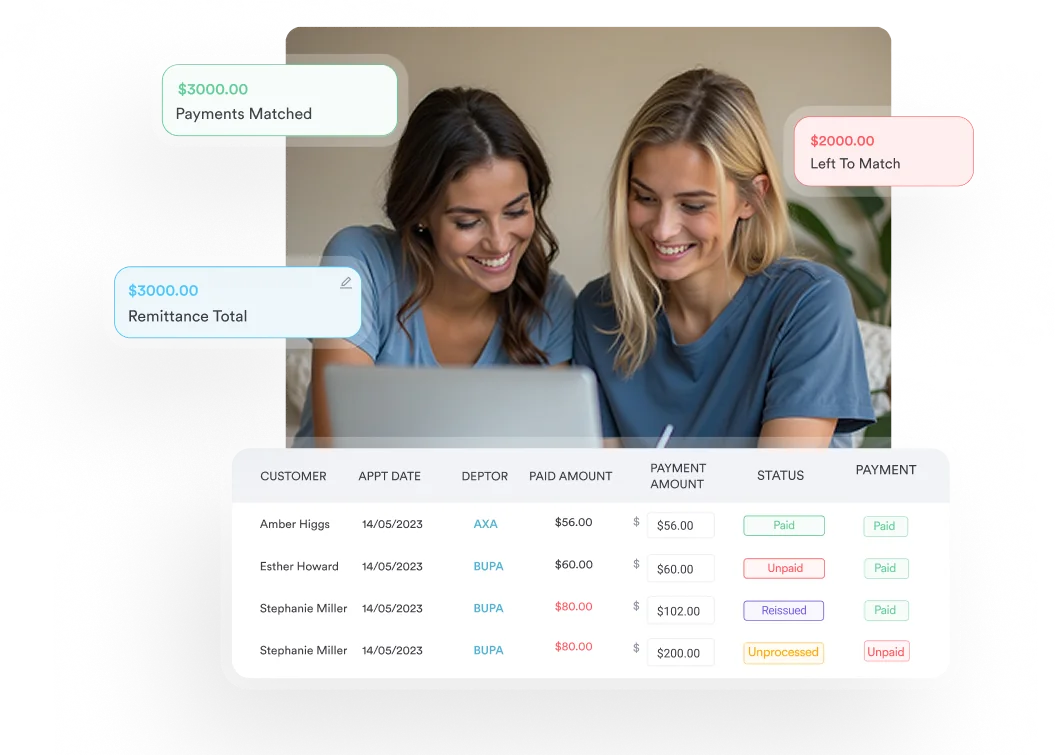
Reworking a denied claim costs more than preventing it. Front-end scrubbing does more for your collection rate than denial management alone, though most billing teams need both.
Pro Tip
Set up one scrubbing rule in your billing software. Flag any J2560 claim where units billed times 120 mg does not bracket the documented dose. That single rule catches the most common unit error before submission.
Code history and 2026 status
J2560 was added to the HCPCS code set on January 1, 1982, with a coding-status action effective January 1, 1997. Confirm the date and the current descriptor against the annual CMS release on CMS’s HCPCS code set page. The code is active and billable for 2026, with no descriptor change from 2025.
The arrival of J2561 is the most significant recent change to the phenobarbital J-codes. It was created when Sezaby was approved as a distinct branded formulation for neonatal seizures. Generic and branded phenobarbital now need separate codes, which is why the pair confuses coders.
Prescription management that records the product, dose, and route at the point of prescribing makes the branded-versus-generic call before the claim is built.
How Pabau keeps J2560 claims and drug records in step
In most practices the administration record and the claim live in different places. A nurse writes the dose in a paper log or a clinical note. Someone in billing types the units, NDC, and diagnosis into a separate system later.
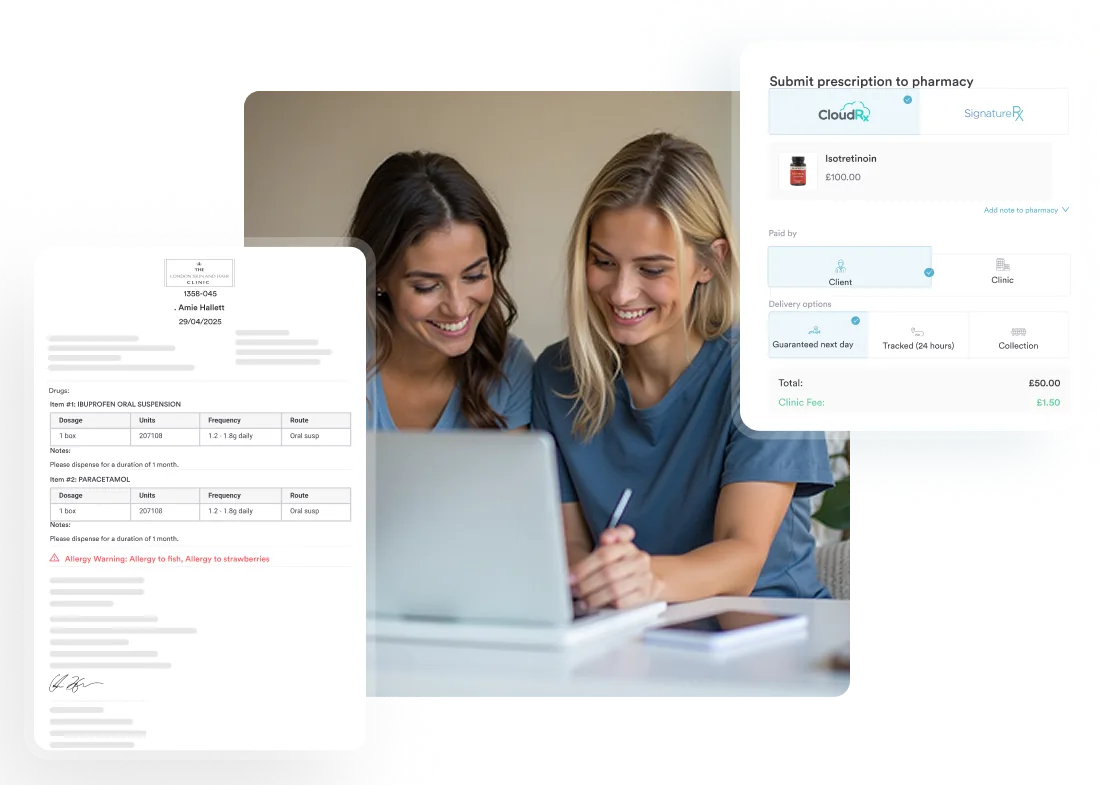
Practice management software like Pabau closes that loop. The treatment note holds the drug, dose, route, and the clinician who gave it, and the same record feeds the invoice and the claim. Claims management then works from what the clinician documented, not from a re-typed summary.
The result is fewer of the mismatches that hold up a J2560 claim. Units track the documented dose, the NDC comes from the product on file, and the diagnosis is already attached. Your billers spend their time on the exceptions instead of on re-entry.

Stop juggling drug administration records and billing separately
Pabau connects clinical encounter documentation to billing workflows so your J-code claims go out with the right units, NDC, and diagnosis codes already attached.

Conclusion
J2560 is a stable, low-value code with three places to get it wrong. The unit ceiling, the waste modifier, and the J2561 boundary account for nearly every denial worth chasing.
The trade-off is worth naming. Each of these checks takes seconds at the point of care and hours once a payer has already said no. Build them into the administration workflow and the claim mostly takes care of itself.
Book a demo to see how Pabau ties drug administration records to J-code claims for outpatient practices.

Continue your research
Need the filing window for a late claim? Timely filing limits lists the deadline by payer so a correctable claim doesn’t expire.
Building a compliance routine around Part B drug billing? Medical billing compliance covers the audit trail payers and the OIG expect.
Reading payer payments line by line? Electronic remittance advice explains how to match each remittance line to the claim it paid.
Adding a new prescriber to your payer panels? Our guide to insurance credentialing walks through the paperwork and the timelines.
Working with other HCPCS drug and service codes? G0269 shows how the same documentation rules apply to a different code family.
Frequently asked questions
What is HCPCS Code J2560 used for?
J2560 is the HCPCS Level II J-code for an injection of phenobarbital sodium, up to 120 mg per billing unit. Billing staff use it to claim outpatient physician-administered phenobarbital sodium from Medicare and other payers. The usual indications are seizure management and procedural sedation.
How many mg does J2560 cover per unit?
One unit of J2560 covers up to 120 mg of phenobarbital sodium. If the administered dose exceeds 120 mg, report additional units to cover the full dose. For example, a 200 mg dose requires 2 units of J2560 (covering up to 240 mg).
What is the difference between J2560 and J2561?
J2560 applies to generic phenobarbital sodium from any manufacturer, billed in units of up to 120 mg. J2561 applies exclusively to Sezaby, the branded phenobarbital sodium product, billed in 1 mg units. Using J2561 when a generic product was administered is a coding error and constitutes upcoding.
What documentation is required to bill J2560?
You need a signed physician order and an ICD-10-CM diagnosis code that establishes medical necessity. The claim also needs the 11-digit NDC of the product administered, the route, the exact dose, and the date of service. Lot number is required because phenobarbital is a Schedule IV controlled substance. Missing any of these usually means a denial or a failed audit.
Is J2560 covered by Medicare Part B?
Yes. Medicare Part B covers physician-administered drugs including phenobarbital sodium when medically necessary and administered in an outpatient setting. Reimbursement is based on the ASP plus 6% methodology, with the exact rate varying by locality and updated quarterly. Inpatient administration is typically bundled into DRG payment and not separately billable under Part B.
What NDC numbers crosswalk to J2560?
J2560 crosswalks to the NDCs of all generic phenobarbital sodium injectable products from any manufacturer. Because NDC numbers are product- and lot-specific, always use the NDC from the purchased product label rather than a generic reference NDC. Verify current NDC-to-HCPCS crosswalk data through the CMS or NLM HCPCS reference tools, as NDC numbers change when manufacturers update packaging.
Can J2560 be billed for both IV and IM administration?
Yes. J2560 covers phenobarbital sodium administered by any non-oral injectable route, including both intravenous (IV) and intramuscular (IM) methods. The route of administration must be documented in the clinical note. The accompanying drug administration CPT code will differ: use 96365 (or the applicable infusion code) for IV administration and 96372 for IM injection.