









Key takeaways
HCPCS Code E0326 describes a jug-type urinal for female patients, in any material, within the E-series durable medical equipment codes.
Medicare Part B covers E0326 as durable medical equipment when a written physician order and medical necessity notes are on file.
E0325 is the male equivalent of the same item, and billing the wrong sex code triggers a denial under Medicare claim edits.
HCPCS has no non-jug-type urinal code, and E0328 describes a pediatric hospital bed rather than any kind of urinal.
Practice management software like Pabau keeps the order, the clinical note, and the delivery receipt on one patient record.
HCPCS Code E0326: Definition and code status
HCPCS Code E0326 is an active, billable HCPCS Level II code for a jug-type urinal designed for female patients. The descriptor covers the item in any material.
The code sits in the E-series of HCPCS Level II, which covers durable medical equipment (DME). DME means items that serve a medical purpose, withstand repeated use, and are appropriate for use at home.
Coders, billers, and DME suppliers reach for E0326 when a female patient needs a portable urinal. The usual reasons are mobility limits, post-surgical recovery, or incontinence. The Centers for Medicare and Medicaid Services (CMS) maintains HCPCS Level II and updates the code set every year.
What product does E0326 describe?
E0326 describes a jug-type urinal built for female anatomy. Male urinals usually have a wider opening for use standing or sitting. The female version has a contoured rim and a sealed reservoir. The patient can use it lying down, reclined, or seated without moving to a toilet.
The words any material in the descriptor mean the code applies whether the urinal is plastic, stainless steel, or polypropylene. Coders do not need to state the material when they submit E0326.
Common clinical populations for this equipment include:
- Patients recovering from hip replacement, abdominal surgery, or a pelvic procedure
- Patients with urinary incontinence or an overactive bladder
- Patients whose mobility makes walking to a bathroom unsafe
Orders often start with an occupational therapy assessment of how the patient manages at home. Continence-related orders also arrive through pelvic health practices, where the urinal is one part of a wider plan.
Patient management software used in DME supplier workflows can flag which records hold an open order for E0326. That makes it harder to miss a delivery or submit a claim before the paperwork is complete.
E0326 vs E0325: Male vs female urinal codes
The most common error with E0326 is using it for a male patient, or choosing E0325 for a female patient. Both codes describe the same construction, jug-type in any material, and differ only by sex. The sex recorded in the patient record has to match the code billed. A mismatch is a denial trigger under Medicare claim edits.
Related codes for urinals and bed pans
HCPCS carries exactly two urinal codes, one for each sex. Neighboring codes cover bed pans and commode accessories, and reaching into the wrong group is a frequent source of rejections.
HCPCS has no separate code for a non-jug-type urinal, so both urinal codes describe jug-type items. Coders looking for one often land on E0328, which describes a pediatric hospital bed with 360-degree side enclosures. E0329 is its semi-electric sibling, and neither has anything to do with a urinal.
If the item delivered is a bed pan rather than a urinal, bill E0275 or E0276. Match the code to the exact product named on the supplier’s proof of delivery record.
Is E0326 covered by Medicare?
Yes. Medicare Part B covers E0326 as durable medical equipment under the DMEPOS program, which stands for Durable Medical Equipment, Prosthetics, Orthotics, and Supplies. Coverage follows the medical necessity criteria in the Local Coverage Determinations (LCDs) issued for the four DME MAC jurisdictions.
Two contractors administer those jurisdictions. Noridian covers Jurisdictions A and D, while CGS Medicare covers Jurisdictions B and C for the rest of the country. Read the DMEPOS coding verification guidance that applies to your jurisdiction before you submit.
Three conditions have to hold for payment. A treating physician or authorized practitioner prescribes the item, the record documents why it is medically necessary, and the biller is an enrolled DMEPOS supplier.
- Medical necessity: the treating physician documents the condition behind the order, such as limited mobility, post-surgical recovery, or incontinence
- Written order: a valid physician order is on file before delivery
- Enrolled supplier: the billing entity holds a Medicare DMEPOS supplier number
- Proof of delivery: a signed delivery confirmation stays on file
- Patient eligibility: the patient is enrolled in Part B and meets the criteria in the applicable LCD
Payment amounts come from the DMEPOS fee schedule and vary by locality. Always work from the current-year file, because rates change annually and a figure quoted in a third-party reference is often out of date.
Pro Tip
Pull the DME MAC LCD for your jurisdiction before you bill E0326. CGS and Noridian word their documentation expectations slightly differently. Reading the one that applies to you removes the most common preventable denial.
Medicaid and other payer coverage
Medicaid coverage for E0326 varies by state. Each program sets its own coverage policy, fee schedule, and prior authorization rules for DME. Some states cover female urinals without restriction, while others ask for prior authorization or limit coverage to named diagnoses.
For commercial payers, coverage depends on the patient’s plan. Many follow Medicare’s DME criteria as a baseline, but plan-specific policies differ. Verify coverage and any prior authorization requirement through the payer portal before the equipment leaves the shelf.
- Medicare: covered under Part B DMEPOS, with a physician order and medical necessity documentation
- Medicaid: coverage varies by state, so check the state fee schedule and prior authorization rules
- Commercial plans: policies differ, so verify through the payer portal or a benefits inquiry
- Workers’ compensation: usually covered when the injury creates a documented need for the item
Running eligibility verification at intake catches a coverage problem while the item is still in stock. Without that check, the supplier can end up absorbing the cost of equipment it cannot bill for.
How to bill E0326 correctly
Getting the code right is the easy part. The guidelines below cover the details that decide whether the submission goes out as a clean claim or comes back for rework.
Quantity limits
Medicare treats a urinal as a one-time purchase rather than a supply item that gets replaced on a schedule. Expect one unit per beneficiary per coverage period. Billing extra units without a clinical reason invites a claim review. Document the loss or damage behind any replacement request, and keep it in the patient file.
Place of service
E0326 is a home-use item, so claims normally carry place of service 12 for the patient’s residence. An office or outpatient facility code on this item, with nothing in the record to explain it, is a common audit flag.
Modifier usage
Standard DME modifiers apply depending on the scenario. Some payers expect the KX modifier, which states that the requirements in the medical policy have been met. Check the LCD or coverage policy that applies to the claim before adding it.
Common billing errors
- Billing E0326 for a male patient, when E0325 is the correct code
- Reaching for E0328 as a non-jug-type urinal code, when it describes a pediatric hospital bed
- Billing a urinal code when the item delivered was a bed pan
- A missing or unsigned physician order at the time of submission
- No proof of delivery on file
- Billing under an unenrolled or inactive DMEPOS supplier number
- Leaving off the KX modifier when the payer’s LCD asks for it
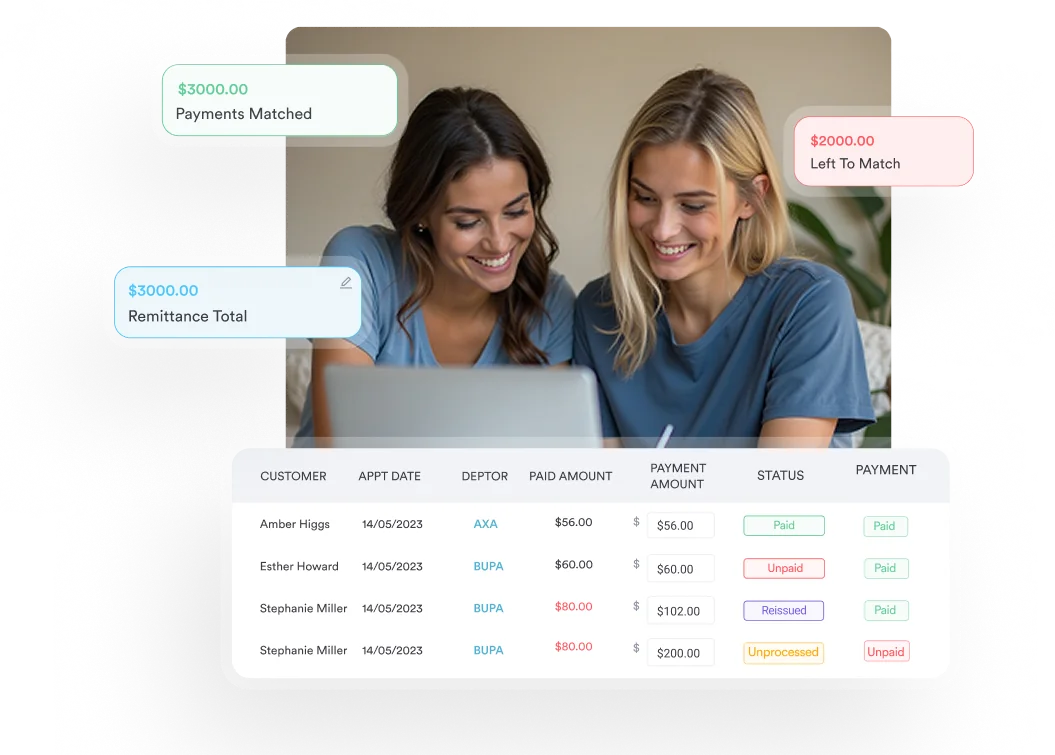
Practice management software like Pabau lets billing teams work from a documentation checklist inside claims management before anything is submitted. Catching a missing order at that point costs a minute, while catching it after a denial costs a rework cycle.
Pro Tip
Run a monthly denial report filtered by E0326. If the denials cluster around missing documentation rather than coverage, the fix belongs at order entry rather than in the coding step. Build the documentation checklist into your intake process.
Documentation requirements for E0326
Documentation is where most E0326 claims fail an audit. Reviewers expect a file that substantiates medical necessity at every stage, from the prescription through to delivery. The checklist below reflects standard DMEPOS expectations, and a specific payer may add to it.
- Written physician order: the patient’s name, the date of the order, the item or HCPCS code, and the practitioner’s signature and NPI
- Medical necessity documentation: a diagnosis or clinical note explaining why the urinal is needed, such as limited mobility or an incontinence diagnosis
- Proof of delivery: a dated, signed confirmation from the patient or an authorized representative, naming the item or code
- Certificate of Medical Necessity: not usually required for a standard urinal, so check whether the LCD or payer policy asks for one
- Supplier documentation: records showing DMEPOS enrollment and that the item dispensed matches the item ordered
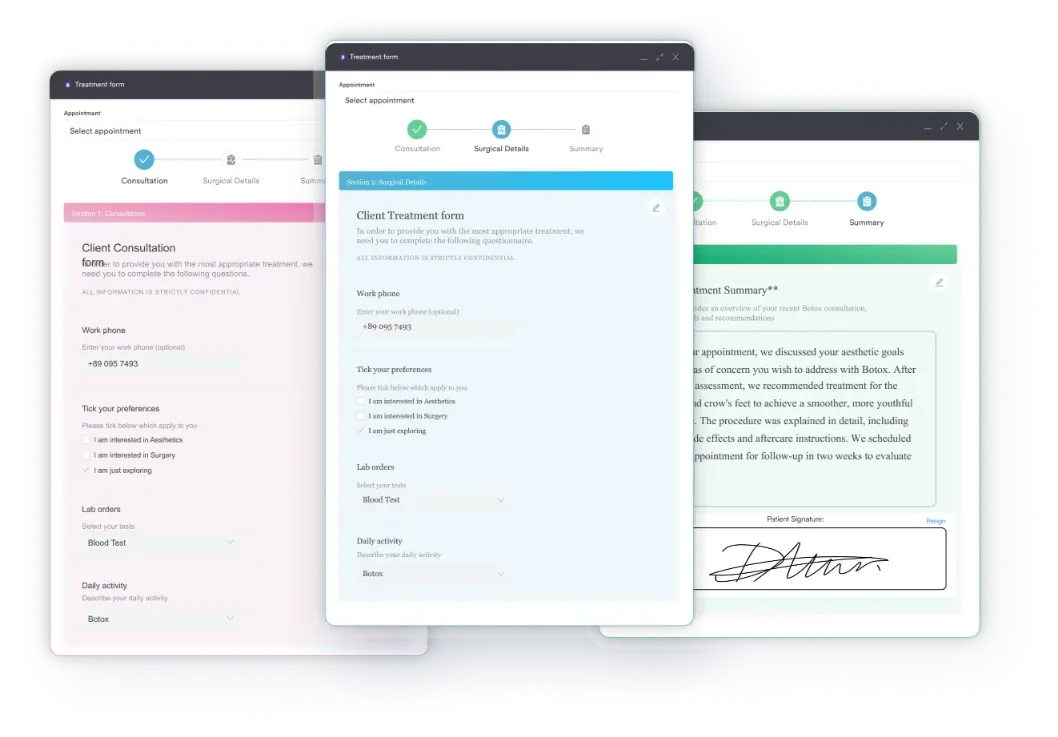
Digital intake forms and electronic delivery confirmations remove the paper chain that loses a signature between the van and the filing cabinet. Structured medical documentation keeps the whole chain in one place, which is exactly what a reviewer asks to see.
Reimbursement rates for E0326
Medicare payment for E0326 comes from the DMEPOS fee schedule, which CMS updates annually. Rates vary by Medicare locality, so a supplier in one region is paid a different amount than a supplier in another for the same code.
This article does not publish a dollar figure, because the rate changes each year and differs by jurisdiction. Citing a stale rate is one of the most common compliance errors in DME billing references. Look up the current amount in the CMS DMEPOS fee schedule and filter by your MAC jurisdiction.
Medicaid rates sit in each state’s own fee schedule. Commercial reimbursement is contractual and rarely published, so confirm the contracted amount with the payer or in your provider agreement.
How Pabau keeps E0326 documentation audit-ready
The administrative weight of an E0326 claim sits in documentation assembly rather than code selection. One missing physician order or unsigned delivery receipt can become a recoupment demand months after the payment landed.
On paper, those three pieces live in three places. The order is in a folder, the delivery slip is on a clipboard in the van, and the clinical note is with the treating practitioner. Pulling them together for an audit is a morning’s work, assuming all three still exist.
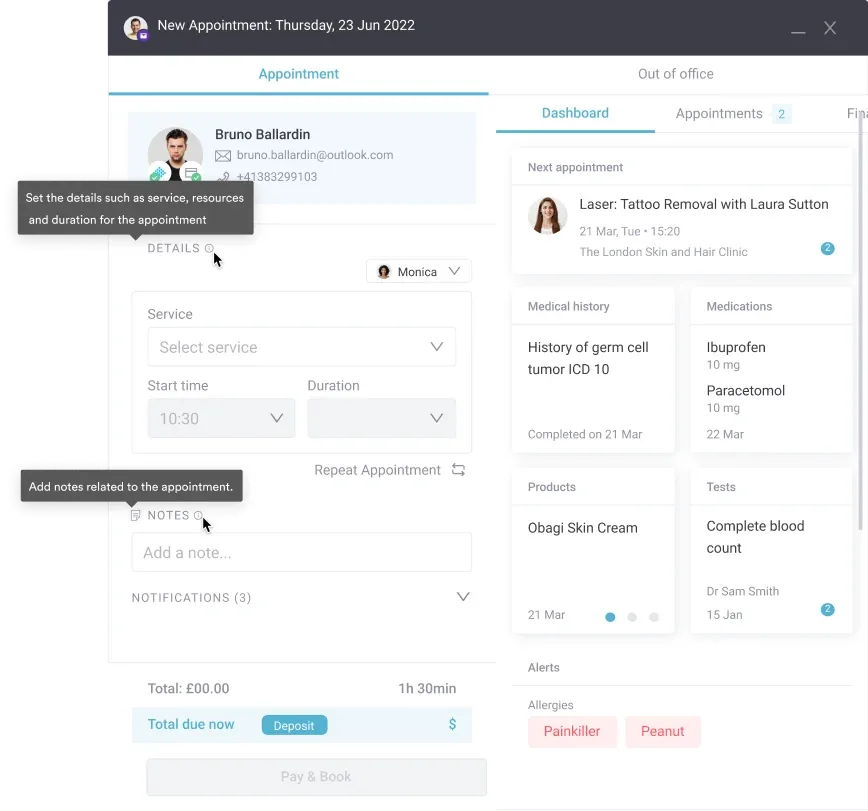
Pabau holds the order, the note, and the signed delivery confirmation on the same patient record. Automated billing workflows can prompt for each one at order entry, so the checklist happens without anyone having to remember it.
Other gains show up across the billing week:
- Eligibility checks at intake: confirm Part B enrollment and DME coverage before the item is dispensed, so nothing is written off later
- Documentation checklists: a saved checklist against each DME order shows whether the order, the note, and the delivery receipt are all on file
- Denial tracking: logging denial reasons by code turns denial management into a pattern you can act on, such as a recurring modifier issue
- Electronic storage: orders and delivery receipts held digitally come back in seconds during a payer audit, rather than after an afternoon in a filing room
Pabau’s EHR integration keeps the clinical and billing sides in one place. The physician’s order and the treatment note stay with the record the charge is raised from. Teams working to HIPAA-compliant workflows can follow the whole chain from order to delivery inside one system.
For suppliers moving high volumes of DME, going paperless is the single operational change that most reduces audit exposure on codes like E0326.

Keep DME documentation audit-ready
Pabau holds the physician order, the clinical note, and the signed delivery receipt on one patient record. Billing teams can check the file against a documentation checklist before a DME claim goes out.

Conclusion
E0326 is a small code with expensive paperwork. The payment per claim is modest. The cost of getting it wrong shows up in rework, and in recoupments that arrive long after the money did.
Two habits remove most of that risk. Match the code to the patient’s sex and to the exact item delivered. Then keep the order, the note, and the delivery receipt somewhere a reviewer can follow. Everything else about this code is routine.
If your DME claims still depend on someone remembering the checklist, that is the thing worth changing first. Book a demo to see how Pabau keeps E0326 documentation together from order to delivery.

Continue your research
Seeing the same rejections every month? Denial codes in medical billing explains the 20 codes behind most denials and what each one asks you to fix.
Not sure how long you have to appeal? Timely filing limits by payer sets out the deadlines for initial claims, corrected claims, and appeals.
Worried about an audit of your billing? Medical billing compliance covers the laws and the violations that reviewers look for, with a checklist to download.
Need a documentation standard to work to? HIPAA compliance checklist sets out the record-keeping standards that apply to DME billing workflows.
Still storing delivery receipts on paper? Paperless and HIPAA-compliant explains how electronic storage protects a supplier during a post-payment review.
Frequently asked questions
What does HCPCS Code E0326 cover?
HCPCS Code E0326 covers a jug-type urinal designed for female patients, in any material. It is a durable medical equipment code used by DME suppliers, hospitals, and home health agencies when they dispense the item for medically necessary use.
Is E0326 covered by Medicare?
Yes, E0326 is covered under Medicare Part B as durable medical equipment. Payment depends on medical necessity criteria and a valid physician order. The supplier must be an enrolled DMEPOS provider, and the criteria in the applicable DME MAC Local Coverage Determination must be met.
What is the difference between E0325 and E0326?
E0325 is a jug-type urinal for male patients, and E0326 is the same product for female patients. Both are jug-type in any material. The only billing distinction is patient sex, and billing the wrong one triggers a denial under Medicare claim edits.
Is there a non-jug-type urinal code?
No. HCPCS lists only two urinal codes, E0325 for male patients and E0326 for female patients, and both describe jug-type items. E0328 and E0329 are pediatric hospital bed codes rather than urinals. If the item delivered is a bed pan, bill E0275 or E0276.
What documentation is required to bill E0326?
You need a written physician order and a medical necessity note in the clinical record. You also need a signed proof of delivery from the patient or an authorized representative. A Certificate of Medical Necessity is not usually required, so check the applicable LCD or payer policy to confirm.
Does Medicaid cover HCPCS Code E0326?
Medicaid coverage for E0326 varies by state. Most state programs cover female urinals as durable medical equipment, but prior authorization requirements and diagnosis restrictions differ. Check the state fee schedule and coverage policy before dispensing the item.
What are the reimbursement rates for E0326?
Rates vary by Medicare locality and CMS updates them annually. For a current figure, use the CMS DMEPOS fee schedule and filter by your DME MAC jurisdiction and the current calendar year. Third-party rate citations are often out of date.