Are you thinking about breaking free from the NHS grind?
For many GPs, the old dream of ‘One day I’ll open my own medical practice’ has turned into ‘Why not now?’.
And it’s easy to see why. Patients are fed up with long NHS waits and want faster, more personalized patient care. And on your side, going private means greater autonomy, more control over your work-life balance, and finally, the chance to earn what you’re worth.
If you’ve ever thought, ‘I could do things differently if I ran my own clinic,’ this step-by-step guide will walk you through exactly how to make that happen.
From navigating regulations to marketing your services, we’ll cover every step you’ll need to launch and grow a thriving private GP clinic in the UK.
Why open a private medical practice in the UK?
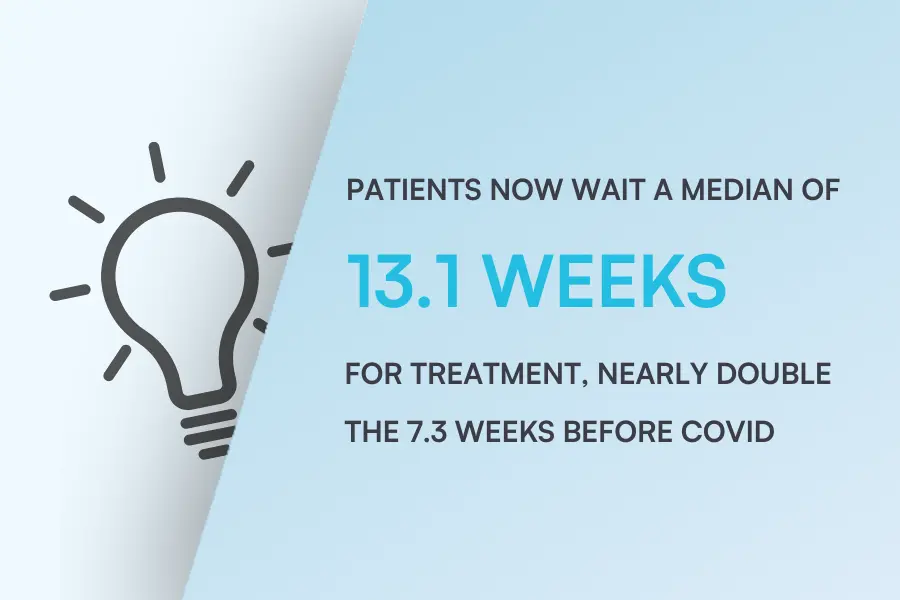
The reality is that the NHS is stretched to its limits. Research shows that patients now wait a median of 13.1 weeks to begin treatment, almost double the 7.3 weeks recorded in July 2019 before COVID.
This has fueled demand for more private medical practices, with many patients now willing to pay out-of-pocket for quicker access, consistent care from the same doctor, and a more personalized experience. That’s where you step in.
Opening a private practice allows you to practice medicine on your own terms.
✅ You decide your schedule
✅ The types of practice services you’ll offer, and
✅ The time you spend with each patient.
✅ How do you run things in your practice
✅ The ability to deliver more personalized patient care
Add to that the potential to significantly increase your income, and you can see why this path is so attractive.
And running your own practice means you get to build a culture of care that aligns with your values, something that can feel impossible within the constraints of the NHS.
How much does it cost to start a medical practice in the UK?
Starting a private GP clinic is an investment, and being realistic about costs is crucial. Here’s a rough breakdown:
Premises: In London, medical office rent runs £15–£35+ per sq ft/year, so a 1,200–1,500 sq ft clinic could pay £18,000–£50,000+ annually. Fit-out and refurbishment (sinks, partitions, infection control) often add another £20,000–£100,000.
Equipment: Practice software costs about £90–£135/month, and a basic office space setup (internet, computers, desks, furniture) costs £2,000–£5,000+. Specialist medical gear, from surgical tools to imaging equipment, varies widely by specialty.
Indemnity insurance: Can range from £1,500 to £4,000, depending on specialty, risk, and clinic size.
In short, depending on your ambitions, you’ll need to budget anywhere from £80,000 to £250,000 in startup costs. It’s not pocket change, but with strong demand for private healthcare, many clinics see a return on investment fairly quickly.
9 steps to starting a medical practice in the UK
Now let’s walk through the nine essential steps, each building on the last, helping you go from idea to a fully functional private GP clinic.
Step 1: Understand the legal and regulatory framework
In the UK, compliance starts with registering with the Care Quality Commission (CQC). The CQC ensures all private GPs meet its fundamental standards, such as person-centred care, respect, treatments that must only proceed with the patient’s informed consent, safety and clean services, qualified staff, and transparency.
Qualified, sufficient staff for safety, staffing, patient rights, and infection control. Think of it as your clinic’s license to operate.
Next, you’ll need to decide on your GP practice model, and for this, you have three options:
Become a solo practice: Running an independent practice, making all the decisions, keeping all profits, but also caring for all the financial risks
Join a partnership: Going into business with one or more other GPs, share the costs, the workload, and the financial risks
Form a limited liability company: A separate legal entity from you. It’s the best way to protect your personal finances, yet there is a lot of paperwork and legal rules an applicant must meet.
And don’t forget about insurance. At a minimum, you’ll need:
Medical indemnity (to protect against malpractice claims)
Building and contents insurance (covering your premises and medical equipment)
It may feel like a lot of red tape, but ticking these boxes up front makes everything else that follows far easier.
Step 2: Develop a solid business plan
Once the legal groundwork is in place, it’s time to map out your vision in detail. A business plan isn’t just paperwork for investors or banks; it’s your roadmap.
To begin with, you can start with your services. Will you focus purely on general GP consultations, or will you also offer health screenings, travel vaccinations, or even minor surgical procedures?
After this, you can crunch the numbers, which requires:
Breaking down startup costs
Ongoing expenses
Projected revenue
Your business plan should also include where the funding will come from, whether from personal savings, loans, or investors, and how soon you expect to break even.
Last but not least, think about your competitive edge. Maybe your clinic offers same-day appointments, extended hours, or a membership model that appeals to busy professionals.
Step 3: Choose a suitable location and premises
Where you set up your private GP practice matters just as much as how you run it. That’s why it’s worth digging into the demographics first. Is there enough demand for private GP services in your area?
For instance, a clinic near a busy commuter hub could draw in city workers who want evening or weekend appointments.
Next, scope out the competition. If three private clinics already operate on the same high street, you may want to look elsewhere, or identify a niche service they’re not offering.
When it comes to the premises itself, you need to think beyond rent because CQC compliance requires things like:
Access for the disabled
Infection control measures
Safeguarding protocols
🌟Tip: Before you commit to a certain location, weigh the pros and cons based on your budget, the flexibility of whether the premises can/can’t meet these standards, and long-term business goals.
Step 4: Acquire equipment and technology
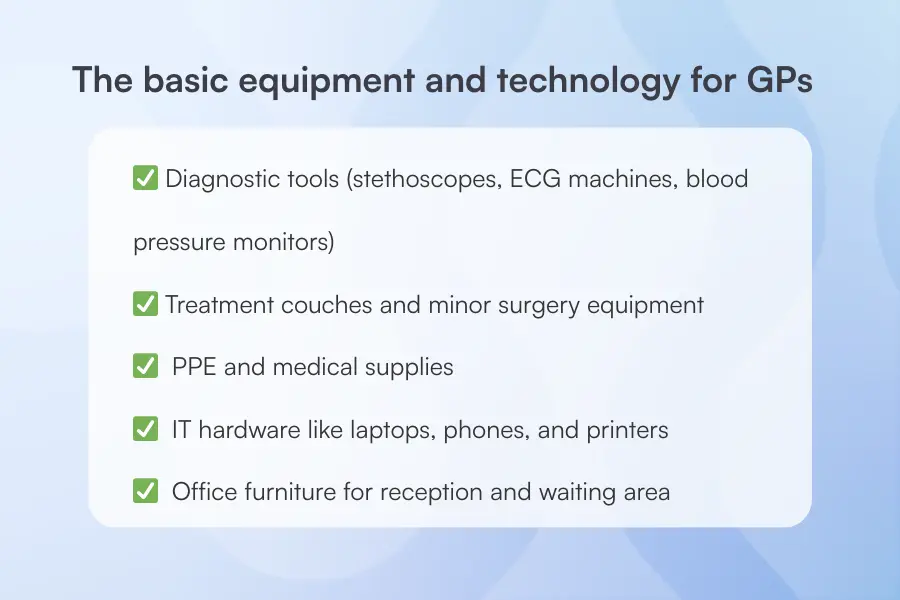
Once you’ve secured a space, you must kit it out. The basics include:
But, beyond the basic equipment such as diagnostic devices, treatment gear, PPE, and office furniture, you should also you should also think of technology that will help you run your private practice.
In fact, when starting a private GP practice, it’s as important as outfitting the clinic with the basics. For that, a robust, all-in-one practice management software solution like Pabau is a game changer, with key features for GP practices such as:
Prescribing medications and using Pabau’s integrated e-pharmacy service, CloudRX, for patient convenience
An integrated AI-powered tool to create treatment notes and personalized letters for patients or third parties
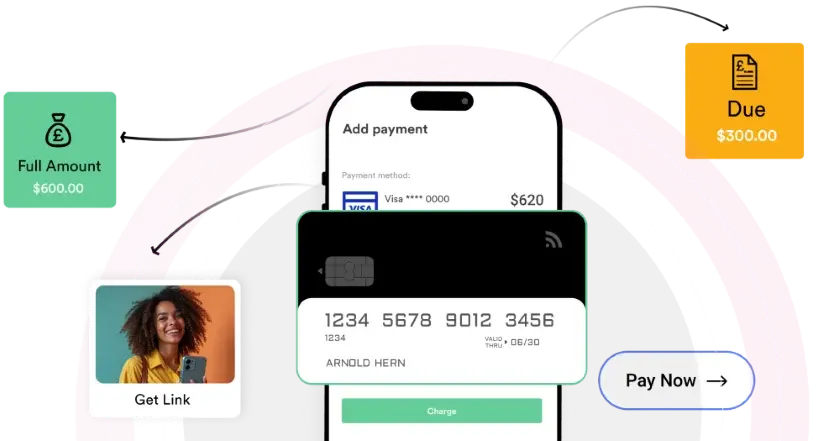
Processing payments and invoices
As Dr. Jordan Faulkner, founder and lead injector of Allo Aesthetics, says:
"The best thing for me with Pabau is that all of these separate functionalities are integrated into one system. Having all of that integrated into a chonical system takes away of the brain power from the clinician"
Also, a robust system like Pabau has tools in place to help private GPs safeguard patient data and support CQC compliance by:
Securely managing patient health records digitally
Consolidating all patient records in one location, eliminating the risk of loss, and streamlining CQC inspection processes
Providing an EMR that stores prescriptions, treatment notes, consent forms, and medical history
Together, these features give you peace of mind that your practice runs securely, efficiently, and in line with CQC standards.
Step 5: Build a qualified and reliable team
Your clinic is only as strong as the people who run it. Typical key roles for GP practices include:
Nurses or healthcare assistants for clinical support
Reception staff to handle bookings and patient queries
Possibly a practice manager to oversee day-to-day operations
When hiring, focus on more than people’s credentials. You want people who share your vision of patient-centred, primary care and align with your clinic’s values and team morale.
Also, to set everyone up for success and stay compliant with regulations, protect yourself and your team with proper employment contracts, structured onboarding procedures, and training programs.
Step 6: Develop pricing and payment systems
Your pricing model shapes your patient base and drives loyalty. That’s why you must consider offering different models, such as:
Pay-as-you-go option for patients to pay per appointment or treatment
Membership plans with recurring monthly or annual fees for ongoing care
Bundled packages at a discounted rate, for example, an annual health screening, or follow-up visits
When deciding your pricing, ensure your prices are competitive and reflect the quality care you provide. Then, you can start thinking about managing payment processing, which is how you’ll handle:
A tool like Pabau can simplify your life by keeping all of this integrated in one secure place, reducing your admin stress, and helping you track your cash flow efficiently.
Step 7: Create a marketing and patient acquisition strategy
Even the best clinic can fail if no one knows it exists. That’s why you need a marketing plan, making your clinic visible and easy to engage with.
Provide a website with a user-friendly online booking system and clear service listings
Offer a patient portal where patients can find their medical histories, test results, and communication
Invest time in local outreach: Reach residents through flyers, attend community events, or partner with local gyms and wellness centers
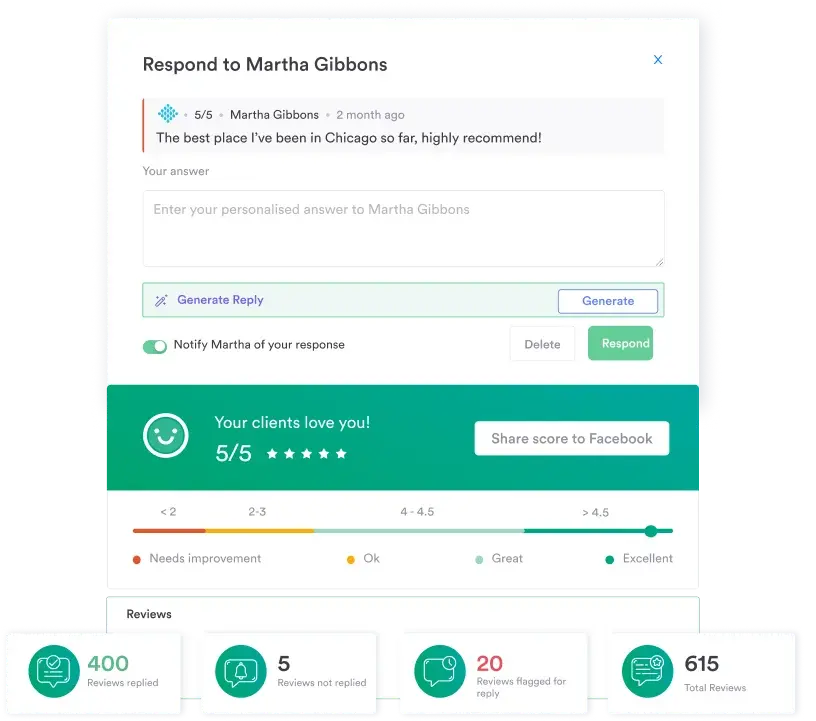
Build your practice’s reputation: Encourage patients to leave reviews about your practice (for example, on Google or Doctify).
A quality system like Pabau can help you automate review requests for every single appointment. It’s a smart way to build a consistent stream of reviews, gauge what your customers think, and improve your online visibility.
By covering these essentials, you make it easier for patients to find, book, and trust your clinic.
Step 8: Provide educational resources for your patients
Today, patients want more than treatment; they want information. Offering educational resources shows you care about their long-term health, keeps them engaged, and builds loyalty. These resources can be:
Blog posts on your website
Health newsletters sent via email
Printed handouts in your clinic
For example, a seasonal newsletter reminding patients about flu shots or offering travel health advice before summer holidays positions you as a trusted advisor, not just a service provider.
Step 9: Manage operations and compliance long-term
Opening day is just the beginning. What comes next is running it, and you won’t do that successfully unless you keep an eye on key performance metrics and stay ahead.
Here’s how to run operations and stay compliant without the headache:
✅ Measuring what matters: Tracking patient retention, appointment volumes, and satisfaction scores
✅ Staying compliant: Conducting regular audits, updating policies, and providing ongoing staff training
✅ Planning for growth: Think of gradually expanding with new services, hiring additional staff, or maybe opening more locations
It’s insights like these that tell you what’s working and where you need to adjust. Again, a tool like Pabau can help you manage operations and compliance all from one place, scaling with you as you grow your business.
Launch your private GP practice with confidence using Pabau🚀
You’ve just walked through what it really takes to launch a private GP practice entrepreneur in the UK, from navigating CQC requirements and hiring the right team to finding the perfect premises and filing your schedule.
None of it is rocket science, but it’s a lot to keep spinning at once.
That’s why the smartest move is to equip yourself with tools that take the load off. And that’s where Pabau earns its keep, handling everything from appointments and patient records to invoicing and compliance, all in one system.
It was designed to save you hours of admin work, but it also keeps track, so nothing slips through the cracks and makes your clinic look polished and professional.
Are you ready to streamline your GP practice and grow with confidence? Book a demo with Pabau today and watch how it can transform your clinic.