









Key takeaways
ICD-10 code S42.256P reports a nondisplaced greater tuberosity fracture of the unspecified humerus that healed with malunion.
The chain runs S42 to S42.2 to S42.25 to S42.256, and the fourth character is what separates the humerus from the clavicle.
Only A, B, D, G, K, P, and S are valid 7th characters on S42 codes, which rules out Q and R.
Imaging has to describe the malunited position before the P character belongs on a claim.
Code S42.254P for the right humerus and S42.255P for the left whenever the record names the side.
ICD-10 code S42.256P reports a nondisplaced fracture of the greater tuberosity of the unspecified humerus, followed up after the bone healed with malunion. Most of these fractures heal quietly in a sling, so malunion is the exception you have to catch.
Most of the risk sits in the fourth character. It decides whether you are coding the humerus or the clavicle, and the two branches read almost the same on screen. That is how the clavicle code S42.034P ends up on a humerus claim, contradicting the imaging in the chart.
So the job splits in two. Get the branch right first, then let the imaging pick the 7th character.
ICD-10 code S42.256P covers a fracture that healed crooked
S42.256P sits in subcategory S42.25, fracture of greater tuberosity of humerus. Three parts of its descriptor decide whether the code fits the visit in front of you.
Nondisplaced means the fragment stayed in place, or moved so little that a sling was treatment enough. Unspecified humerus means nobody wrote right or left in the record. And the P character belongs to the follow-up visit, not to the day of the injury.
The code is valid and billable in the FY2026 ICD-10-CM code set, per the CMS ICD-10 code files. It has been reportable since October 1, 2015, and it is exempt from present on admission (POA) reporting. Coders in physical therapy and rehabilitation practices meet it most often during fracture aftercare.
Every detail you need before the claim goes out
The table below collects the facts that decide whether this code holds up on submission.
Coders in sports medicine practices should treat the unspecified laterality as a flag, not a default. If the note or the radiology report names a side, code that side instead. An unspecified shoulder code invites a request for records, because the side is nearly always documented.
One wrong digit lands you in the clavicle branch
Every character narrows the diagnosis, so reading the chain from the top is the fastest way to check your work.
- S42: fracture of shoulder and upper arm, inside Chapter 19 (S00-T88).
- S42.2: fracture of upper end of humerus.
- S42.25: fracture of greater tuberosity of humerus.
- S42.256: nondisplaced fracture of greater tuberosity of unspecified humerus.
- S42.256P: the same fracture at a subsequent encounter, healed with malunion.
The fourth character is where the two confusable branches split. S42.0 is the clavicle, S42.1 is the scapula, and S42.2 is the upper end of the humerus.
So a code like S42.034P reports a clavicle injury, not a humerus one. If the note describes the clavicle instead, S42.012P is the malunion code you want.
You can confirm the descriptor and the sibling codes in the CDC ICD-10-CM browser before submission. The AAPC index for S42 answers the same question in a different layout.
The 7th character carries the whole encounter story
The 7th character tells the payer where this visit sits in the healing timeline. It is also one of the most audited details in fracture coding. Category S42 uses seven of them, and nothing else is valid on a shoulder or upper arm fracture code.
Characters Q and R are the common false friend. They belong to the Gustilo open fracture extensions, which appear on forearm, femur, and lower leg codes.
Both S72.452Q and S52.261R carry one. No S42 code does, so if your encoder offers Q on a greater tuberosity fracture, you are in the wrong family.
Telling malunion apart from nonunion and slow healing
Malunion means the fragments joined in the wrong position. Nonunion, character K, means they never joined at all. Delayed healing, character G, means union is late but still on its way.
At the greater tuberosity, malunion usually means the fragment healed superiorly or posteriorly to the humeral head. That position can impinge the rotator cuff and cap shoulder abduction. Apply the P character only once imaging describes it, usually an X-ray or an MRI.
Clinical suspicion is not enough. A note that reads «fracture healing» without describing the alignment will not survive an audit, and payers may deny or downcode the visit.
Why greater tuberosity fractures pull the rotator cuff in
The greater tuberosity is the bony prominence on the outer proximal humerus, just below the humeral head.
Three rotator cuff muscles attach there: the supraspinatus, the infraspinatus, and the teres minor. That anatomy is why cuff involvement is so common, as the American Academy of Orthopaedic Surgeons (AAOS) describes.
Patients usually arrive after a fall onto an outstretched hand, a direct blow to the shoulder, or an anterior shoulder dislocation. What happens next depends on how far the fragment moved.
- Nondisplaced fractures: the fragment stays in position or shifts only slightly. Most orthopedic literature treats roughly 5 mm as the point where displacement becomes surgically interesting. Sling immobilization is often enough.
- Displaced fractures: the fragment has migrated further, usually superiorly, and repair is considered more often. Code these to S42.253 for an unspecified humerus, not to S42.256.
- Lesser tuberosity fractures: a different subcategory entirely, S42.26, even though the mechanism can look similar in the note.
Practices that co-manage shoulder aftercare with an orthopedic surgeon carry a specific risk. The encounter character has to be re-checked at every visit, not set once at the first appointment and left alone.
The sibling codes you switch between as healing changes
These are the codes a greater tuberosity fracture moves through, from the injury to a late effect. The last row is the clavicle code that gets picked by mistake.
The pattern repeats across Chapter 19. Encounter characters behave the same way from one fracture category to the next, so most of the learning is knowing which characters a category allows.
What the chart must say before you use the P character
The ICD-10-CM Official Guidelines for Coding and Reporting, Section I.C.19, are direct about this. The 7th character reflects healing status at the current visit, not the status recorded at the first one. A fracture coded D for routine healing in week four becomes P once imaging shows malunion in week ten.
- Radiology report: an X-ray or MRI report that describes the malunited position of the tuberosity fragment. This is the primary support for the claim.
- Provider note: an assessment that references the imaging findings and the functional effect, such as impingement or restricted abduction.
- Laterality: the side, wherever the record supports it, so you can code S42.254P or S42.255P instead of the unspecified version.
- Diagnosis wording: the word malunion, or a plain description of healing in an abnormal position. Vague phrasing will not support the P character.
- Plan update: what changes now, whether that is therapy, a surgical referral, or watchful waiting. This explains why the code changed.
Therapy notes carry the functional half of the story. Our therapy progress notes cheat sheet shows the level of detail that stands behind a diagnosis change.
Workers’ compensation claims need one more layer. The documentation has to tie the malunion back to the original injury at work. State rules vary too, so check the payer’s requirements before you submit.
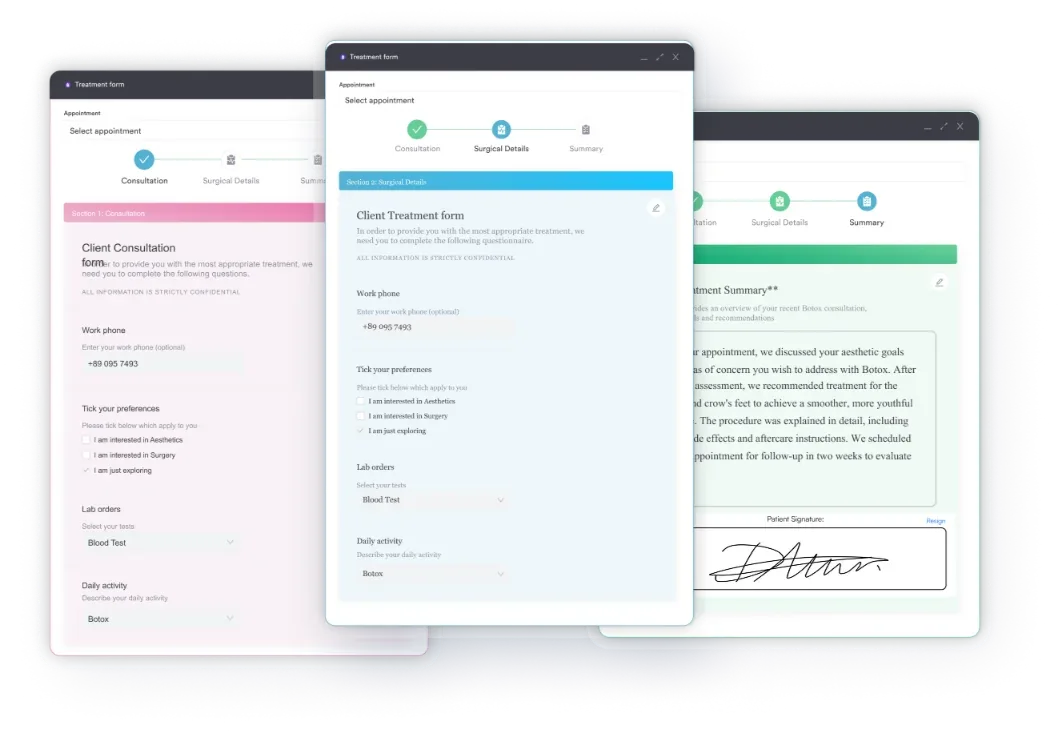
Practice management software like Pabau helps here. Its digital intake forms capture the injury mechanism, imaging findings, and range of motion at every visit. The audit trail then builds as you go, not after a denial.
Pro Tip
Put a coding checkpoint in the six-week fracture follow-up. If nobody ordered imaging and the visit is still coded for routine healing, flag the chart. Ask for radiographic review before the claim goes out. A missed malunion transition costs more in denied claims than the imaging referral does.
How a malunion claim moves from imaging to payment
The coding decision is only half the work. Below is the path a follow-up claim takes once the imaging comes back, and where it tends to stop.
- The provider reviews the new imaging at the follow-up visit and documents the malunited position.
- The coder moves the diagnosis from S42.256D to S42.256P, or to the side-specific code. Then they pick the CPT codes for what happened that day.
- Charge entry ties diagnosis and procedure together, and the claim leaves electronically through your clearinghouse.
- The payer’s edits test whether that pairing is plausible, and whether the visit falls inside a global period.
- The remittance comes back as a payment, a denial, or a request for records.
Three things stall it most often. The routine healing character stays on the claim after imaging has moved the diagnosis. The side goes out unspecified when the radiology report named it. Or the imaging report never reaches the record an auditor would read.
Claims travel electronically, so the HIPAA compliance requirements that cover the chart cover the transmission too. When a denial sticks, the balance usually shifts to the patient, which is where self-pay billing takes over.
Run this check before the claim goes out
- The 7th character matches this visit’s imaging, not the last visit’s.
- Laterality on the claim matches the side named in the radiology report.
- The imaging report is signed and sits in the record you would send on request.
- Any authorization for surgery or extended therapy is on file, with its number on the claim.
- For a work injury, the note links the malunion back to the original incident.
The CPT codes that show up around this fracture
Diagnosis and procedure codes have to be clinically plausible together, because payers cross-check the pairing in their claim edits.
The codes below are the ones that show up around a greater tuberosity fracture, in the US CPT system. Always confirm payer coverage for a pairing before you submit it.
Codes 23620 through 23630 treat the acute fracture, so they normally sit alongside an initial encounter character.
Where the fracture arrived with a dislocation, 23670 covers open treatment of both. By the time S42.256P applies, the bone has united, and the work is usually therapy, monitoring imaging, or revision surgery.
If a surgeon does operate to correct the malunion, code the procedure from the operative report rather than from a crosswalk. Correction varies widely, from cuff repair through bone work to shoulder replacement, so the report is the only reliable source.
UK practices bill their procedures under OPCS codes, and their diagnosis coding differs too. NHS coders work from the WHO version of ICD-10, which carries no 7th character for malunion.
Coverage at the malunion stage is where claims stall
The diagnosis on its own does not settle whether an intervention gets paid. Coverage turns on the payer, the functional loss you documented, and sometimes an authorization you have to win first.
- Medicare and Medicaid: coverage follows the local coverage determinations issued by your Medicare Administrative Contractor, so check the LCD for your jurisdiction rather than assuming.
- Pre-authorization: surgical correction of a malunion commonly needs authorization first, and S42.256P is often a required field on that request.
- Commercial payers: thresholds differ on when a malunion is significant enough to fund more than therapy. Document functional loss objectively with range-of-motion measurements.
- Workers’ compensation: expect scrutiny of the link between the malunion and the original incident. Blanket coverage assumptions are a frequent audit failure.
An authorization request lives or dies on the paperwork attached to it. Our medical necessity letter template lays out the imaging findings, the functional loss, and the reason therapy alone is no longer enough.
Five mistakes that get S42.256P denied
- Reaching for a clavicle code: S42.0 reports the clavicle. For the greater tuberosity of the humerus, the base code is S42.256.
- Using P without imaging: the P character needs a radiology report that describes the malalignment, not a clinical impression.
- Leaving the code at D: once malunion is confirmed, later visits move to P. Repeating the routine healing character understates the diagnosis.
- Choosing unspecified laterality: if the note says right or left, code S42.254P or S42.255P instead of S42.256P.
- Trying Q or R: those Gustilo characters belong to other fracture categories, so they are never valid on S42.
Pro Tip
Give S42.256P claims a second read when the injury was work-related. Workers’ compensation payers watch the move from routine healing to malunion closely. A short internal review costs far less than a recovery audit later.
How Pabau keeps fracture follow-up claims clean
Fracture aftercare is one of the more demanding billing patterns in orthopedic and physical therapy work. The same patient returns five or six times, and the diagnosis character changes partway through.
Evidence for that change sits in a radiology report someone has to dig out. Most denials here are administrative rather than clinical.
Pabau keeps that evidence and the claim in one place. Imaging results, treatment notes, and consent forms attach to the patient record. So the note behind a malunion code is one click from the visit it belongs to, instead of buried in somebody’s inbox.
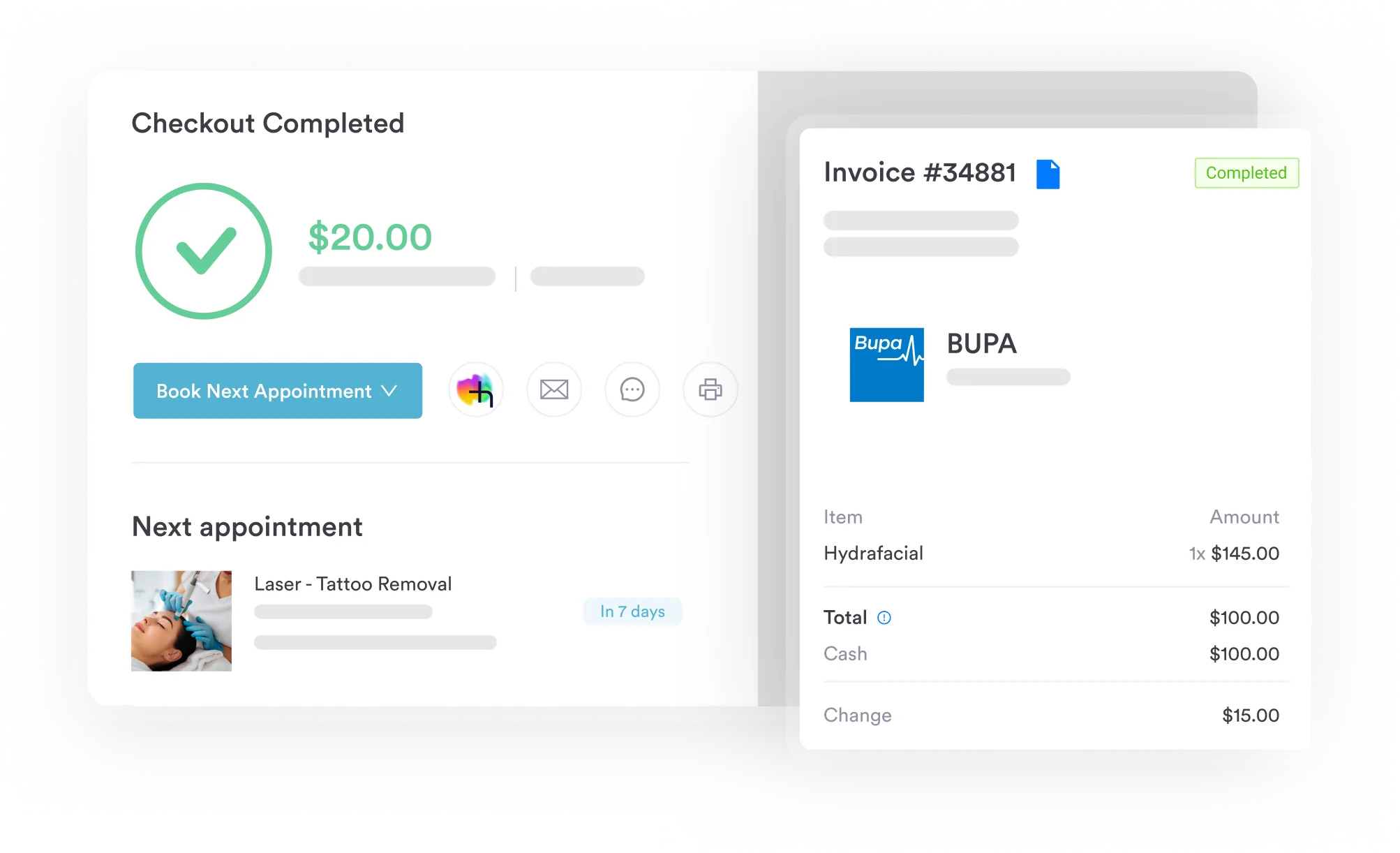
On the billing side, Pabau’s claims management shows where every claim stands, from pending and submitted through to paid or error. It also checks that insurer-specific fields, such as membership and authorization numbers, are complete before the claim can go.
Choosing the 7th character stays a coder’s judgment call. But nothing sits in limbo while you wait to learn that a claim failed.

Keep fracture aftercare claims moving
Pabau keeps imaging reports, treatment notes, and claim status on one patient record. Multi-visit fracture billing stops depending on who remembers which follow-up needs a new code.

Conclusion
S42.256P is a narrow code, and that is the point of it. It says the greater tuberosity fracture united in the wrong position, at a follow-up visit, on a shoulder the record did not name. Get the branch right first, then let the imaging decide the 7th character.
The fix is smaller than it sounds. One coding checkpoint at the six-week visit, plus the side in the note, removes most of the denial risk on this code.
Book a demo to see how Pabau holds imaging reports, coded diagnoses, and claim status on one record through a full course of fracture aftercare.

Continue your research
Coding a malunion in the forearm? S52.021R shows how the malunion character behaves where open fracture types are also in play.
Working on a femur fracture instead? S72.334N walks through the longer 7th character list that femur codes use.
Shoulder injury that is not a fracture? S40.022A covers upper arm contusion coding at the initial encounter.
Billing a shoulder replacement? CPT code 23472 covers total shoulder arthroplasty, the salvage route for a badly malunited joint.
Co-managing aftercare with a surgeon? Multidisciplinary review template structures the review meeting where a shared treatment plan gets agreed.
Frequently asked questions
How long after the injury does malunion show up?
Usually once the fracture unites, which for the greater tuberosity is often six to twelve weeks. ICD-10-CM sets no timeline. The code follows the radiology finding, so the visit where imaging describes the malunited position is the visit that changes.
Can I bill an office visit at a malunion follow-up?
Yes, once the global period has closed, or where nobody billed fracture care in the first place. Most fracture care codes carry a 90-day global period that covers routine follow-up. After that window, an evaluation and management code such as 99213 is reportable when the visit supports it.
Do I need an external cause code with S42.256P?
ICD-10-CM has no national requirement for external cause reporting, though many payers and state systems expect it. When you do report one, give the cause code its own subsequent encounter character. Place of occurrence and activity codes are reported once, at the initial encounter.
Is there a code for the stiffness left behind?
Yes. Once treatment is finished and a residual problem remains, code that residual condition first, then S42.256S for the sequela. The P character describes an active follow-up encounter, so the two are not interchangeable.
Does the UK use S42.256P as well?
No. NHS coders work from the WHO version of ICD-10, which has no 7th character for malunion. There you code the fracture site, then record the malunion separately under M84.0. Procedures follow OPCS rather than CPT.