GLP-1 diet plan
A GLP-1 diet plan is a structured eating framework for patients taking semagluti...

2
Last Updated: Oct 13, 2026

A multidisciplinary review is one scheduled meeting where several specialties agree a single plan for one patient.
A usable record has five parts: patient details, presenting concerns, specialist input, agreed decisions, and follow-up actions.
Every decision needs a named owner and a date, or it quietly stops being a decision.
Medication reviews are the most common version of the meeting, and the pharmacist leads the assessment.
Practice management software like Pabau keeps the notes, the tasks, and the next appointment in one client record.
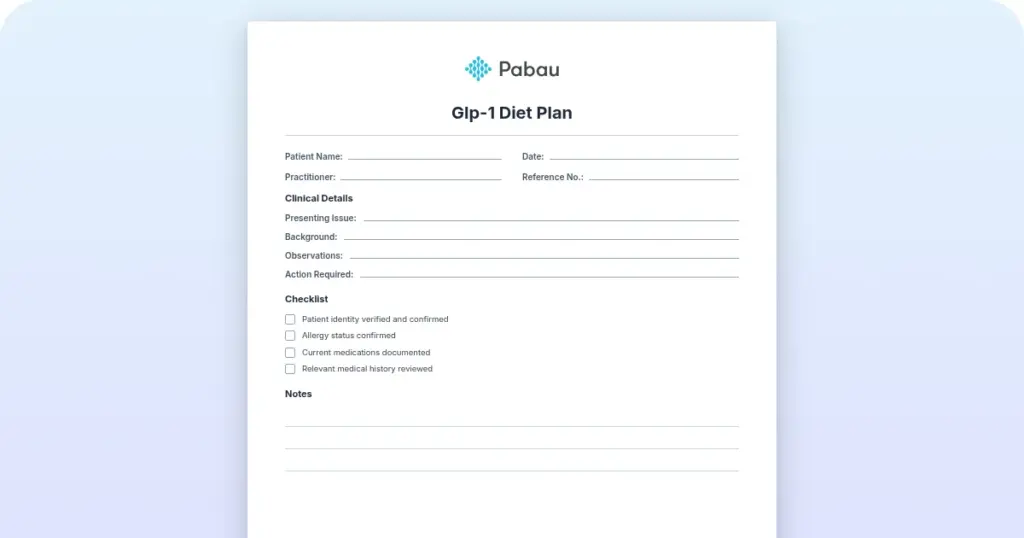
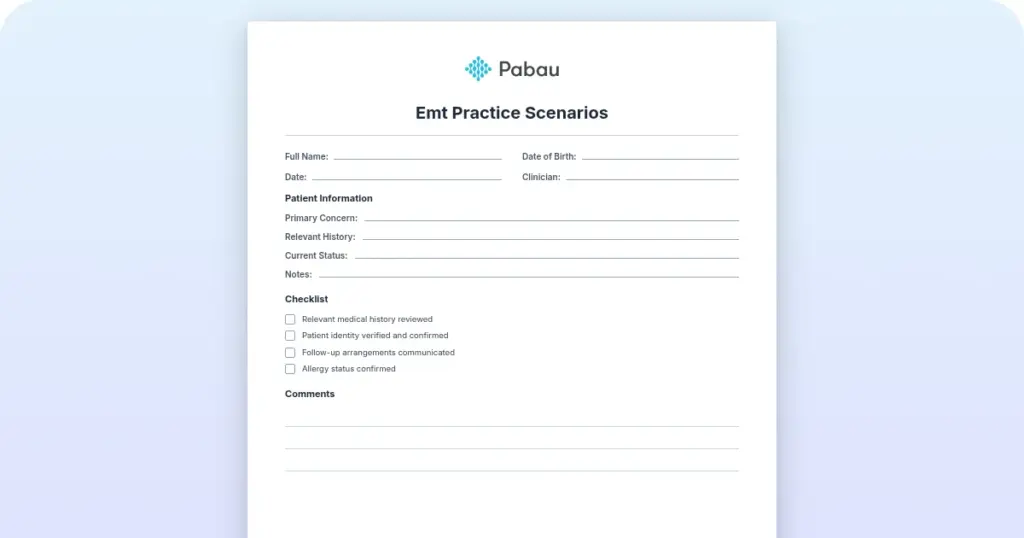
The template gives you five sections to complete during the meeting. They cover patient details, presenting concerns, each specialist’s input, the decisions the team agreed, and follow-up actions with an owner and a deadline.
Download templateSix clinicians spend 40 minutes on one patient, agree a plan, then go back to their own caseloads. Two weeks later, nobody can say who was supposed to order the blood test.
The meeting was fine, but the record of it was not. A multidisciplinary review only changes care when the decisions leave the room attached to a name and a date.
The template above covers the five sections a usable record needs. What follows is how experienced teams work through them, and where reviews come unstuck.
A multidisciplinary review is a single scheduled meeting where clinicians from different specialties agree one plan for one patient. Physicians, nurses, pharmacists, and therapists each bring their own read of the case. Most teams shorten the name to MDT, for multidisciplinary team.
In practice, the review does three things:
Done well, it shows up in numbers a practice can measure: duplicate tests, clashing prescriptions, and repeat appointments all drop. The review is also where a care plan gets its authority. Everything after it, from prescriptions to patient care management, refers back to what the team agreed.
Who attends depends on the case. A typical team looks like this:
Three or four people who came prepared beat eight who are reading the notes for the first time. Invite the ones whose input changes the plan, and send everyone else the summary.
Five sections do the work. Everything else on the form is decoration, so keep it short enough that people fill it in properly.
Pull the demographics from your medical records before anyone sits down. Nobody should be reading out a medical record number while five people wait.
A focused review of one complex patient takes about 20 minutes. Here is where that time goes:
Then get the summary out within a week, to the patient and to everyone who was in the room. A summary that lands three weeks later is a history lesson.
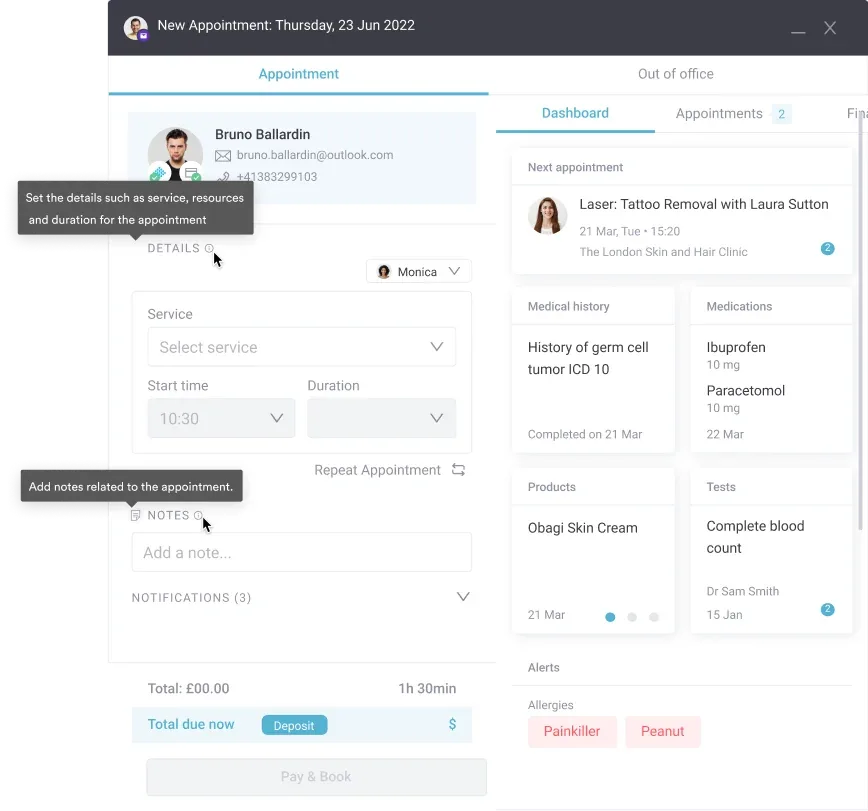
Run through this before the meeting starts. It takes five minutes and saves ten.
The scribe point matters more than it sounds. A chair who is typing stops chairing, and the decisions get vaguer as the meeting goes on.
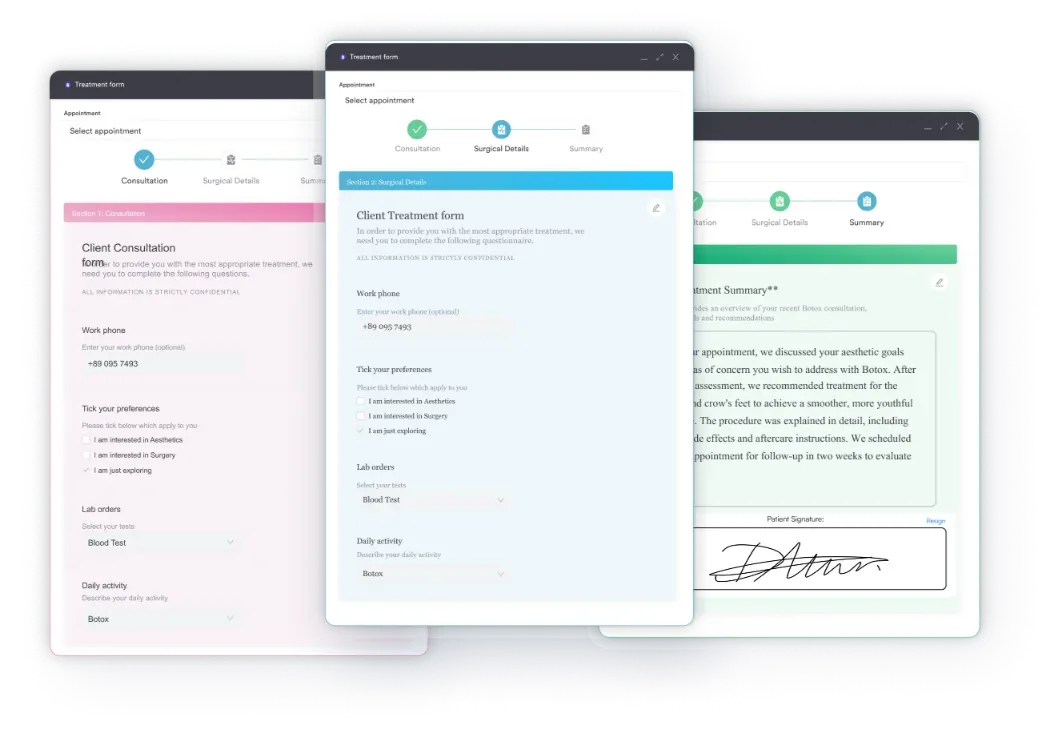
Medication reviews are the most common version of this meeting, and they run differently. The pharmacist leads the assessment instead of the medical lead.
More than 40% of US adults aged 65 and over take five or more prescription drugs, according to published research. At that point, interactions and duplicate therapy become likely rather than possible.
A good pharmacist arrives with the list already worked through:
The team then decides continue, change, or stop for each drug. Write the reason next to the decision. The clinician who reverses it in six months needs to know what you were weighing.
Send the patient home with an updated medication schedule, not a verbal summary. In mental health practices, the same review covers side effects and blood monitoring. It also covers whether the patient is willing to keep taking the drug at all.
Complete the form during the meeting, not after it. Notes written from memory that evening lose the detail that made the decision defensible.
If your team would rather talk than type, an AI scribe can draft the summary from the discussion. Read the draft before it goes near the record.
Reviews usually fail on the record rather than in the room. These are the ones that come back to bite:
None of that is a template problem. A good form just makes each one harder to commit.
Any team that shares patients benefits. The return is biggest where no single clinician can see the whole picture.
Smaller practices often skip the meeting and pass notes instead. That holds up until two notes disagree and nobody can say which is current. Shared practice management software at least gives everyone the same version.
The meeting is rarely the weak link. The decisions live in one document, while the tasks, appointments, and prescriptions they affect live somewhere else entirely.
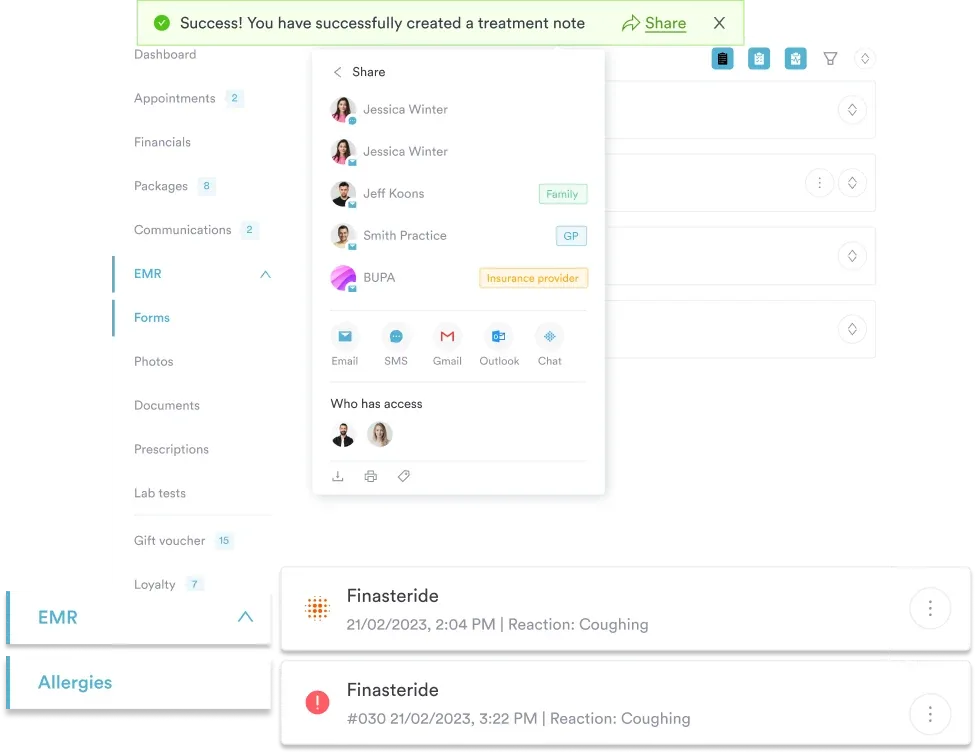
Pabau is an all-in-one practice management system, so the review note sits in the same client record as everything it touches. Team permissions mean each authorized contributor can read what colleagues documented and add their own assessment before the meeting starts.
Follow-up actions become assigned tasks with dates rather than lines in a document. Compliance tracking and HIPAA-compliant records then give you something to show an inspector: who decided what, when, and whether it got done.
For a practice running reviews every week, that is the difference between a documented decision and a completed one.

Pabau keeps multidisciplinary review notes, assigned follow-up tasks, and the next appointment in one client record. Every authorized team member sees the current plan, so agreed actions get completed instead of forgotten.

A multidisciplinary review earns its place in the diary only if the record survives the meeting. Complete the five sections as you go. Put a name and a date against every action, and the review stops being a conversation you have to repeat.
The trade-off worth remembering is scope. A review that tries to settle everything settles nothing, so bring one clear question and answer it properly.
If the follow-up actions are what keep slipping, that is a systems problem more than a meeting one. Book a demo to see how Pabau turns agreed actions into tracked tasks with owners and dates.

Ruling out a heart attack? Heart attack test guide explains how troponin and ECG results confirm or rule out a heart attack.
Unsure what HSP means on a referral? HSP meaning explained separates Henoch-Schönlein Purpura from the unrelated highly sensitive person label.
Suspecting meningeal irritation at the bedside? Kernig’s sign technique explains the hip-flexion, knee-extension test clinicians use to check for meningeal irritation.
Thinking about opening your own practice? Nurse practitioner private practice guide covers what it takes for an NP to go independent.
Examining a patient’s ear canal? Otoscope examination guide covers technique, findings and documentation for ear pain, hearing loss and discharge.
There is no universal interval. Most teams review complex patients every four to 12 weeks, and stable patients every six months. Set the next date at the end of each meeting, plus a trigger that pulls it forward early.
Rules vary by jurisdiction. Sharing information inside the treating team for care purposes generally does not need separate written consent. Tell the patient their case will be discussed, record that you did, and get explicit consent before anyone outside the team joins.
The clinician with overall responsibility for the patient usually chairs, but it does not have to be a physician. The chair’s job is timekeeping and landing decisions, so hand the note-taking to someone else.
Sometimes. In the US, medical team conference codes 99366 to 99368 cover meetings of 30 minutes or more. Which code applies depends on who took part and whether the patient was present. Coverage varies by payer.
In a multidisciplinary review, each specialist contributes their own view and the chair pulls it together. In an interdisciplinary one, the team builds a single shared plan, which takes more time and a culture where people challenge each other.