










Key takeaways
ICD-10 Code O71.5 is a billable ICD-10-CM diagnosis code for other obstetric injury to pelvic organs, valid for FY2026 claims.
The Applicable To note covers obstetric injury to the bladder and the urethra, and no other organ.
An Excludes2 note keeps obstetric periurethral trauma out of O71.5, so that injury is coded to O71.82.
Never submit the parent code O71 when O71.5 applies, because a non-billable parent code triggers a denial.
Practice management software like Pabau structures the delivery note, so coders get the organ-specific detail O71.5 requires.
ICD-10 Code O71.5 is the billable ICD-10-CM code for other obstetric injury to pelvic organs. It covers injury to the bladder and the urethra, and no other pelvic organ. The delivery note has to name which one was injured. Without that, the claim falls back to the unspecified code. This reference covers billable status, the Applicable To and Excludes2 notes, documentation rules, CPT pairings, and DRG mapping.
The 2026 edition of ICD-10-CM, maintained jointly by the CDC/NCHS and CMS, became effective October 1, 2025. O71.5 is one of the billable child codes under the O71 obstetric trauma category. It stays valid for HIPAA-covered transaction submissions through September 30, 2026.
ICD-10 Code O71.5: definition and billable status
ICD-10 Code O71.5 describes other obstetric injury to pelvic organs. It is a billable, specific ICD-10-CM code, meaning it may be used directly on claims to indicate a diagnosis for reimbursement purposes. The 2026 edition became effective October 1, 2025, under the fiscal year 2026 ICD-10-CM update cycle.
Accurate code selection at this level matters for HIPAA-compliant documentation practices and for clean claims submission. Using the non-billable parent O71 when O71.5 is appropriate will result in claim rejection.
Applicable to: conditions covered by O71.5
The ICD-10-CM tabular list names two conditions under the Applicable To note for O71.5. Those two injuries are the only ones this code covers. Documentation must state which organ was injured for the code to apply.
- Obstetric injury to bladder – bladder trauma sustained during vaginal delivery, instrumental delivery, or an obstetric surgical procedure
- Obstetric injury to urethra – urethral injury occurring as a direct result of the delivery process
An Excludes2 note sits under the code as well. Obstetric periurethral trauma is excluded from O71.5 and is coded to O71.82 instead. Excludes2 means the two conditions are separate, so both codes can be reported when the record documents both.
A record documenting bladder injury during delivery maps to O71.5 whether the injury was spontaneous or followed an operative procedure. What matters is that the clinical note names the organ.
Parent code: O71 – other obstetric trauma
O71 is the non-billable parent category for other obstetric trauma. It cannot be submitted on claims. Coders must always select the most specific billable child code within the O71 family. The table below maps the full O71 hierarchy to support accurate code selection.
O71.3 covers obstetric laceration of the cervix, and cervical trauma never belongs under O71.5. The pelvic organ code stops at the bladder and the urethra. Code a documented cervical laceration to O71.3. Query the treating clinician whenever the wording in the note is vague.
Pro Tip
Always verify that the parent O71 category is not submitted on claims. O71 is non-billable. If a coder’s encoder auto-populates the category code, manually override to the specific child code. Submitting O71 instead of O71.5 will generate a claim rejection for use of a non-billable code.
ICD-10 Code O71.5 coding guidelines and documentation requirements
Correct use of ICD-10 Code O71.5 depends on documentation specificity. The clinical note must identify which pelvic organ was injured and confirm the injury occurred in an obstetric context. According to CMS ICD-10-CM guidance, coders should apply the code that most precisely reflects the documented diagnosis.
- Name the injured organ: The record must say bladder or urethra. A note reading «pelvic injury during delivery» does not support O71.5, so query the clinician for clarification.
- Confirm the obstetric context: The injury must be causally linked to delivery or an obstetric procedure. Injuries from unrelated causes during a delivery admission do not belong under the O71 category.
- Use O71.5 as a secondary code where it fits: When the injury follows an obstetric procedure, the complication code may be the principal diagnosis. O71.5 then describes the anatomical injury.
- Do not code the parent alongside the child: O71 adds nothing once O71.5 is on the claim. Some encoders auto-add the category code, so remove it.
- Send cervical and periurethral trauma elsewhere: A documented cervical laceration is coded O71.3. Obstetric periurethral trauma is coded O71.82 under the Excludes2 note.
Practices using digital clinical documentation tools can build delivery note templates that prompt for the affected organ. That prompt is what stops a vague note from turning into a post-discharge query.

CPT codes commonly used with O71.5
When O71.5 appears on a claim, it is usually paired with CPT codes for the repair or assessment of the injured organ. The table below lists the codes most often associated with these presentations. Payer coverage policies vary, so verify medical necessity requirements before submission. The global obstetric package is billed separately from these repair codes, and cesarean delivery with postpartum care falls under 59510.
These pairings reflect common clinical scenarios. The AAPC Codify ICD-10-CM lookup cross-references diagnosis codes with the CPT codes billed against them. That is a quick way to check a pairing for a specific payer. Always confirm that the CPT code you select reflects the procedure performed.
DRG mapping for O71.5
For inpatient claims, O71.5 groups to DRG 776 when no operating room procedure is performed during the stay. If the stay includes an O.R. repair, the case moves to DRG 769 instead. Knowing which of the two applies helps OB/GYN billing teams anticipate what an obstetric injury admission pays. DRG assignments change with each CMS IPPS final rule, so check the current grouper tables before you model contract revenue.
DRG 776 applies when a postpartum or post-abortion diagnosis is present and no operating room procedure is performed during the stay. When a surgical repair such as bladder cystorrhaphy is performed, the case groups to DRG 769. Use the CMS Physician Fee Schedule for procedure-level reimbursement. Confirm the DRG with your facility’s grouper software whenever a surgical CPT code sits on the claim.
Claims management software checks patient eligibility and validates the fields a payer requires before an obstetric claim goes out. Tracking every submission in one place means a claim that needs a coding correction surfaces early. Your team finds it before the payer does.
Related ICD-10-CM codes to O71.5
Several codes in the O60-O77 range cover related obstetric trauma. Review them before settling on a diagnosis code for a delivery-related pelvic injury. The table below lists the alternatives most often confused with O71.5. Perineal trauma sits in the O70 series instead, where an anal sphincter tear is coded O70.4.
The choice between O71.5 and O71.9 is one of the most common decision points in this category. The unspecified code is valid, but it should only appear when documentation genuinely cannot support a more specific selection. Once a query confirms bladder injury, O71.5 replaces it.
Clinical context: obstetric pelvic organ injuries during delivery
Pelvic organ injuries occur during roughly 0.1-0.3% of vaginal deliveries, and bladder injury is the most commonly documented type, according to obstetric surgical literature. Understanding how these injuries happen helps coders and clinicians recognize when O71.5 should be queried or applied.
- Bladder injuries: These most often follow obstructed labor, operative vaginal delivery, or a cesarean where adhesions complicate dissection. A cesarean with no other documented indication is itself coded O82. The bladder sits against the anterior uterine wall, which leaves it exposed during both spontaneous and operative deliveries.
- Urethral injuries: These are less common, but they occur during prolonged second-stage labor or after instrumental delivery. Urethral trauma may present as urinary retention, hematuria, or difficulty catheterizing postpartum.
Recognizing these presentations supports better documentation at the point of care. Practices running OB/GYN EMR software can build delivery note templates that prompt for pelvic organ injury by name. That single prompt is what keeps O71.9 off claims that could carry O71.5.
Complete and timely patient record documentation is the foundation of defensible O71.5 coding, because it captures delivery complications as they happen. Thin postpartum notes are a leading reason these injuries go uncoded or default to the unspecified code.
Pro Tip
Query early, not at billing. When a delivery note references ‘difficulty with bladder’ or ‘urethral trauma,’ send a clinical query to the attending before the chart closes. Post-discharge queries for obstetric injury specificity are harder to resolve and more likely to remain as O71.9. Build the query workflow into the same-day postpartum documentation checklist.
How Pabau keeps organ-specific delivery detail in the record
Most delivery notes are written as free text, so whether the bladder or the urethra gets named depends on how rushed the clinician was. The coder finds out days later, when the chart is closed and the query has to travel.
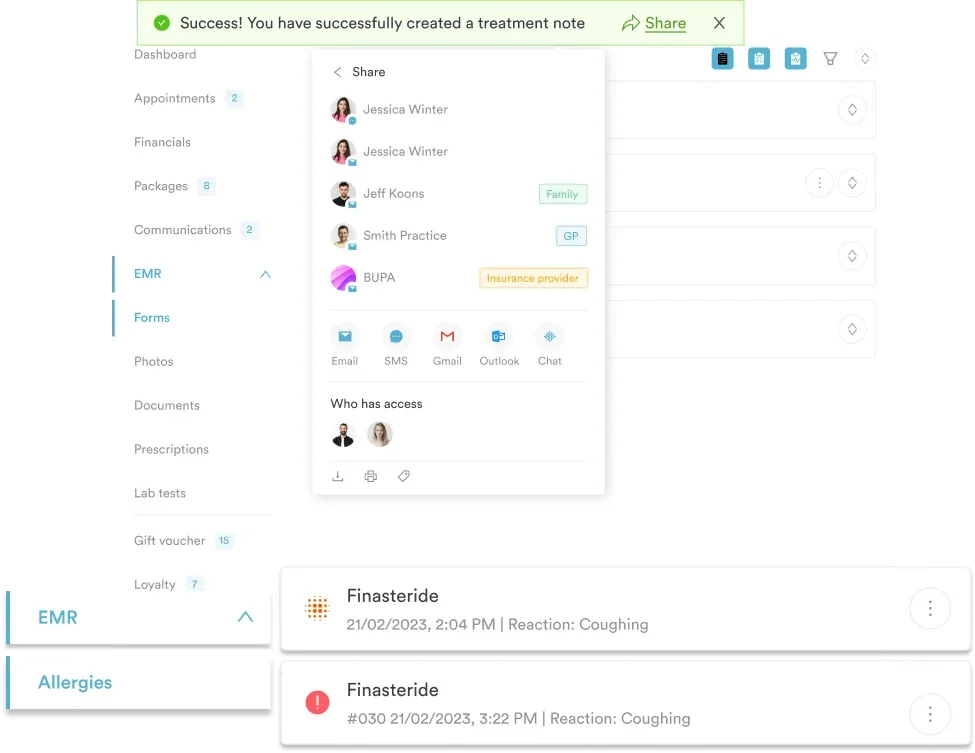
Practice management software like Pabau replaces that habit with structured delivery forms. A template can require the organ, the mechanism, and the repair before the note is signed. What the clinician enters lands in the patient record the same day, where a coder can act on it.
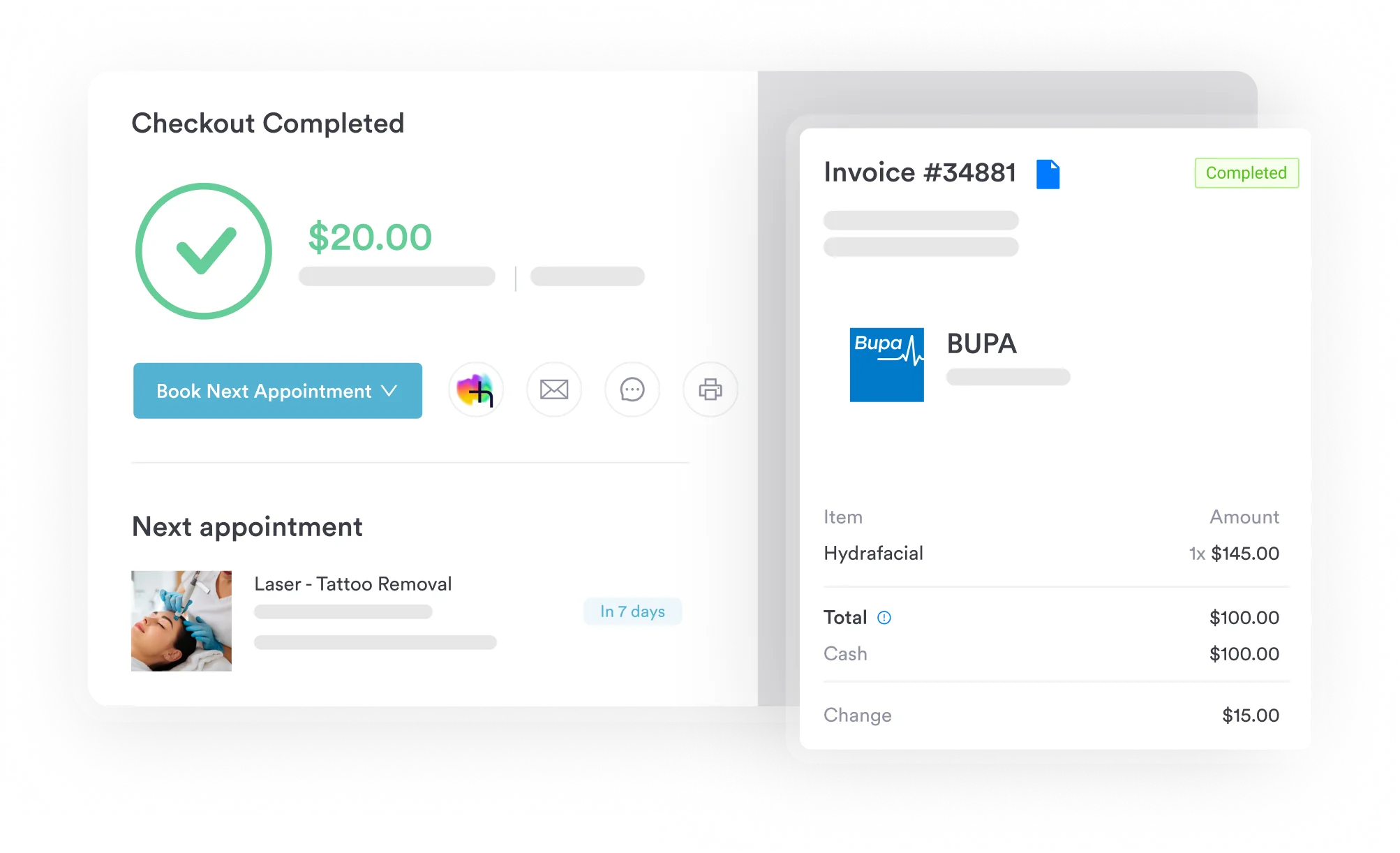
Billing picks up from there. Pabau checks eligibility, validates the fields a payer requires, and tracks each submission, so an incomplete obstetric claim is caught in-house. An OB/GYN group that also runs a fertility arm gets fertility clinic software in the same subscription, since every Pabau plan includes every feature.

Simplify obstetric documentation and billing
Pabau’s OB/GYN practice management platform helps your team capture organ-specific delivery documentation, reducing coding queries and claim denials. See how it works.

Conclusion
The O71.5 decision is made in the delivery room, not in the billing office. If the note names the bladder or the urethra, the code holds up under review. If it says pelvic injury and stops there, the claim carries O71.9 and the detail is gone for good.
The fix is small. Add one prompt to the delivery template and run the clinician query the same day rather than after discharge. Book a demo to see how Pabau keeps organ-specific delivery detail in the record your coders work from.

Continue your research
Coding a delivery that started with a failed induction? O61.1 covers failed instrumental induction of labor and the documentation it needs.
Anesthesia complications in the same delivery record? O74.8 explains how those complications are reported alongside the delivery itself.
Billing the global obstetric package? 59400 walks through routine obstetric care from antepartum visits to postpartum follow-up.
Working the Medicare side of obstetric claims? Medicare billing covers submission rules, timelines, and the errors that hold up payment.
Documenting maternal distress in labor? O75.0 sets out when the code applies and what the record has to show.
Frequently asked questions
What does ICD-10 Code O71.5 mean?
ICD-10 Code O71.5 is the billable ICD-10-CM diagnosis code for other obstetric injury to pelvic organs. It covers obstetric injury to the bladder and the urethra, sustained during or following delivery. The code sits under the O71 obstetric trauma category and is valid for FY2026 claims.
Is O71.5 a billable ICD-10-CM code?
Yes, O71.5 is a billable and specific ICD-10-CM code valid for FY2026, effective October 1, 2025. The parent code O71 is non-billable and must not be submitted on claims. Always use the specific child code when documentation supports it.
What DRG is associated with ICD-10 Code O71.5?
O71.5 groups to DRG 776, postpartum and post-abortion diagnoses without O.R. procedure. When an operating room procedure is also coded on the stay, the case moves to DRG 769, the version with an O.R. procedure. Verify with your facility’s grouper software.
When should O71.5 be used instead of O71.9?
Use O71.5 whenever the record specifies injury to the bladder or the urethra in an obstetric context. O71.9 is appropriate only when no organ-specific documentation exists and a clinician query cannot produce more detail. O71.5 wins whenever the documentation supports it.
Does O71.5 apply to obstetric injury to the cervix?
No. The Applicable To note for O71.5 names only the bladder and the urethra. A documented obstetric laceration of the cervix is coded O71.3 instead. Query the treating clinician when a note says cervical trauma without naming the injury type.