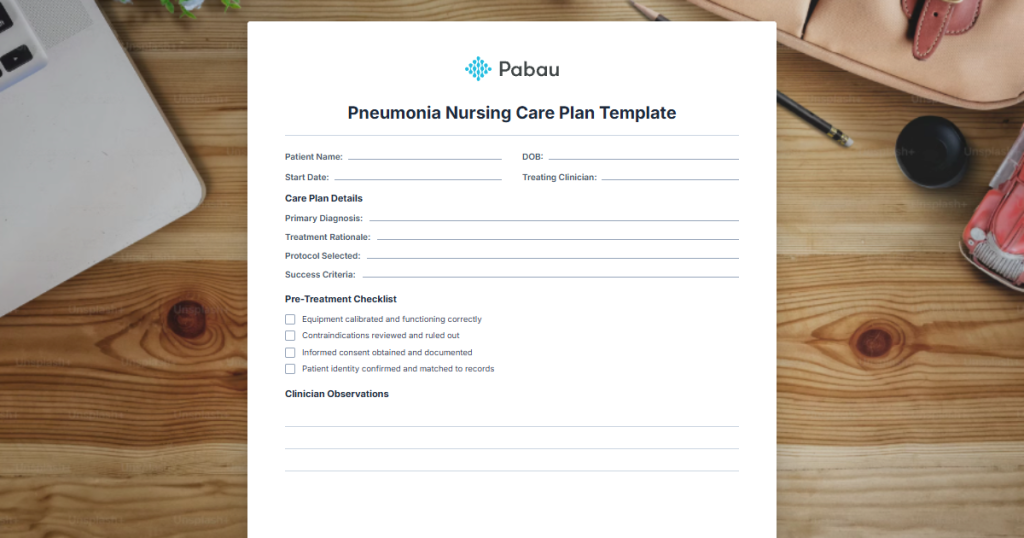
Pneumonia Nursing Care Plan Template
Pneumonia remains a leading cause of hospitalisation and morbidity in acute care...

April 1, 2026


Buy now, pay later is now available in Pabau
Telehealth for GP clinics is transforming the way general practitioners deliver care, manage appointments, and communicate with patients.
What began as a temporary solution during the pandemic has now become a long-term strategy for improving access, efficiency, and patient satisfaction.
Across the UK, over 33% of GP appointments now take place remotely, reflecting a clear shift toward hybrid healthcare models that combine in-person and digital care.
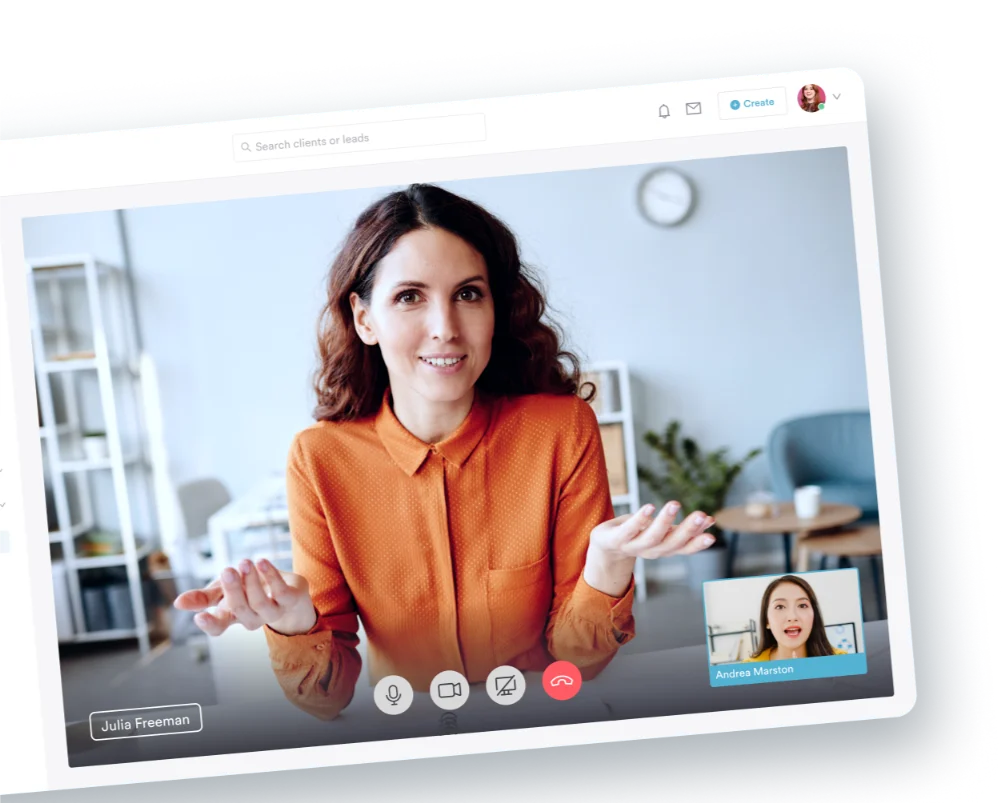
Telehealth — often referred to as telemedicine — enables clinicians to assess, diagnose, and treat patients remotely through secure digital communication.
In general practice, this usually includes:
It extends care to patients who might otherwise face barriers such as mobility issues, travel distance, or time constraints.
Today, many GP practices combine traditional in-person care with remote options by using digital tools that support mobile working, teleconsultations, and connected patient records. These tools help clinicians deliver care flexibly while keeping clinical data secure and centrally managed.
Pabau is a comprehensive practice management system that brings together scheduling, online booking, teleconsultations, and digital medical records into a single, secure platform.
Within Pabau, features such as Pabau Go — which allows clinicians to access patient records, appointments, and notes from any device — and Care Plus, which enhances digital patient management with advanced forms, labs, and clinical workflows, help practices deliver a seamless, hybrid care experience for both clinicians and patients.
What’s driving the adoption of telehealth in gp clinics?
The growth of telehealth is not just a technological trend; it’s driven by structural, regulatory, and patient-centred changes. Several key factors are propelling this shift:
| Driver | Impact on GP clinics |
|---|---|
| Patient demand for convenience | Patients expect quick, accessible care from home — especially for follow-ups or minor conditions. |
| Workforce shortages | Telehealth helps clinicians manage workloads and reduce time lost to travel or admin. |
| Regulatory support | Bodies like the CQC and NHS encourage digital innovation and safe data sharing. |
| Improved digital infrastructure | High-speed internet, cloud systems, and secure EHRs have made telemedicine practical and compliant. |
| Post-pandemic adaptation | Clinics now view telehealth as a permanent fixture of hybrid care, not a stopgap measure. |
Adopting telehealth means understanding how it fits within healthcare regulations.
In the UK, GP clinics must comply with UK GDPR and the Data Protection Act 2018, alongside NHS and CQC requirements for data protection, confidentiality, and information governance.
Systems like Pabau are designed to meet these frameworks by offering role-based access controls, audit logs, and encrypted data transmission.
For NHS-partnered practices, compliance extends to the Data Security and Protection Toolkit (DSPT) and CQC’s clinical governance standards. Telehealth solutions that maintain clear audit trails and secure communication channels are increasingly favored during inspections.
Did you know: Many patients are willing to continue using telehealth, with one nationally representative U.S. survey finding that about 66.5% of adults said they would like at least some of their care to be delivered via video visits in the future.
When integrated effectively, telehealth offers measurable benefits across operational, clinical, and patient experience dimensions:
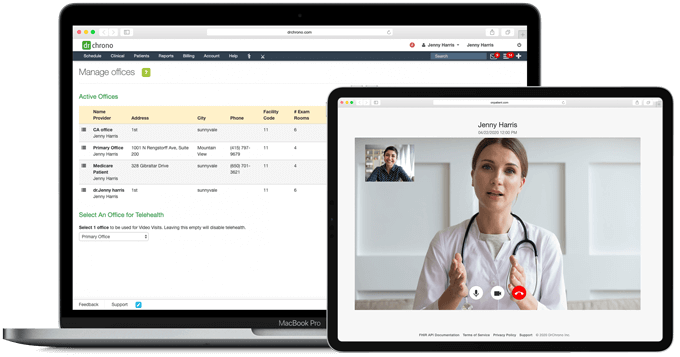
While many clinics rely on multiple apps for scheduling, video calls, and documentation, unified systems like Care Plus simplify this by connecting everything into one secure hub. With Echo AI, clinicians can transcribe consultations and automatically update clinical notes. This reduces manual entry, improves accuracy, and saves time — all while maintaining full compliance.
Meanwhile, Pabau’s E-prescribing tools allow GPs to issue repeat prescriptions during virtual consultations, linked directly to pharmacy integrations. Patients can receive medications without visiting the practice, enhancing continuity of care and convenience.
Several technologies underpin the telehealth revolution in primary care:
Despite clear advantages, some GP clinics face hurdles in implementing telehealth fully:
The future of general practice lies in hybrid care — a blend of digital and in-person interactions.
Physicians report increased use of telemedicine since the COVID-19 pandemic, with 76% indicating higher adoption and nearly 90% expecting telehealth to continue growing as part of routine clinical practice.
The next decade will likely see virtual care embedded in routine primary care, supported by AI diagnostics, wearable data integration, and remote monitoring devices.
For GP clinics, this means shifting from reactive to proactive models of care — where patient data, virtual consultations, and analytics drive decision-making.
Platforms like Pabau make this transformation achievable by offering fully integrated workflows, from scheduling and consent management to teleconsultation and follow-up.
Pro Tip: Data from the American Medical Association’s Physician Practice Benchmark Survey show that telehealth use among physician practices increased from 25.1 % in 2018 to 71.4 % in 2024, illustrating continued broad adoption of remote care tools.
This widespread use implies that telehealth has become a significant part of how clinicians manage patient care
The rise of telehealth in GP clinics represents a fundamental evolution in how care is delivered. Beyond convenience, it enhances patient outcomes, improves operational efficiency, and supports long-term sustainability. As regulations mature and digital literacy increases, telemedicine will become a cornerstone of patient-centred healthcare.
Clinics embracing integrated systems like Pabau can ensure they stay ahead — delivering secure, compliant, and compassionate care in an increasingly connected world.
JAMA Network Open (2021):
Reed ME, Huang J, Brand R, et al. Assessment of patient preferences for telehealth in post–COVID-19 pandemic health care. JAMA Network Open. 2021;4(10):e2127895. https://jamanetwork.com/journals/jamanetworkopen/fullarticle/2786700